
How to clean and maintain ceramic tiles properly
Cleaning ceramic tiles is much easier than most people imagine. In most cases, all you need is warm water, a pH-neutral cleaner, and a microfibre cloth or mop to keep the surface in perfect condition. Avoiding abrasive products and carrying out regular cleaning is enough to preserve its original appearance for many years.
Ceramic is one of the most durable, hygienic, and low-maintenance materials available for both floor and wall applications, whether in bathrooms, kitchens, or outdoor spaces. However, it is important to distinguish between cleaning and maintenance. While cleaning removes dirt, maintenance involves a series of care routines that help preserve the finish, protect the grout joints, and extend the lifespan of the material.
In this guide, you will discover how to clean ceramic tiles properly, which products to use for different situations, how to remove common stains, and which mistakes you should avoid. You will also find specific recommendations for cleaning ceramic floor and wall tiles, stained white ceramic, ceramic walls, bathrooms, kitchens, and outdoor ceramic flooring.

How to clean ceramic tiles properly
Although ceramic is a durable and easy-to-maintain material, it is advisable to adapt the cleaning method to the type of dirt, the finish of the tile, and the area where it has been installed. These are the basic steps we recommend following:
Remove dust and surface dirt
Before using water or any cleaning product, remove dust, sand, crumbs, and any other loose debris from the surface. You can do this with a soft-bristled broom, a vacuum cleaner, or a dry mop, depending on the type of room and the size of the tiles.
This step is important because it prevents solid particles from being dragged across the surface during wet cleaning, where they could leave marks, particularly on glossy, polished, or other delicate ceramic finishes. It also allows the detergent to act directly on the adhered dirt without mixing with surface debris.
When cleaning ceramic walls, it is advisable to first wipe the surface with a dry cloth or a microfibre cloth to remove accumulated dust, especially in upper areas, textured surfaces, grout joints, and corners. Outdoors, it may be necessary to remove leaves, soil, or small stones before starting the cleaning process.
As a general rule, you should never mop or wash a ceramic surface before removing loose dirt. It is a simple step that significantly improves the final result and helps preserve the finish for longer.
Use warm water and a ph-neutral cleaner
For routine ceramic tile cleaning, there is no need to resort to harsh cleaning products. In most cases, a solution of warm water and a pH-neutral cleaner is enough to remove everyday dirt without affecting the appearance of the surface.
pH-neutral cleaners are specifically formulated to clean effectively without damaging the glaze, colour, or finish of ceramic tiles. They also help keep grout joints in good condition and prevent the residue or dull film that more aggressive products can leave behind when used regularly.
For the best results, simply dilute the cleaner according to the manufacturer's instructions. Using more product than recommended will not improve cleaning performance; on the contrary, it can leave a film on the surface that encourages dirt to accumulate and gradually causes the floor or wall covering to lose its original appearance and brightness.
Conversely, it is advisable to avoid the frequent use of highly acidic, highly alkaline, or abrasive cleaning products, as well as homemade mixtures of chemical products, as these can damage grout joints and affect the finish of certain ceramic surfaces. Such cleaners should only be used occasionally when specifically recommended for removing a particular type of stain or dirt.
As ceramic tile manufacturers, we always recommend gentle, regular cleaning. It is the most effective way to keep ceramic surfaces in excellent condition for years while preserving all of their aesthetic and technical qualities.
Rinse the surface thoroughly
Once the cleaning process is complete, it is important to rinse the surface with clean water to remove any remaining detergent. Although this may seem like a minor step, rinsing properly prevents the build-up of residue that, over time, can cause dull films, stains, or a loss of brightness, particularly on glossy ceramic finishes.
- If you are cleaning a large floor area, replace the water as soon as it becomes dirty. Otherwise, instead of removing the dirt, you will simply spread it across the entire surface.
- In areas such as bathrooms and kitchens, where moisture and soap residue are more common, rinsing thoroughly helps keep the tiles looking cleaner for longer and makes it more difficult for new stains or limescale deposits to build up.
- When cleaning ceramic walls, simply wipe the surface with a clean cloth dampened only with water to remove any remaining cleaning product. If the surface has a glossy or polished finish, you can complete the process by drying it with a clean microfibre cloth for a uniform, streak-free finish.
Dry the surface to prevent water marks
For most ceramic floors, drying the surface after cleaning is not essential, as the water evaporates naturally without affecting the material. However, in certain situations, drying is recommended to achieve a better aesthetic finish.
Drying ceramic surfaces with a clean microfibre cloth helps prevent water marks that may appear on glossy or polished finishes, especially in areas where the water has a high limescale content. It is also good practice for bathroom wall tiles, kitchen splashbacks, countertops, and walls around washbasins and showers, where splashes are common.
In addition to improving the appearance of the surface, drying prevents water from remaining in the grout joints, reducing the build-up of limescale deposits, moisture, and persistent dirt in the areas most exposed to water.
Which products should you use to clean ceramic tiles?
Choosing the right cleaning product is just as important as following the correct cleaning method. Although there are many cleaners specifically designed for ceramic tiles, the truth is that most ceramic surfaces only require mild, pH-neutral products to remain in perfect condition.
Below, you'll find the products we recommend, as well as those that are best avoided to keep your ceramic tiles looking their best.
Recommended products for cleaning ceramic tiles
- pH-neutral cleaners.
- Microfibre cloths and cleaning cloths, which clean effectively without scratching the surface.
- Soft mops or microfibre mops, especially suitable for ceramic floors.
- Non-abrasive sponges for removing localised dirt without damaging the finish.
- Specialised ceramic tile cleaners, only when necessary to remove specific stains or persistent dirt.
Products to avoid when cleaning ceramic tiles
- Metal scouring pads or abrasive scrubbers.
- Cleaners containing abrasive particles.
- Homemade mixtures of chemical cleaning products.
- Frequent use of highly acidic or highly alkaline cleaners without a specific need.
- Waxes or products that leave a film on the surface, as ceramic tiles do not require this type of treatment to maintain their appearance.
Using the right cleaning products not only makes cleaning easier but also helps preserve the original appearance of ceramic tiles for many years, reducing the risk of damaging the finish or the grout joints.
Can you clean ceramic tiles with bleach, ammonia, or vinegar?
Yes, but only occasionally. For routine ceramic tile cleaning, the best option is always warm water and a pH-neutral cleaner.
- Bleach: It can be used occasionally to disinfect surfaces or remove mould, but frequent use may damage the grout joints.
- Ammonia: It is effective for removing grease but should only be used in specific situations and in well-ventilated areas.
- Vinegar: It can help remove limescale deposits, but regular use is not recommended, particularly on grout joints, as its acidity may cause deterioration.
As a general rule, avoid mixing chemical cleaning products and always use the least aggressive cleaner capable of removing the dirt.
[ctabanner]How to clean ceramic tiles according to where they are installed
Although the cleaning method is similar for most ceramic surfaces, each area of the home has its own specific requirements. Moisture, grease, limescale, and exposure to the elements all affect the type of dirt that accumulates depending on where the ceramic tiles are installed.
Below, we explain how to clean ceramic tiles correctly in each area of your home to keep them looking their best for longer.
How to clean bathroom ceramic tiles
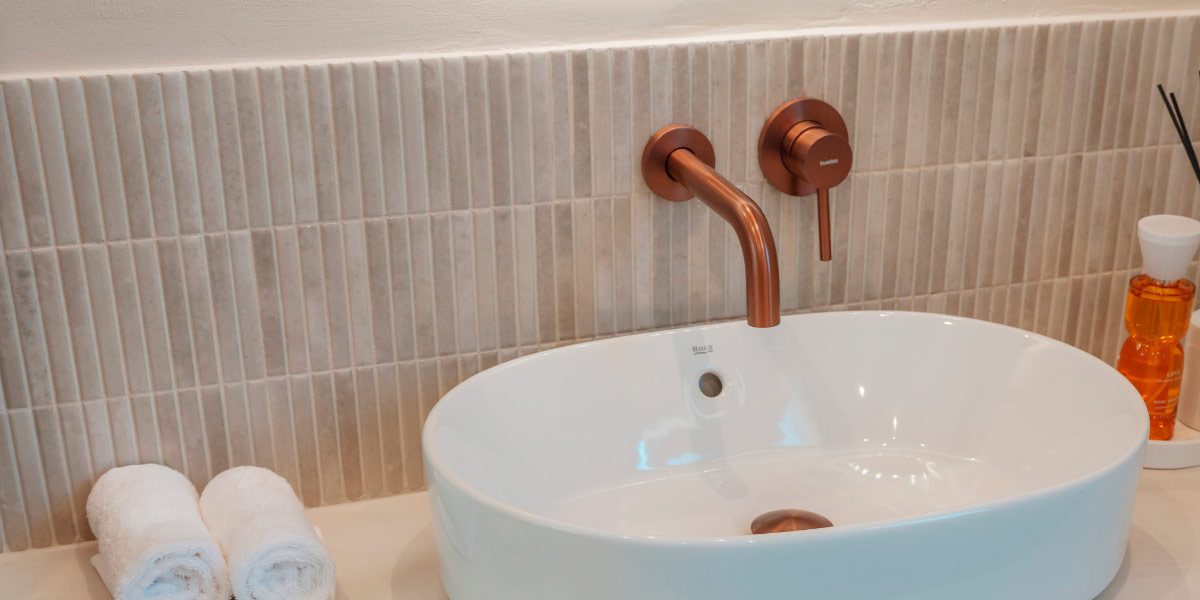
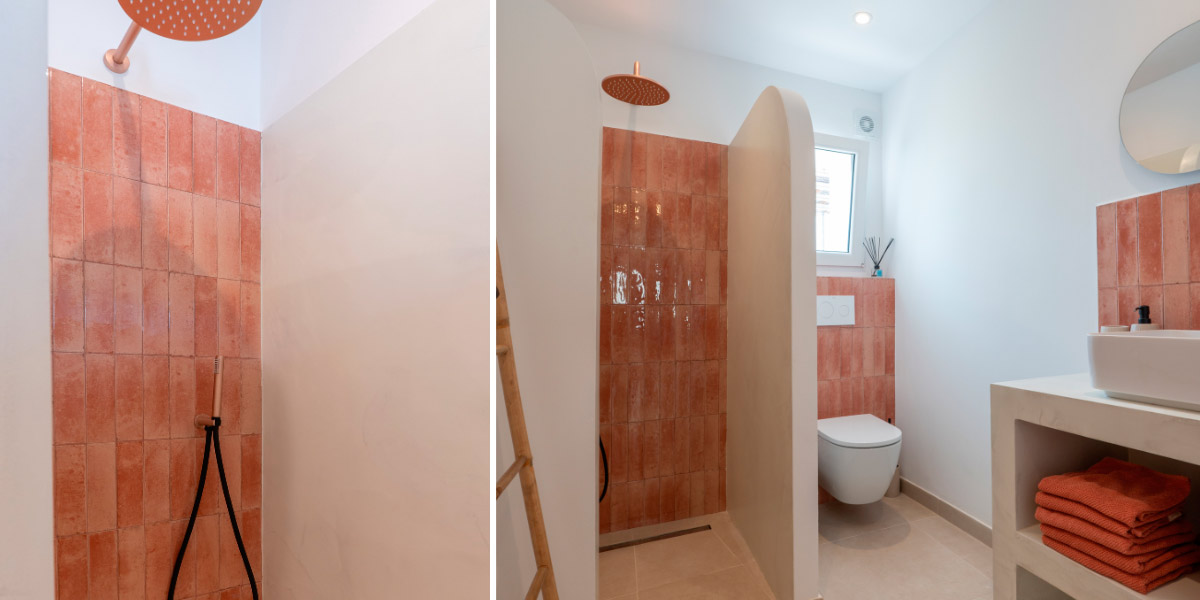
Bathroom ceramic tiles are exposed daily to moisture, soap residue, and limescale deposits, so regular cleaning is essential to prevent dirt from becoming ingrained. For routine maintenance, use warm water and a pH-neutral cleaner applied with a soft cloth or sponge. Afterwards, rinse the surface with clean water and, if the finish is glossy or the water in your area is particularly hard, dry it with a microfibre cloth to prevent water marks.
Grout joints require special attention, as they tend to accumulate more dirt and moisture than the tiles themselves. Cleaning them regularly with a soft-bristled brush and a suitable cleaner will help prevent mould growth and keep your bathroom in excellent condition.
Here are a few additional tips:
- Dry the areas around the shower and washbasin to reduce limescale build-up.
- Ventilate the bathroom every day to reduce humidity and prevent mould from forming in the grout joints.
- Clean the grout joints regularly to prevent dirt from becoming embedded.
How to clean kitchen ceramic tiles
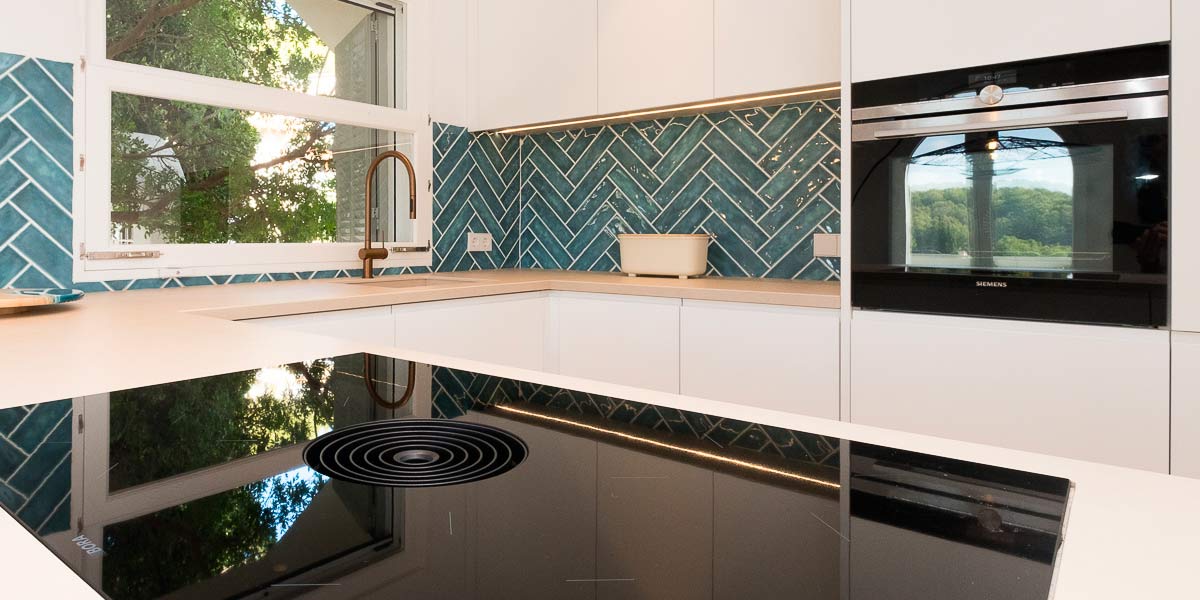
Knowing how to clean kitchen ceramic tiles properly is essential to prevent grease, food splashes, and cooking oil from adhering to the surface. The key is to clean regularly, as fresh dirt is much easier to remove than dirt that has been allowed to dry or build up over time.
For daily cleaning, use warm water and a pH-neutral cleaner applied with a microfibre cloth or a soft sponge. In areas where grease tends to accumulate, such as the splashback behind the hob or around the worktop, it may be necessary to use a degreasing cleaner specifically designed for ceramic surfaces. Once cleaning is complete, rinse with clean water to remove any remaining cleaning product.
- Wipe away oil splashes and food spills as soon as possible to prevent them from becoming ingrained.
- Pay particular attention to the grout joints, where grease tends to accumulate more easily.
- Always use non-abrasive cloths or sponges to protect the ceramic finish.
- Avoid mixing cleaning products or using harsh degreasers on a regular basis.

How to clean outdoor ceramic tiles
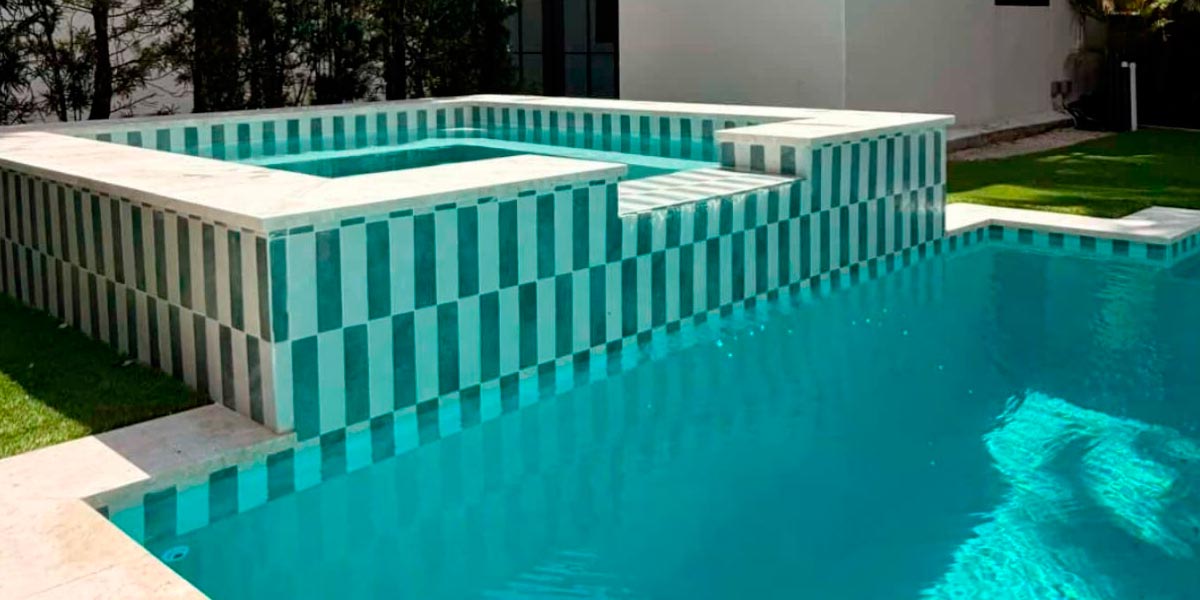
Outdoor ceramic tiles are exposed to rain, dust, soil, leaves, and other environmental elements that encourage dirt to accumulate. For this reason, in addition to regular cleaning, it is advisable to carry out a more thorough clean at the beginning and end of the seasons when outdoor areas are used most, such as spring and summer.
For routine cleaning, first remove loose dirt with a broom or garden hose. Then clean the surface using water and a pH-neutral cleaner with a mop or a soft-bristled brush. If more stubborn stains are present, use a specialised cleaner suitable for outdoor ceramic flooring.
- Sweep regularly to prevent the build-up of dirt and leaves.
- Remove mud, moss, and organic matter as soon as possible.
- Use a soft-bristled brush, avoiding metal or abrasive tools.
- On anti-slip ceramic flooring, pay particular attention to cleaning the grout joints and textured areas.
How to clean stained white ceramic tiles without damaging them
White ceramic tiles bring brightness and a greater sense of space, but they also tend to make certain stains more noticeable. The good news is that, in most cases, these stains can be removed easily using the right cleaning products and avoiding harsh methods that could damage the tile finish or the grout joints. Below, we explain how to deal with each type of stain.
- Limescale stains. Limescale deposits are common in bathrooms, showers, and areas with hard water. To remove them, use a limescale remover specifically designed for ceramic surfaces and then rinse thoroughly with clean water. The sooner limescale is removed, the easier it is to prevent it from becoming ingrained.
- Rust stains. Rust stains usually occur after prolonged contact with metal objects or in areas supplied with water that has a high iron content. To remove them, use a rust remover suitable for ceramic surfaces and always follow the manufacturer's instructions. Avoid scrubbing with metal scouring pads, as these may make the problem worse.
- Shoe marks. Scuff marks caused by rubber soles are common on light-coloured ceramic flooring. They can usually be removed with a damp microfibre cloth and a pH-neutral cleaner. If the mark persists, use a non-abrasive sponge, rubbing gently without applying excessive pressure.
- Cement or grout residue. After construction or renovation work, it is common for cement, mortar, or grout residue to remain on the tile surface. The most important thing is to remove these residues as soon as possible, before they fully harden. If the residue has already dried, use a specialised post-construction residue remover that is suitable for ceramic surfaces, always following the manufacturer's recommended application time. Before applying the product, make sure the grout has fully cured to avoid damaging the joints.

How to clean ceramic tile grout (and when to replace it)
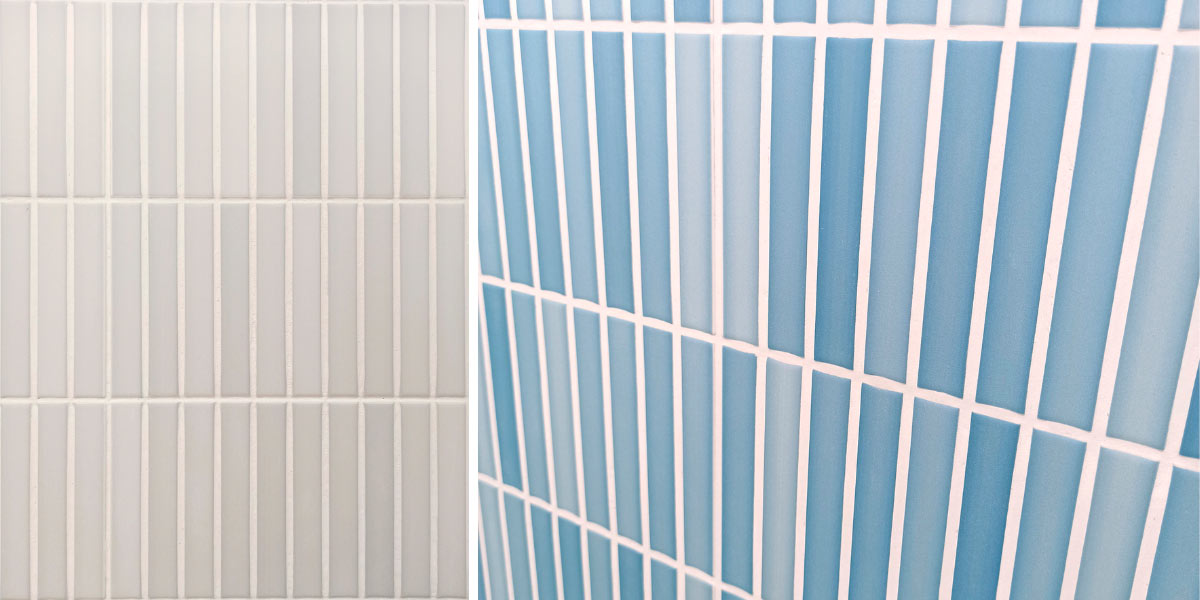
Grout joints usually become dirty before the tiles themselves. Their slightly porous texture encourages the build-up of dust, grease, soap residue, moisture, and limescale, especially in bathrooms and kitchens. If they are not cleaned regularly, they can become discoloured and, in damp areas, mould may even develop. The best way to keep grout in good condition is to clean it regularly before dirt becomes ingrained.
How to clean grout joints
For routine cleaning, use a soft-bristled brush or a brush specifically designed for grout, together with a suitable cleaning product. Scrub gently along the direction of the grout line without applying excessive pressure, as this could wear away the grout material. Once the dirt has been removed, rinse with clean water and dry the surface if it is in a high-moisture area, such as inside a shower or around a washbasin.
When should grout be replaced?
Cleaning is not always enough. If the grout shows cracks, crumbling, loss of material, or stains that cannot be removed even after proper cleaning, it is advisable to replace it. Renewing damaged grout not only improves the overall appearance of the installation but also helps prevent water infiltration, moisture problems, and the build-up of dirt in damaged areas.
As a general rule, keeping grout clean and in good condition extends the lifespan of ceramic wall and floor coverings and helps the entire surface maintain a well-cared-for appearance for much longer.
Common mistakes when cleaning ceramic tiles
Ceramic is a highly durable and low-maintenance material, but using unsuitable products or cleaning methods can affect its finish, damage the grout joints, or reduce the effectiveness of the cleaning process. These are some of the most common mistakes and how to avoid them:
- Using overly aggressive cleaning products. Highly acidic, highly alkaline, or abrasive cleaners are not necessary for routine cleaning. They should only be used occasionally to remove specific types of stains.
- Overusing bleach. Bleach can be useful for occasional disinfection or removing mould, but frequent use may damage the grout joints and offers no additional benefit for everyday ceramic tile cleaning.
- Using metal scouring pads. Metal scouring pads and abrasive tools can scratch certain ceramic finishes and damage the grout joints. Always use microfibre cloths, soft mops, or non-abrasive sponges when cleaning ceramic surfaces.
- Not rinsing after cleaning. Leaving detergent residue on the surface can result in dull films, streaks, or a loss of shine, especially on glossy ceramic finishes. Whenever you use a cleaning product, always rinse the surface afterwards with clean water.
- Using different products for different finishes without checking that they are suitable for ceramic. Not all ceramic finishes require the same care. Before using a specialised cleaner—particularly one containing acids, alkalis, or abrasive ingredients—make sure it is compatible with both the ceramic finish and the grout material.
- Not consulting the manufacturer's recommendations. If you are unsure, always follow the manufacturer's cleaning guidelines. Choosing the right product will help prevent unnecessary damage and keep your ceramic tiles in excellent condition for longer.

Frequently asked questions about cleaning ceramic tiles
What is the best product for cleaning ceramic tiles?
For routine cleaning, the best option is a pH-neutral cleaner combined with warm water. It cleans effectively without damaging either the ceramic finish or the grout joints. More aggressive products should only be used occasionally to remove specific stains and always in accordance with the manufacturer's recommendations.
Can you clean ceramic tiles with vinegar?
Yes, but only occasionally. Vinegar can help remove limescale deposits, but frequent use is not recommended, especially on grout joints, as its acidity may gradually damage them.
Does bleach damage ceramic tiles?
Bleach does not normally damage ceramic surfaces when used occasionally and properly diluted. However, frequent use or high concentrations may damage the grout joints, affect certain finishes, and are unnecessary for routine ceramic tile cleaning.
How do you remove stubborn stains from ceramic tiles?
The most effective method depends on the type of stain. Grease stains can be removed with a suitable degreaser, limescale with a ceramic-safe limescale remover, and cement or grout residue with a specialist post-construction cleaner. Before applying any cleaning product, check that it is compatible with the ceramic finish and always follow the manufacturer's instructions.
How often should ceramic tiles be cleaned?
There is no single answer, as it depends on both the location and the level of use. In bathrooms and kitchens, weekly cleaning is recommended to prevent the build-up of limescale, grease, and soap residue. In other areas of the home, regular cleaning with warm water and a pH-neutral cleaner is sufficient to keep ceramic tiles in excellent condition.
Can I use a steam cleaner on ceramic tiles?
Yes. In most cases, steam cleaners are suitable for cleaning ceramic surfaces. Steam helps remove dirt and grease effectively without the need for large amounts of chemical cleaning products.
Keeping ceramic tiles clean is much easier than it may seem. With regular cleaning, warm water, and a pH-neutral cleaner, it is possible to preserve their original appearance for many years without the need for aggressive cleaning products. Prevention also plays a key role. Removing dirt before it becomes ingrained, cleaning stains as soon as they appear, and looking after the grout joints all help reduce maintenance requirements and extend the lifespan of both ceramic wall and floor coverings.
Choosing high-quality ceramic tiles also makes a significant difference. Materials manufactured to high quality standards offer surfaces that are more resistant to wear, stains, and moisture, making them easier to clean and allowing them to retain their beauty for decades with minimal maintenance.
Ultimately, knowing how to clean ceramic tiles properly not only keeps them looking immaculate but also extends their lifespan, allowing you to enjoy one of the most beautiful and durable materials available for decades to come.