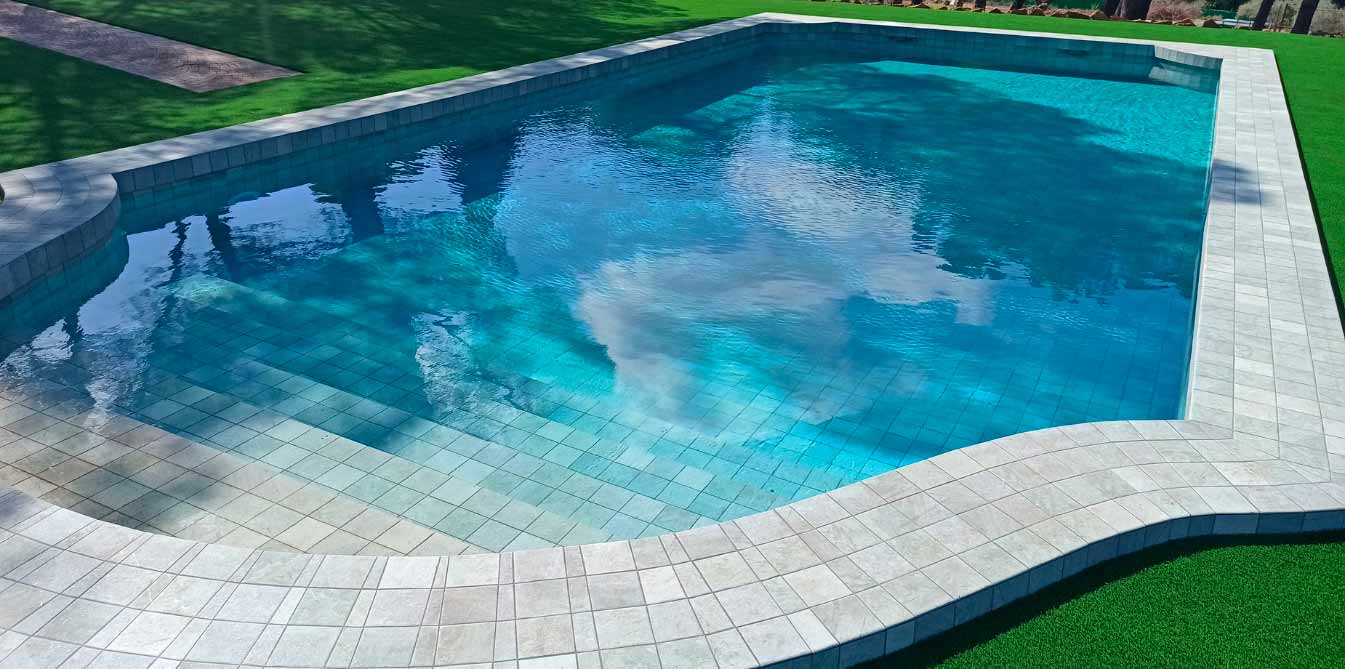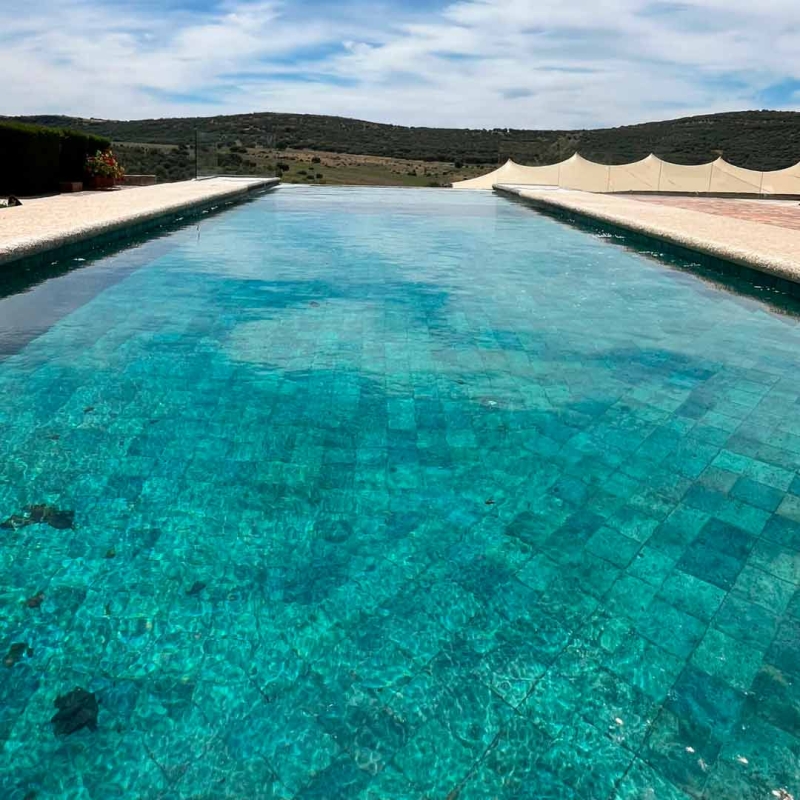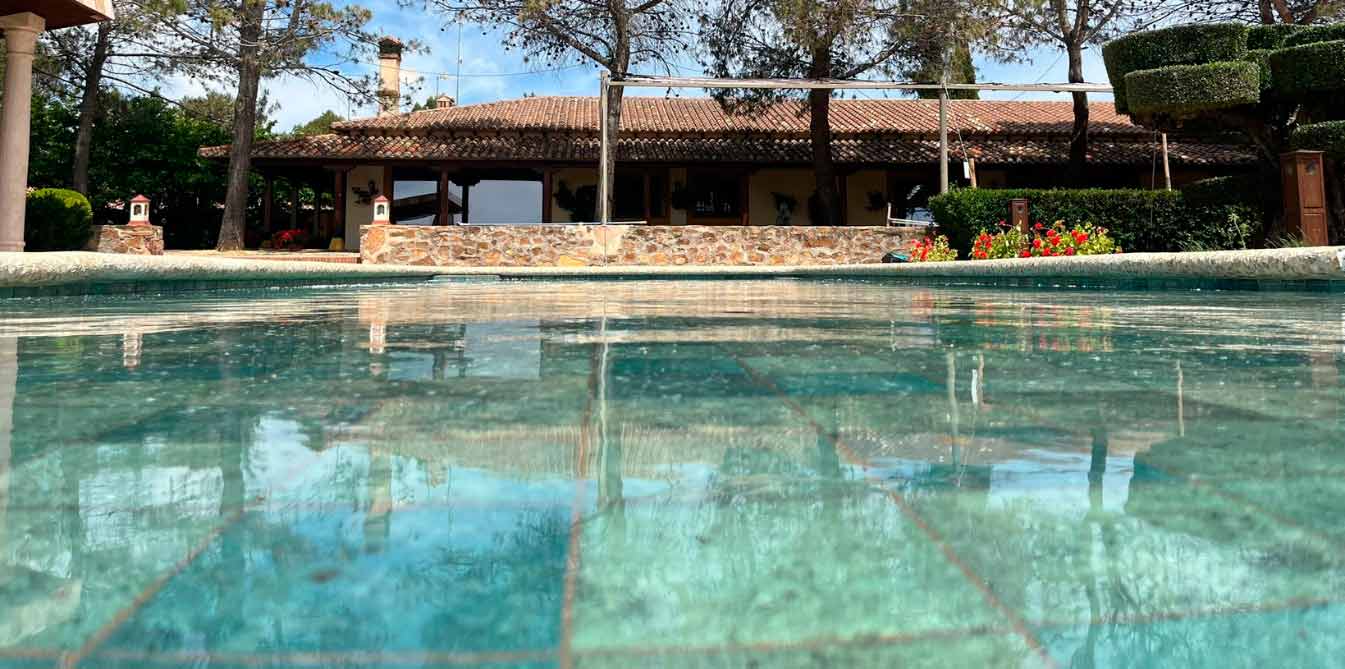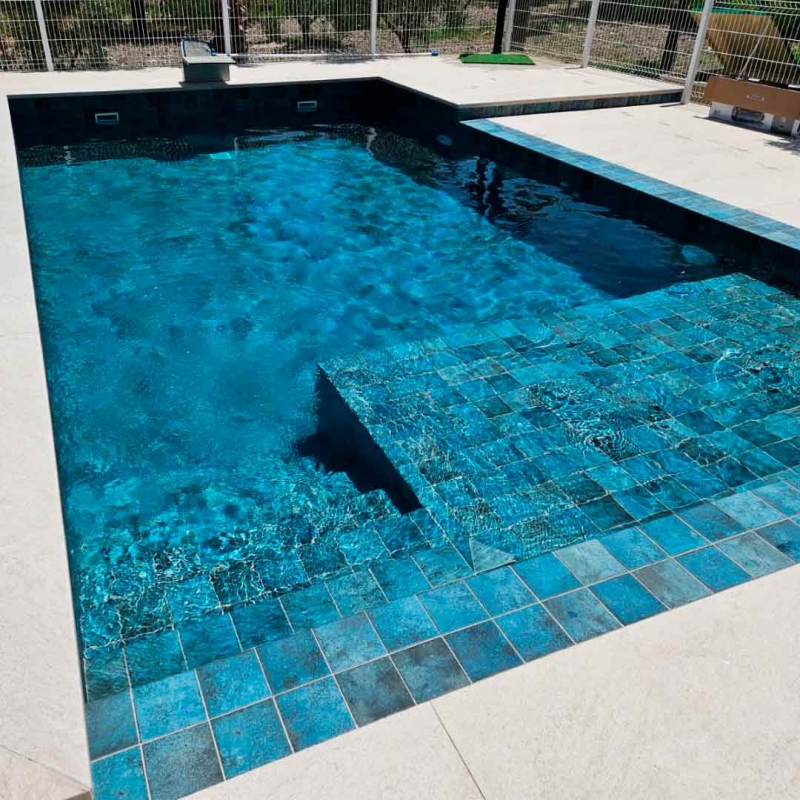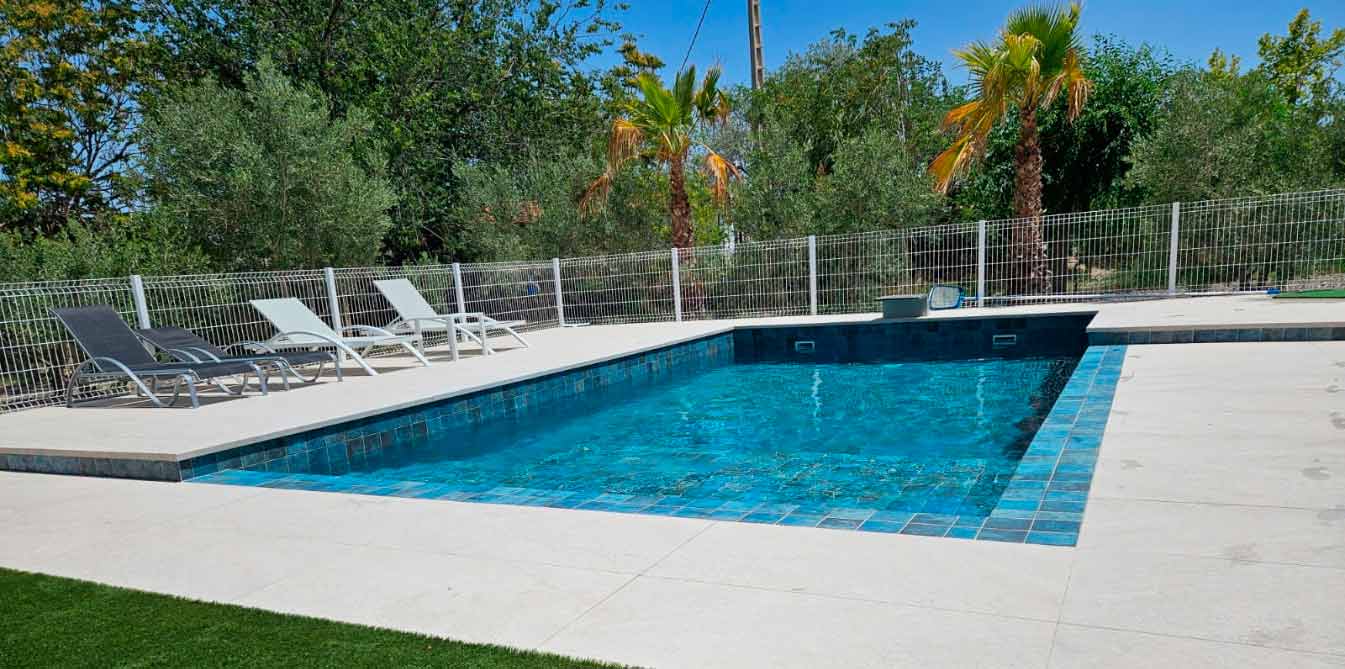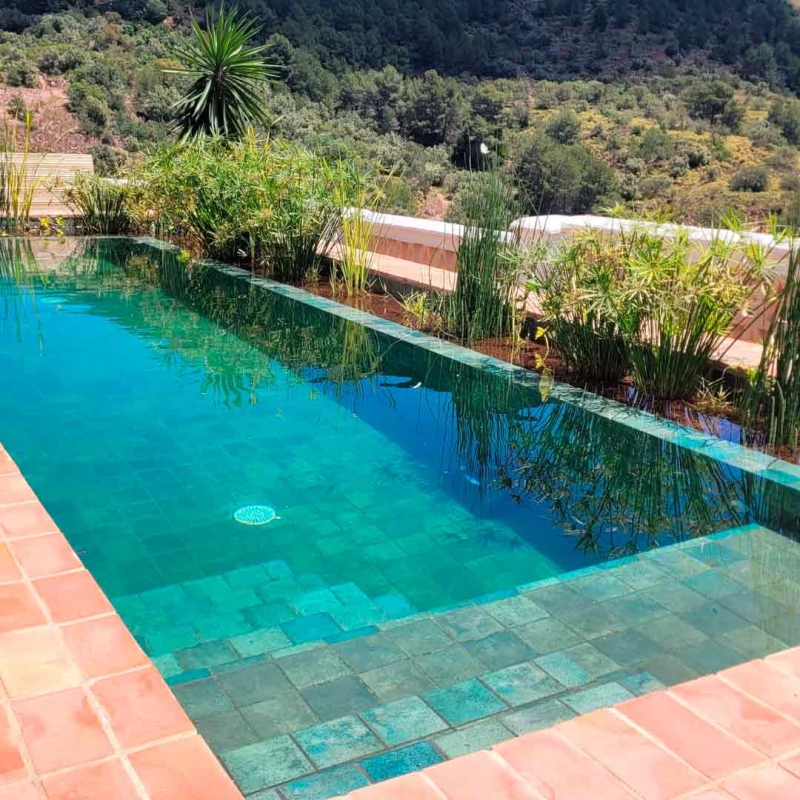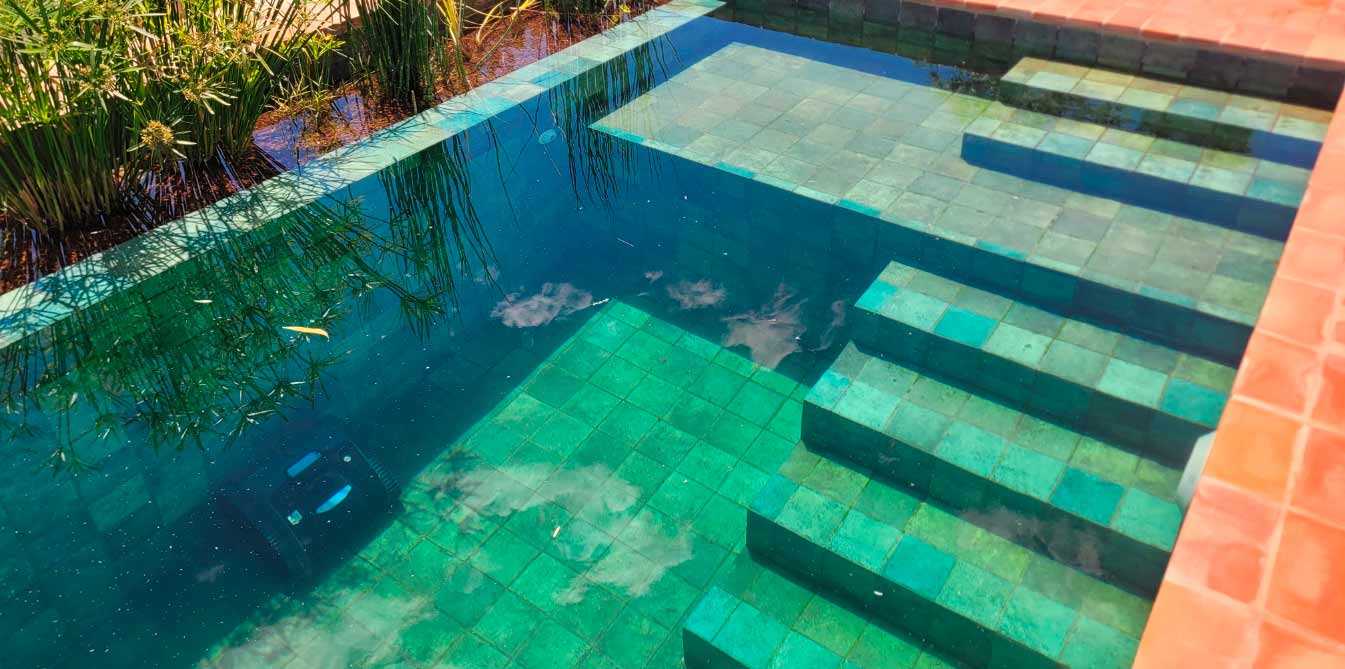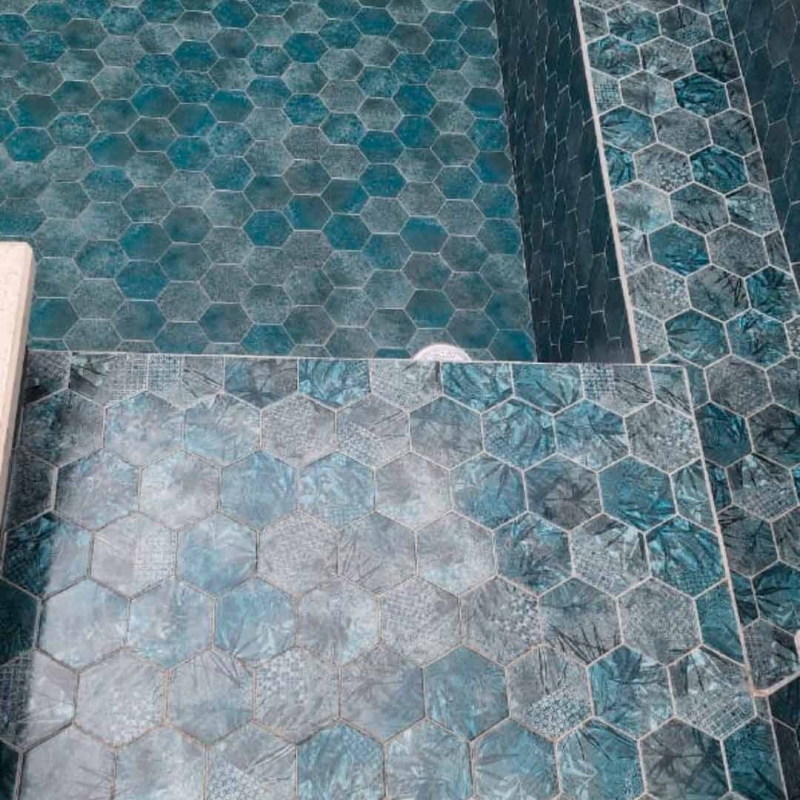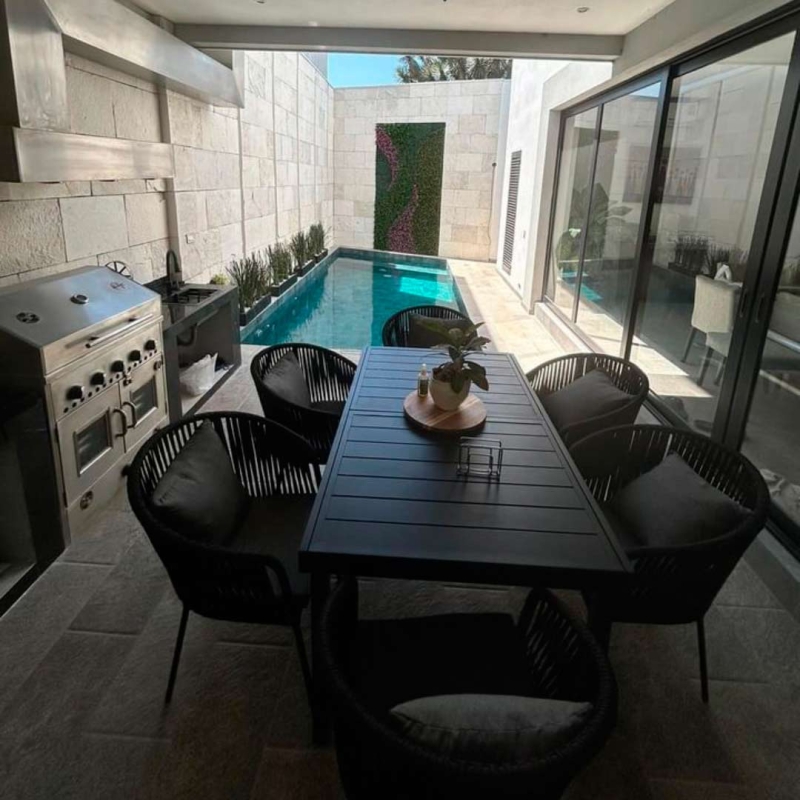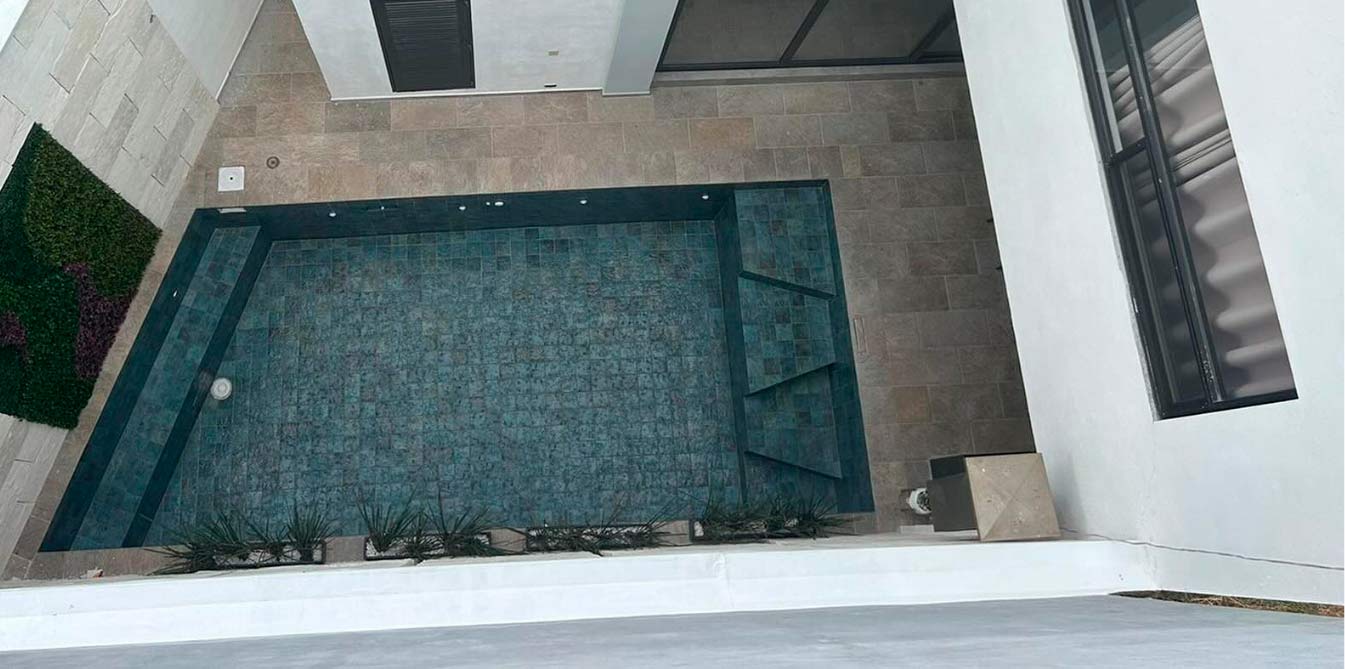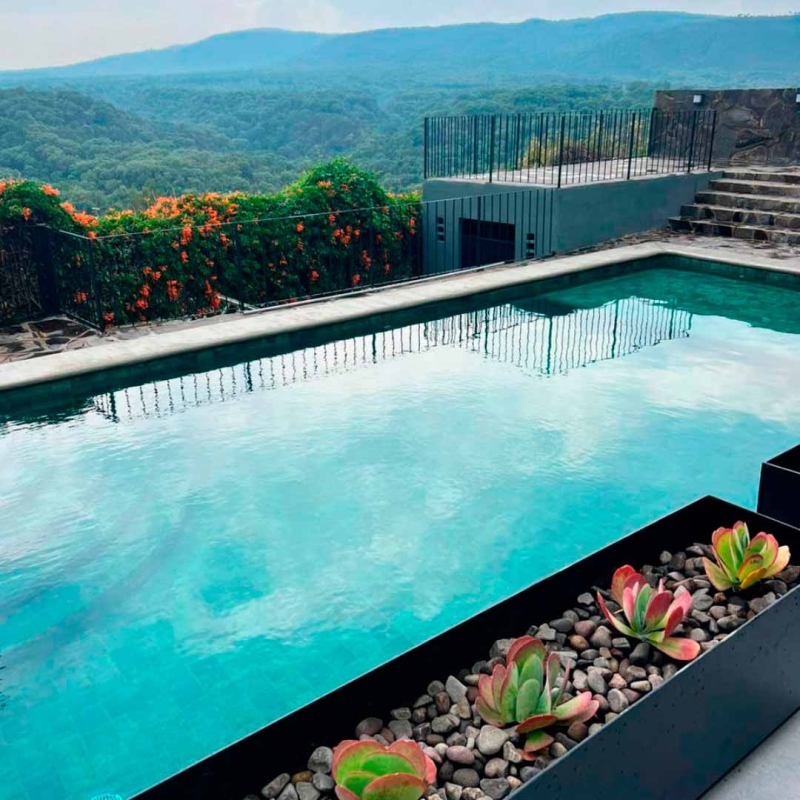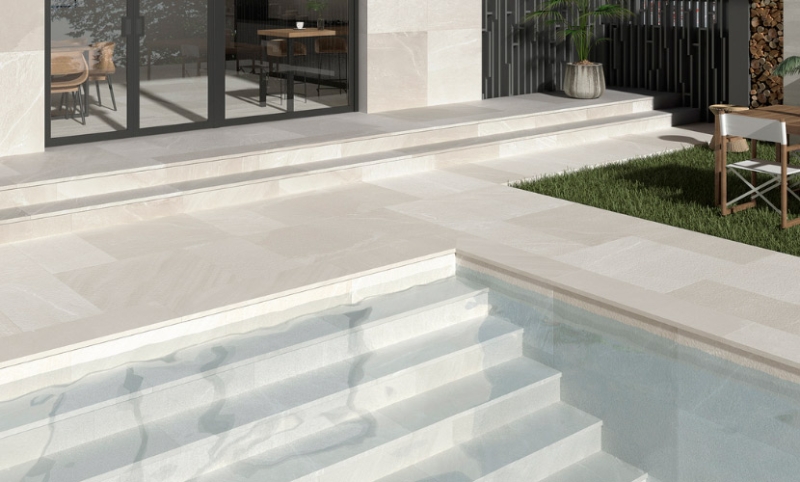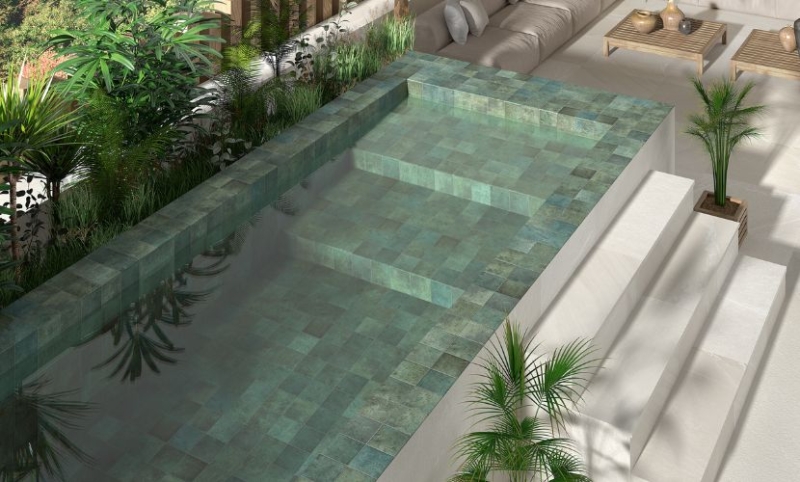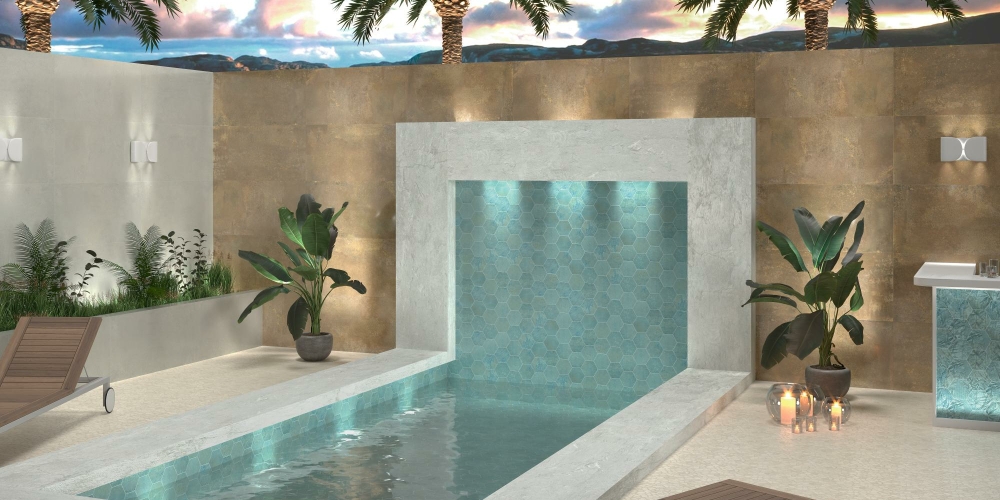
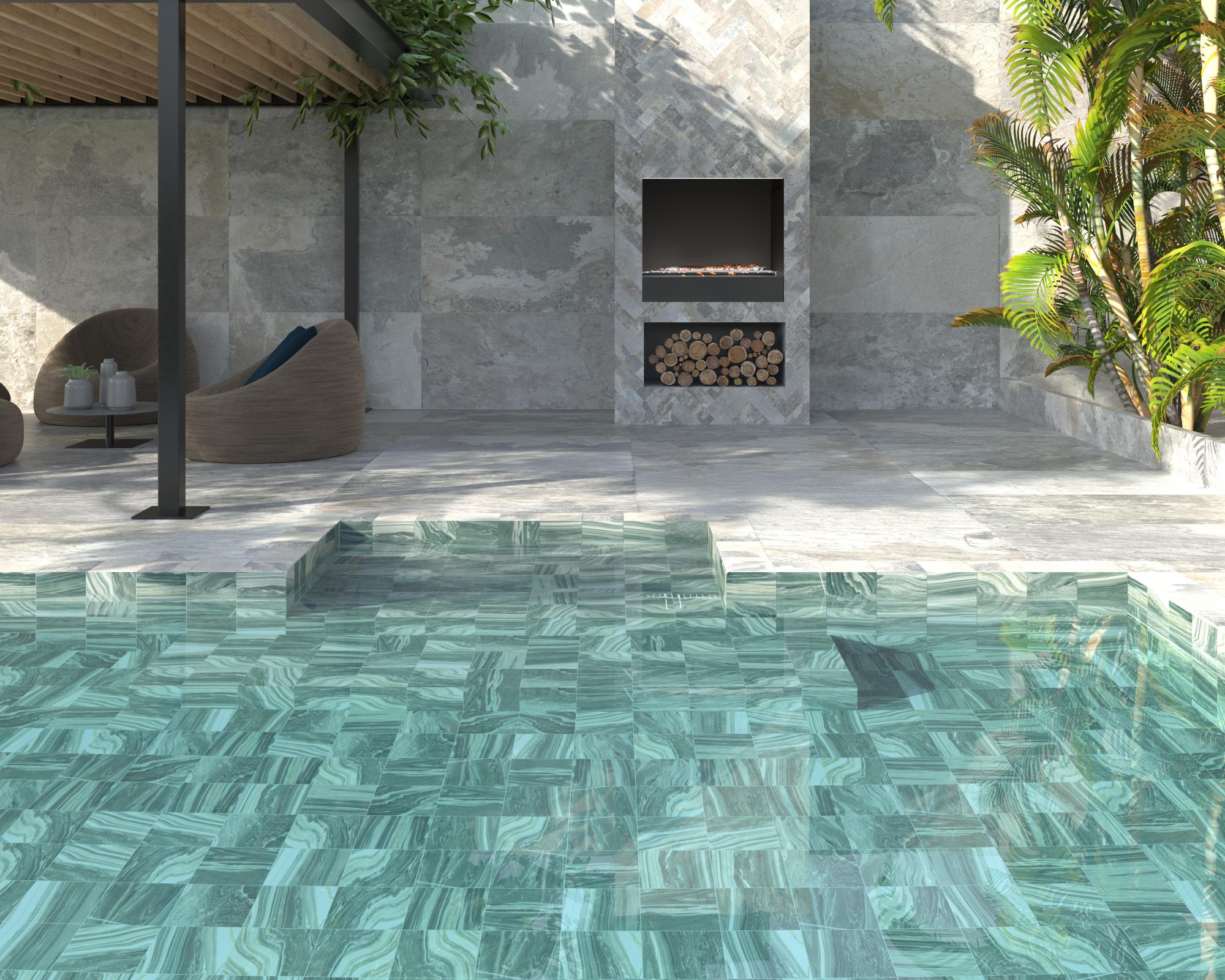
Discover our exclusive selection of tiles for modern pools that combine design and functionality. At Dune Ceramics, we offer high-quality porcelain tiles that transform your living room into a sophisticated and welcoming space. Whether for walls or floors, our tiles are designed to provide elegance and durability. Find the perfect inspiration to renovate your living room with pieces that reflect the latest trends in interior design.
Trending pieces
Quality and resistance in porcelain tiles that guarantee impeccable and long-lasting finishes for the walls and floors of your pool.

Our specialized team will guide you every step of the way to help you find the tile that best suits your style and the requirements of your project.

Perfect tiles for walls, floors, and baseboards that adapt to any design, bringing comfort and sophistication to your space.
New designs in tiles for swimming pools
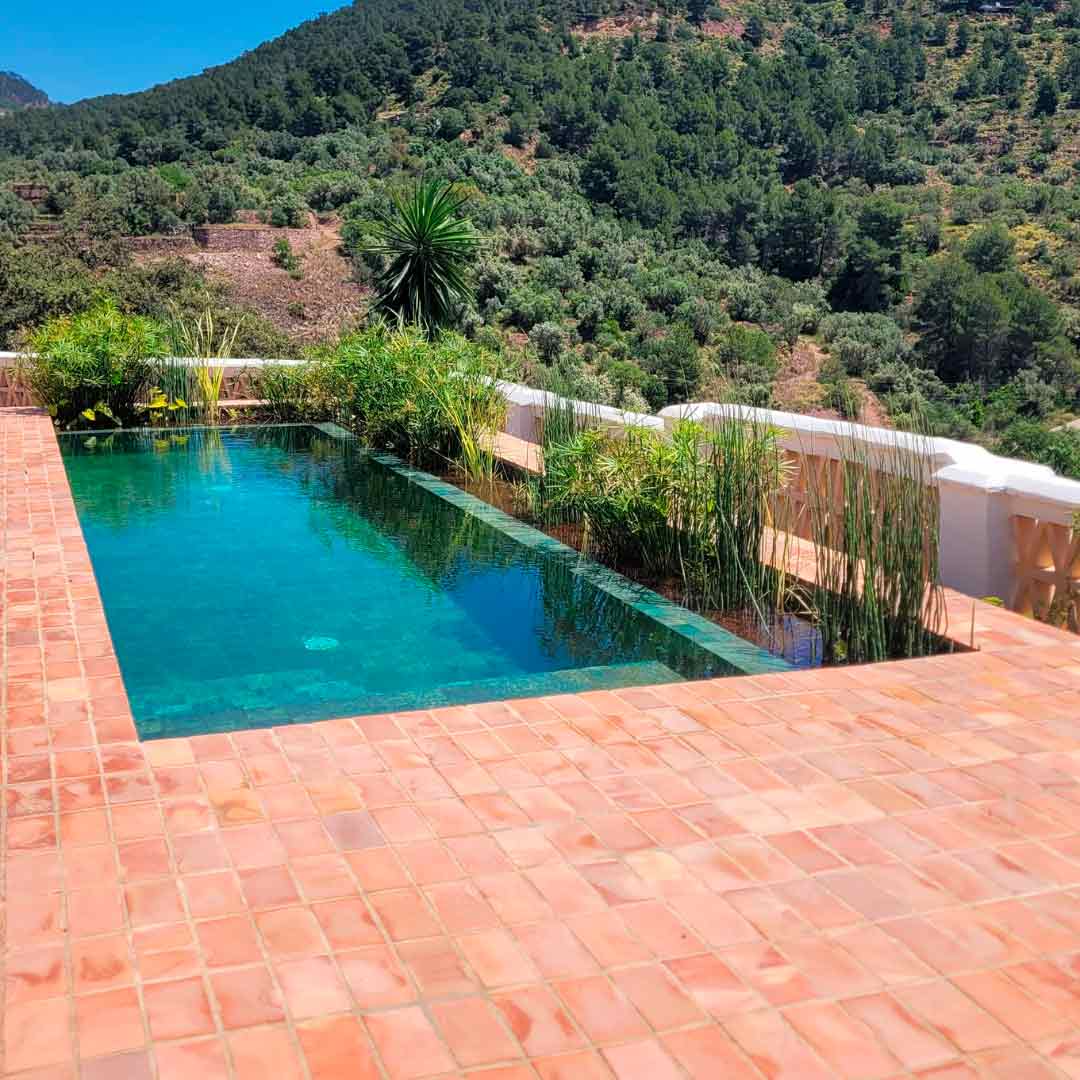
Discover ideas and trends to get the most out of tiles in your outdoor pool. From color combinations to decorative designs that will make all the difference. Visit our blog and find the inspiration you need to create a modern and functional space.
Go to the blogFeatured collection of wall and floor tiles
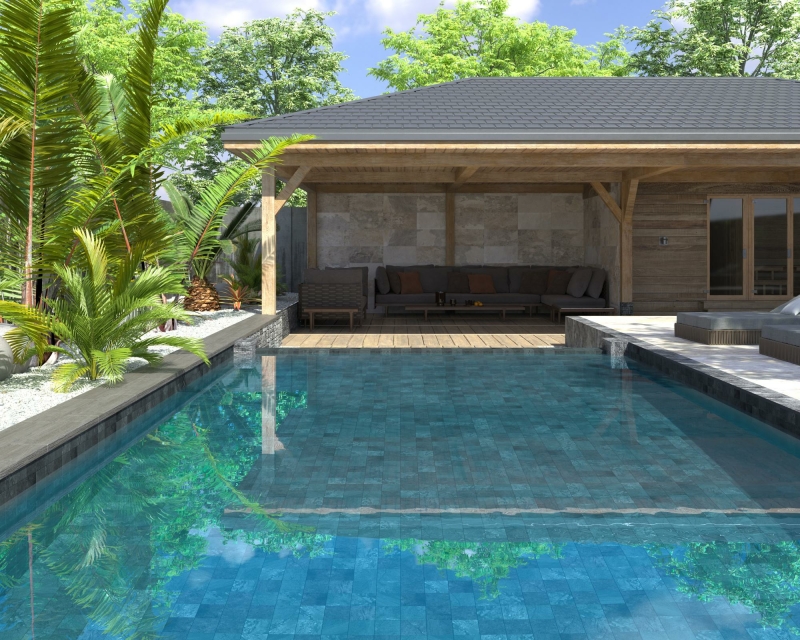
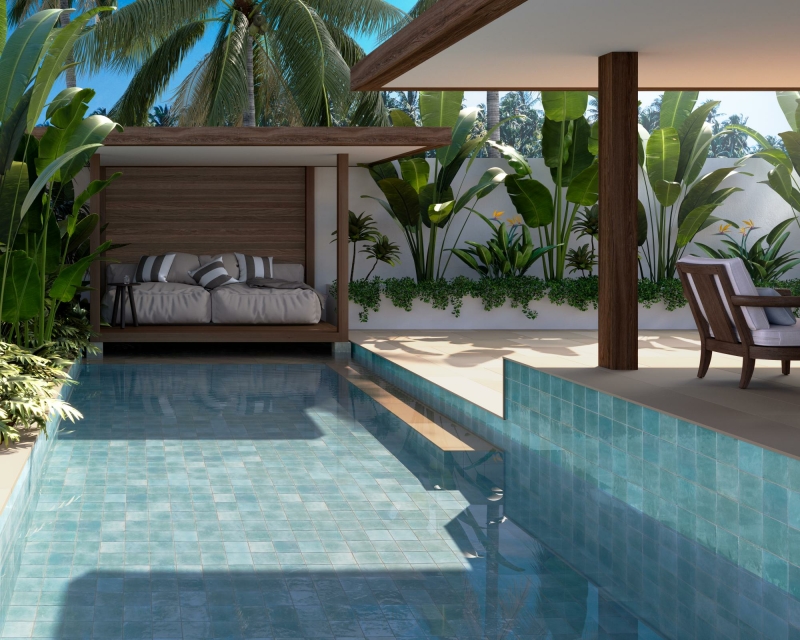
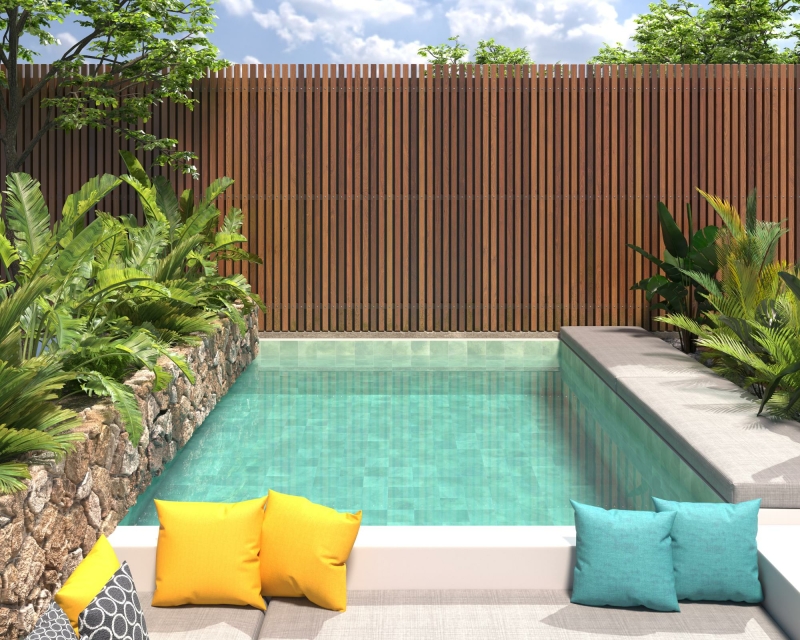
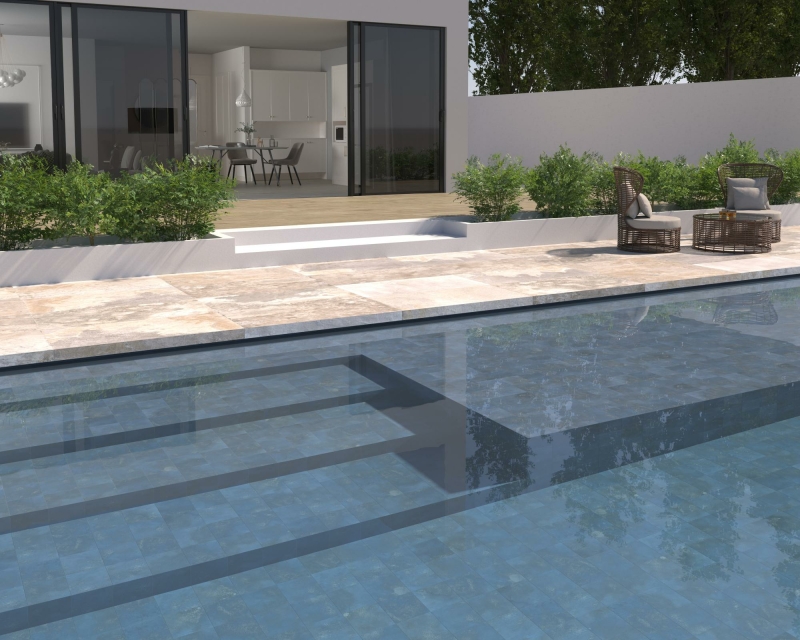
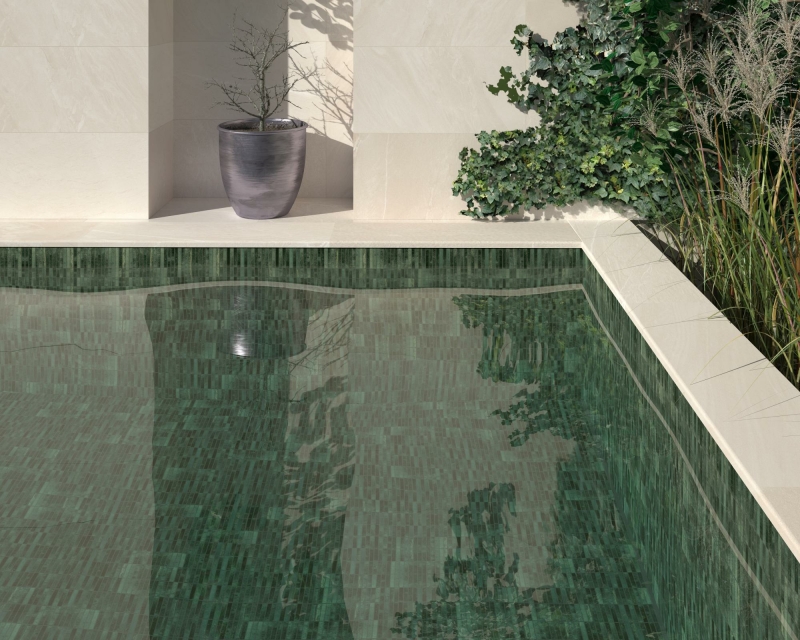
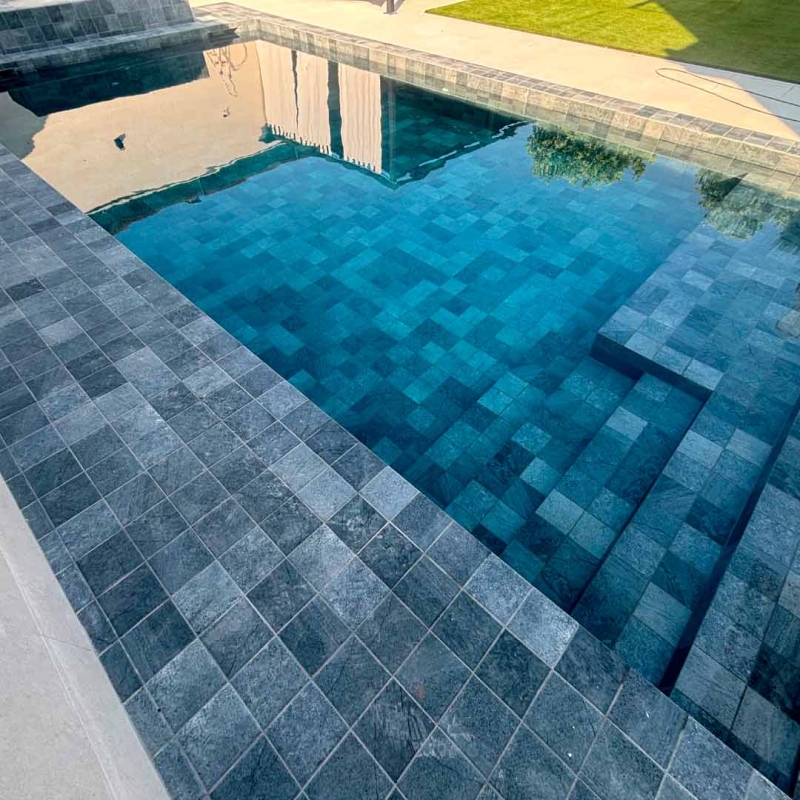
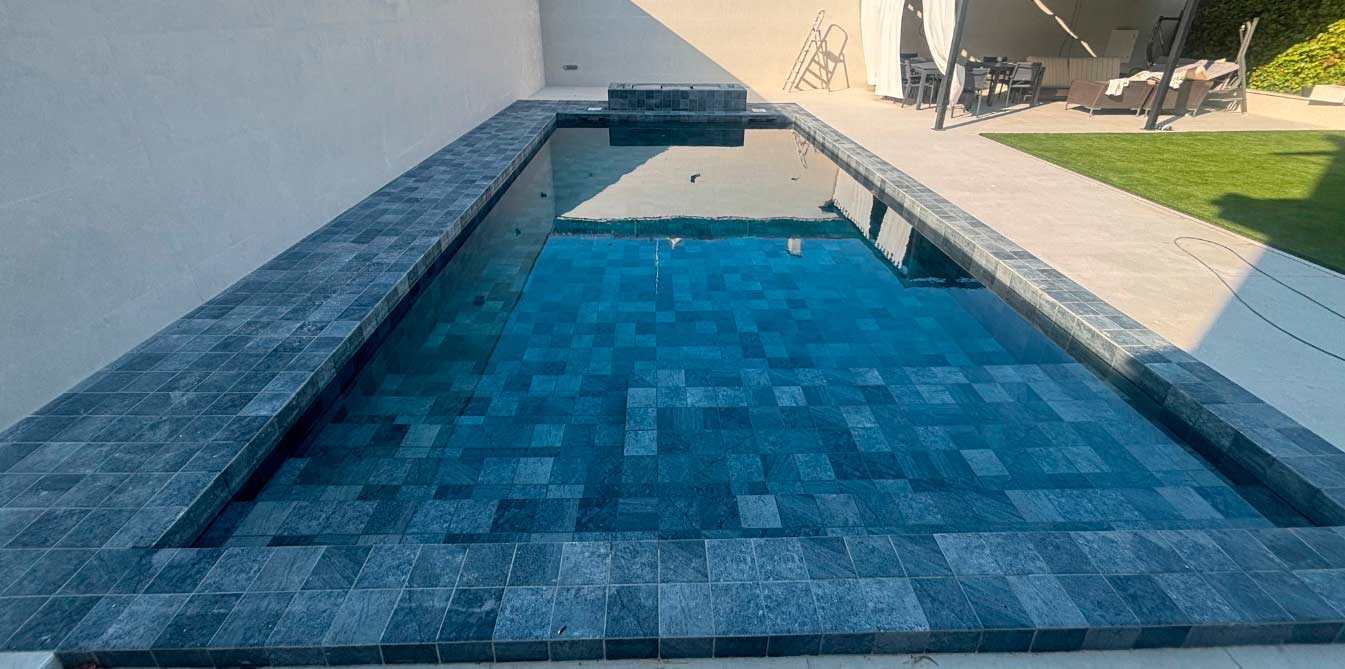
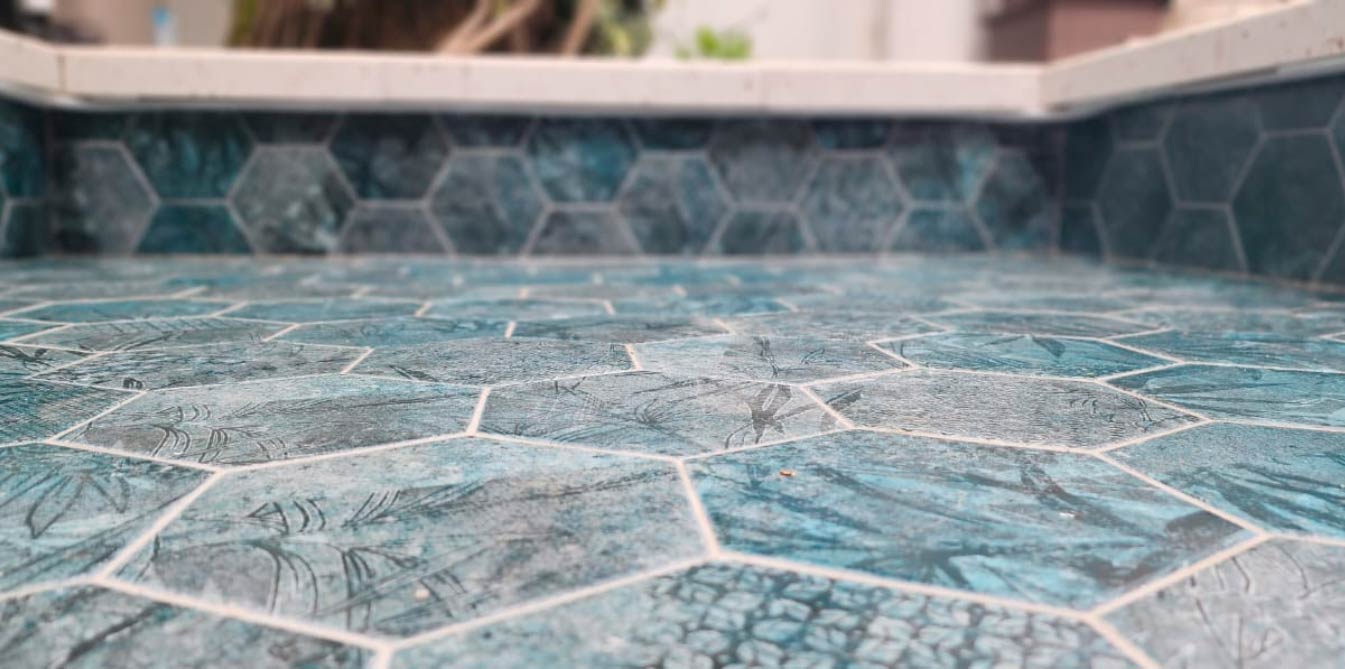
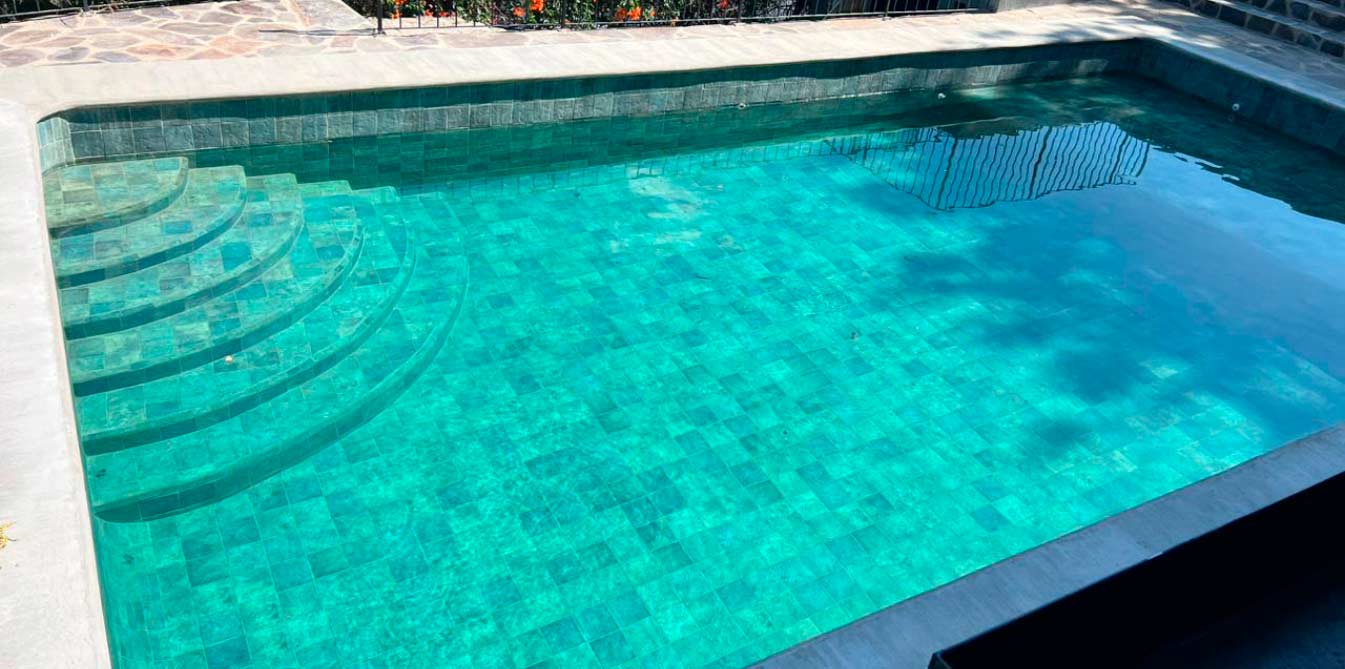
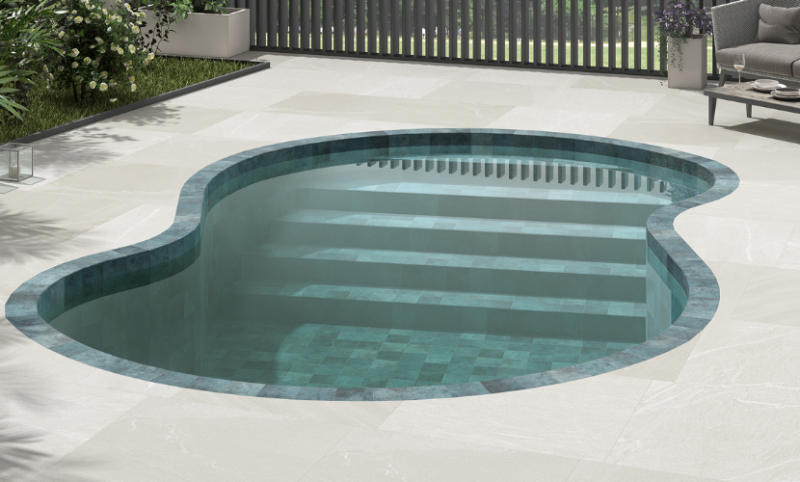
Tahiti suggests a pool tiles series inspired by the beautiful landscapes of this Pacific island and with an aspect that remember us of the Balinese stone, a complete trend in the pool’s design.
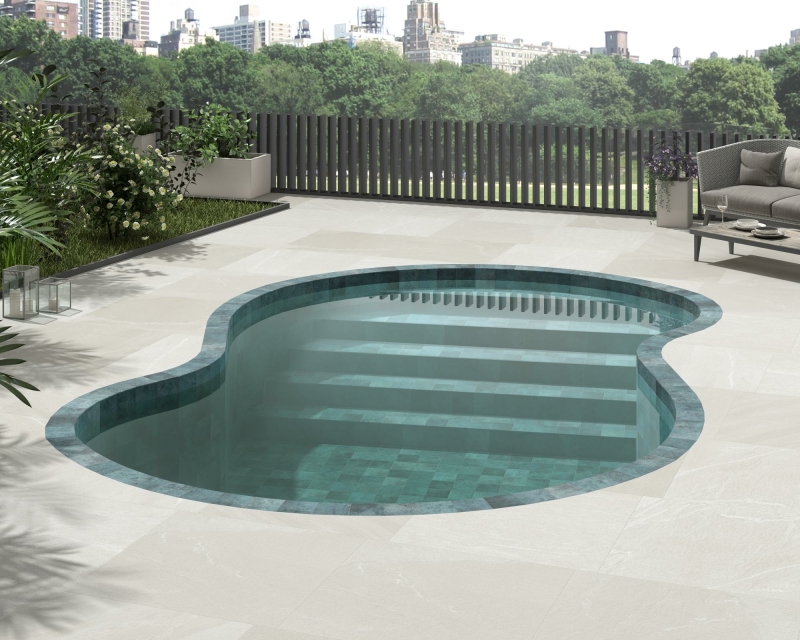
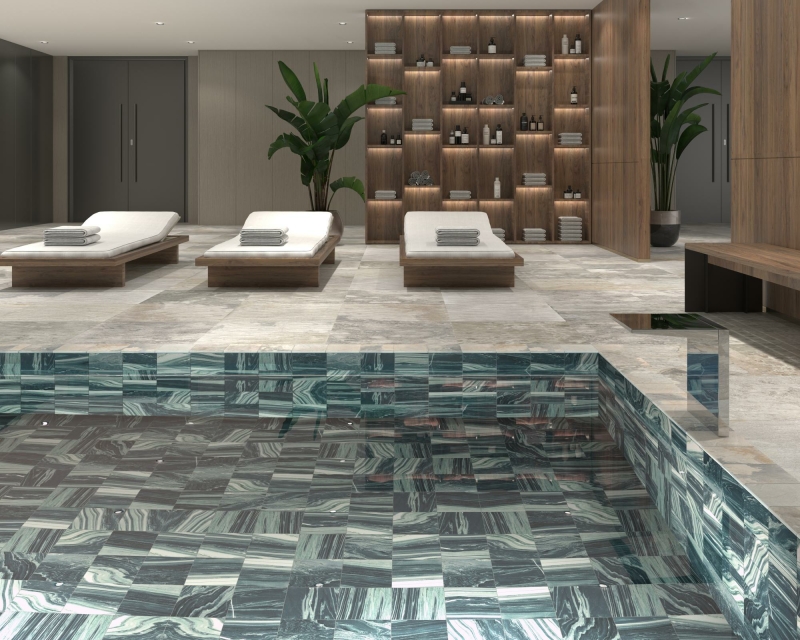
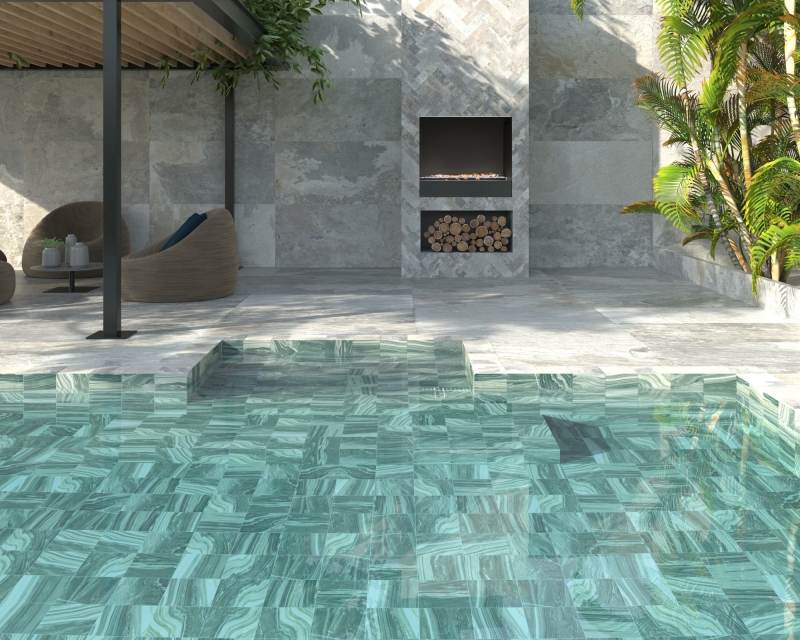
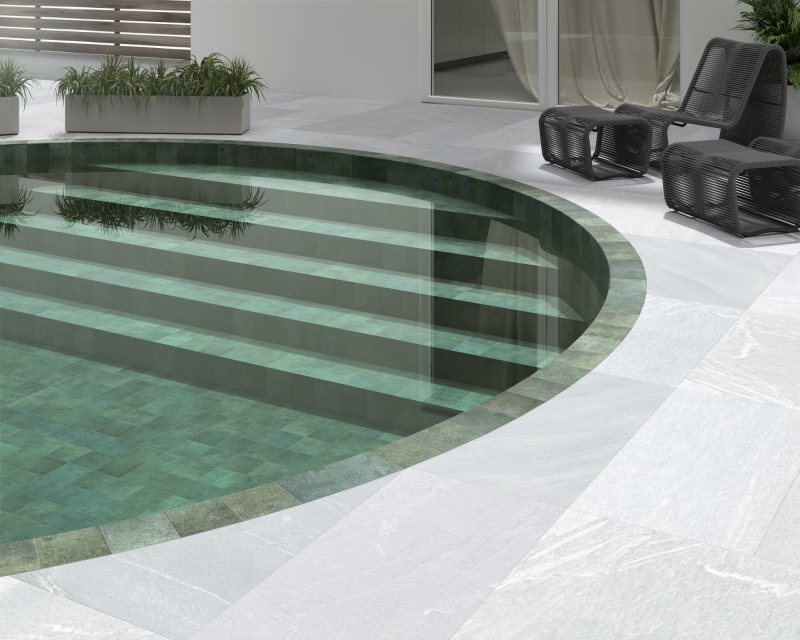
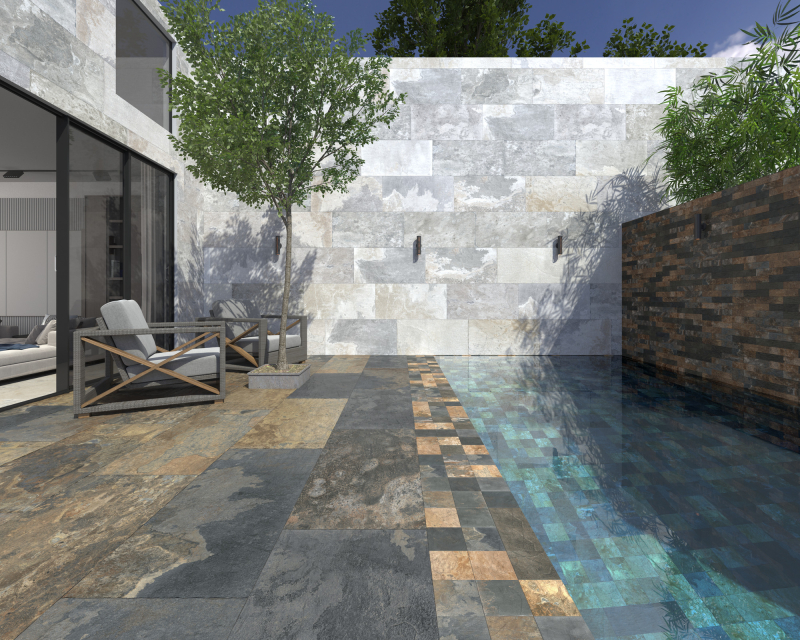
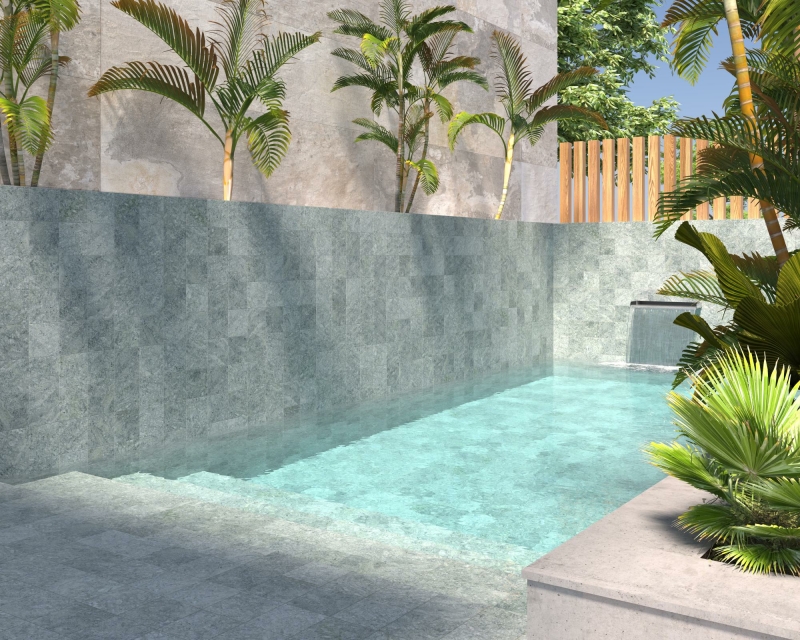
Bali is a series of tiles for pools and a variety of spaces, inspired by the beauty and natural properties of Bali or Sukabumi stone. Included in Shelter, it stands out for its rich graphic design, its inherent green color, and its undeniable aesthetic appeal, capable of enhancing any project, whether indoor or outdoor.
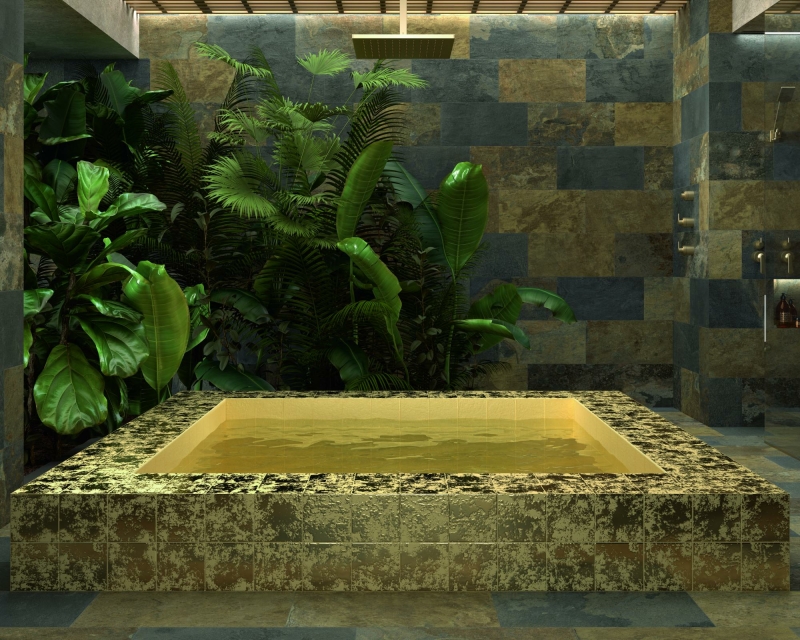
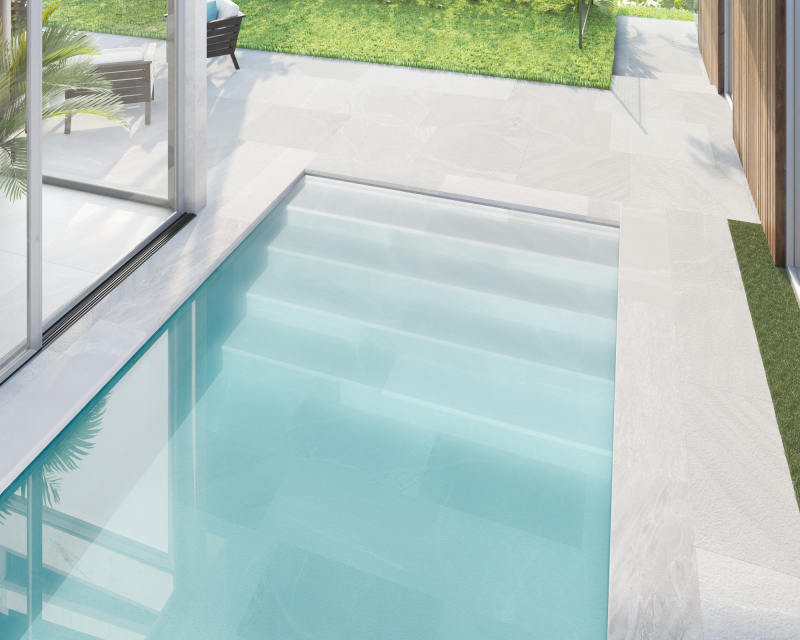
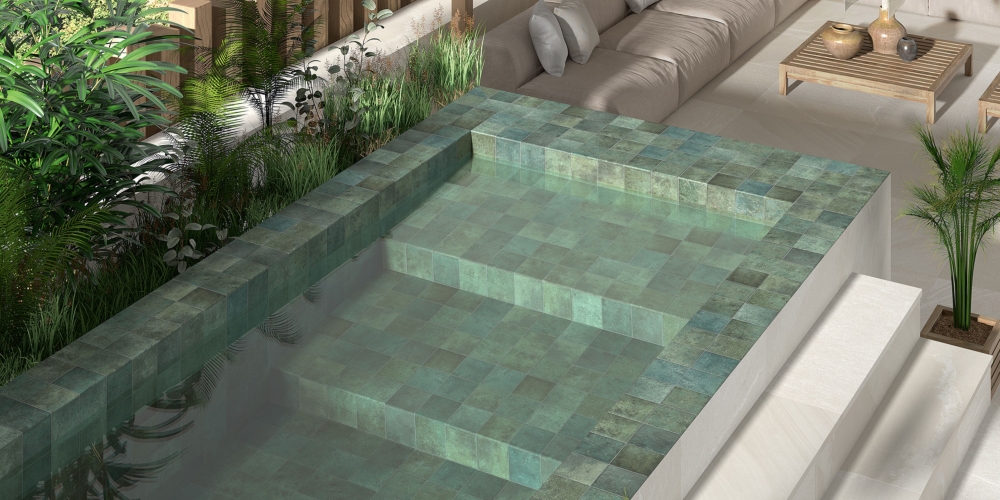
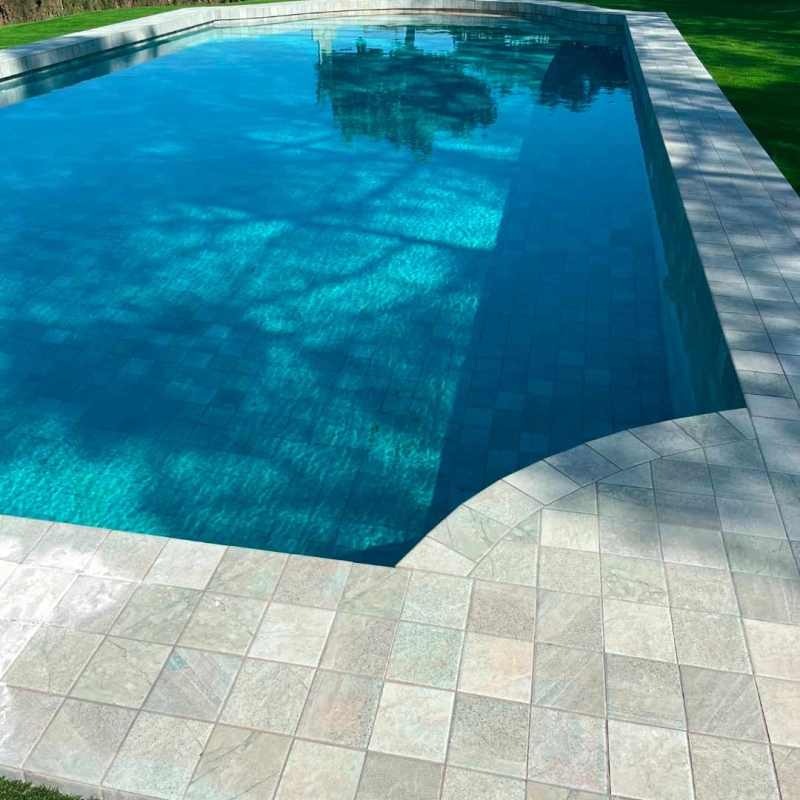
Inspired by the fascinating landscapes of Greenland, Greenland, the largest series in Shelter, offers a palette of six earth and water tones that capture the essence of these environments. With spectacular technical quality and colors, this series stands out for its material richness and versatility, transforming any space into a work of natural art.
Projects by the most prestigious designers
Which style do you prefer?