
Hydraulic tiles in the kitchen: stylish ways to incorporate them
Hydraulic tiles in the kitchen have the power to transform a space through colour, geometry and rhythm. Inspired by tradition yet reinterpreted through a contemporary lens, their designs turn floors and walls into surfaces full of personality, capable of defining the character of a kitchen in their own right.
Geometric, floral, colourful or in more neutral tones, hydraulic tiles offer endless possibilities for playing with composition and creating unique interiors. They can cover the kitchen floor, take centre stage on a backsplash or feature wall, visually define different areas or be introduced as a subtle decorative accent.
But how can they be incorporated without overwhelming the space? The key lies in finding the right balance between pattern, colour and materiality, combining them with the furniture and surrounding surfaces. In this article, we explore different ideas for decorating kitchens with hydraulic tiles, how to combine them and where to use them to create spaces with an identity of their own.
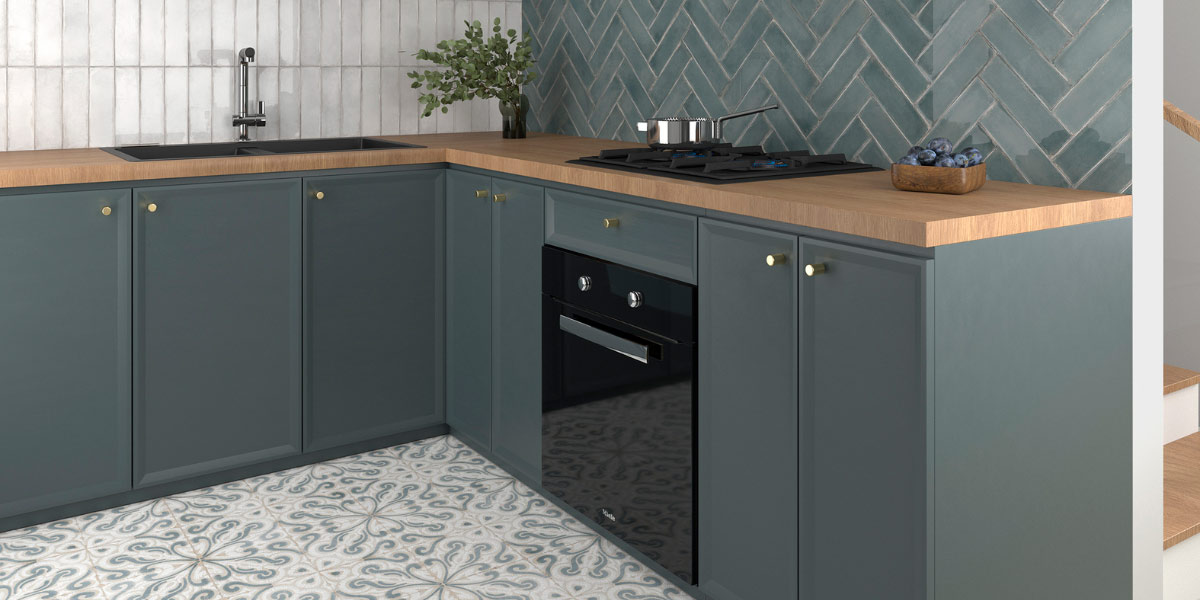
Why choose hydraulic tiles for the kitchen?
Hydraulic tiles for kitchens introduce colour, geometry and personality through patterns ranging from traditionally inspired designs to more contemporary compositions. Their strong graphic character makes them an especially interesting resource for creating distinctive surfaces and bringing visual rhythm to the space.
One of their greatest strengths is precisely their decorative versatility. Hydraulic patterns can become the focal point of the kitchen or be incorporated more subtly alongside materials such as wood, stone, marble or more neutral-looking surfaces. It all depends on the chosen design, the colour palette and the area in which they are used.
Beyond their aesthetic appeal, ceramic surfaces in the kitchen offer the performance required for a space designed for everyday use. Their ease of maintenance and wide range of applications make it possible to bring the hydraulic aesthetic to floors, walls, kitchen fronts and backsplashes.
This combination of functionality and design allows hydraulic tiles to work in kitchens with very different styles, from Mediterranean and vintage-inspired interiors to minimalist and contemporary spaces. The key is deciding what role they should play within the project: taking centre stage or acting as an accent capable of transforming the overall space.
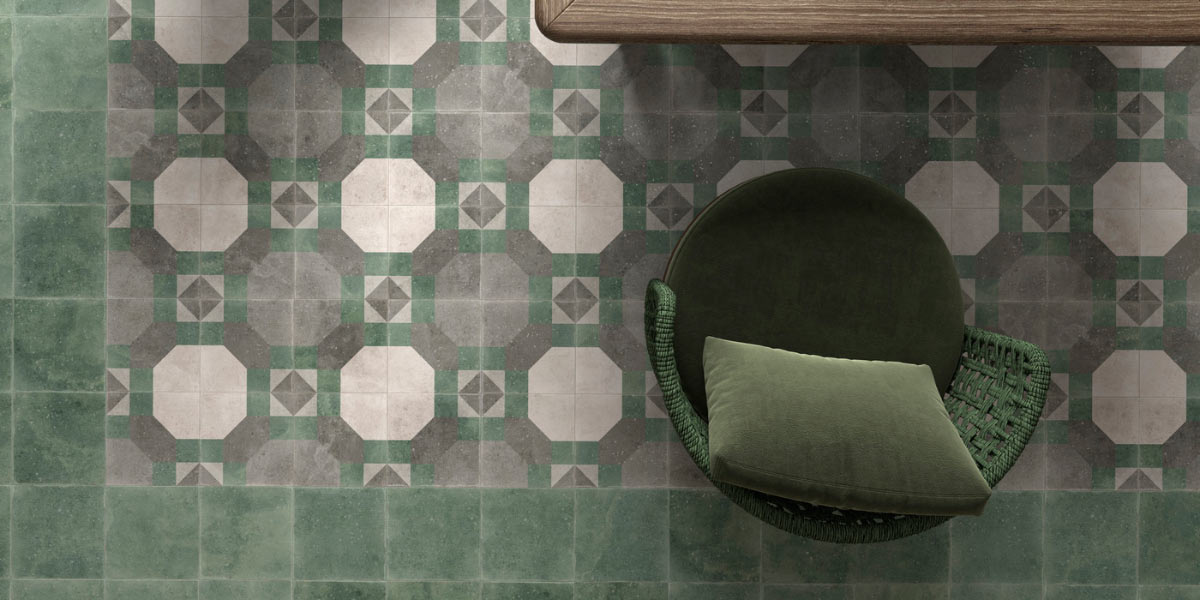
Where to use hydraulic tiles in the kitchen
Hydraulic tiles in the kitchen can be used on different surfaces depending on the effect you want to achieve: on the floor, as a backsplash, on the kitchen island or even to create a ceramic rug that visually defines different areas in an open-plan space. Let’s take a closer look at each option:
Hydraulic flooring in the kitchen
Hydraulic flooring in the kitchen turns the floor into a key design feature. Its patterns and colour combinations bring rhythm and personality to the space, especially when paired with more neutral furniture and surfaces.
Hydraulic kitchen floors work equally well in classic and contemporary interiors. In smaller spaces, simpler patterns can add dynamism without overwhelming the room, while larger areas provide the opportunity to experiment with more striking compositions and greater visual impact.
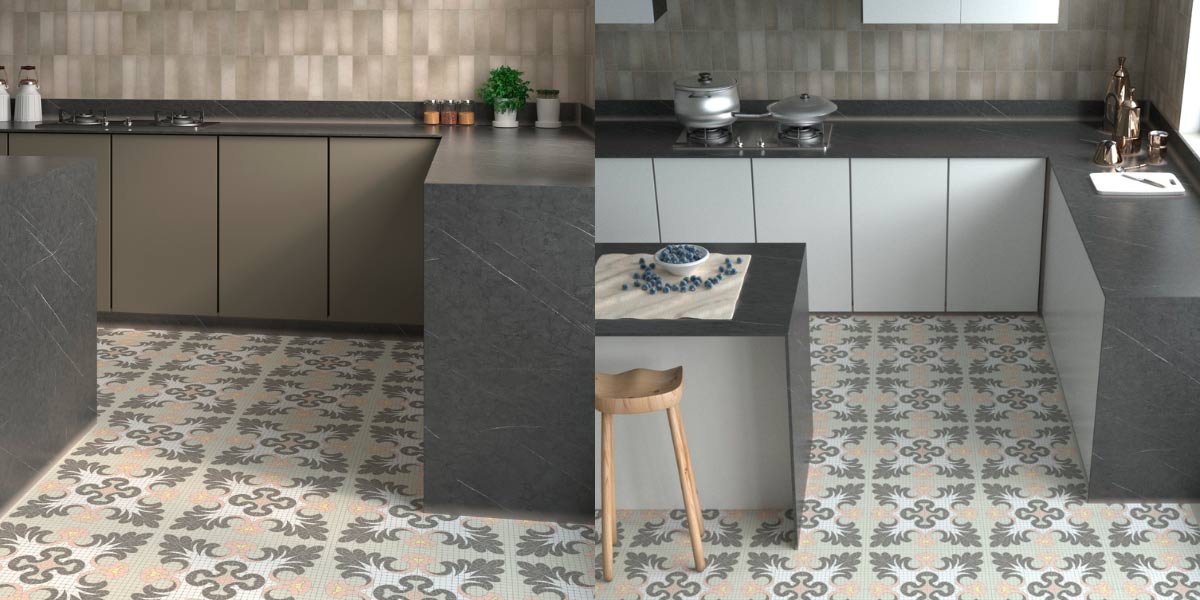
Kitchen backsplash
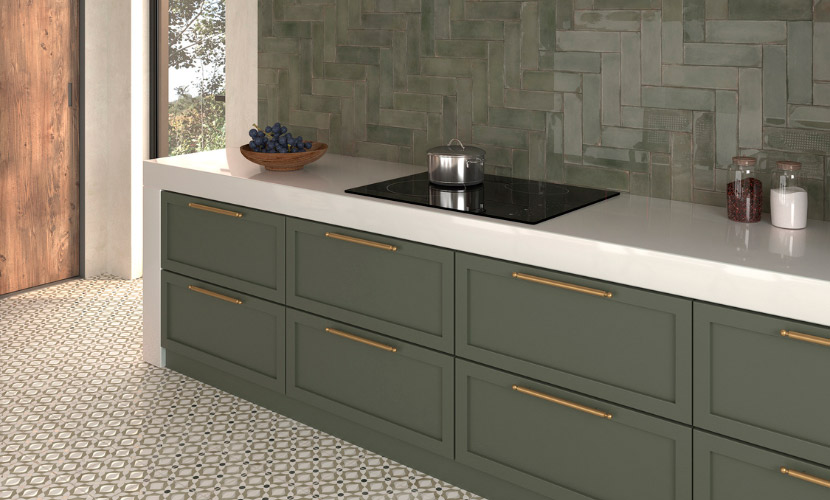
Using tiles for the kitchen backsplash is a classic choice, and opting for hydraulic tiles makes it possible to introduce pattern and colour in a more contained way. They can cover just the area between the worktop and the upper cabinets or extend across an entire wall to create a more immersive effect.
To achieve a balanced result, hydraulic tiles can be combined with simple cabinetry and neutral worktops, as well as wood or stone-inspired surfaces.
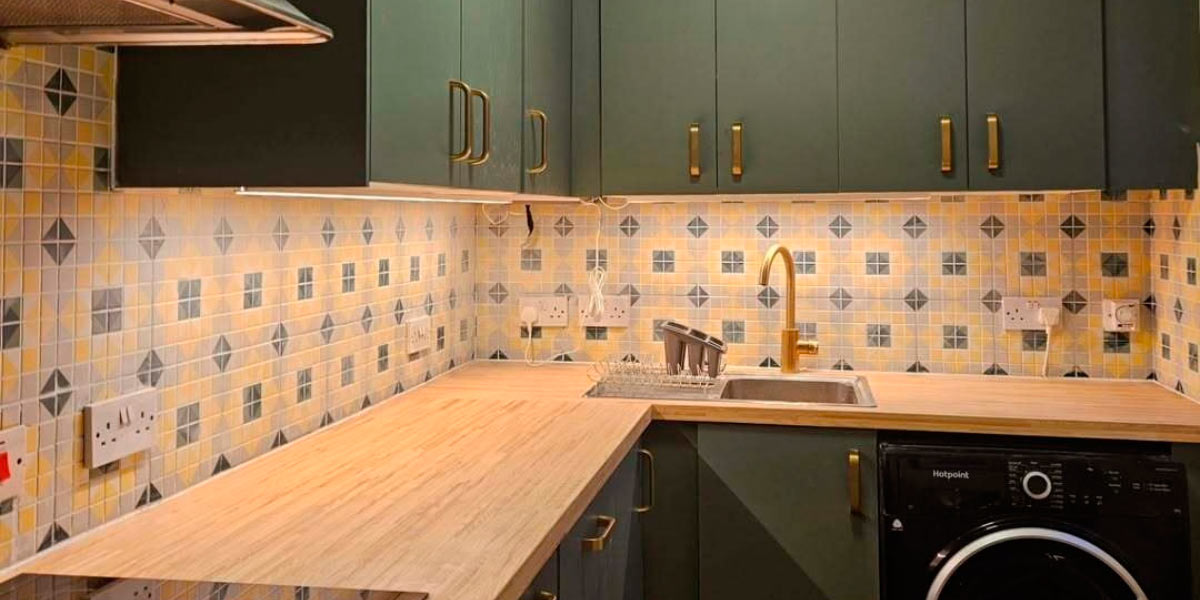
Kitchen island
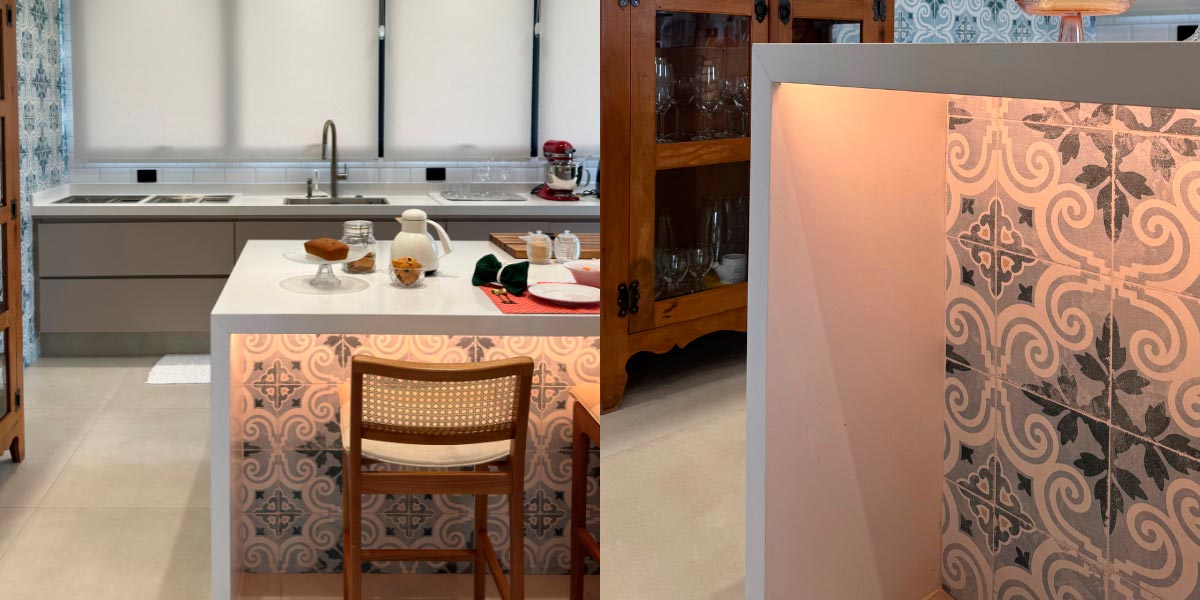
Cladding the front or sides of a kitchen island with hydraulic tiles can transform this functional element into a focal point. It is an especially interesting solution for open-plan kitchens, where the island is visible from adjoining spaces and can establish chromatic connections with the floor, backsplash or other materials used throughout the interior.
A hydraulic tile rug to define different areas
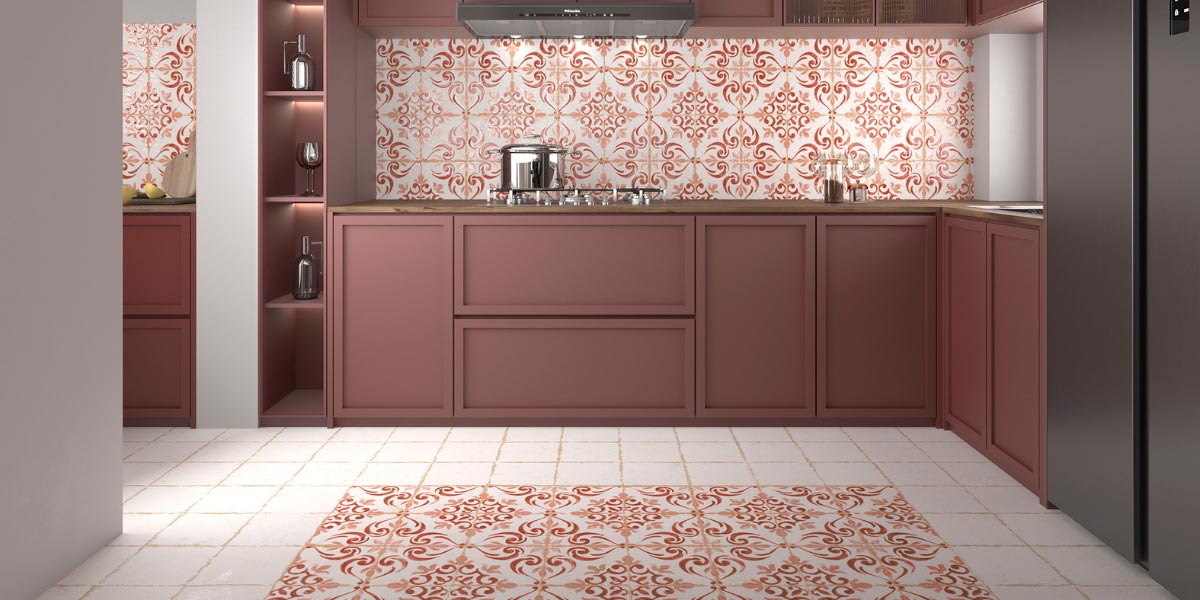
A hydraulic tile rug concentrates the pattern within a specific area of the floor, visually distinguishing it from the surrounding surface. It is an especially useful solution for defining the kitchen area in open-plan spaces connected to the living or dining room.
Combined with wood, stone or neutral ceramic surfaces, it makes it possible to differentiate different areas without the need for physical partitions.
How to combine hydraulic tiles in the kitchen
In kitchens with hydraulic tiles, finding the right balance between patterns, colours and materials is essential. The key is to decide which surface will take centre stage and use the remaining elements to complement it. Wood, white and neutral tones are some of the best choices for creating a harmonious overall look.
- Hydraulic tiles and wood. Combining hydraulic tiles with wood balances the graphic character of the patterns with the warmth of a natural material. A hydraulic tile floor can be paired with wooden cabinetry or, alternatively, the tiles can be reserved for the backsplash. Earthy tones, beige, greens and blues work particularly well alongside different wood finishes.
- Hydraulic tiles and white kitchens. White kitchens with hydraulic tiles are a great way to introduce colour and dynamism while maintaining a bright, light-filled aesthetic. White acts as a neutral backdrop, allowing the pattern to take centre stage. Hydraulic tiles can be used on the floor or backsplash and, depending on the design, can create anything from a retro-inspired look to a fully contemporary kitchen.
- Hydraulic tiles and neutral colours. Beige, grey, sand, cream and off-white help soften the visual impact of hydraulic tiles. If the pattern is used on the floor, neutral tones can be reserved for the cabinetry and walls. If the hydraulic tiles appear on the backsplash, a more understated floor will help create a balanced overall composition.
Hydraulic tiles in modern kitchens: beyond the retro style
For a long time, hydraulic tiles in the kitchen have been associated with classic interiors, period homes and vintage-inspired spaces. However, their possibilities go far beyond this aesthetic. The evolution of designs and colours and, above all, the way they are combined with other materials has transformed hydraulic tiles into a versatile design resource capable of adapting to very different decorative styles.
The key lies in the context. The same pattern can take on a completely different character depending on the furniture, materials, colour palette or surface on which it is used. From kitchens with a nostalgic feel to Mediterranean, rustic or distinctly contemporary interiors, these are some of the ways to incorporate hydraulic tiles according to the style of the kitchen.
Retro kitchens: bringing back the charm of the past
This is perhaps their most recognisable setting. In a retro-style kitchen, hydraulic tiles can bring back the graphic character and love of colour associated with past eras without having to recreate their interiors literally.
Geometric patterns, floral motifs and ornamental compositions can cover the floor or be used on the kitchen backsplash to become one of the main focal points. Greens, blues, terracotta tones, mustard shades or more contrasting colour combinations can help reinforce this character.
To avoid creating an overly themed interior, a good approach is to balance the visual impact of hydraulic tiles with simple cabinetry, wood or plain surfaces. In this way, references to the past coexist with contemporary elements, creating a kitchen with an identity of its own.
Mediterranean kitchens: colour, naturalness and materiality
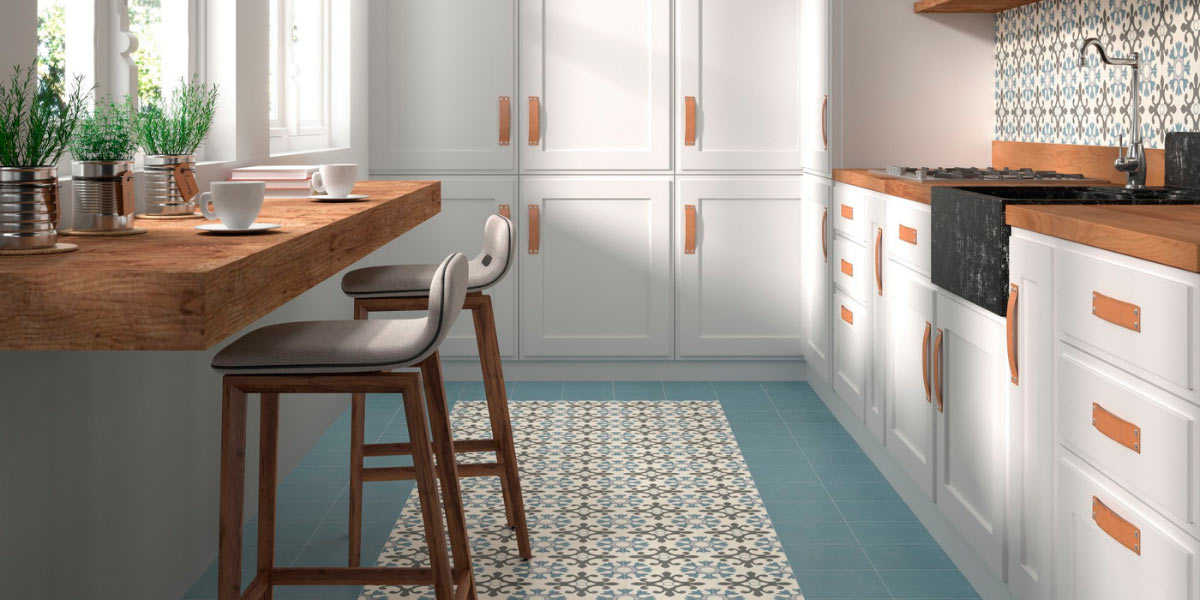
Hydraulic tiles also find a natural place in Mediterranean-style kitchens, especially when they feature colours inspired by the surrounding landscape: blues, greens, sandy tones, whites or terracotta shades.
Combined with wood, natural fibres, light-coloured walls and ceramics with an artisanal appearance, they help create bright, relaxed interiors. Here, the pattern does not need to be particularly complex: a simple geometry or a balanced colour combination can be enough to introduce movement and reinforce the sense of naturalness.
Rustic kitchens: tradition reinterpreted
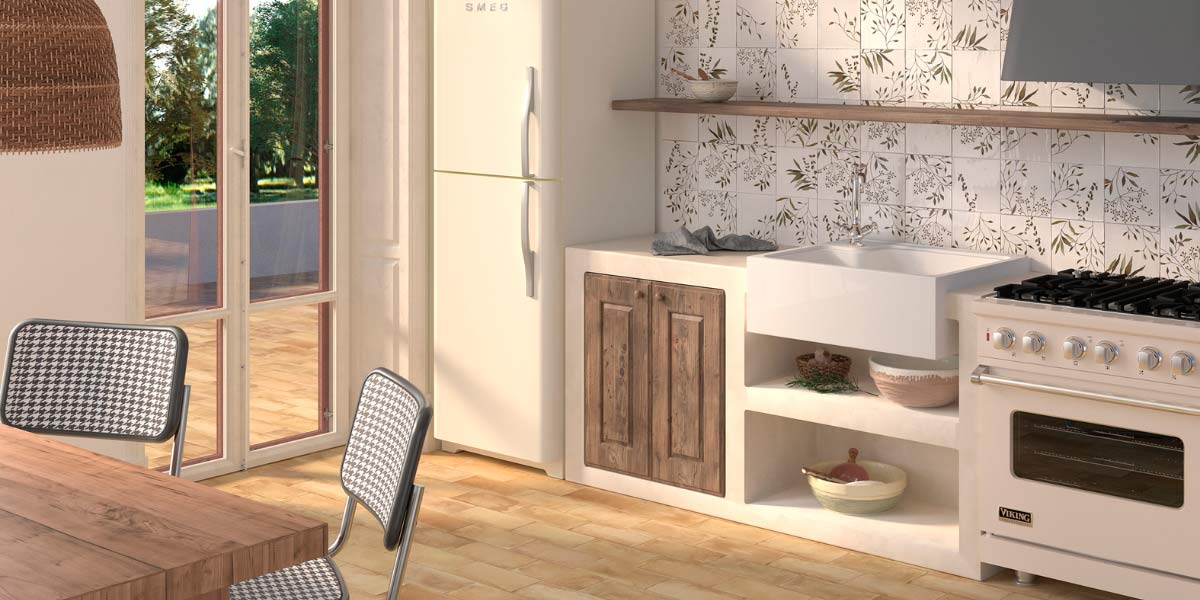
In rustic kitchens, hydraulic tile designs can complement materials with a strong tactile and material presence, such as wood, stone or aged finishes.
Rather than aiming for a purely traditional aesthetic, the contrast between these materials and a hydraulic pattern can give the style a more contemporary feel. Used on the floor, hydraulic tiles can provide continuity and character; on the backsplash, they introduce a decorative detail that contrasts with more understated surfaces. The result can range from Mediterranean-inspired rustic kitchens to more contemporary spaces where tradition and design coexist naturally.
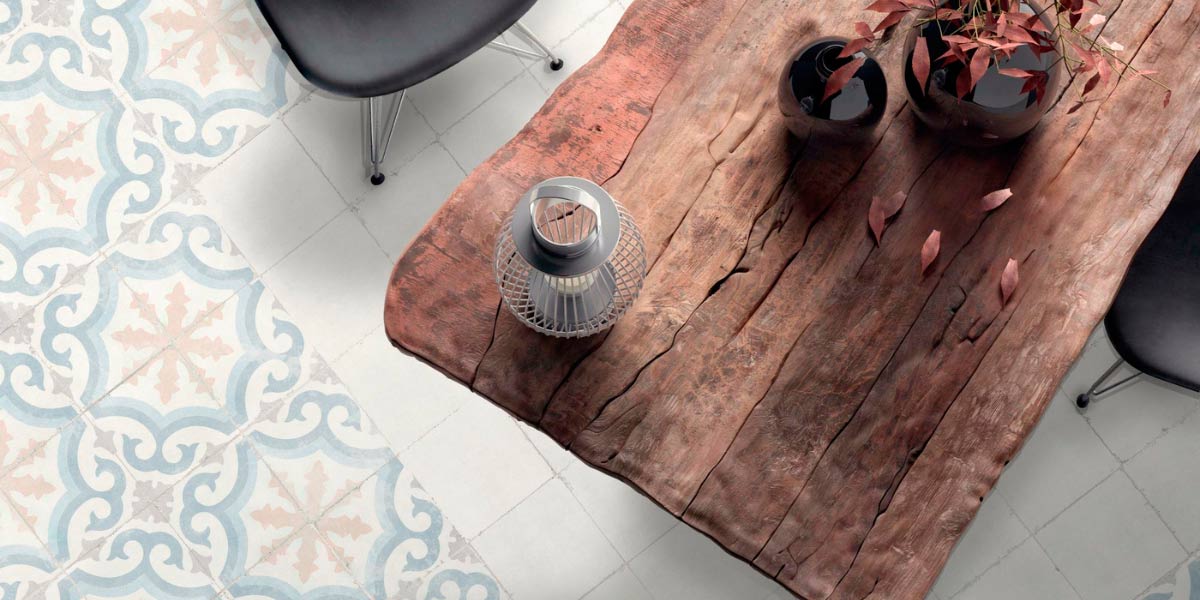
Contemporary kitchens: hydraulic tiles as a contrasting element
In a modern, minimalist kitchen, hydraulic tiles can play precisely the opposite role: breaking up visual uniformity.
Against smooth cabinetry, continuous worktops and clean architectural lines, a geometric pattern introduces rhythm and creates a focal point. In these spaces, it often works particularly well when concentrated in a specific area —the kitchen backsplash, a section of the floor or the island— while keeping the remaining surfaces visually cleaner.
Another option is to choose hydraulic tile designs in neutral tones or simple geometric compositions for a more understated effect. In this way, hydraulic tiles move away from their retro associations and become a fully contemporary graphic design element.
What colour hydraulic tile should you choose for the kitchen?
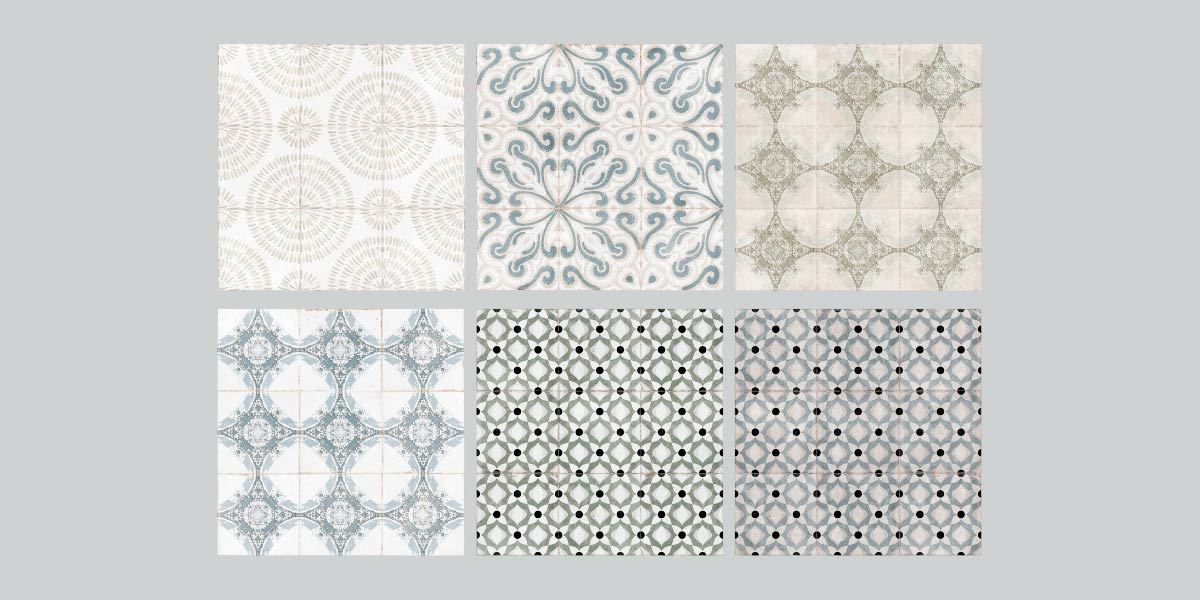
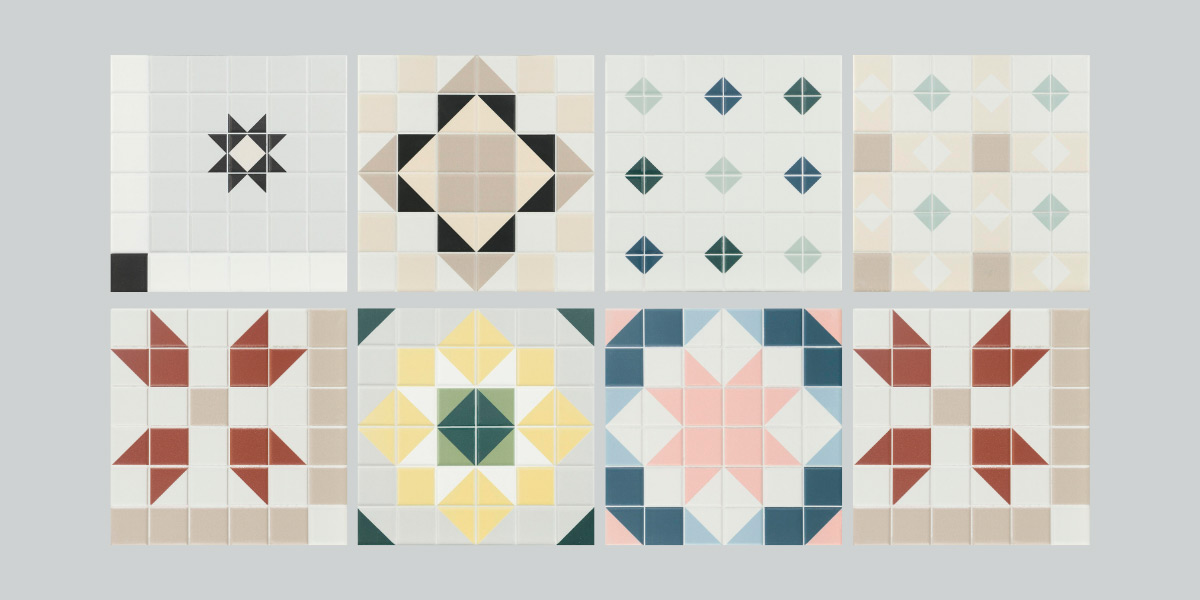
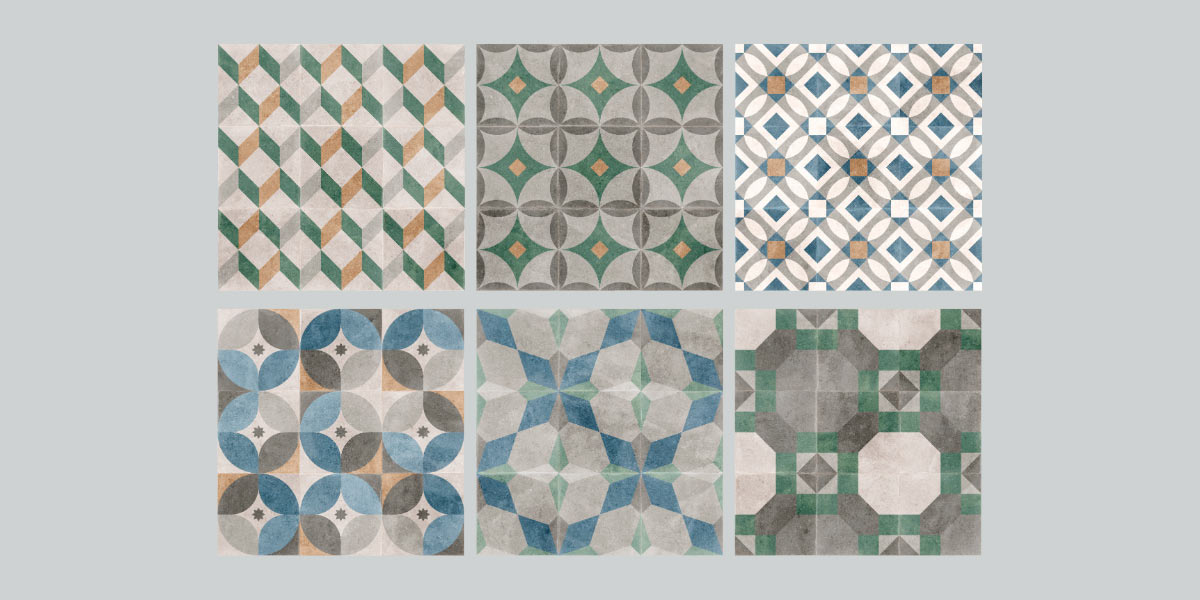
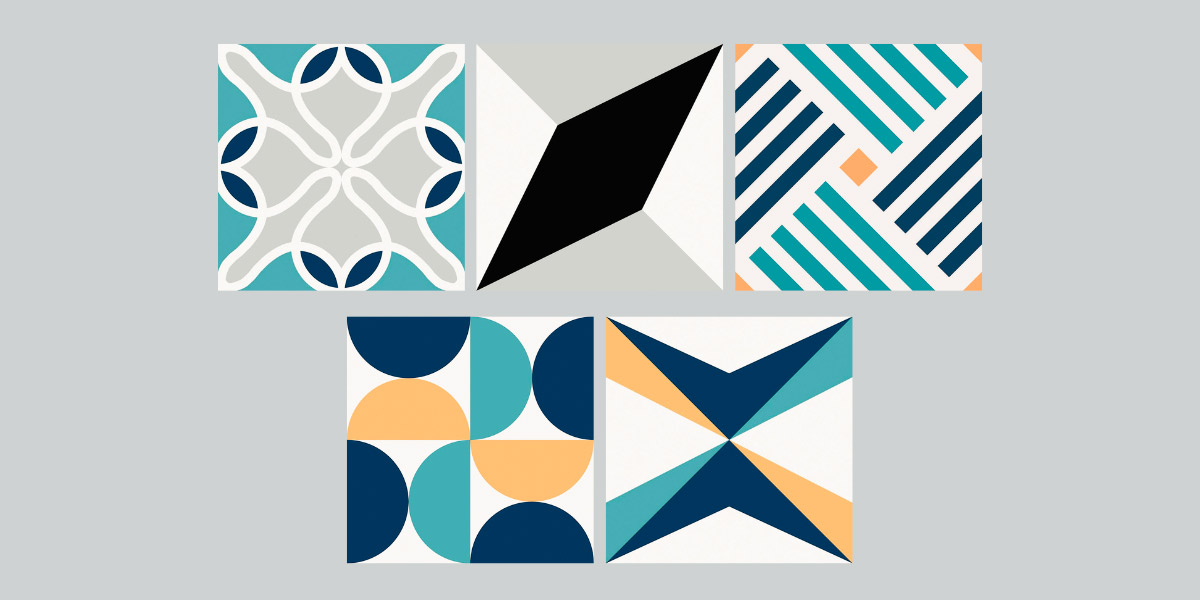
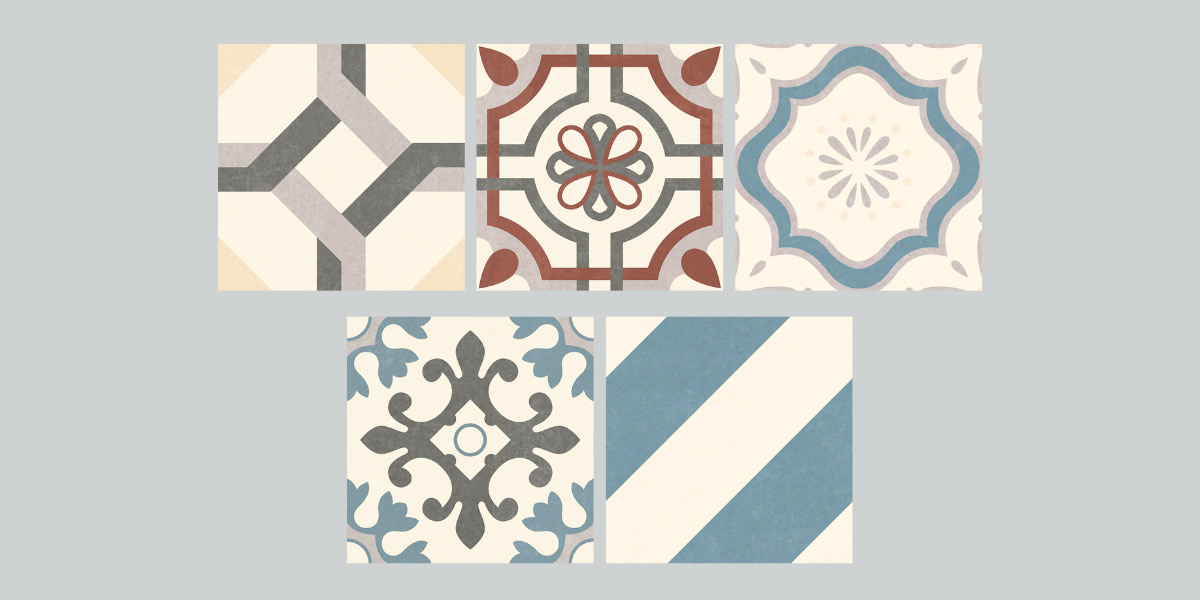
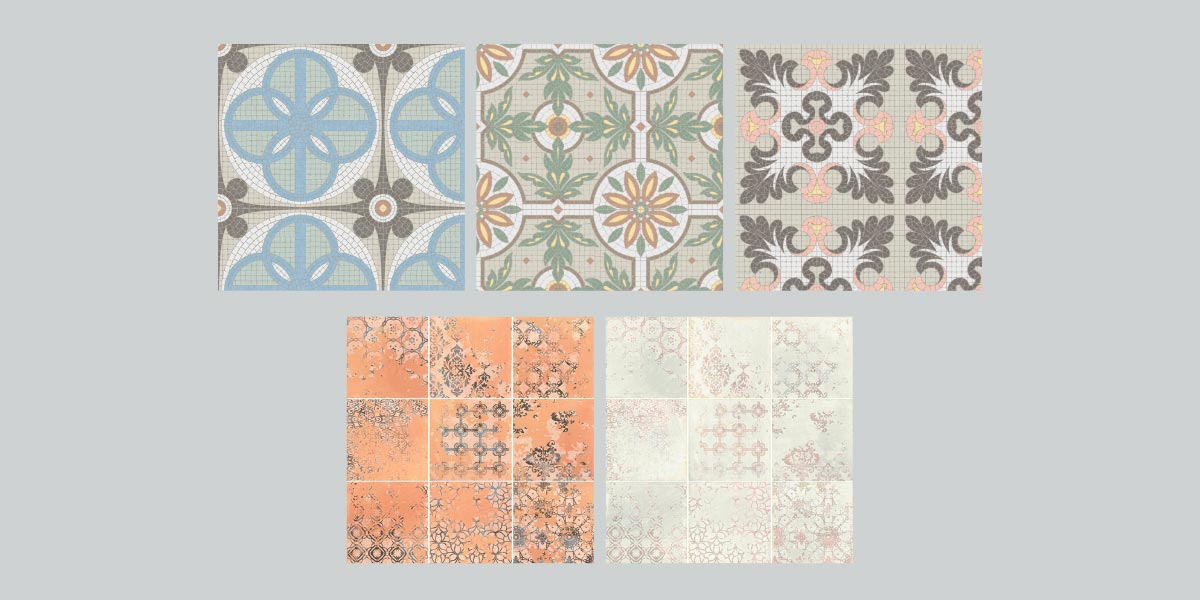
Colour can completely change the way a kitchen is perceived. The choice should take into account the atmosphere you want to create, as well as the furniture, worktop and materials that will accompany the design. Blues, greens, earthy tones, black and white or multicoloured compositions can all create very different effects.
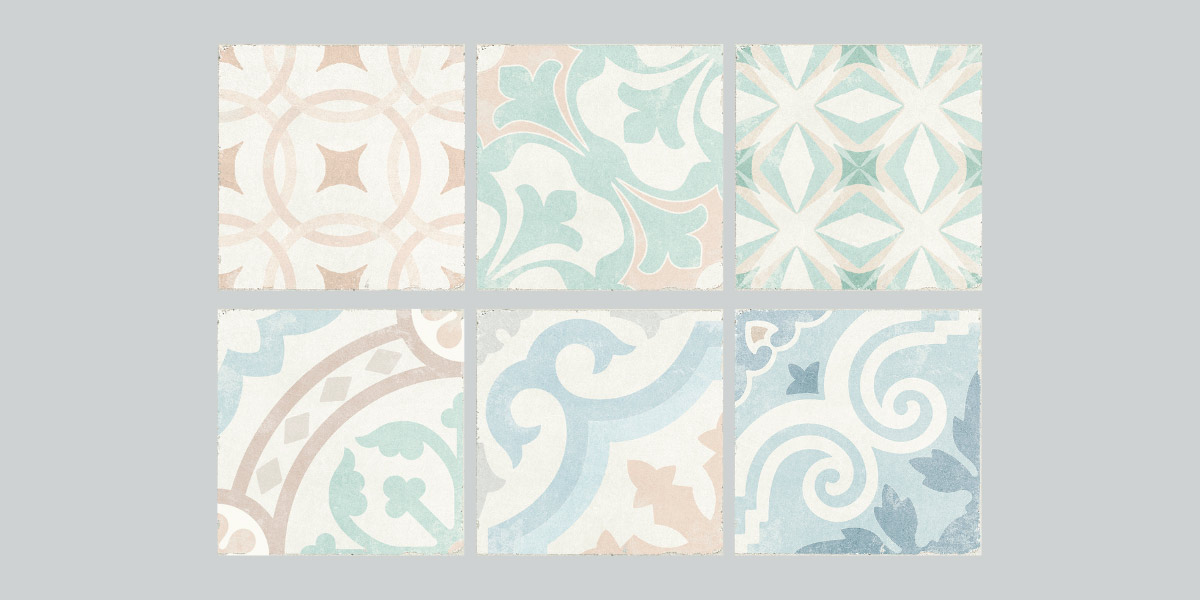
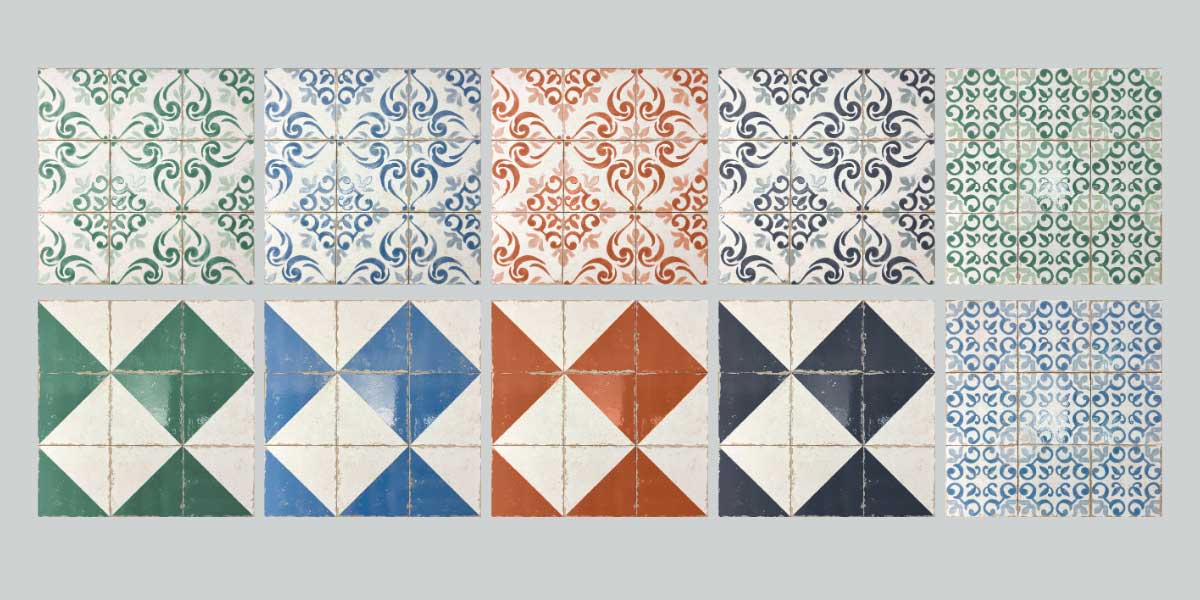
- Blues and greens. Blue and green hydraulic tiles bring freshness and depth to the space and work particularly well with wood and stone. Used on the floor, they can become the common thread running through the entire kitchen; on the backsplash, they offer a more subtle way to introduce colour. Whites, sandy tones and light woods help create a balanced overall look.
- Earthy tones and terracotta. Ochre, sand, clay and terracotta tones bring warmth and establish a direct connection with natural materials. Combined with wood, stone and neutral surfaces, they can create welcoming kitchens with a distinctly Mediterranean feel, in both retro-inspired and contemporary interiors.
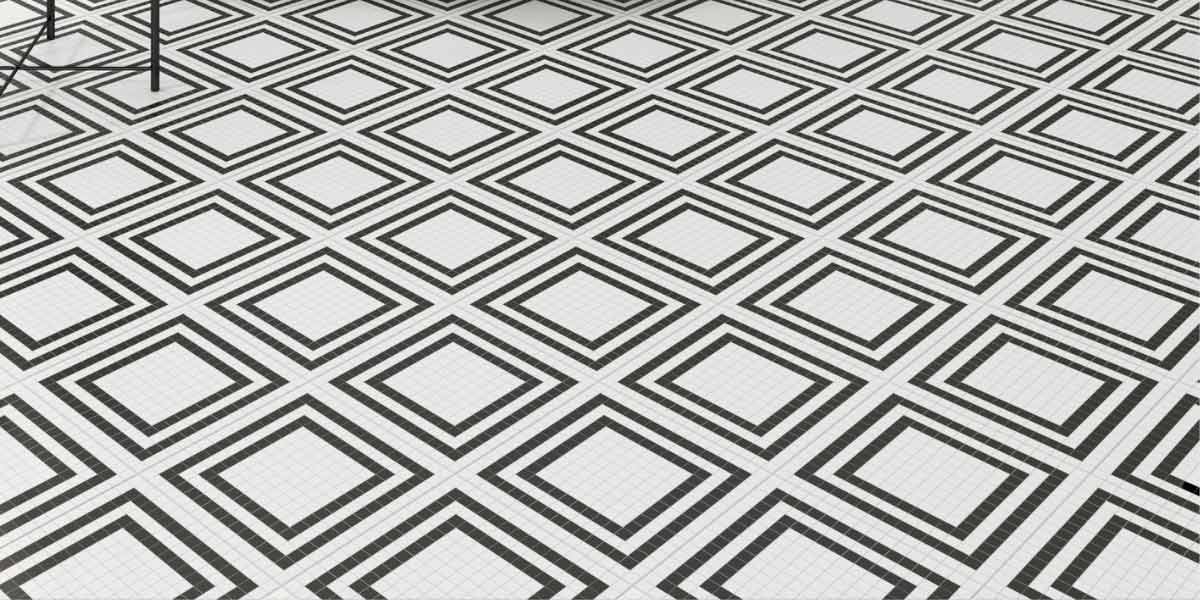
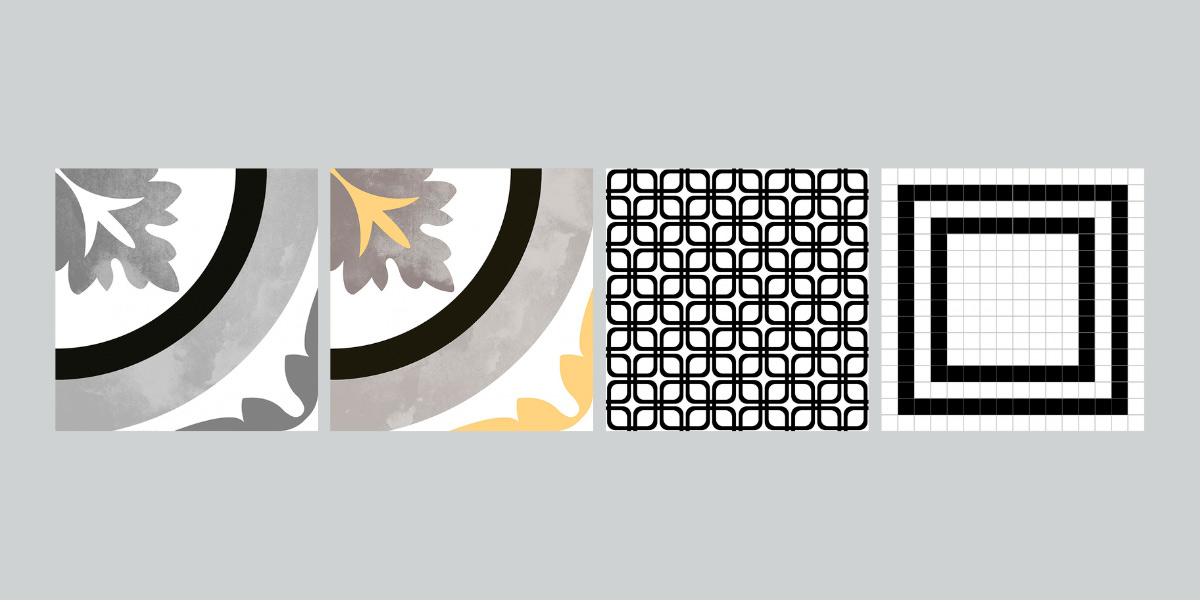
- Black and white. Black and white hydraulic tiles place the emphasis on geometry. Their contrast makes it possible to create graphic compositions full of personality without relying on colour. They can be combined with white, black or wooden cabinetry and work equally well in contemporary kitchens and vintage-inspired interiors.
- Multicoloured hydraulic tiles. Multicoloured hydraulic tiles turn ceramic surfaces into a focal point and bring dynamism to the floor or backsplash. To achieve a balanced result, it is best to pair them with more understated surfaces and repeat one or more of the colours from the pattern in smaller elements throughout the kitchen.
How to choose hydraulic tiles: projects to inspire you
When choosing hydraulic tiles for the kitchen, it is important to consider the size of the pattern, the colours, the surface you want to cover and how the tiles will interact with the other materials in the space.
These real-life projects show different ways to incorporate hydraulic tile designs into the kitchen.
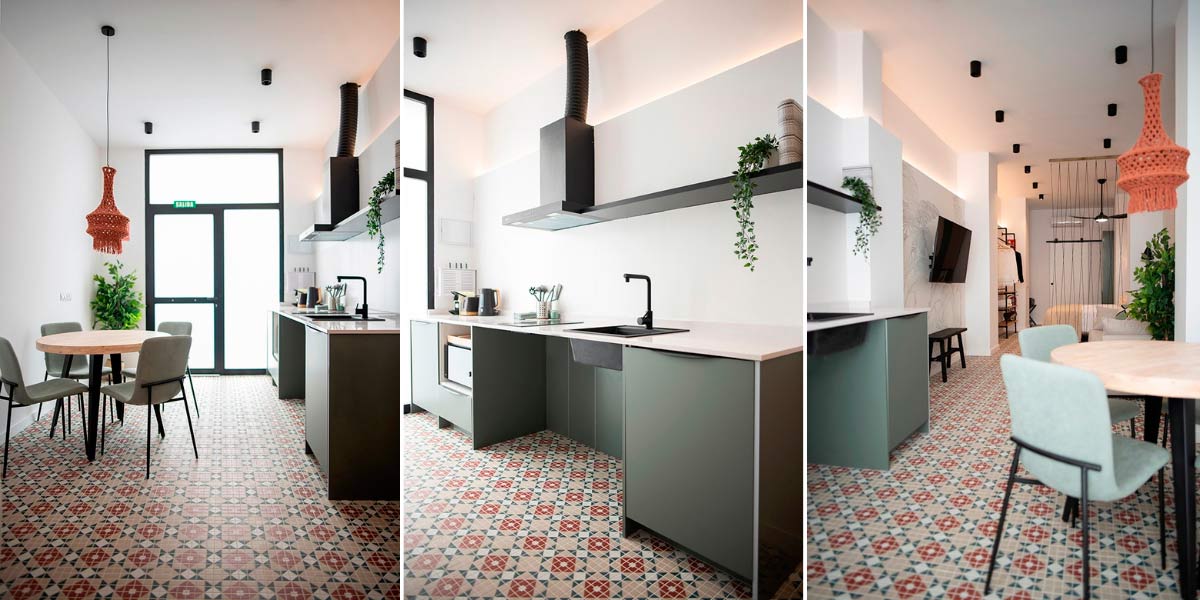
Tourist apartment in Valencia
In this project, the hydraulic tile floor connects the kitchen, dining area and relaxation space. Its geometric pattern in reddish, blue and neutral tones works alongside green, wood and white walls, creating visual continuity throughout the interior.
Turia: hydraulic inspiration in a contemporary kitchen
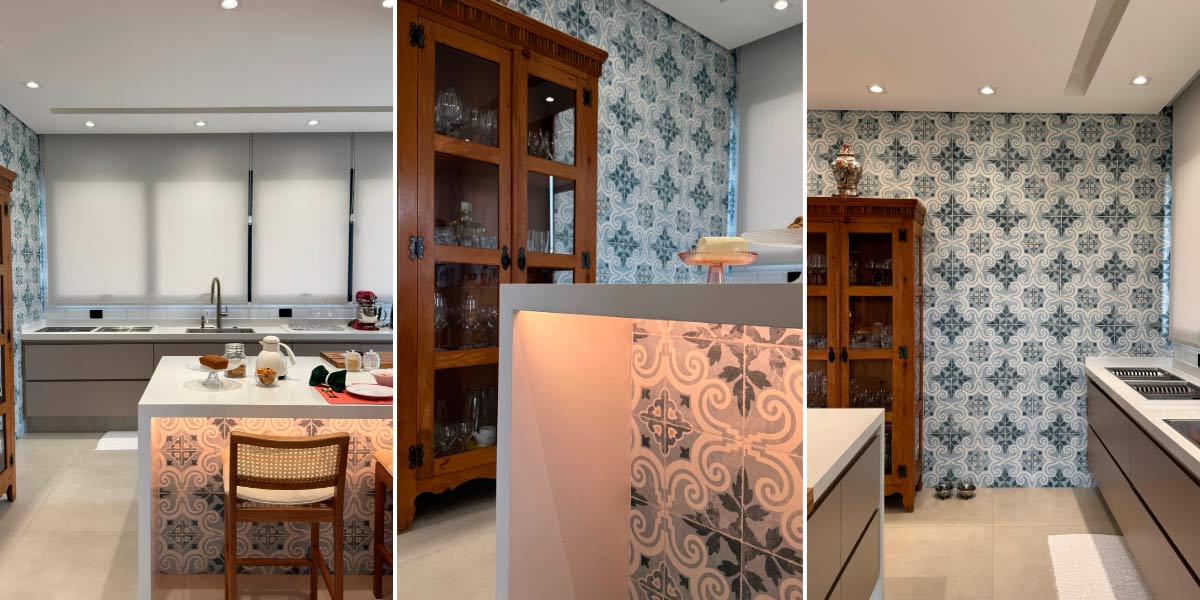
The Turia design, with its geometric and floral ornamental pattern, covers both the wall and the front of the island in this contemporary kitchen. In this kitchen project, our hydraulic tile, combined with neutral cabinetry, white and wood, introduces a Mediterranean, artisanal touch while maintaining the contemporary character of the overall space.
A hydraulic tile floor as the focal point
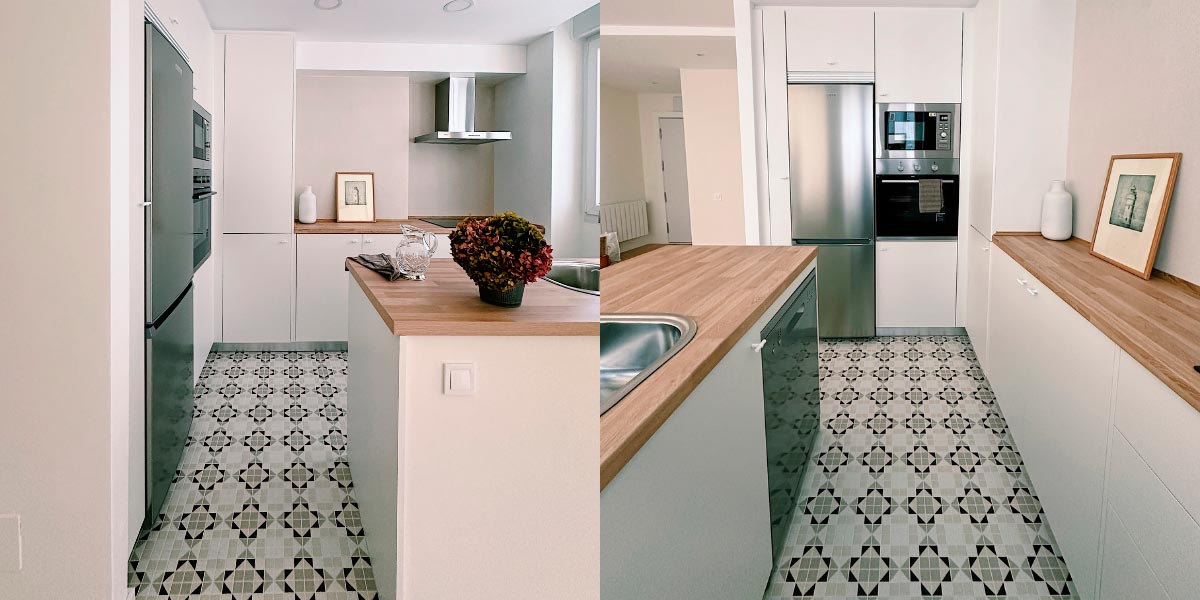
In the kitchen of this home in Santander, the Canterbury hydraulic tile floor from the Mintons collection contrasts with an interior dominated by white, wood and neutral tones. The pattern adds personality and helps visually define the kitchen while maintaining a bright, contemporary aesthetic.
Frequently asked questions about hydraulic tiles in kitchens
Before choosing hydraulic tiles for the kitchen, it is common to have questions about where to use them, how to combine them or which designs work best. Here we answer some of the most frequently asked questions.
Where can hydraulic tiles be used in the kitchen?
They can be used on floors, walls, backsplashes or kitchen island fronts, either as the main surface covering or to highlight a specific area.
What colours work well with a hydraulic tile floor in the kitchen?
It depends on the tones featured in the design itself. Hydraulic tile floors in the kitchen work particularly well with white, beige, grey and earthy tones, as these help balance the visual impact of the pattern. Another option is to choose one of the colours featured in the tiles and repeat it in the furniture, walls or smaller details to create chromatic continuity. For a bolder result, complementary or contrasting colours can also be used.
Do hydraulic tiles work in modern kitchens?
Yes. Geometric patterns and more restrained colour palettes make it possible to incorporate the hydraulic tile aesthetic into contemporary kitchens, moving beyond traditional retro or vintage styles.
How can you combine a hydraulic tile floor with the walls?
Ideally, one surface should take centre stage. If the hydraulic tile floor features a strong pattern, simpler walls will help create visual balance within the space.
Can hydraulic tiles be used in small kitchens?
Yes. In smaller spaces, they can add personality to the floor or be used more selectively, for example on the kitchen backsplash.
How can you define an open-plan kitchen with hydraulic flooring?
One option is to create a hydraulic tile rug, concentrating the pattern within the kitchen area to visually differentiate it from the living or dining room without the need for physical partitions.
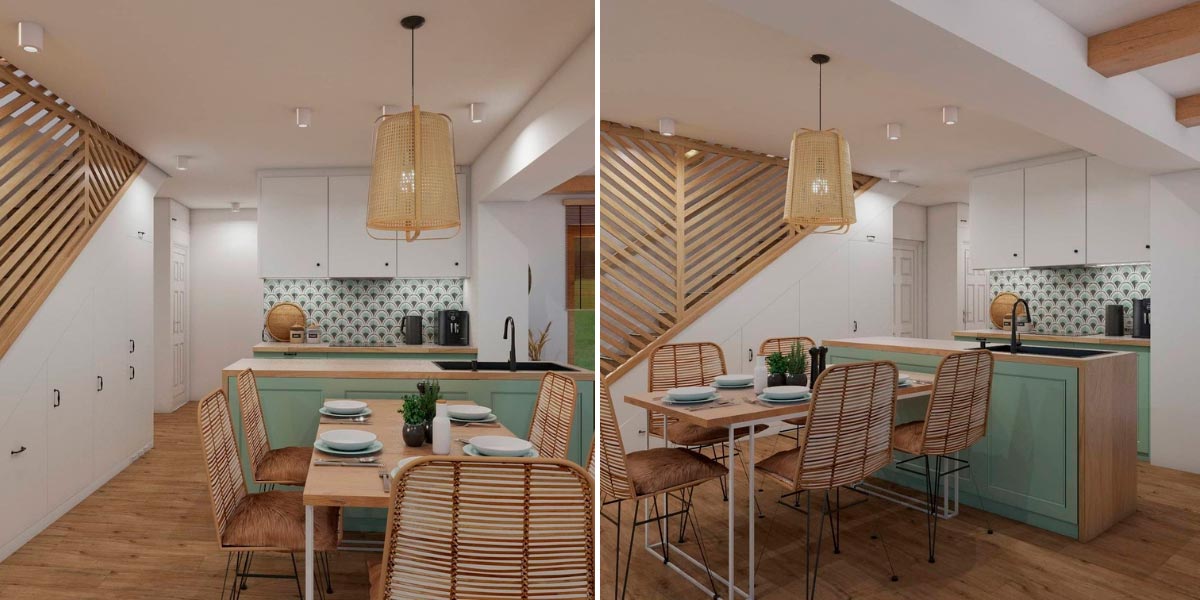
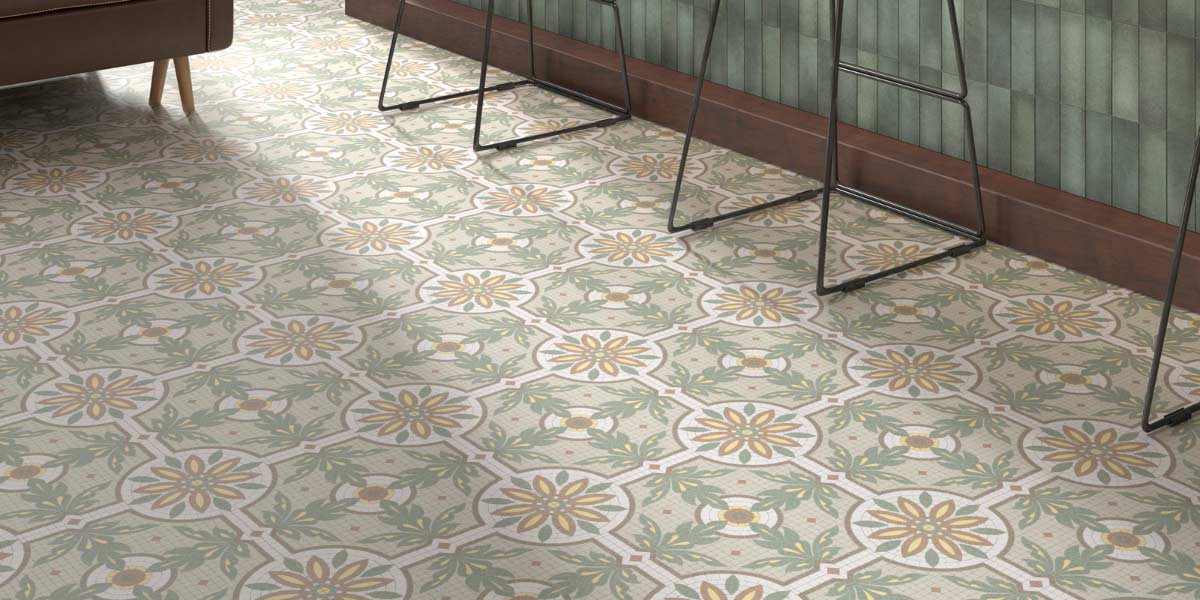
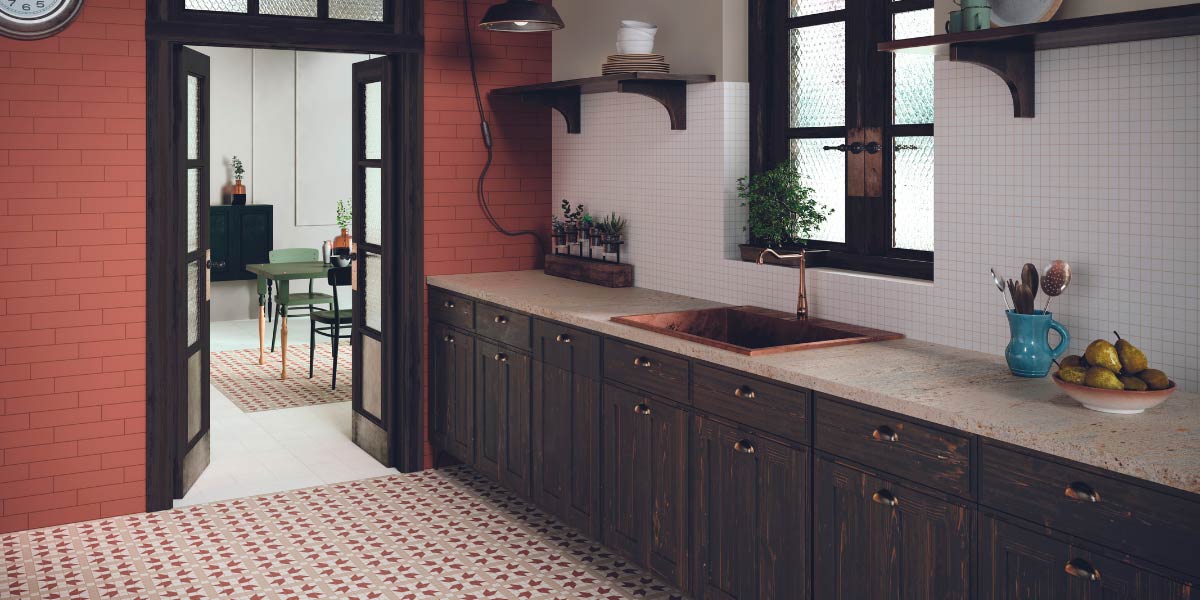
Hydraulic tiles offer as many possibilities as there are ways of designing a kitchen. Geometric patterns, ornamental motifs, multicoloured designs or more understated compositions make it possible to find an option for every style and project. The key is to choose a design that works in harmony with the furniture, materials and colour palette of the space.
Without a doubt, hydraulic tiles in the kitchen demonstrate that tradition and contemporary design can coexist within the same space. Whether used on the floor, backsplash, kitchen island or a specific area, their patterns and colours can add personality and transform the perception of the interior.
Beyond trends, the key lies in finding the right balance between ceramics, materials and colour to create a kitchen that reflects our style: a functional space, but also one full of character and expression.