
Tile grout: colors, trends, and how to maintain it
Tile grout may seem like a minor detail, but it has a significant impact on the final appearance of a tiled surface. The width of the grout lines and, above all, their color can highlight the shape and format of each tile, create a more visually seamless surface, or even turn the grout lines into a graphic design element in their own right.
White, neutral, tone-on-tone, or contrasting: today, tile grout colors open up a world of creative possibilities, allowing you to experiment with ceramics in many different ways. But beyond aesthetics, choosing the right grout and keeping it in good condition is essential to ensuring your tiled surfaces look their best over time.
In this article, we explore how to choose the right tile grout color, the trends redefining its role in interior design, and some essential tips for cleaning and maintenance. Let’s get started!
How to choose the right tile grout color
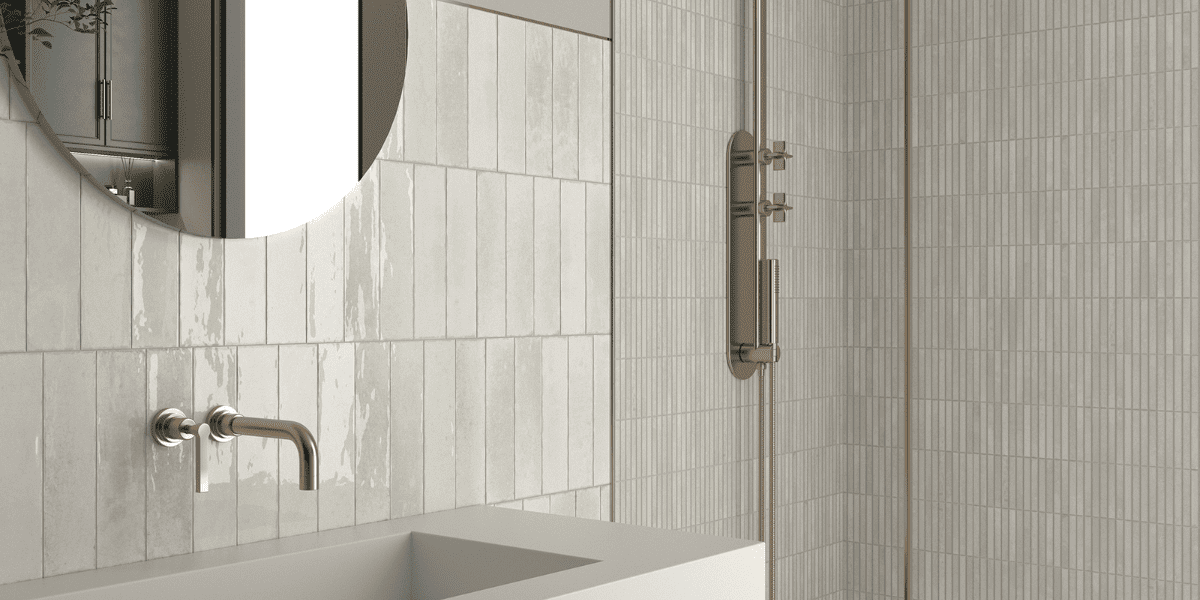
Choosing the right tile grout color is a design decision that can significantly change the overall appearance of a tiled surface. Grout in a shade similar to the tile creates greater visual continuity, while a contrasting color highlights the tile's format, layout, and geometry.
There is no single perfect combination. The final result will depend on how much attention we want to draw to the grout lines, the color and design of the tiles, and the overall style of the space. From subtle neutrals to colorful tile grout, the possibilities allow us to treat grout as an integral part of the design.
Matching grout color to your tiles
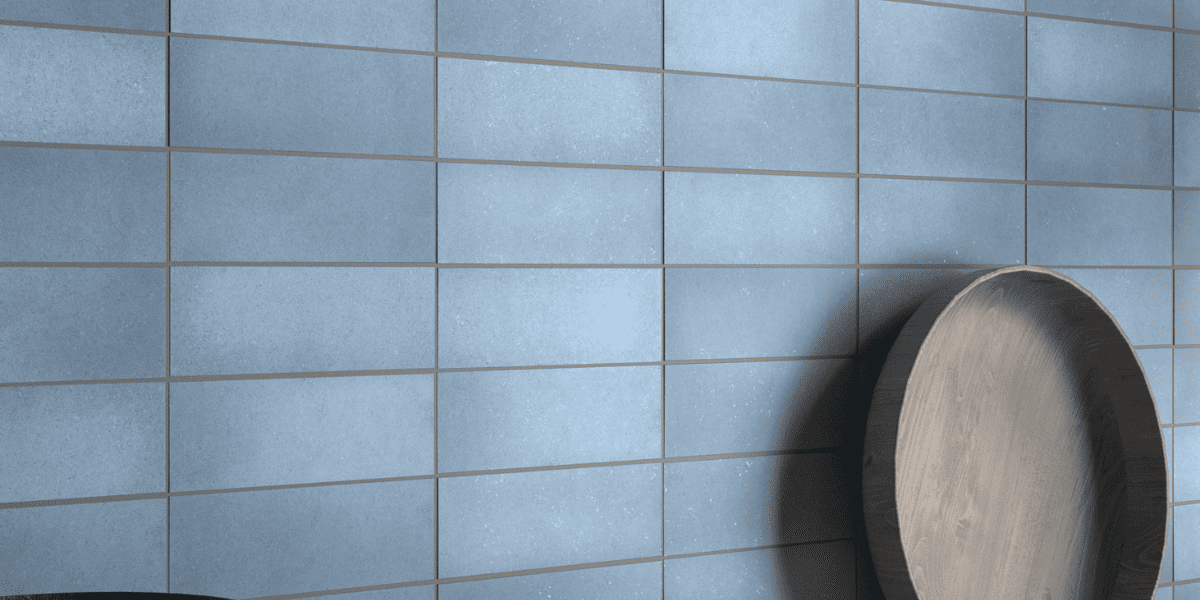
Choosing grout in the same color as the tiles, or in a very similar shade, helps create a more uniform and seamless surface. The grout lines become less visually prominent, allowing the color, texture, and finish of the ceramic tiles to define the space.
This option works particularly well when aiming for a calm, harmonious look or when seeking to enhance the sense of continuity. With small-format tiles, tone-on-tone grout also helps soften the grid pattern, creating a more visually cohesive composition.
Contrasting grout colors
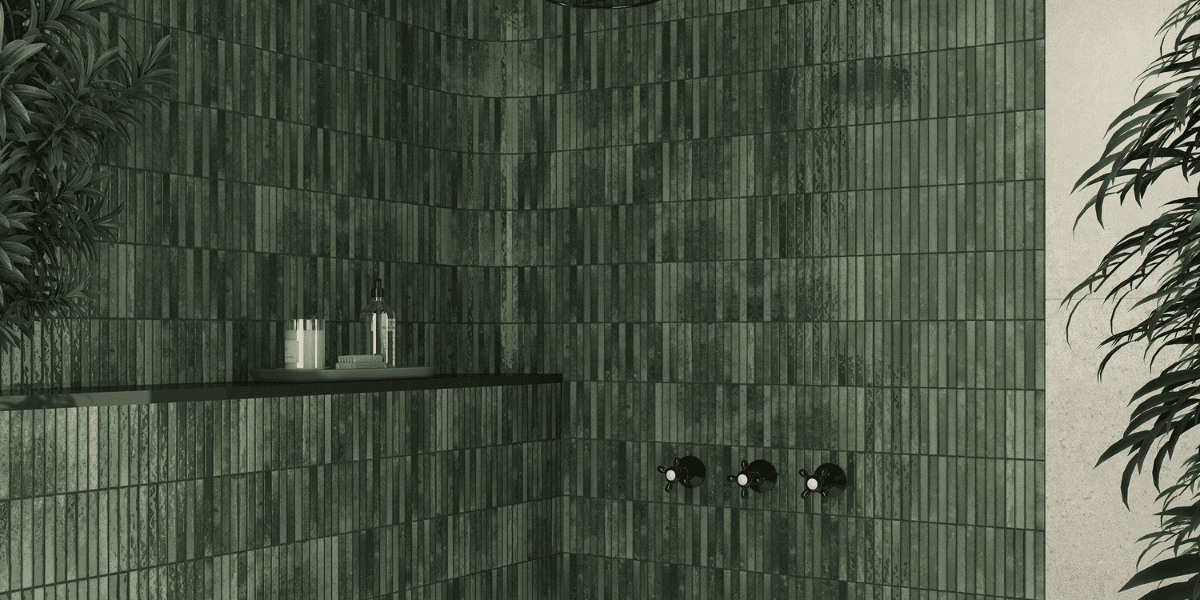
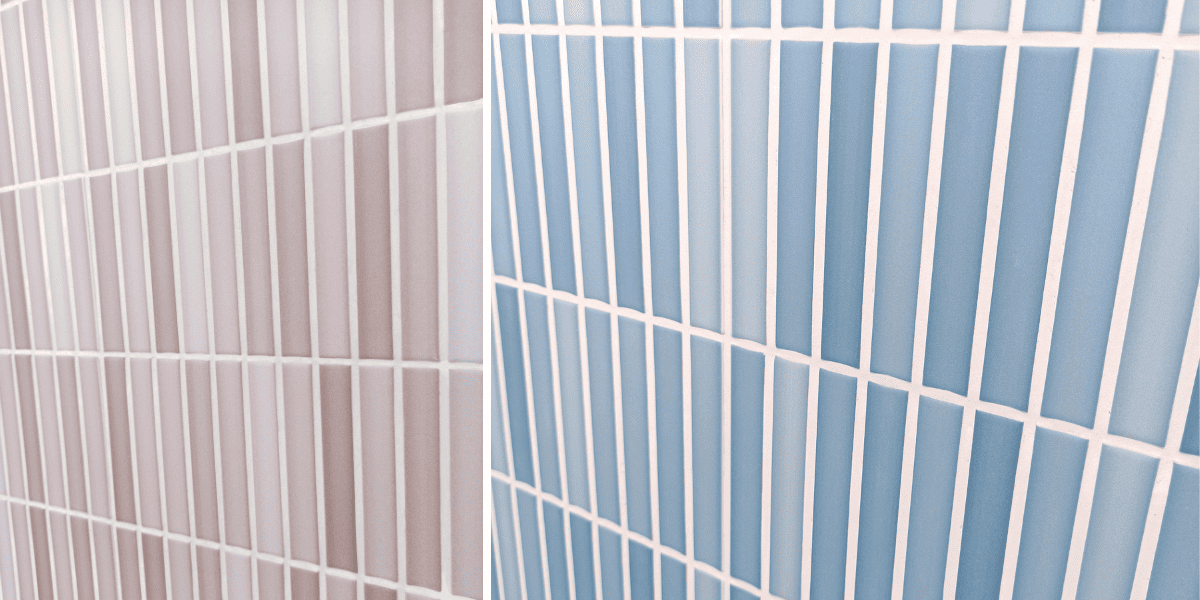
Contrasting grout is an excellent choice when you want to highlight the shape and layout of the tiles. By choosing a shade that is noticeably different from the tile color, the grout becomes part of the design, creating a visible grid pattern across the surface.
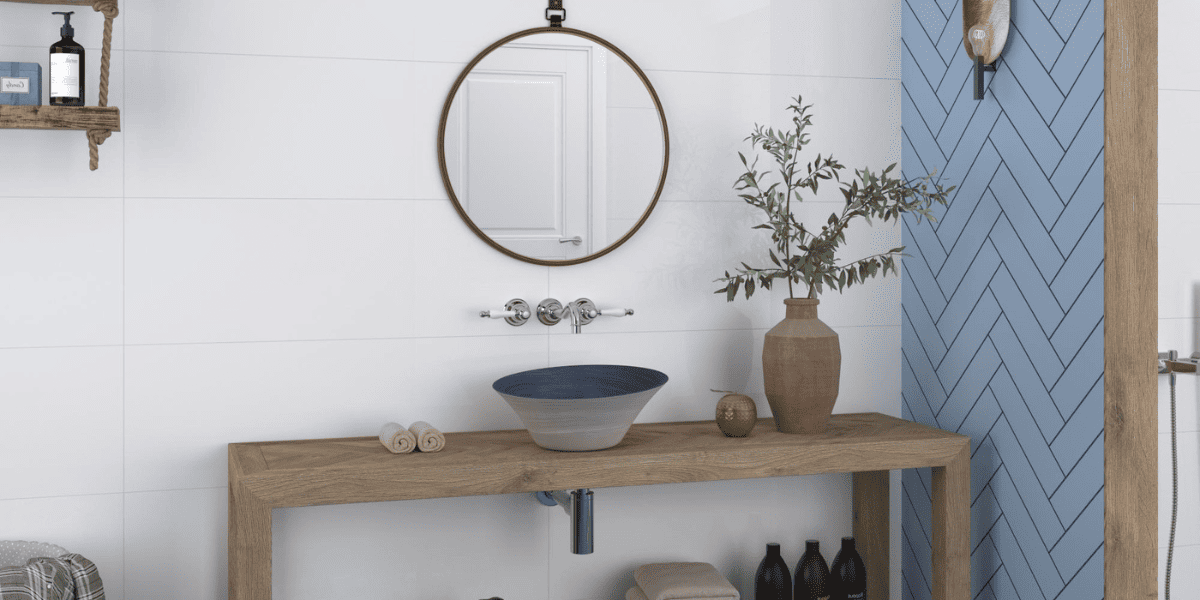
This effect works particularly well with small-format tiles, mosaics, or laying patterns such as herringbone, vertical stacking, or brick bond, where the contrast enhances the rhythm and geometry of the composition. The greater the color difference, the more prominent the grout lines become.
Neutral grout Ccolors: white, gray, and beige
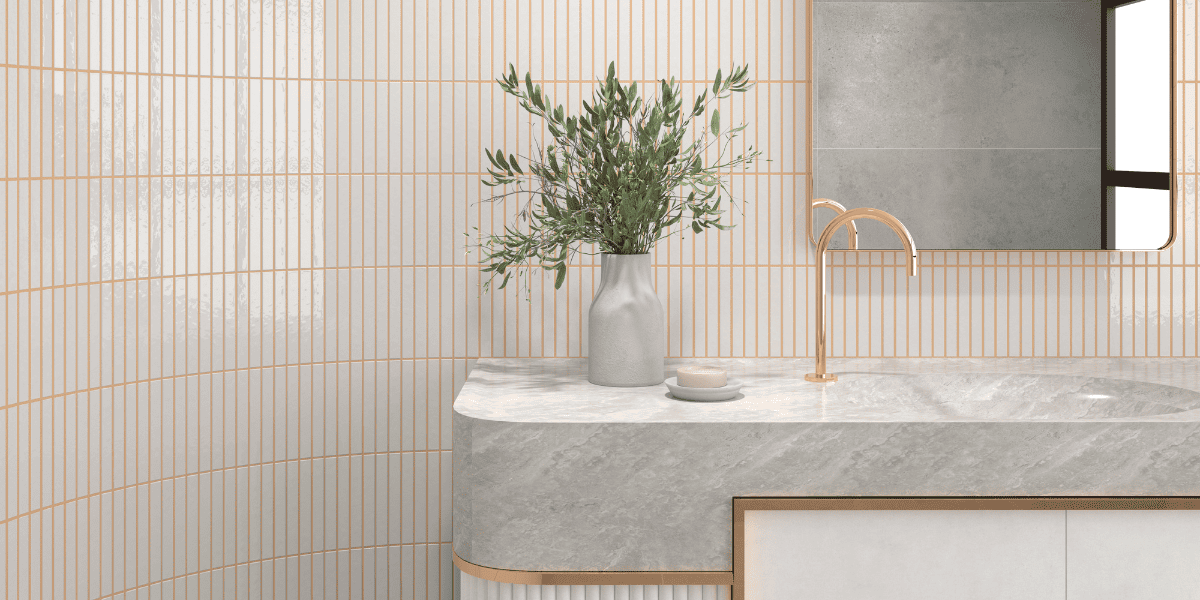
Neutral grout colors are among the most versatile options for complementing any tiled surface. White, gray, and beige help balance the overall composition and blend effortlessly with different colors, materials, and styles.
White adds brightness and can create a clean contrast with colored tiles; gray offers a more understated, contemporary look; while beige and sandy tones bring greater warmth. The choice will depend on whether we want the grout to blend subtly into the surface or make the tile's geometry more visible.
Colored tile grout
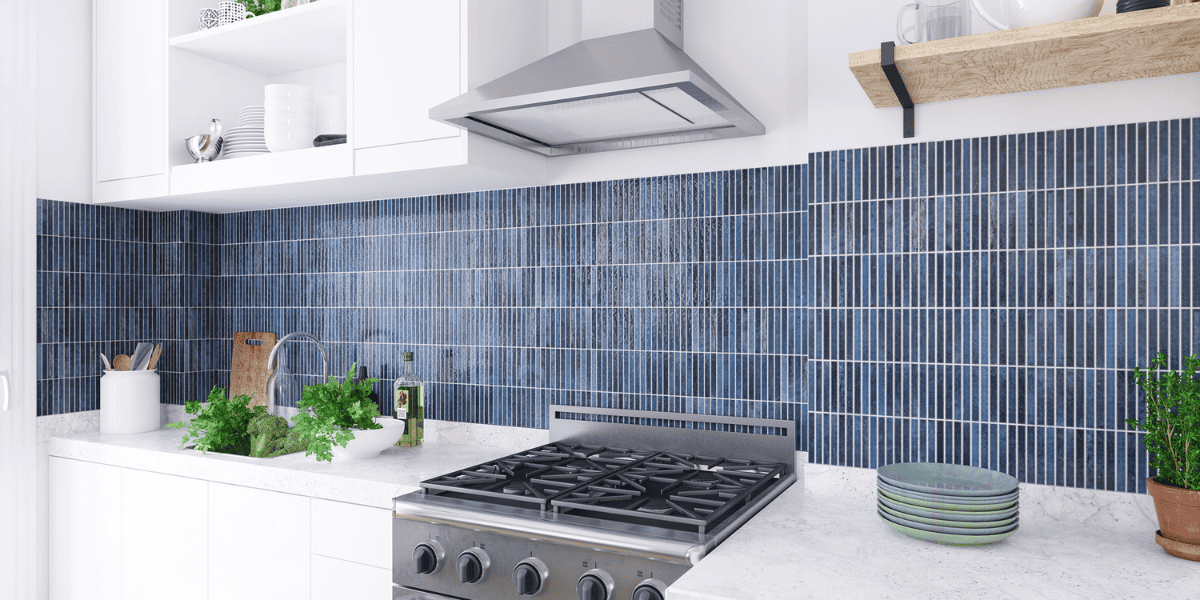
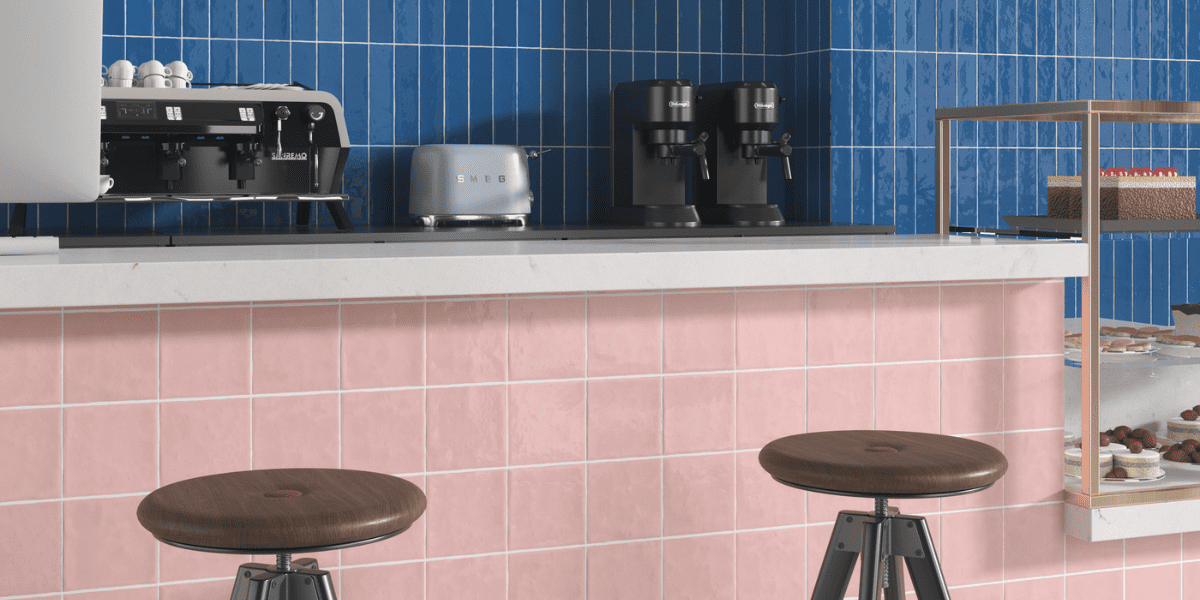
Colored tile grout takes creativity one step further, transforming a functional element into a design feature. Blues, greens, pinks, terracotta shades, and yellows can complement the color of the tiles or create an unexpected contrast that completely transforms the composition.
This option is particularly striking with small-format tiles, where grout lines have a greater visual presence. The key is to consider the grout color as part of the project's overall color palette: it can enhance the shade of the ceramic tiles, connect with other elements in the space, or introduce a pop of color that adds personality.

How grout color can transform the look of the same tile
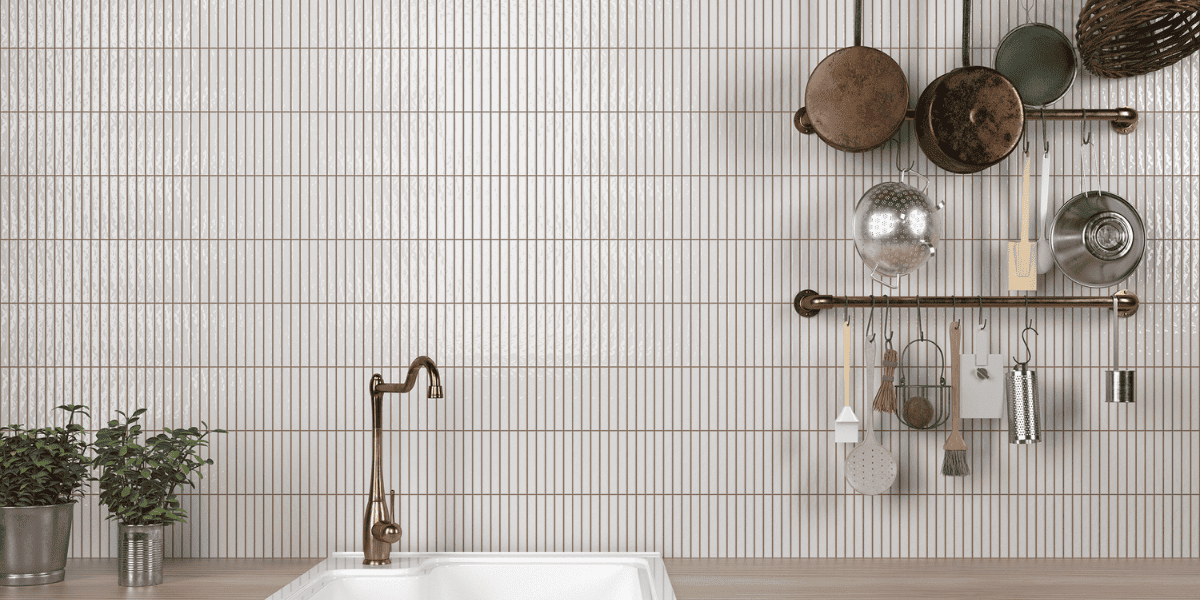
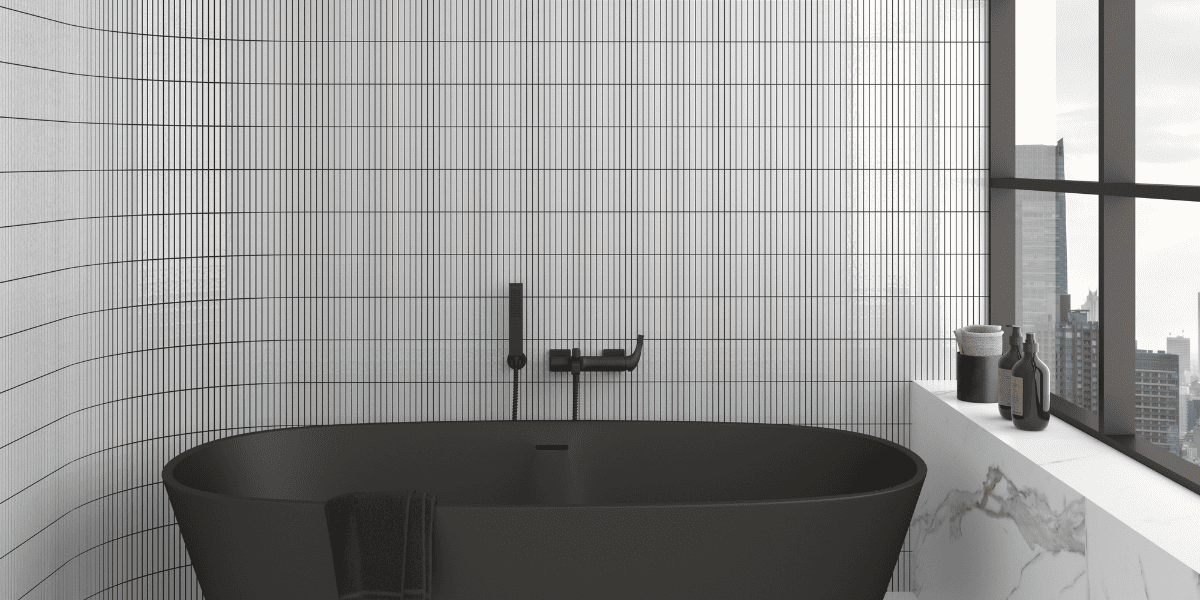
Grout color can completely transform the way we perceive the same tile. With tone-on-tone grout, the tiles blend together, creating a more visually seamless surface. Light-colored grout adds brightness and softens the overall composition, while dark grout emphasizes the edges of each tile and enhances its geometry.
Choosing colored grout can create an even more expressive effect, introducing new color combinations and drawing attention to the laying pattern. In this way, the same tile can take on entirely different personalities simply by changing the grout color.
How to choose grout based on tile type
The type of tile also plays an important role when choosing grout. The format, geometry, variation between individual tiles, and laying pattern all determine how prominent the grout lines will be in the final design.
With small-format tiles and mosaics, for example, grout lines are a visible part of the composition and can enhance its rhythm. With handcrafted or shade-varied tiles, on the other hand, grout can complement the natural variations across their surfaces. That is why, beyond color, it is always worth considering how the grout interacts with the characteristics of each type of tile.
Small-format tiles and subway tiles
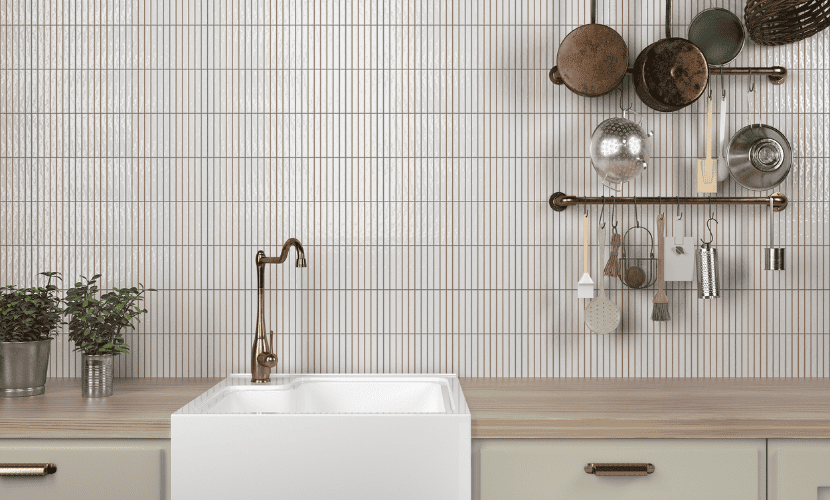
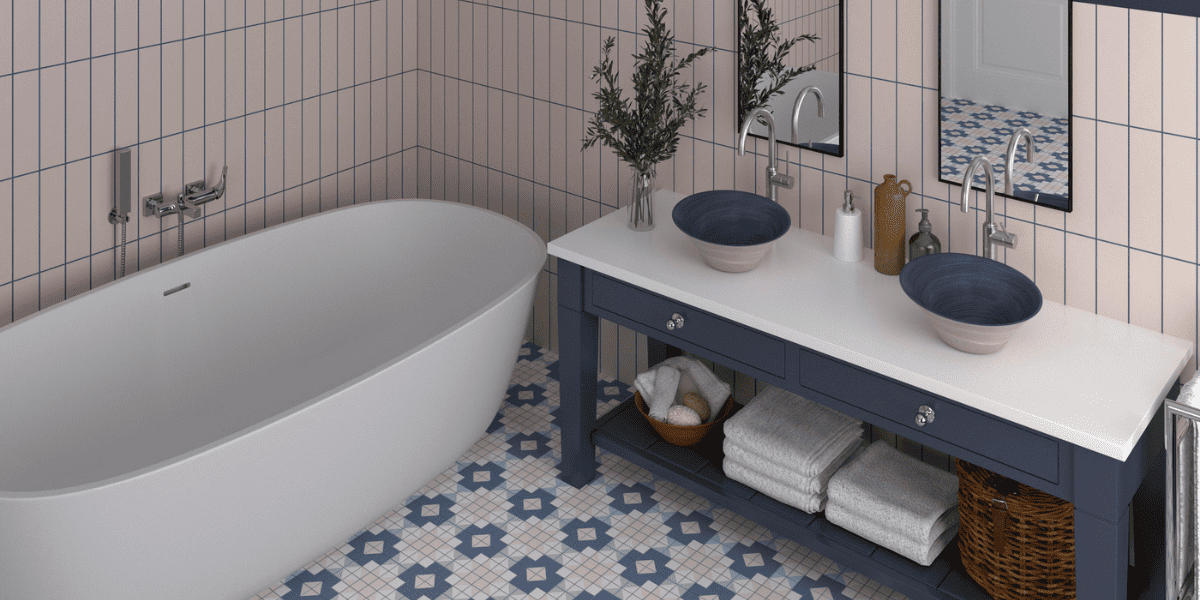
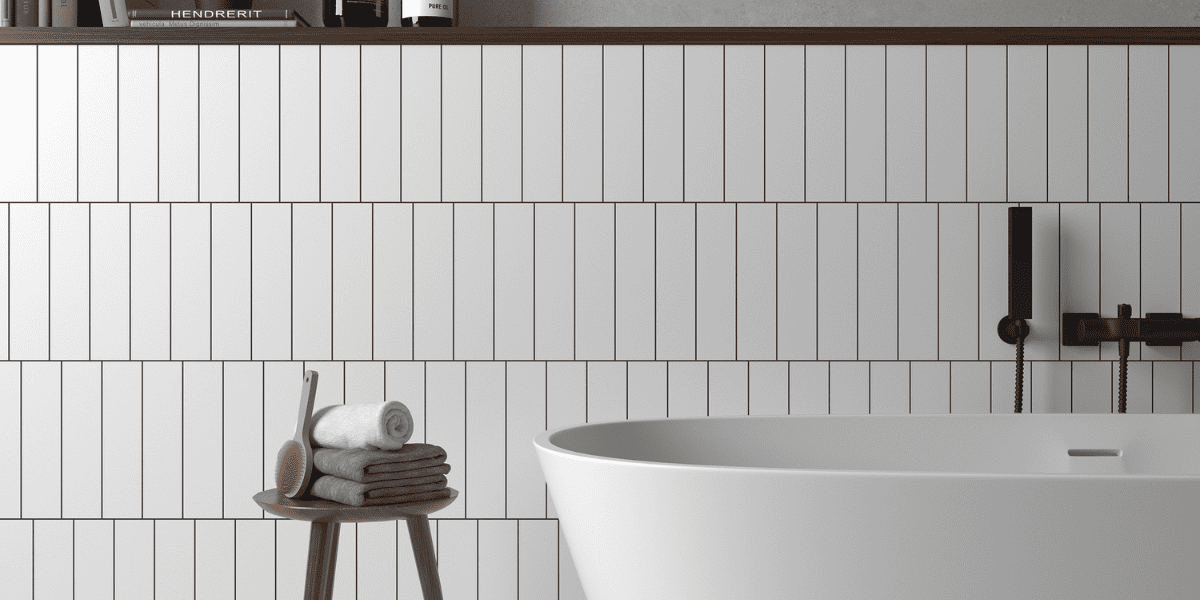
With small-format and subway tiles, grout lines are particularly visible and can significantly change the overall appearance of the composition. Grout in a shade similar to the tile color creates greater visual continuity, while a contrasting option helps define each tile and emphasize its geometry.
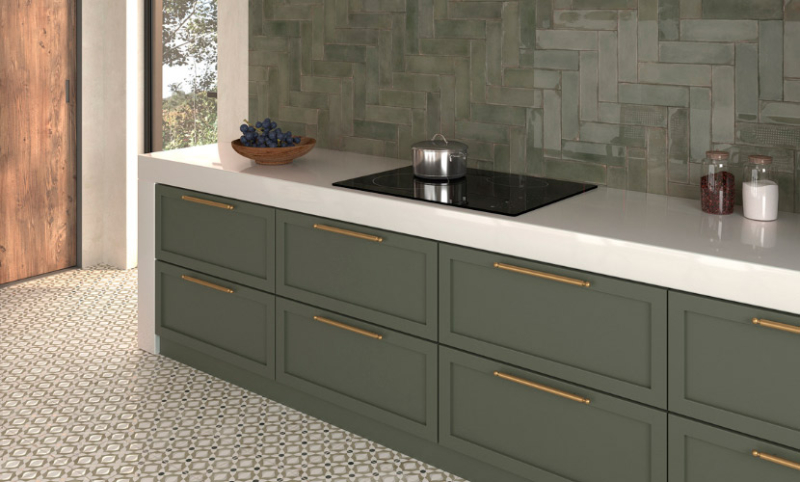
Grout color can also enhance the laying pattern. In vertical, brick bond, or herringbone layouts, contrasting grout makes the rhythm of the tiles more pronounced, becoming an interesting design feature that highlights the decorative potential of small-format tiles.
Handcrafted and shade-varied tiles
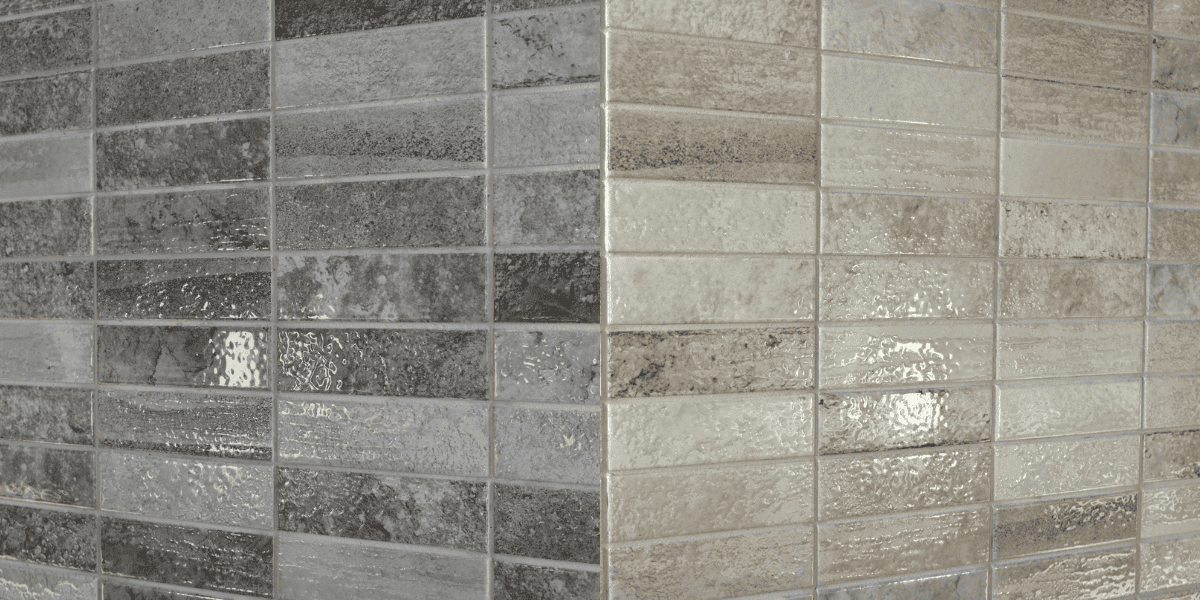
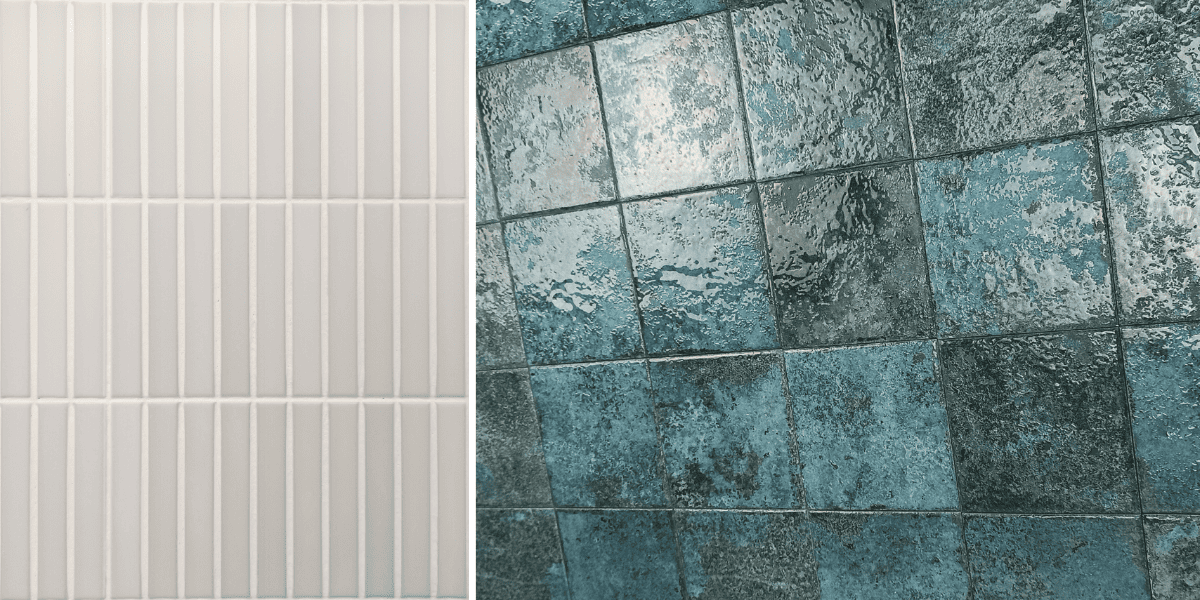
With handcrafted and shade-varied tiles, variations in color, texture, and finish are part of their unique appeal. In these cases, grout can complement this visual richness without competing with it or, alternatively, enhance the individuality of each tile.
Neutral shades or grout colors close to the tile's tone help create a more balanced composition, allowing the ceramic itself to take center stage. Contrasting grout, on the other hand, defines the edges of each tile and makes their subtle differences more visible, emphasizing the handcrafted character and irregularity of the surface.
Mosaic tiles
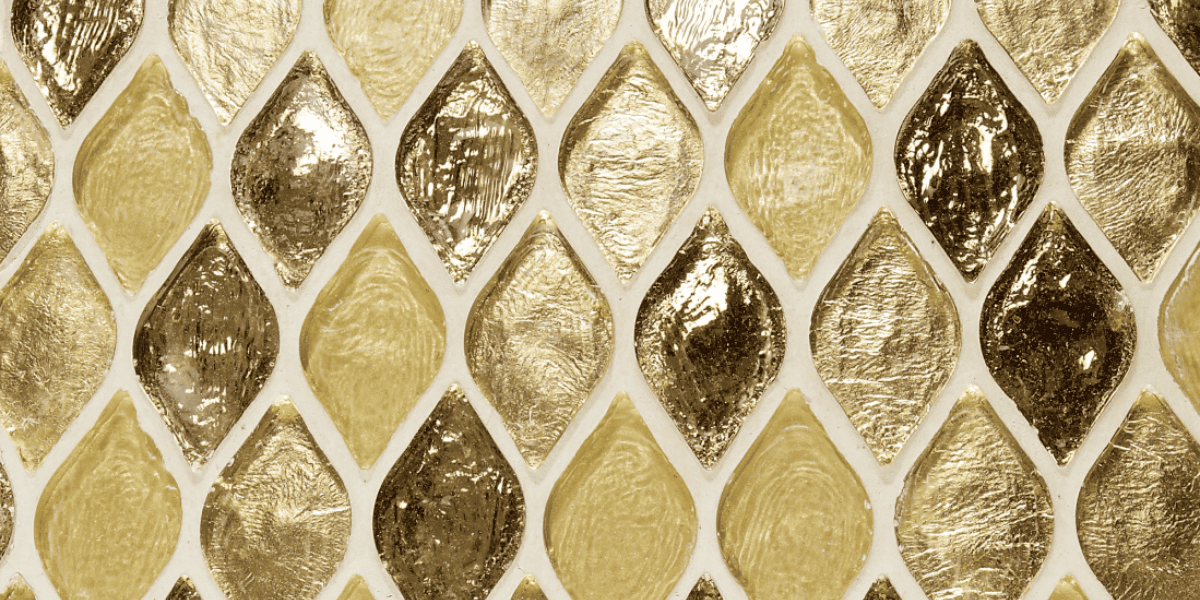
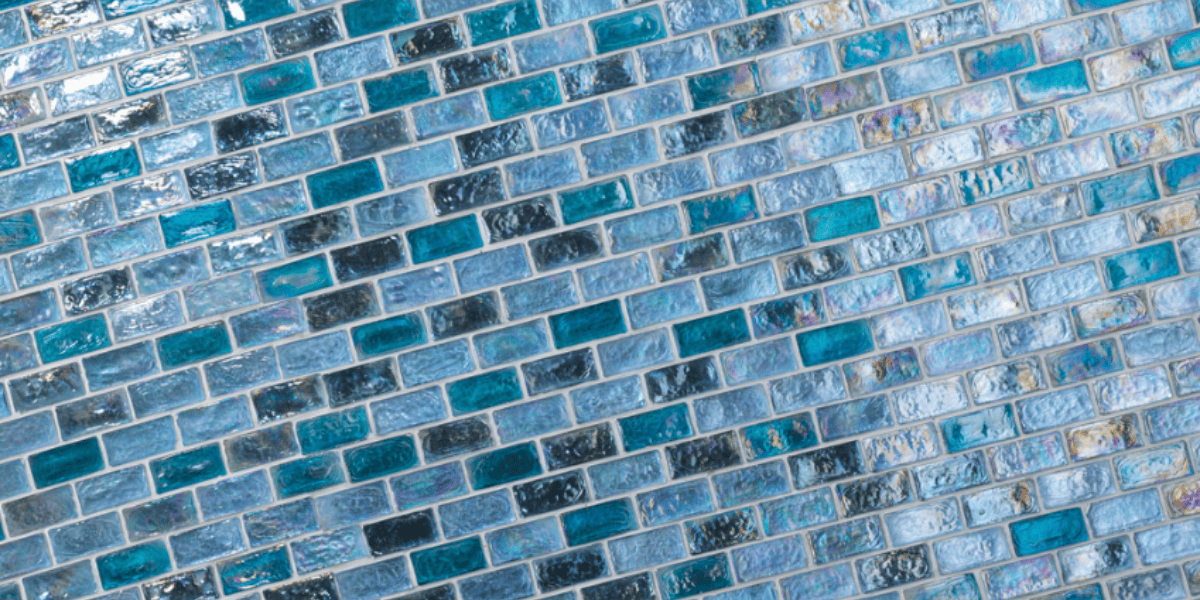
With mosaics, grout plays a particularly important role due to the large number of individual pieces that make up the surface. Its color can significantly influence the overall appearance, making the mosaic look more uniform or, alternatively, highlighting each individual tessera.
Grout in a similar shade helps visually unify the composition and enhance the mosaic's color or texture. For a more graphic effect, contrasting grout defines the geometry of each piece and emphasizes the pattern, bringing greater rhythm and expressiveness to the tiled surface.
Large-format tiles
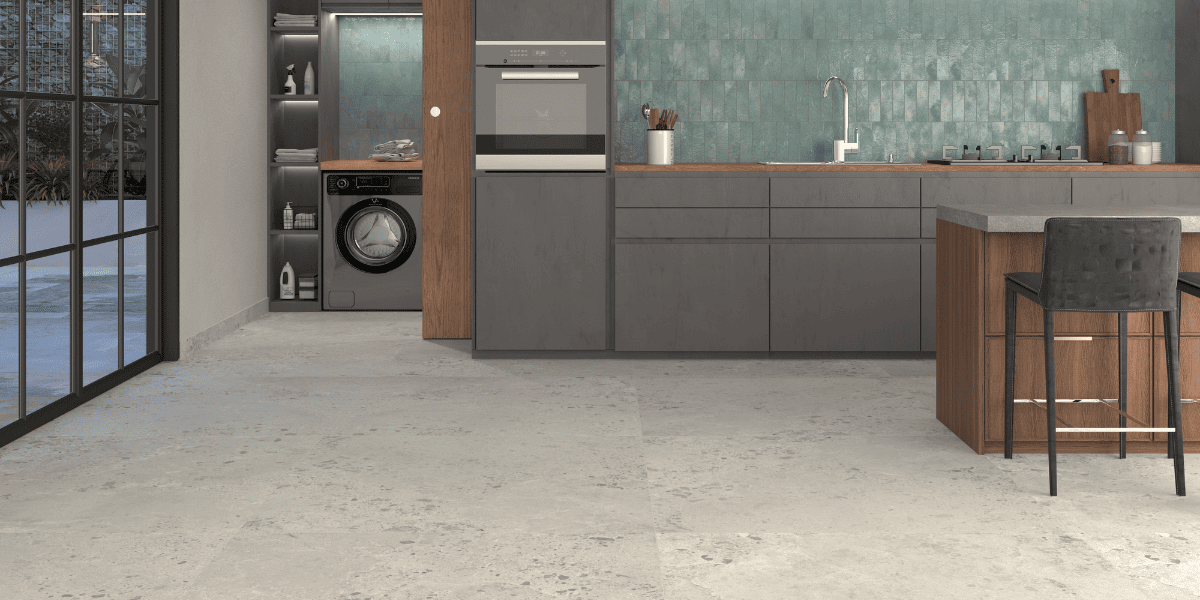
With large-format tiles, grout lines are less visually prominent, so the aim is often to create a greater sense of continuity. Choosing a grout color similar to that of the tiles helps create more uniform surfaces and enhances the feeling of spaciousness.
However, grout can also be used to subtly highlight the layout of the tiles. In designs that reproduce the appearance of stone, marble, concrete, or other materials, a coordinated grout color allows the graphic details and textures to become the true focal points of the composition.
How to choose tile grout based on the space
Beyond the type of tile, the space in which the ceramic tiles are installed also influences the choice of grout. We do not necessarily want to achieve the same effect in a kitchen, bathroom, or on a floor, where both practical requirements and the visual prominence of the tiled surface can vary considerably.
Grout color can help create visual continuity, highlight specific areas, or reinforce the overall style of a space. That is why, when choosing tile grout, it is important to consider how the space will be used, the type of surface, and the aesthetic result we want to achieve.
Tile grout for bathrooms
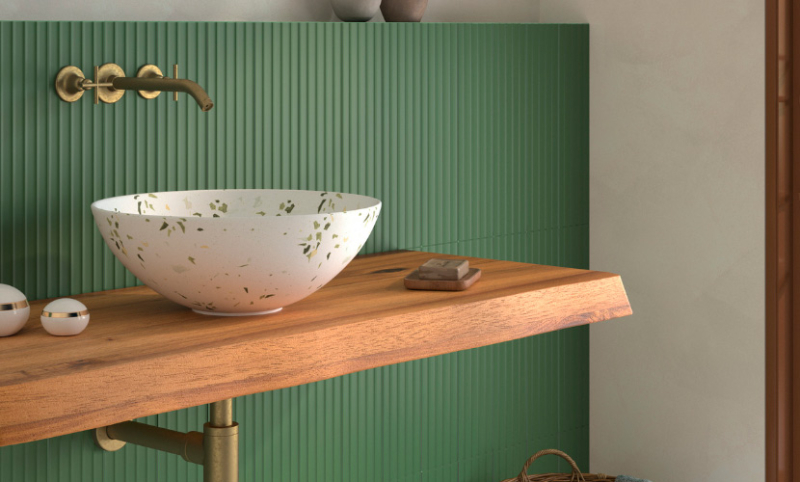
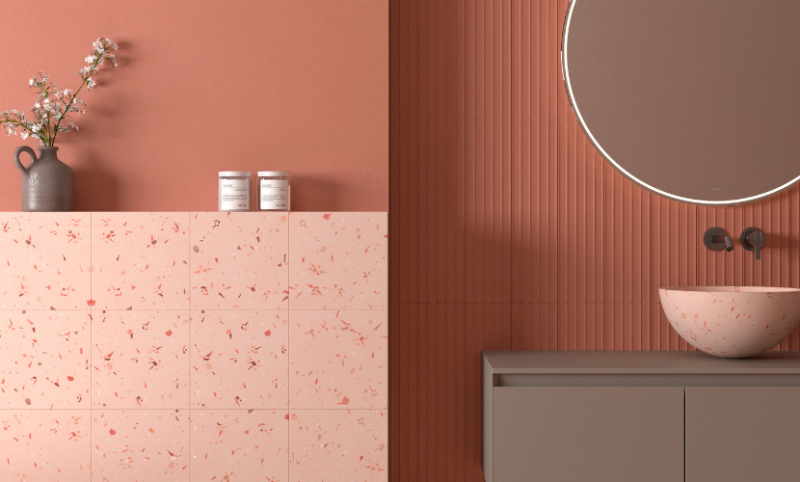
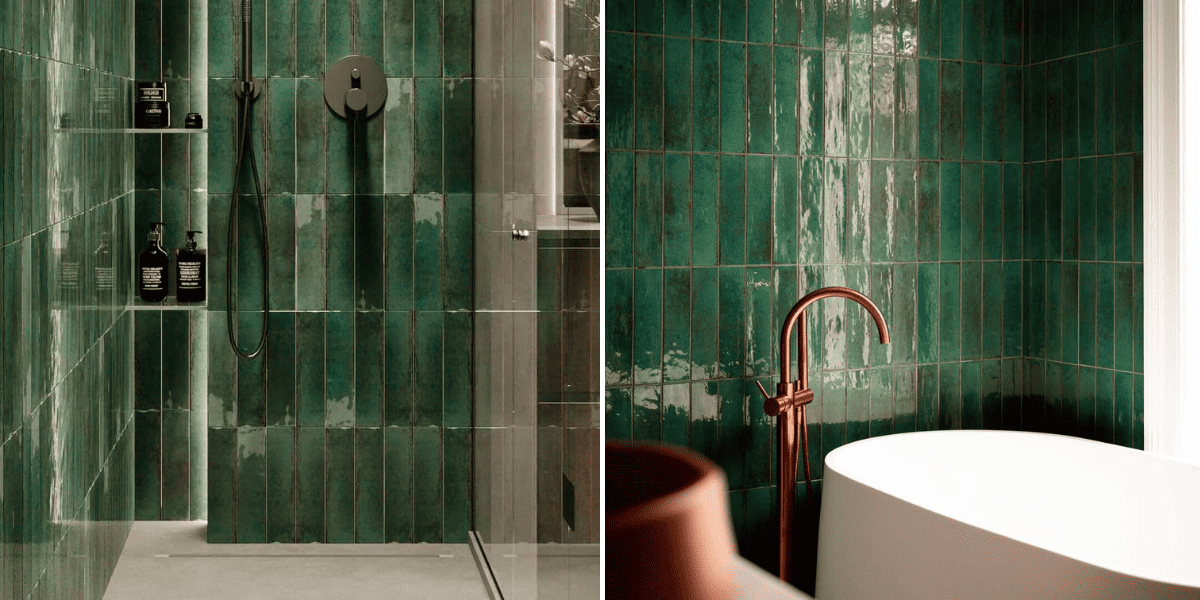
In bathrooms, tile grout plays an important role on both walls and floors and can help redefine the style of the space. Bathrooms offer plenty of opportunities to experiment with grout colors, as small-format tiles are often used for wall coverings.
Tile grout for kitchens
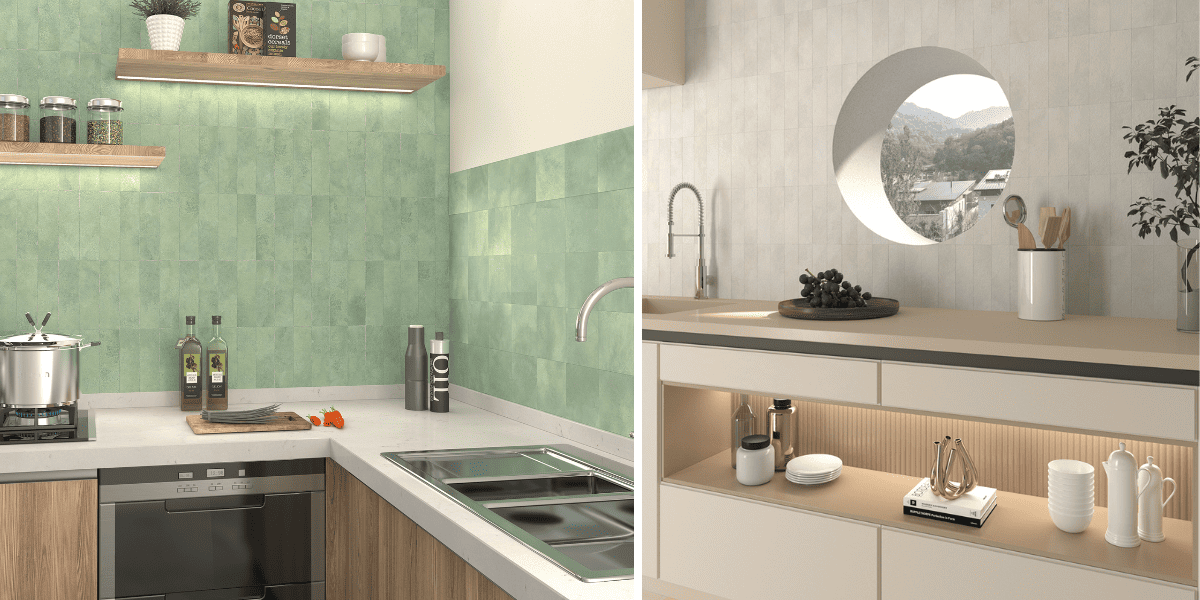
In kitchens, tile grout needs to meet both the design requirements and the practical demands of everyday use. In areas such as the backsplash, tone-on-tone grout creates a more uniform surface, while contrasting grout can highlight the tile format and turn the wall covering into a focal point.
Colored grout can also be used to connect the ceramic tiles with cabinetry, countertops, or other kitchen elements. On floors and in areas exposed to splashes, it is also important to choose suitable, easy-to-maintain grouting materials to preserve their appearance over time.
Tile grout for floors
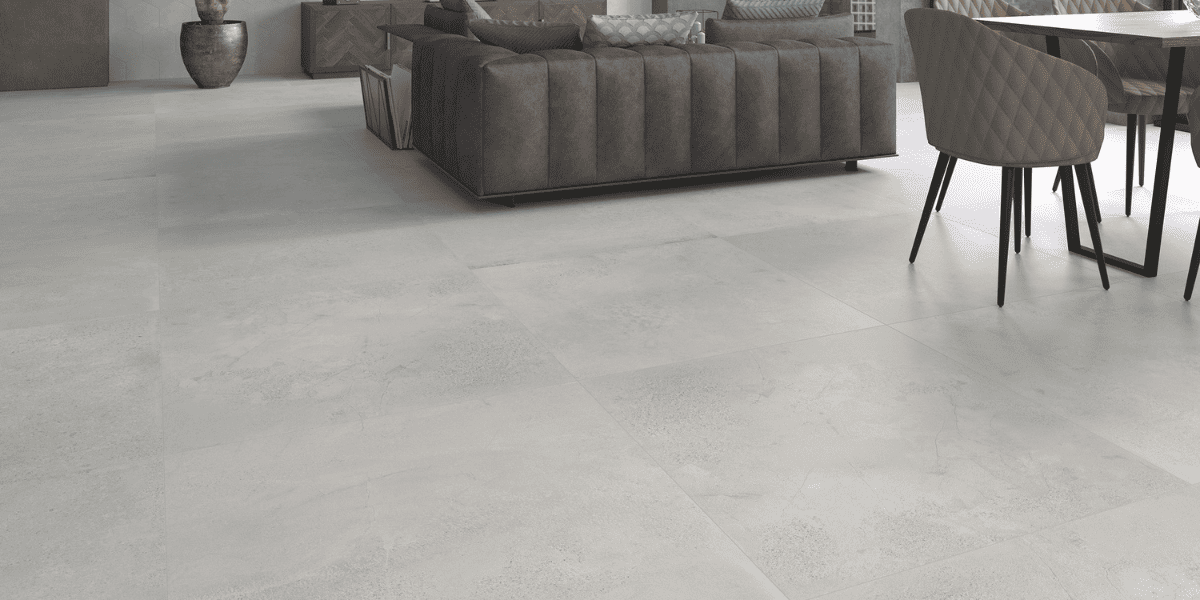
On floors, grout lines contribute to the overall appearance of the surface while also being subjected to more intensive use. For this reason, beyond aesthetics, it is important to consider factors such as foot traffic and ease of maintenance.
Grout colors close to the flooring shade help create a sense of continuity and make the grout lines less noticeable. If the aim is to highlight the tile layout or laying pattern, a stronger contrast can be an interesting option. However, it is worth remembering that very light grout colors may make dirt more visible in high-traffic areas.
How to clean and maintain tile grout
Keeping tile grout clean is essential to preserving the appearance of tiled surfaces over time. Because grout lines sit slightly below the surface of the tiles, they can accumulate dust, moisture, grease, and other residues, especially in frequently used areas such as kitchens, bathrooms, and floors.
Regular cleaning helps prevent grout from darkening and makes ongoing maintenance easier. The frequency and cleaning method will depend on the space, the type of grout, and the level of exposure, but consistent care is generally more effective than intensive cleaning once dirt has become deeply embedded.
Prevention is key to keeping tile grout from darkening. Frequent cleaning helps remove dust, grease, and other residues before they build up and affect its appearance, particularly on floors and in kitchens and bathrooms.
It is also advisable to prevent moisture from remaining on the surface for too long and to deal with stains or splashes promptly. With light-colored grout, where even subtle changes in shade are more noticeable, regular maintenance will help preserve the original color and uniform appearance of the tiled surface for longer.
How to clean tile grout
When cleaning tile grout, it is best to start with a gentle approach, using warm water and a pH-neutral cleaning product suitable for the type of tiled surface. A soft-bristled brush can help remove accumulated dirt without damaging the surface.
It is important to avoid overly abrasive products or tools that could damage the grouting material. For stubborn stains, specific grout-cleaning products can be used, always following the manufacturer's instructions. Regular cleaning will make maintenance easier and help prevent dirt from becoming deeply embedded.
When should tile grout be replaced?
Over time, tile grout can lose its original appearance or begin to show signs of deterioration. If regular cleaning no longer restores its color, or if cracks, small areas of crumbling, or sections where the grout has worn away begin to appear, it may be time to replace it.
Beyond improving the appearance of the tiled surface, replacing deteriorated grout helps keep the entire installation in good condition. In these cases, it is advisable to assess the condition of the surface and choose a grouting material suited to the type of tile and the space in which it is installed.
Choosing ceramic tiles goes beyond selecting the tile itself. The format, laying pattern, and even grout color all contribute to the final result and can completely transform the way we perceive a surface.
Whether blended seamlessly with the tiles, used in contrast, or introduced as a colorful accent, grout lines open up new possibilities for exploring ceramic design and personalizing every project. Because in design, even the smallest details matter: grout is not simply the space between two tiles, but an integral part of the composition.