A collection conceived to transform spaces through endless chromatic possibilities.
Colour has the power to transform a space, alter the way it is perceived and evoke emotions. Croma was born from precisely this idea: to turn colour into a design tool capable of defining the personality of an interior in its own right.
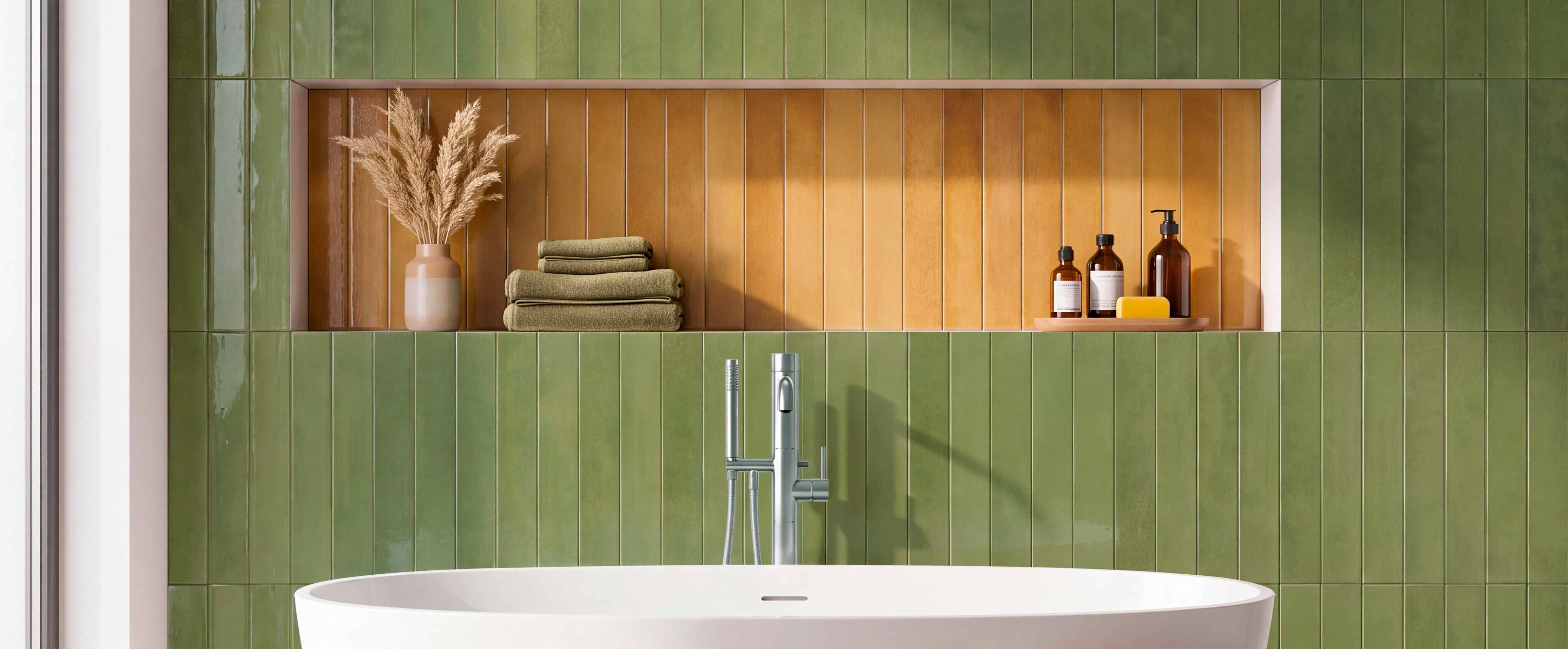
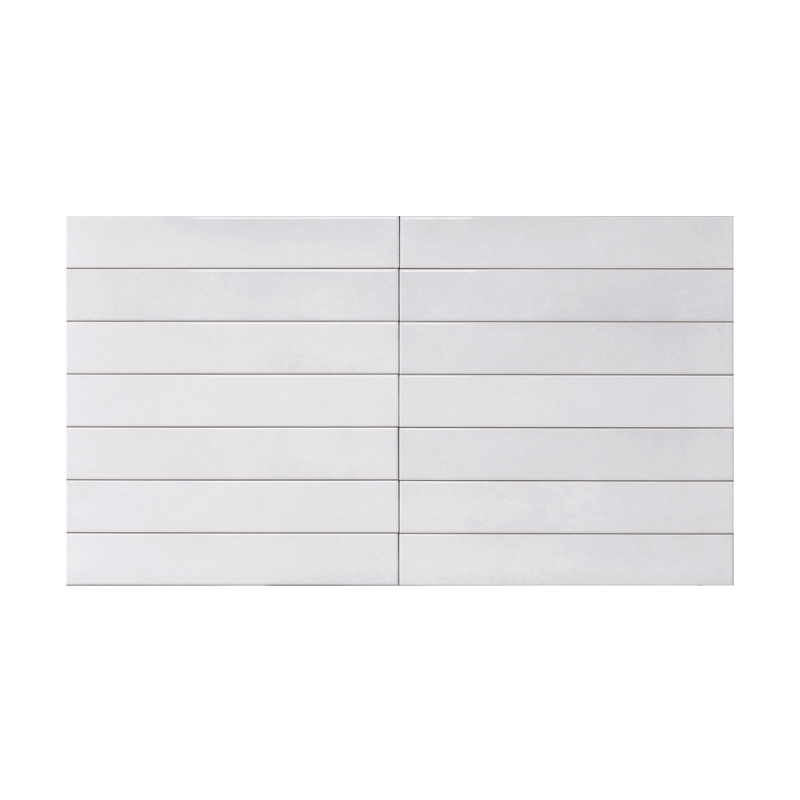
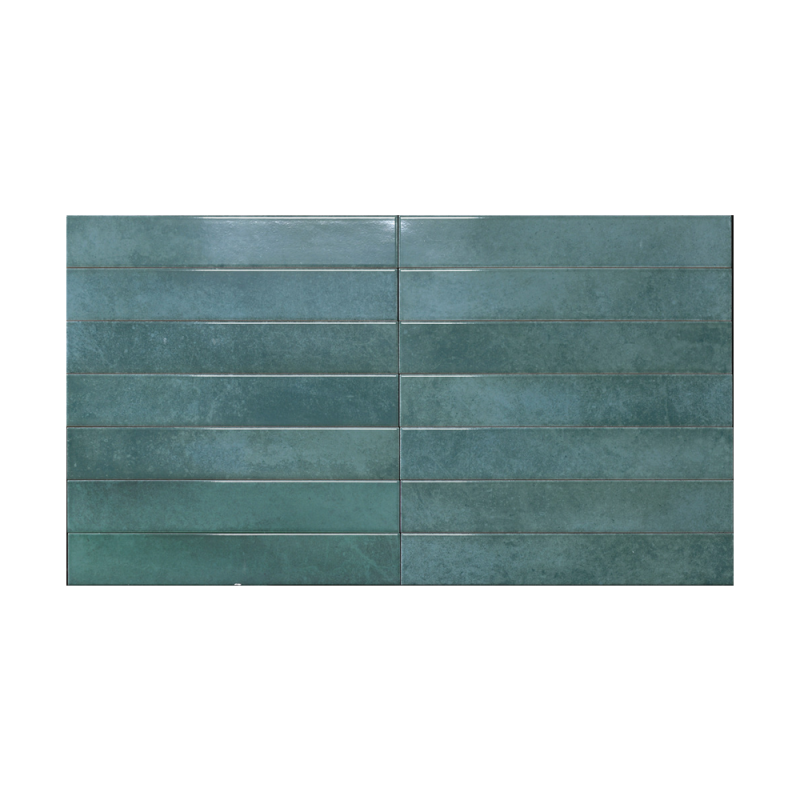
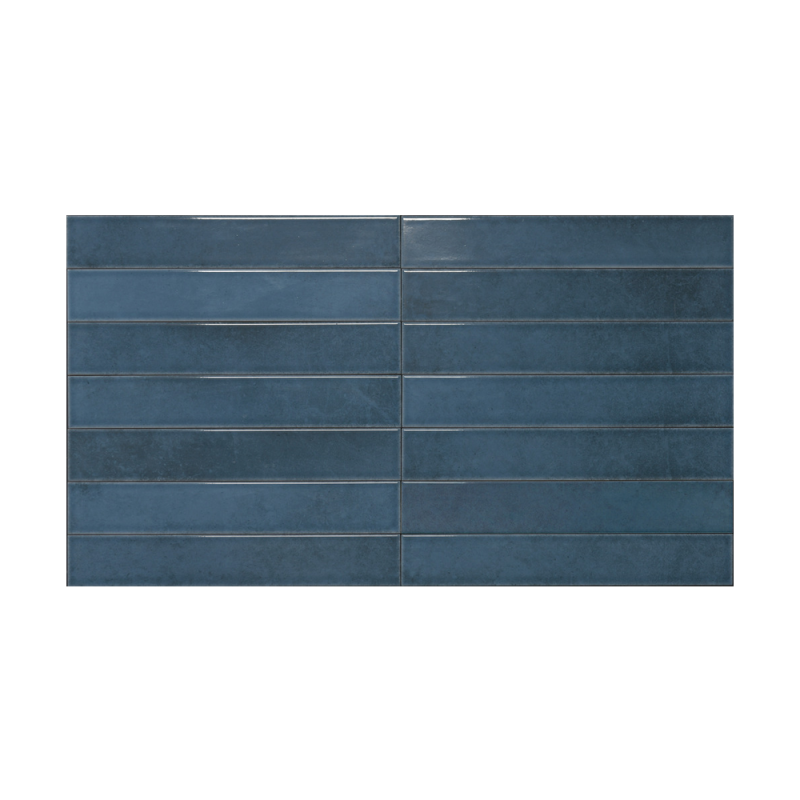
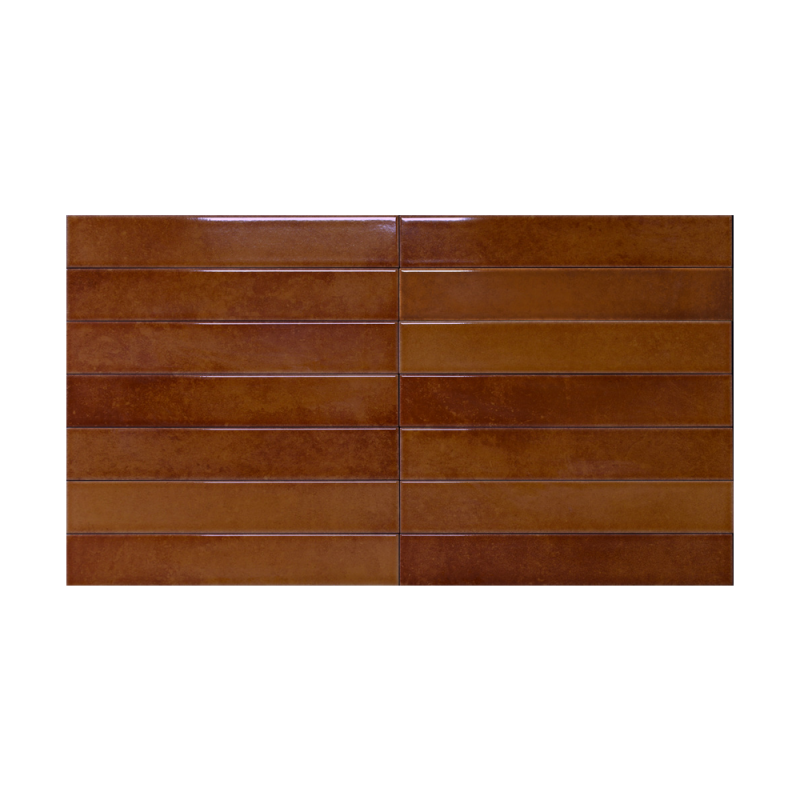
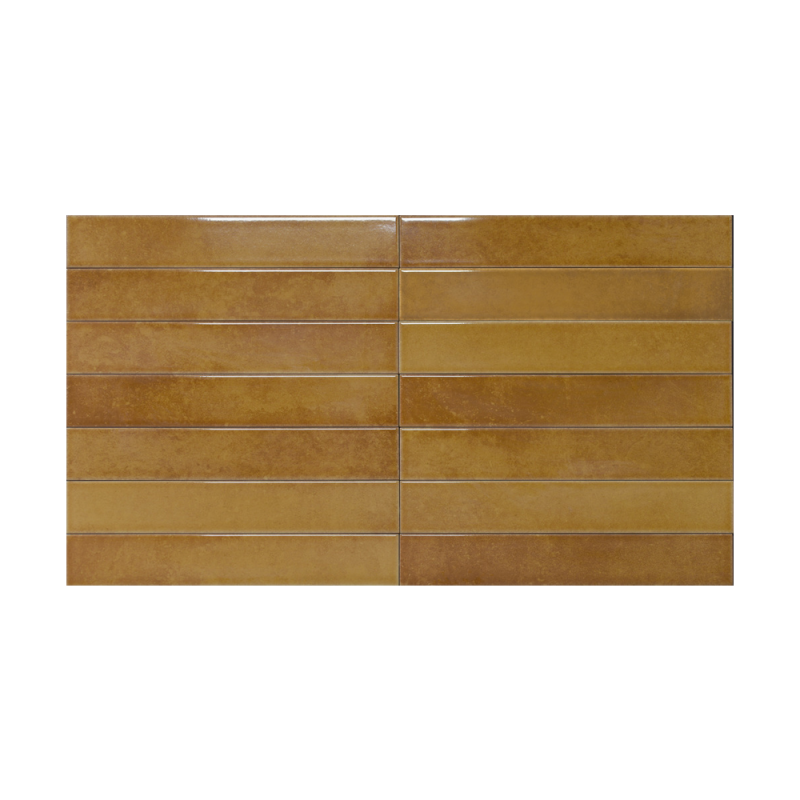
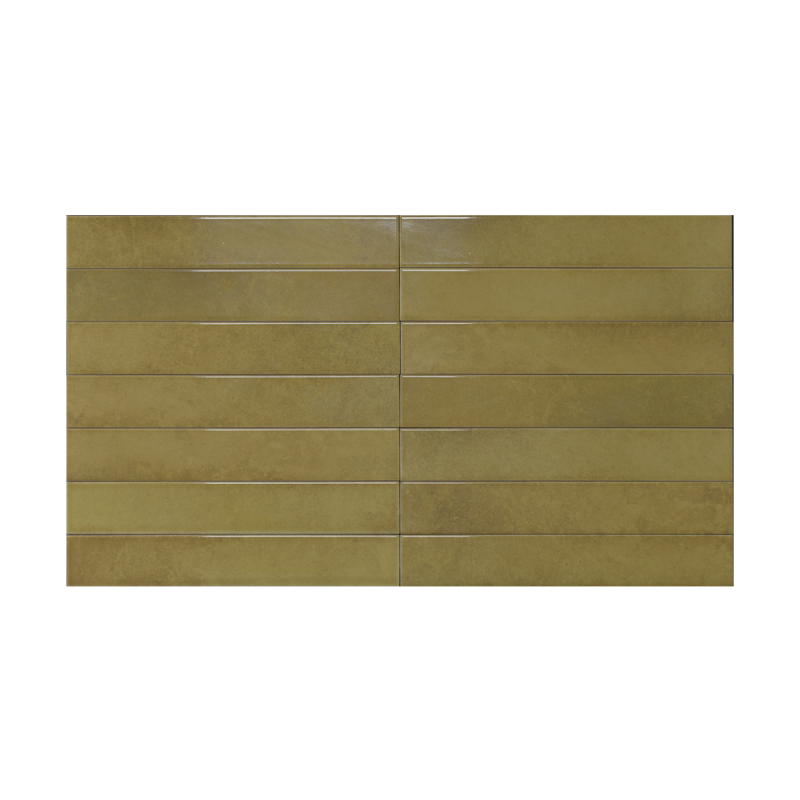
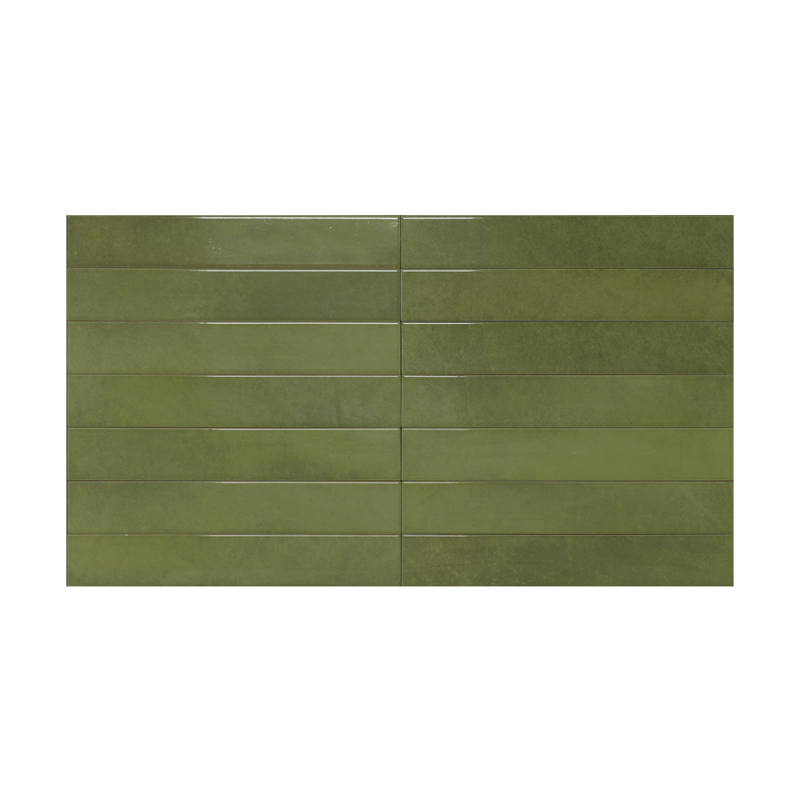
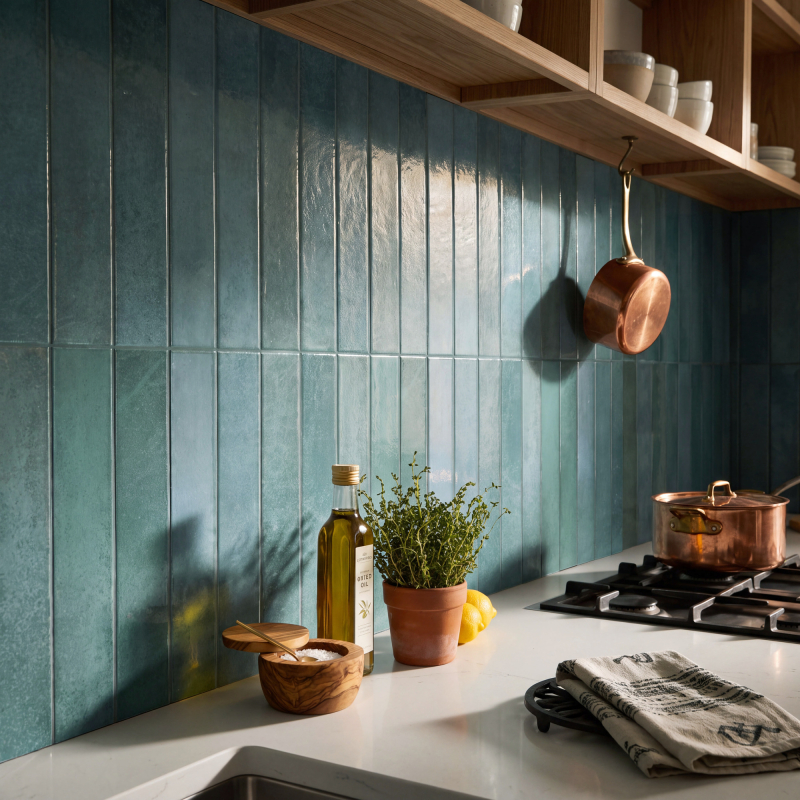
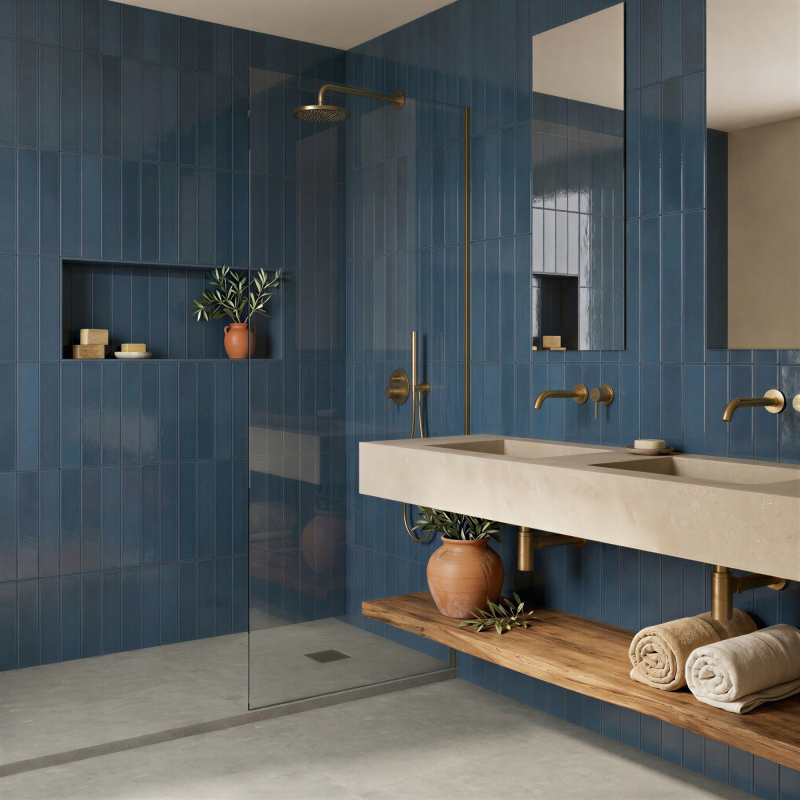
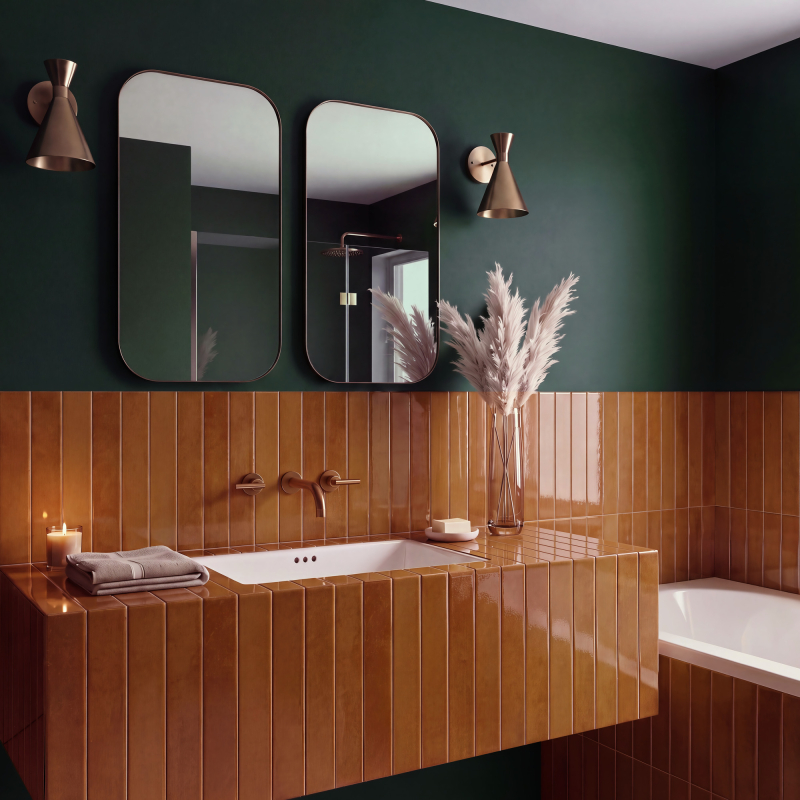
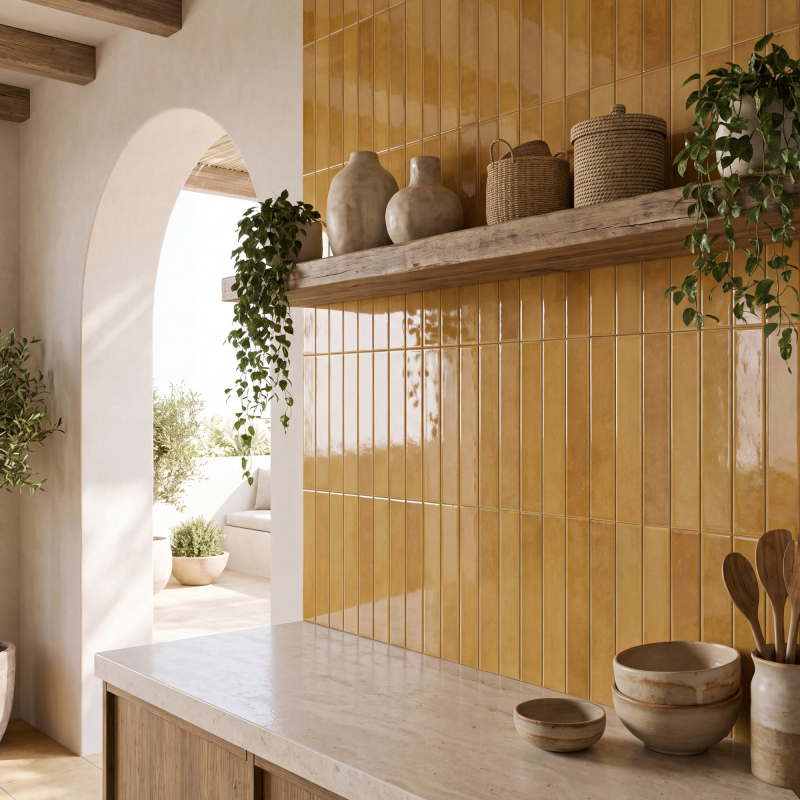
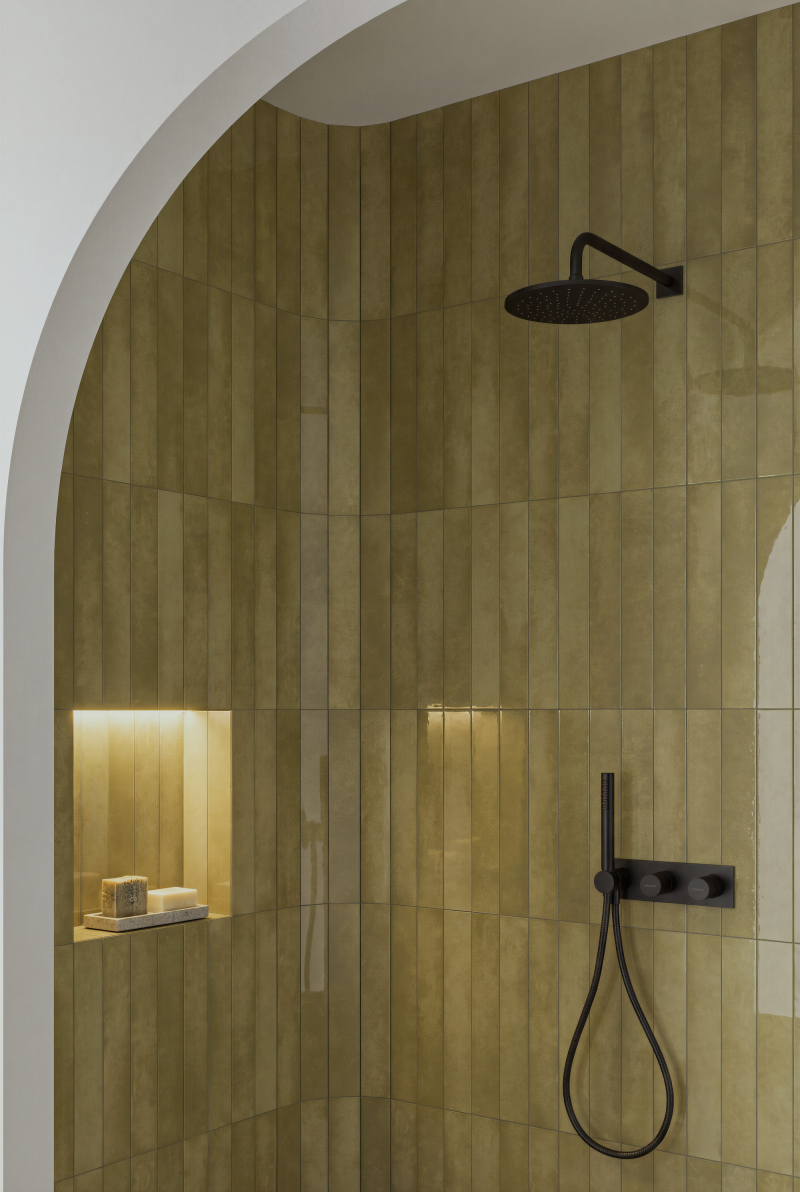
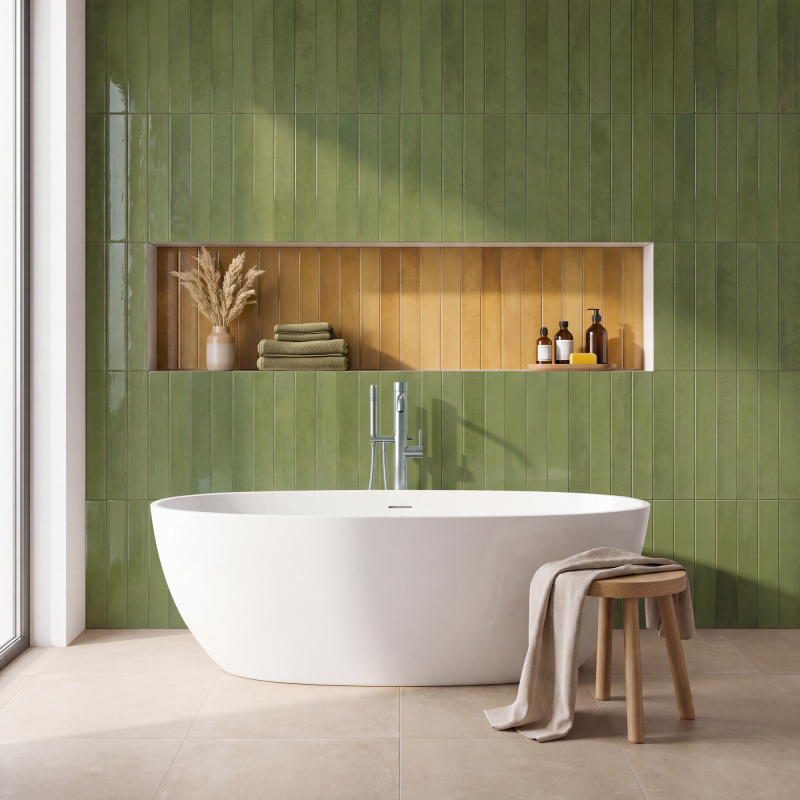
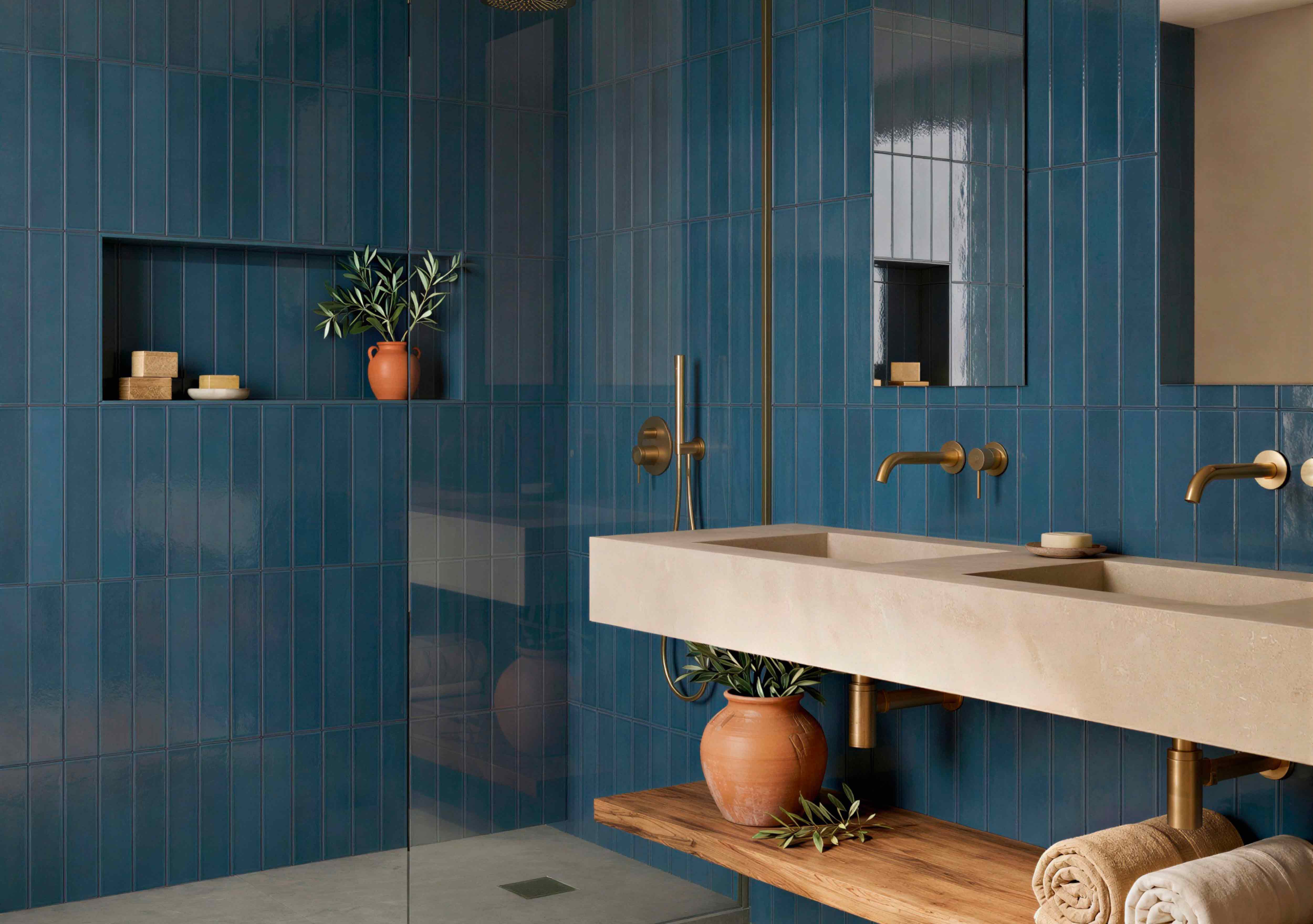
This collection of coloured tiles in a 7×43 cm format explores chromatic intensity through a contemporary palette of eight colours. From bright, fresh shades to warmer hues and deeper greens and blues, the range has been designed to allow each colour to be used individually or combined to create compositions with varying degrees of contrast.
In Croma, however, colour is never perceived as a flat surface. Its glossy finish and pronounced shade variation give each piece subtle differences in intensity and tone. Light reflects differently across the tiles, creating a dynamic surface that changes depending on the viewing angle and the lighting conditions within the space. It is precisely this variation that enriches the overall composition and reinforces the collection’s expressive character.
The 7×43 cm format, with its slender 1:6 proportion, also introduces a graphic and architectural dimension. Its elongated geometry allows for different laying patterns to be explored, while the grout joint becomes an additional element within the composition. Horizontal or vertical layouts, more graphic patterns or continuous surfaces make it possible to adapt the tiles to projects with very different styles.
Croma also recaptures some of the visual richness of handcrafted ceramics, reinterpreting it through a contemporary language. The gloss, depth of the glaze and chromatic variations bring personality to the surface while maintaining a distinctly modern aesthetic.
The result is a collection of small-format glossy tiles designed for wall applications, bringing colour to kitchens, bathrooms and other interior spaces. An especially versatile tool for architects and interior designers looking to take ceramics beyond their conventional role as a wall covering and turn colour, geometry and light into defining elements of the project.