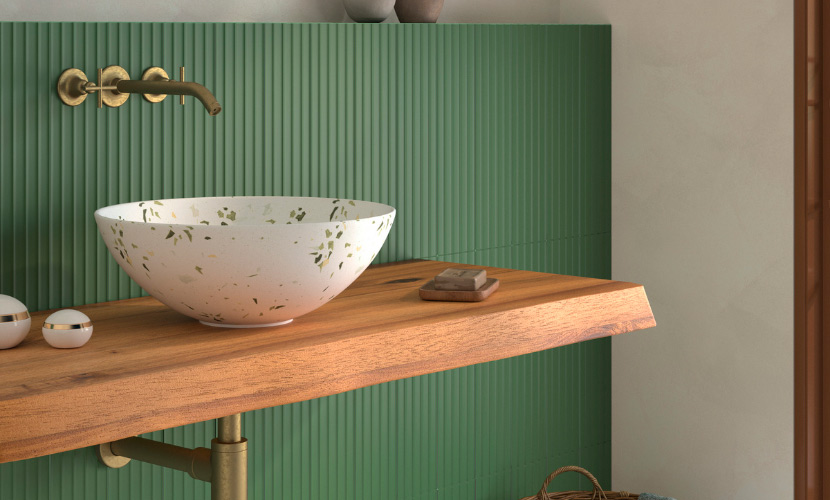

Ideas for using ceramics on decorative walls
Walls are no longer simply a backdrop and have become one of the main features of interior design. A well-designed decorative wall can completely transform a space, create a focal point, add texture, introduce colour or create visual continuity with the rest of the materials.
In this context, ceramics have become one of the most versatile solutions for designing decorative walls. Thanks to the enormous variety of formats, colours, reliefs and finishes available, they make it possible to create compositions ranging from minimalist and contemporary settings to spaces with a strong artisanal or natural inspiration.
In addition to their aesthetic value, decorative wall tiles offer functional advantages such as high resistance, very easy maintenance and great durability, making them an excellent option for both interior and exterior decorative walls.
In this article, you will discover ideas for using ceramics on decorative walls in living rooms, kitchens, bedrooms, bathrooms and terraces, as well as the latest trends for creating spaces with personality.
Why choose ceramics to create a decorative wall?
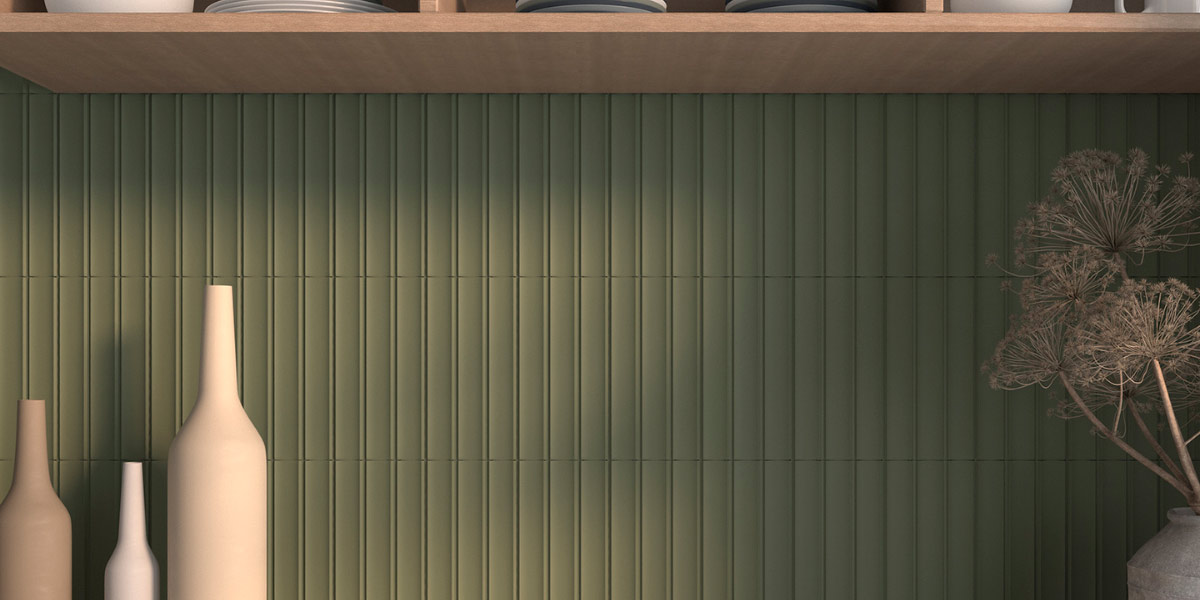
Ceramics offer a level of creative freedom that is difficult to match with other materials. Their enormous variety of colours, textures, reliefs, formats and finishes makes it possible to design walls with personality, capable of completely transforming the perception of a space.
From smooth, minimalist surfaces to pieces with a strong artisanal character, as well as gloss, Matt or three-dimensional finishes, ceramics adapt easily to any decorative style. Whether in a contemporary, classic, Mediterranean, industrial or natural setting, there is always a collection capable of providing the perfect balance between design and materiality.
It is precisely this versatility that makes ceramics one of the best options for creating walls that not only define the boundaries of a space, but also define the space itself.
If, in addition, you would like to discover the advantages of covering a wall with ceramics or which aspects should be taken into account before choosing the material, we recommend reading our guide on how to cover a wall with ceramic tiles.
Ideas for decorative walls with ceramics
Decorative walls according to the desired effect
Not all decorative walls are designed to achieve the same result. Some are intended to capture all the attention from the very first moment, while others aim to add texture, depth or a greater sense of spaciousness. Ceramics make it possible to achieve very different effects thanks to the combination of colour, relief, format and finish.
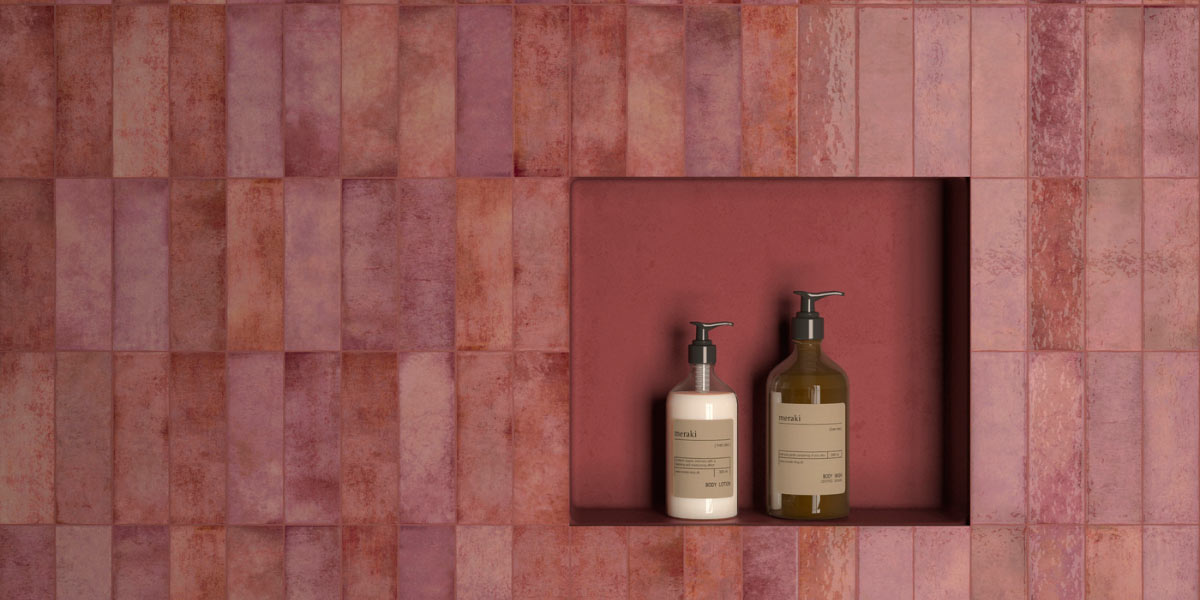
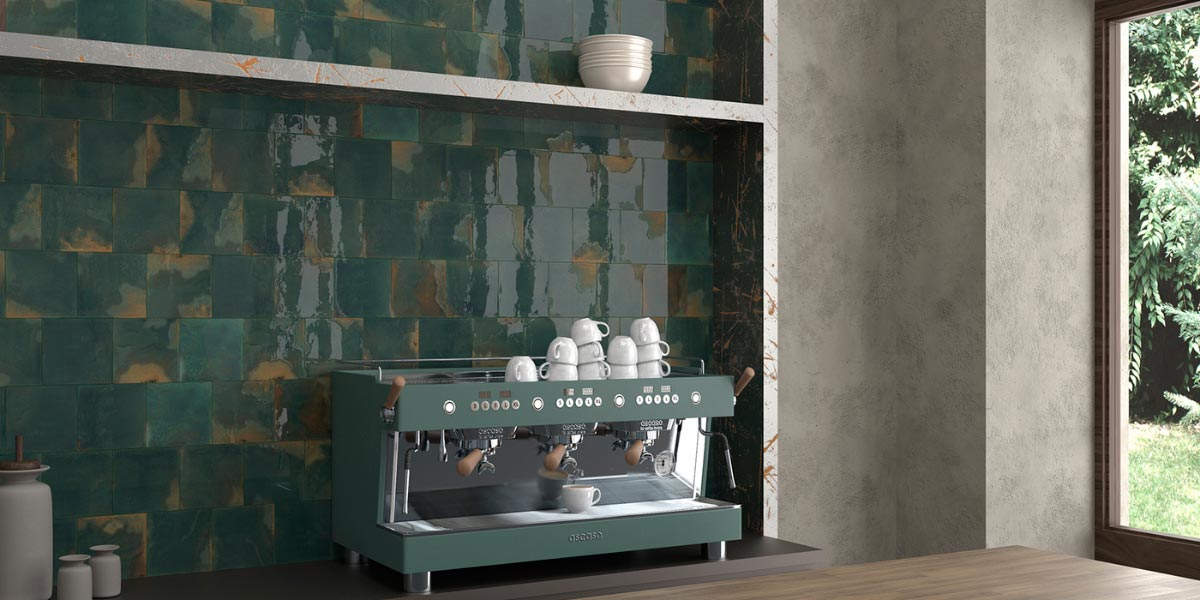
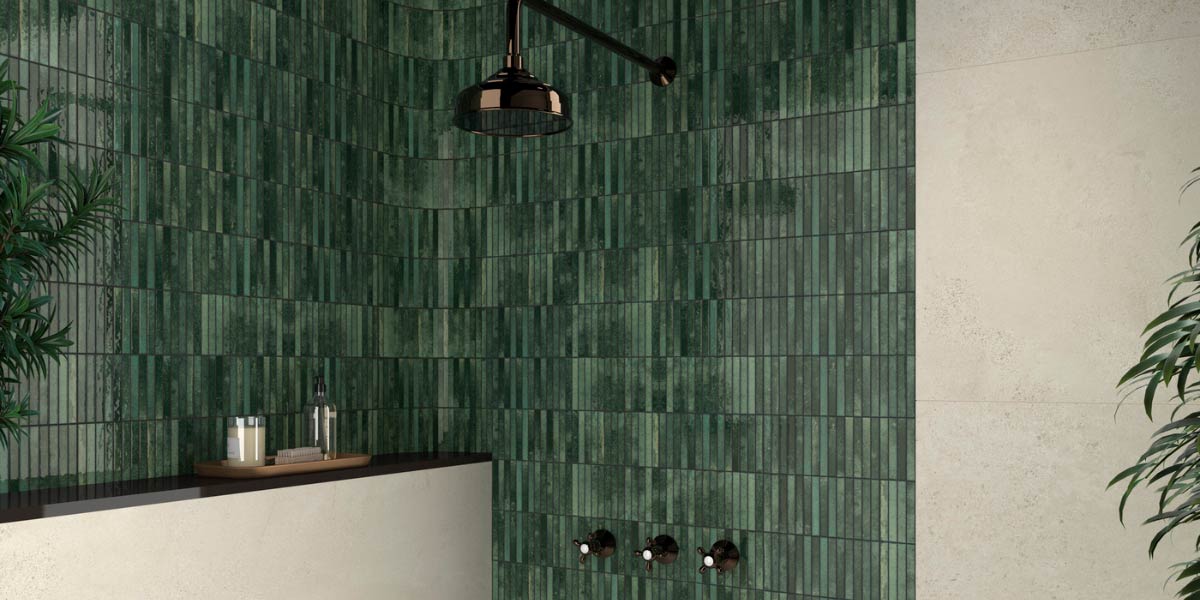
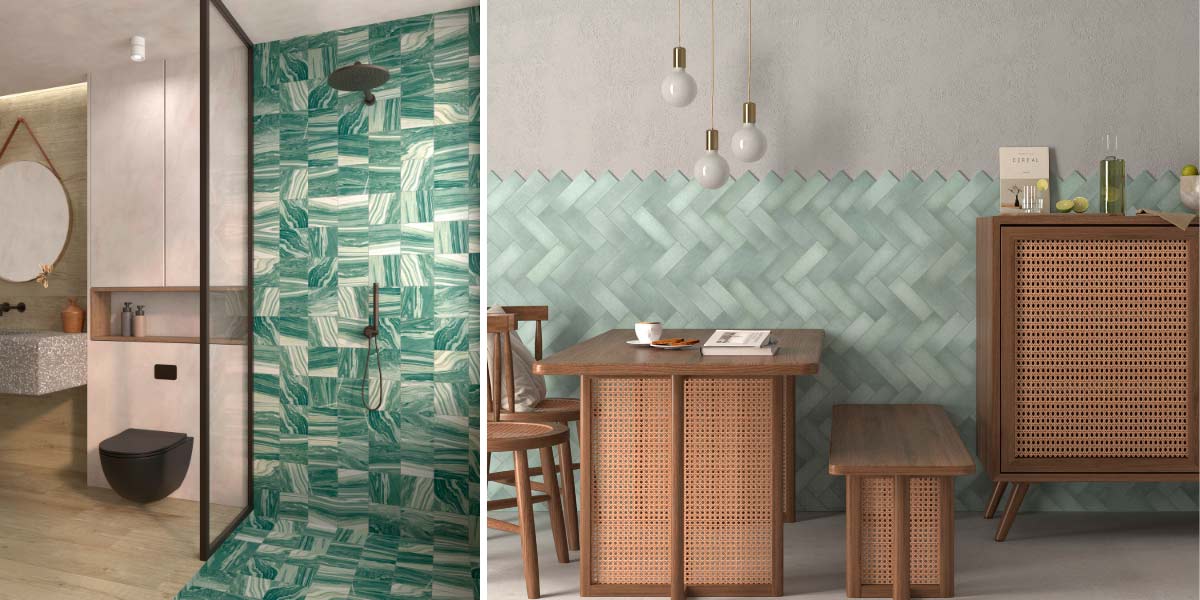
- Create a statement wall with colour. Colour is one of the most effective resources for turning a wall into the centre of attention. A ceramic wall covering in intense tones or with a carefully selected palette can completely transform the atmosphere of a room and add personality without the need for excessive decoration.
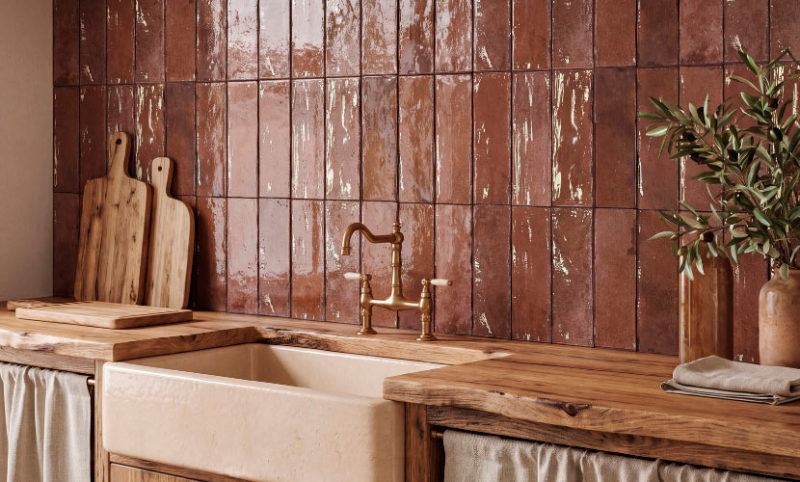
Deep greens, blues, terracottas, sandy tones or multicoloured compositions make it possible to create very different environments, from relaxing spaces to more sophisticated and daring designs. In addition, ceramics offer a chromatic richness that is difficult to achieve with other materials, while keeping the colour unchanged over time.
This type of decorative wall works particularly well behind the headboard of a bed, on the main wall of a living room, in dining rooms or as a backdrop in an open-plan kitchen, where it helps to visually define the space.
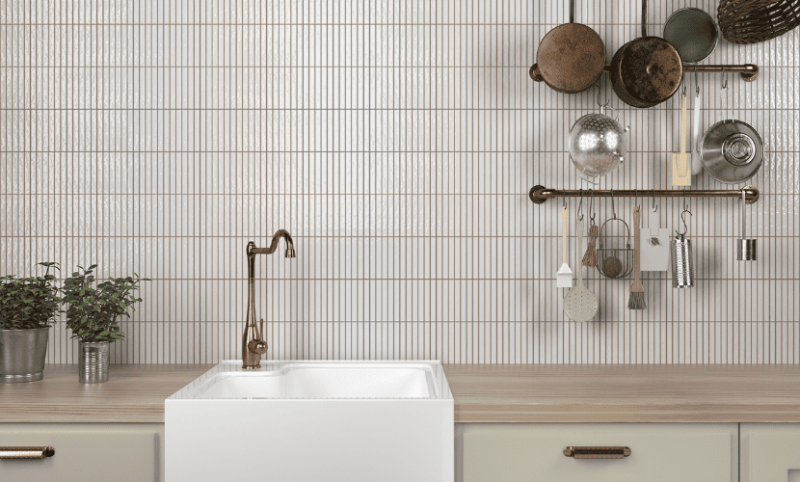
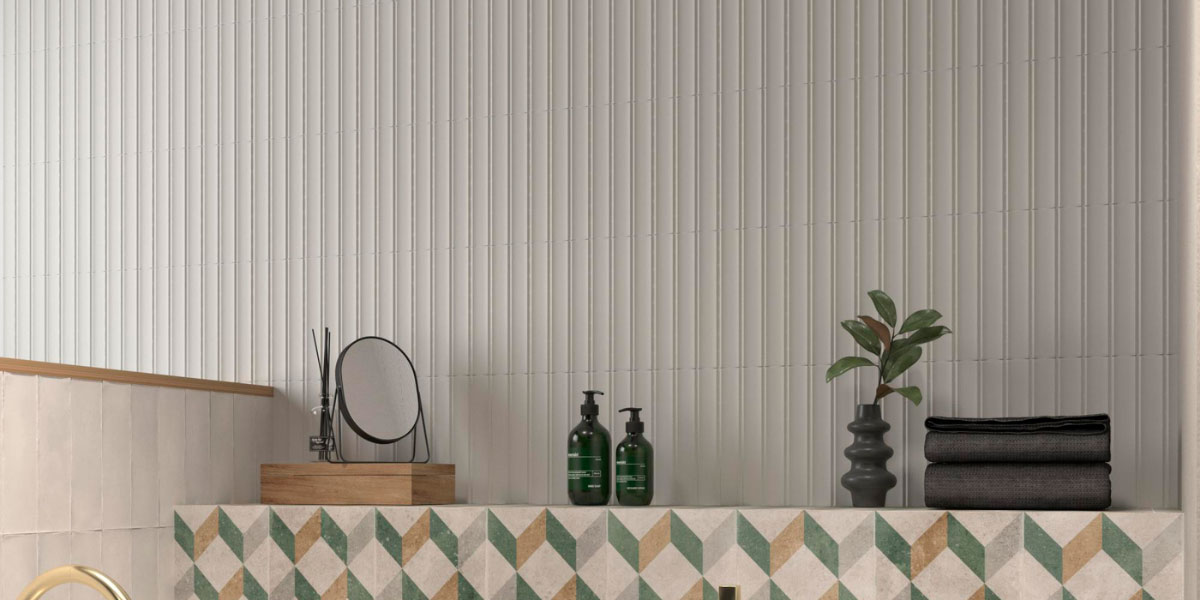
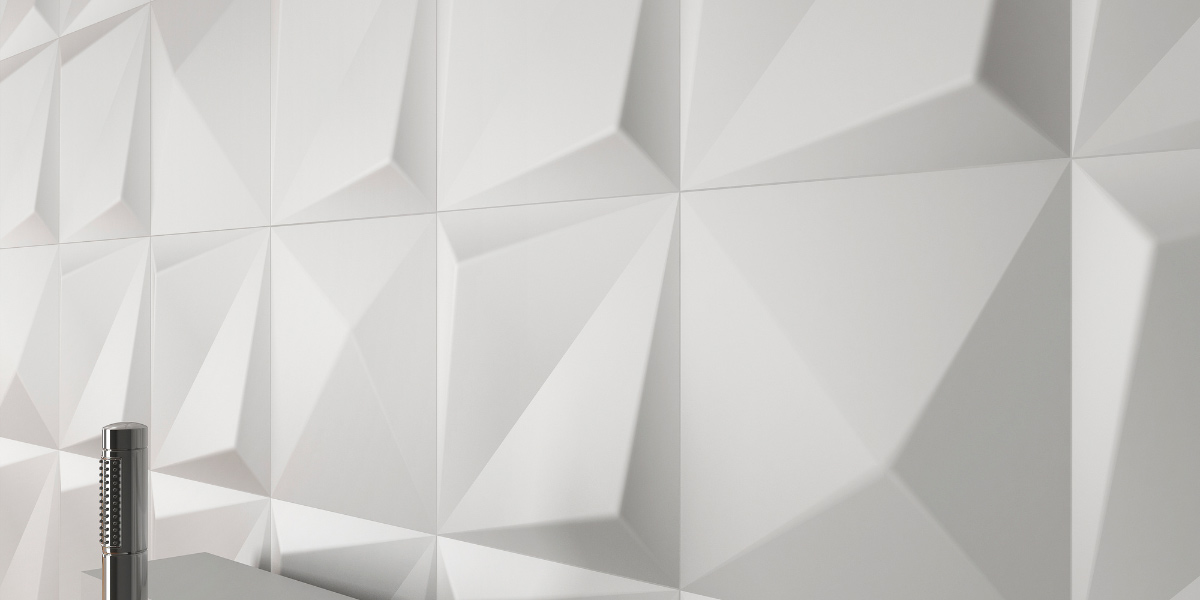
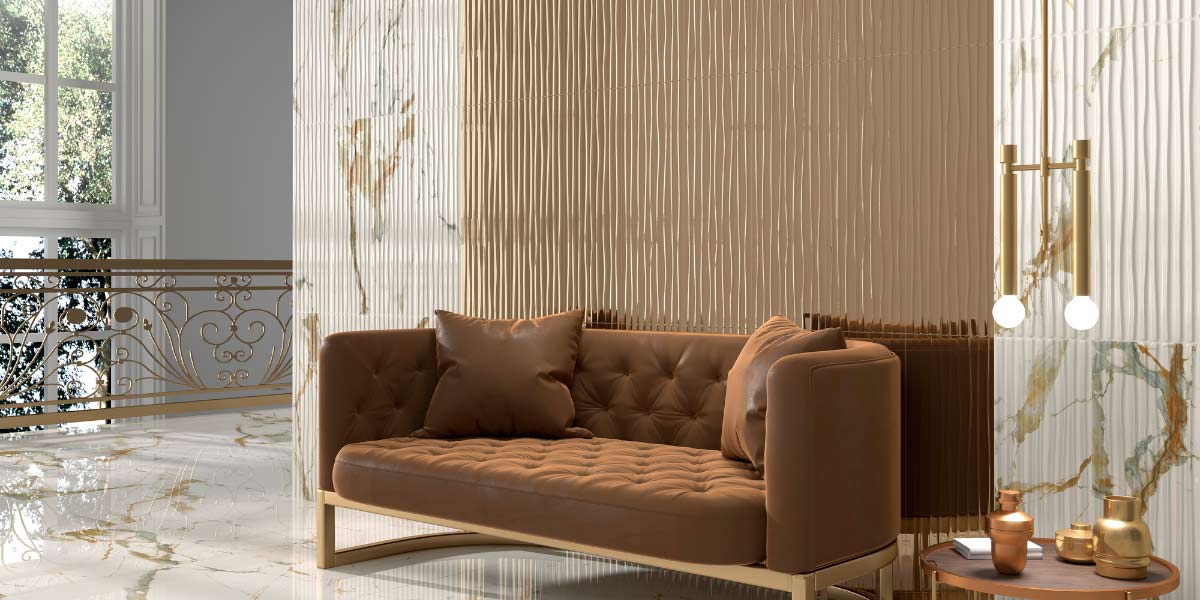
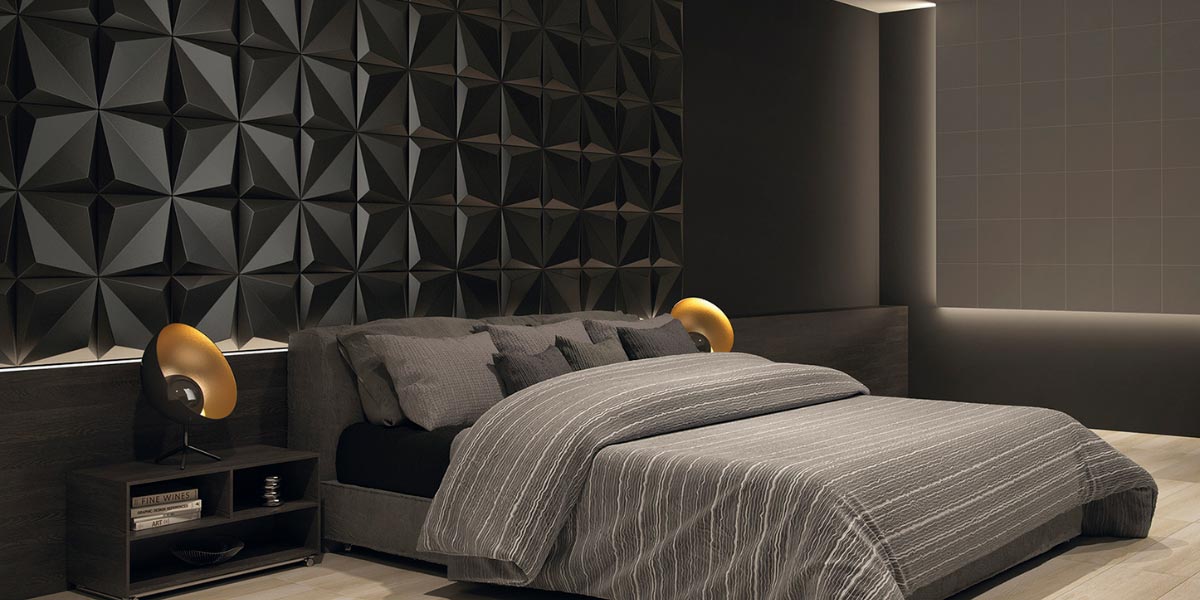
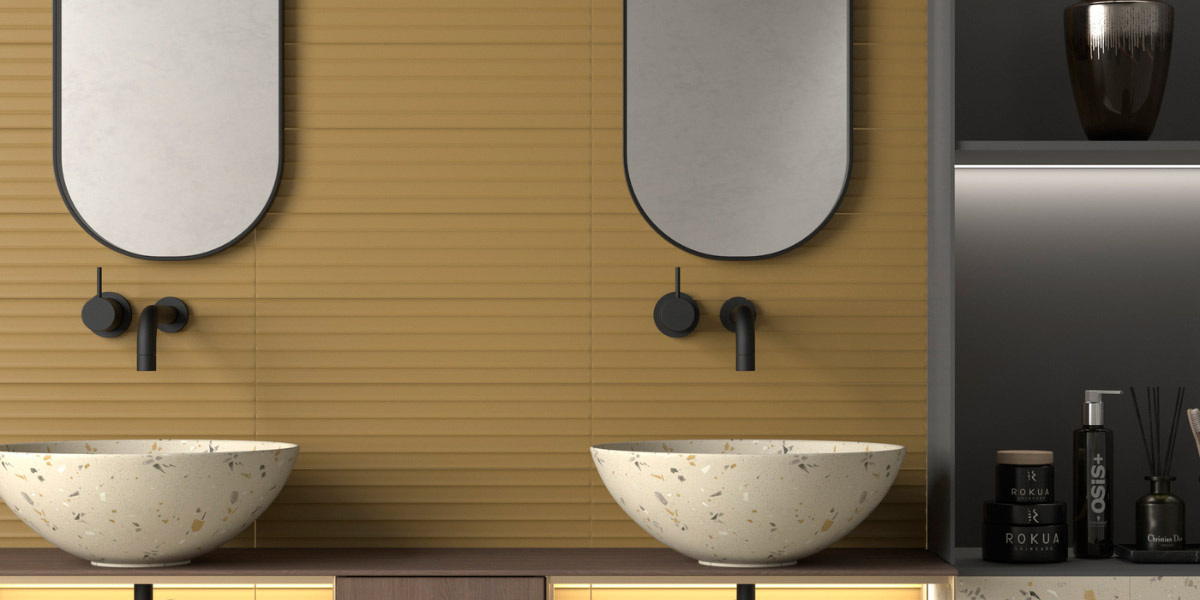
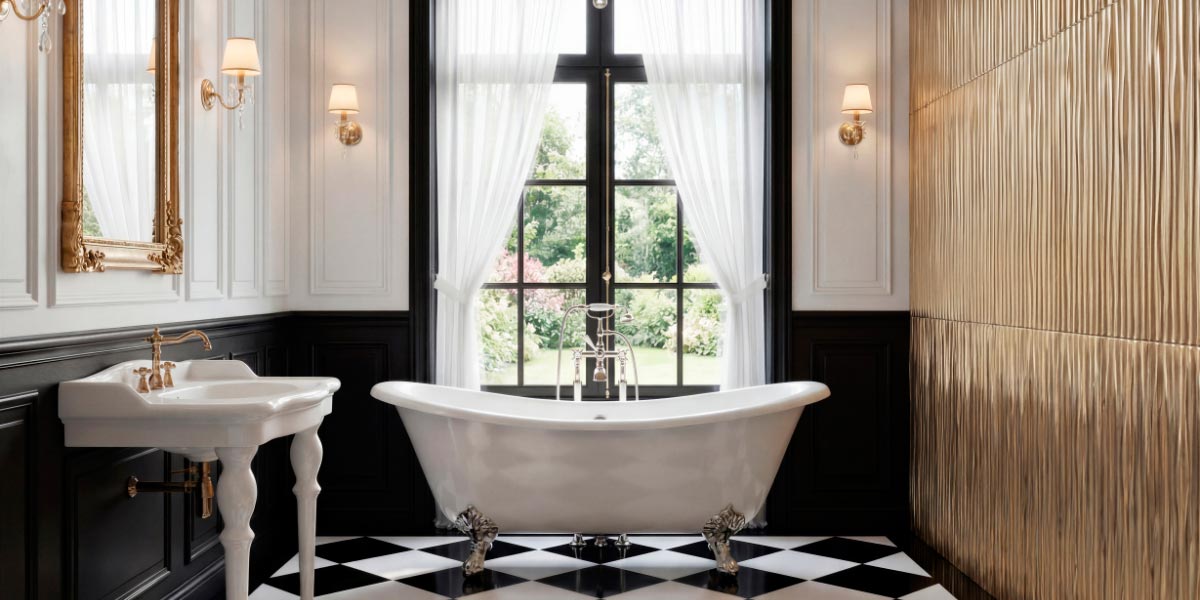
- Add texture with ceramic reliefs. It is not always necessary to use colour to create a wall with personality. Ceramic wall coverings with relief make it possible to introduce volume and texture, creating surfaces whose appearance changes depending on how the light falls on them throughout the day.
Waves, fluted patterns, geometric shapes, handcrafted reliefs or three-dimensional compositions add depth and create an attractive interplay of light and shadow that enriches the space without overwhelming it. The result is dynamic walls that convey a greater sense of movement and sophistication.
This effect is particularly interesting in contemporary and minimalist projects, where the relief itself becomes the main decorative element, adding character even when neutral colours or a very restrained palette are used.
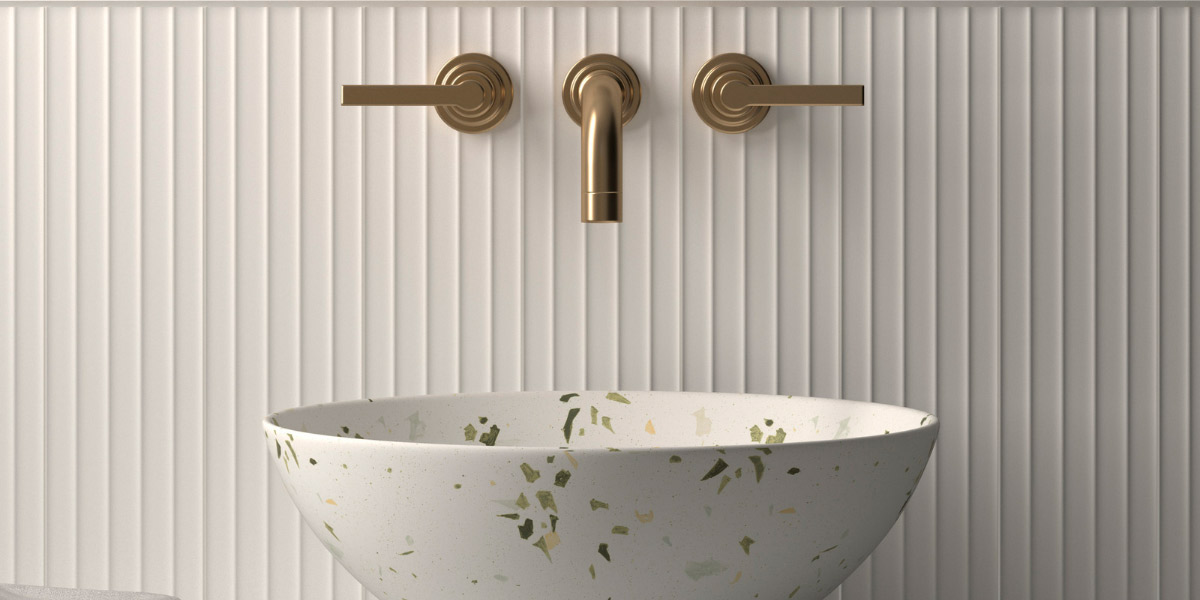
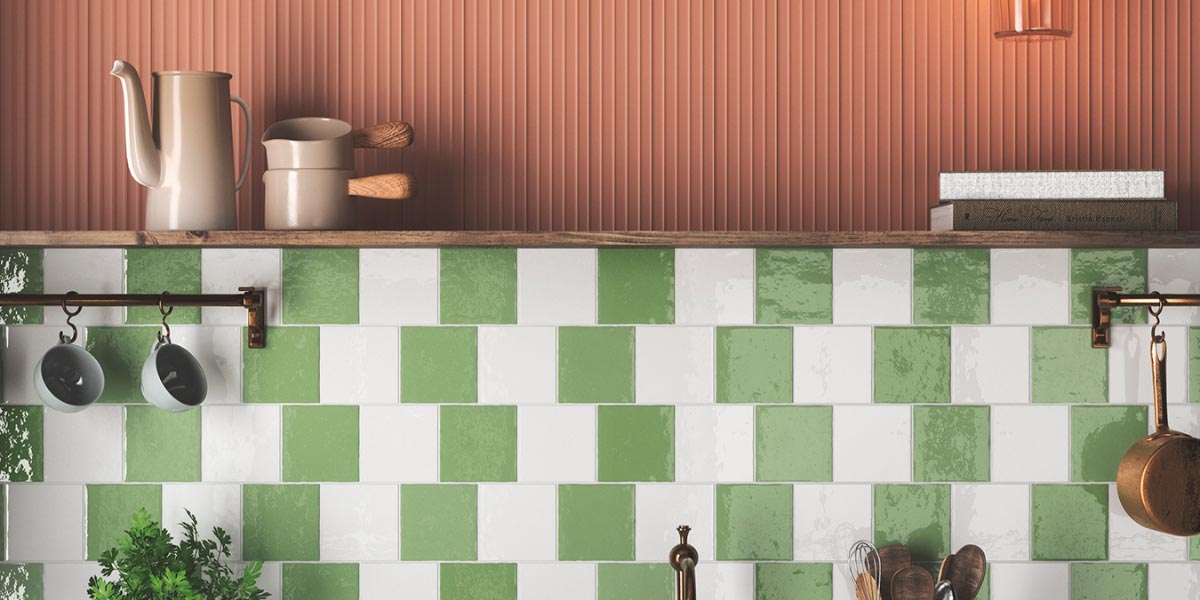
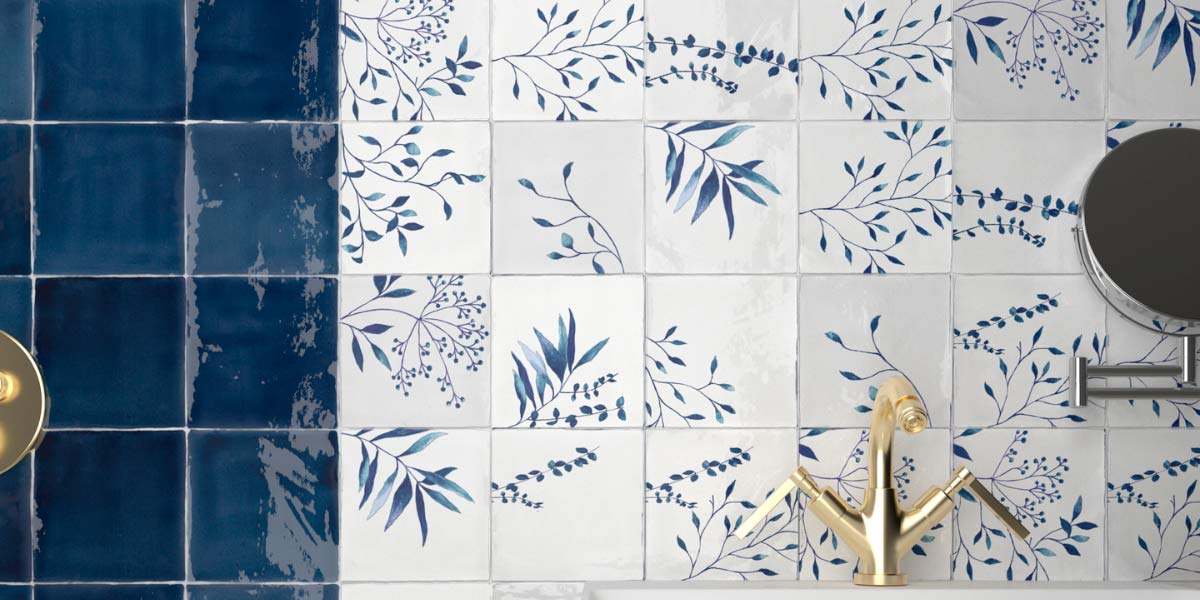
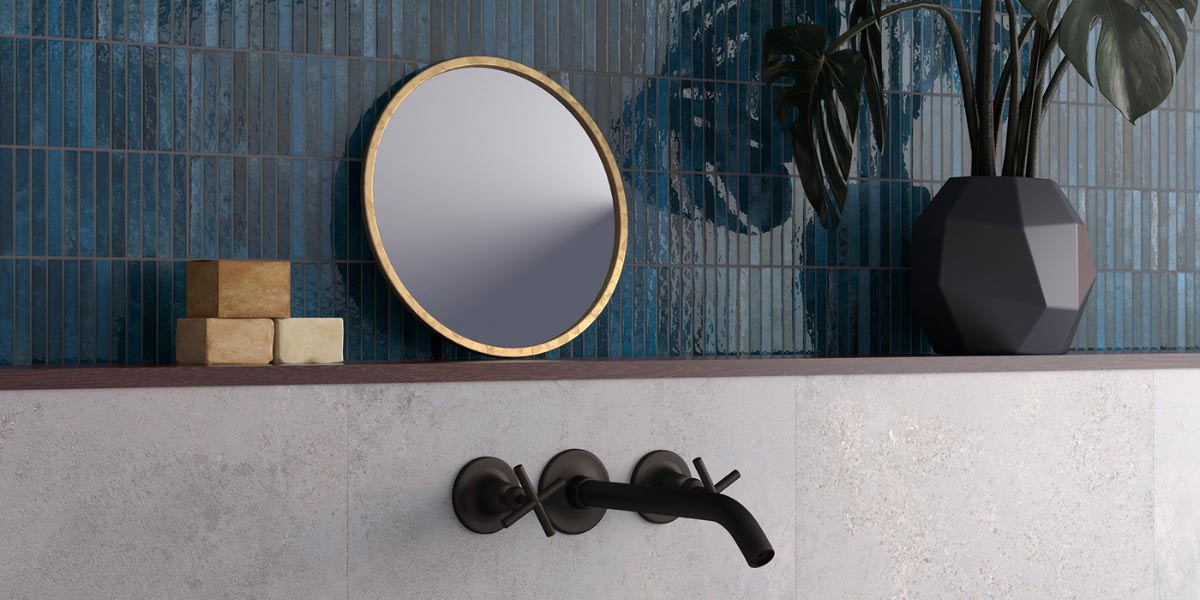
- Design walls with small ceramic pieces. Small ceramic pieces have the ability to transform a wall into an element full of rhythm, detail and personality. Their format makes it possible to create more dynamic compositions, play with grout joints and add a visual richness that is difficult to achieve with large-format pieces.
Mosaics and small-format wall coverings are an excellent option for designing decorative walls with a strong handcrafted character, reinterpreting classically inspired spaces or adding a contemporary touch through geometric, linear or organic compositions. In addition, the wide variety of colours, finishes and shapes available allows them to adapt to practically any decorative style.
This type of decorative wall tile works particularly well in areas that you want to highlight, such as a kitchen backsplash, the wall behind the washbasin, niches or alcoves. Used strategically, they can add texture, depth and great visual impact without the need to cover the entire room.
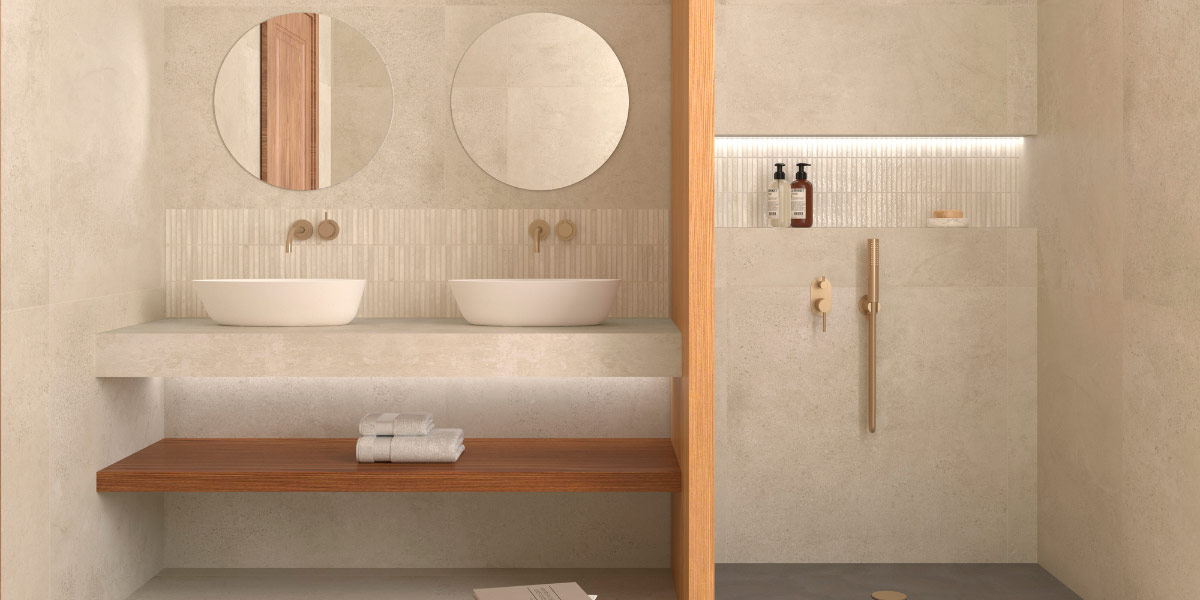
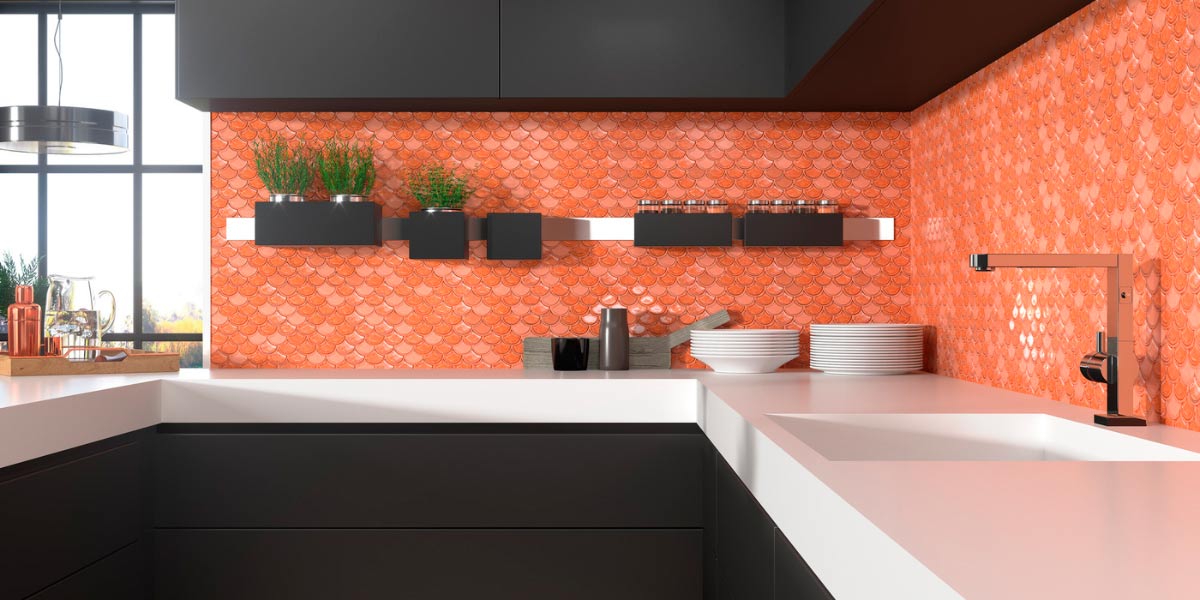
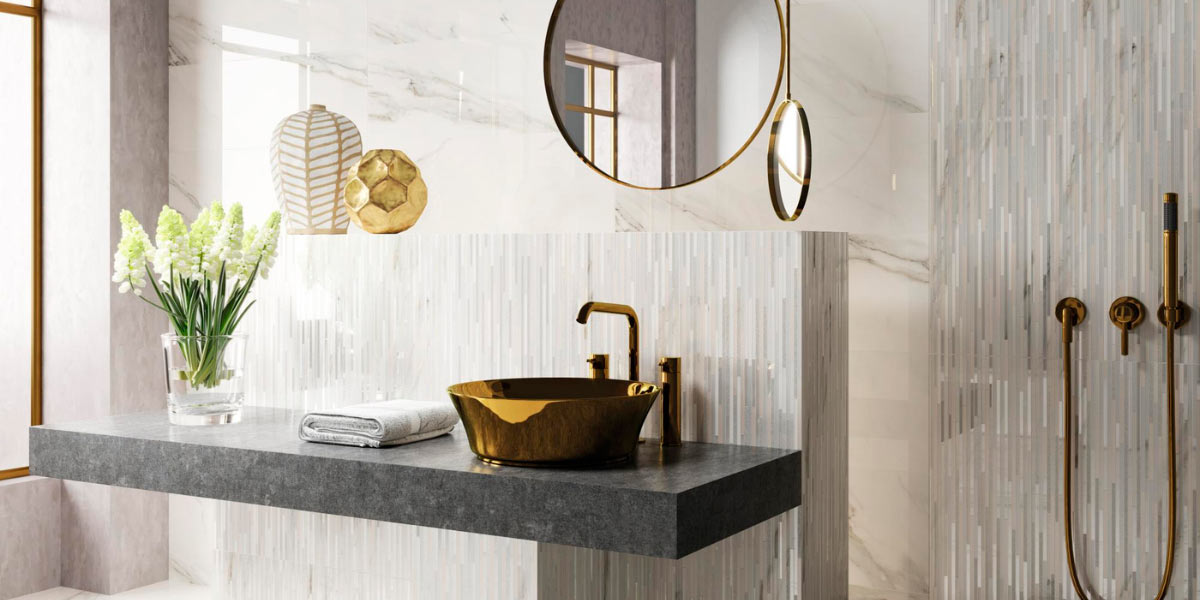
- Play with contrasts between gloss and Matt. It is not always necessary to use different colours or formats to create a decorative wall with personality. Combining gloss and Matt finishes makes it possible to create subtle contrasts that add depth, dynamism and greater visual richness.
Glossy surfaces reflect light and enhance the brightness of the space, while Matt finishes offer a calmer, more natural and contemporary aesthetic. Used together, they make it possible to highlight specific areas of the wall, create sophisticated compositions or emphasise reliefs and textures without the need to introduce changes in colour.
This approach is particularly interesting in minimalist projects or environments where an elegant design based on subtle nuances and the interaction of light with the surface is desired.
If you would like to discover how to combine both finishes to achieve a balanced result, we recommend reading our guide on how to combine gloss and Matt tiles.
Decorative walls according to the room
The possibilities of a decorative wall change depending on the space in which it is integrated. Designing a living room intended to impress at first glance is not the same as designing a bedroom where the aim is to create a relaxing atmosphere or a kitchen where aesthetics must coexist with functionality.
The versatility of ceramics makes it possible to adapt the design to each setting through different colours, formats, reliefs and finishes. From large continuous surfaces to small-format compositions or mosaics, each room offers new opportunities to turn a wall into a statement feature.
Below, we show you some ideas for using ceramics on decorative walls in living rooms, kitchens, dining rooms, bedrooms, bathrooms and outdoor spaces, adapting the design to the characteristics and needs of each project.
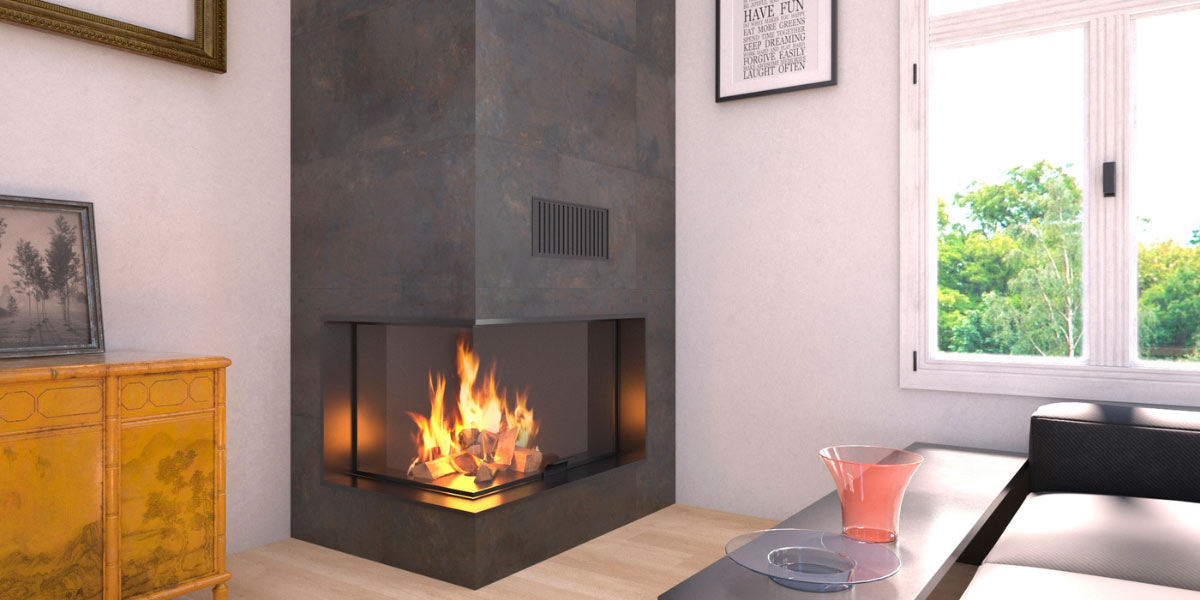
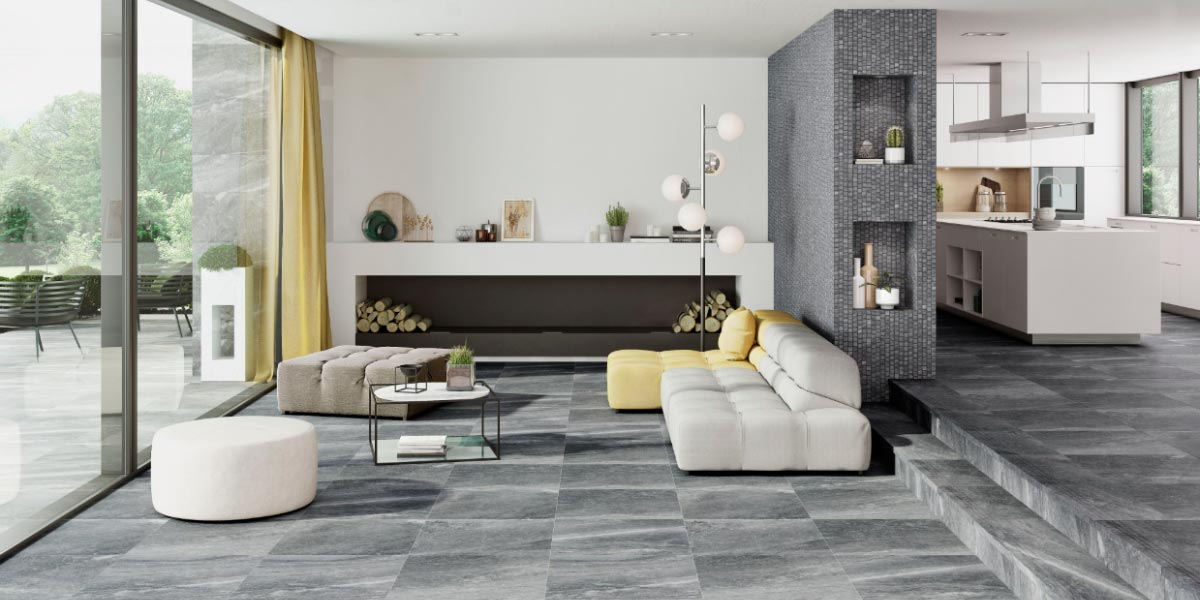
- Decorative walls for living rooms. The living room is one of the spaces where a decorative wall can have the greatest visual impact. As the main space in the home, covering a single wall with ceramics is a way to create a focal point that adds personality without overwhelming the room.
The wall behind the sofa is usually one of the most common options, although other architectural elements also work very well, such as cladding a fireplace with ceramics or the wall where the television is integrated. In all these cases, ceramics help to frame the main feature and reinforce the composition of the space through the colour, relief, texture or format of the pieces.
In open-plan homes, decorative walls are also an excellent resource for visually defining different areas without the need to build partition walls. A ceramic wall covering can differentiate the living area from the dining room or kitchen, bringing continuity to the overall design while giving each space its own identity.
The key is to choose a design that works in harmony with the other materials present in the room. Whether through large-format pieces, small wall coverings, relief finishes or handcrafted-inspired compositions, a well-designed ceramic wall can completely transform the perception of the living room.
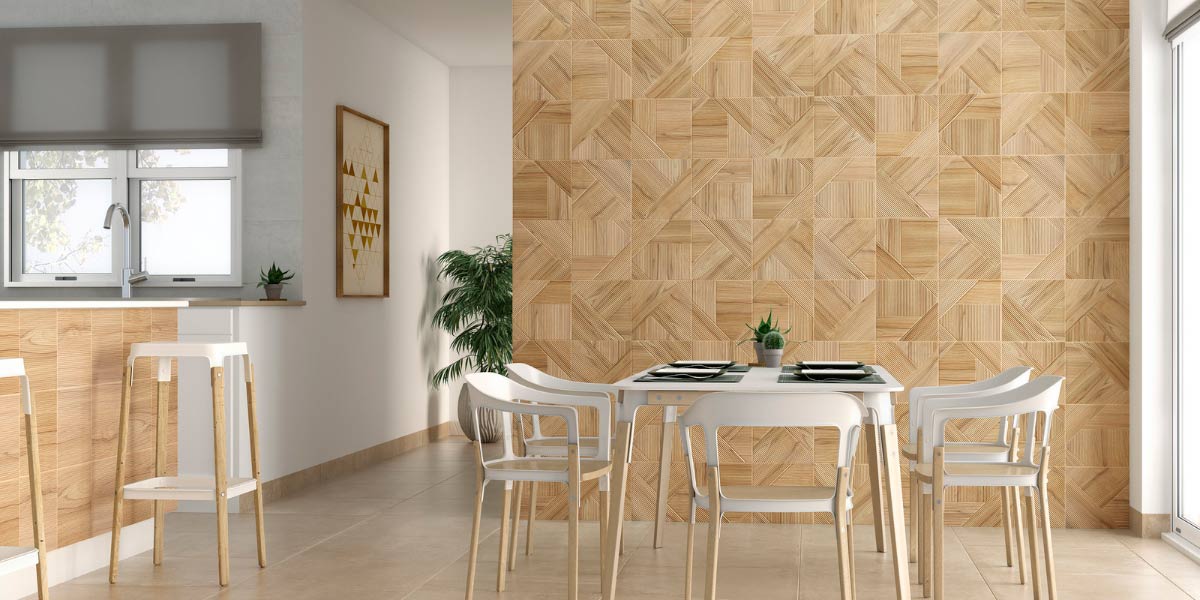
- Decorative walls for dining rooms. In the dining room, a decorative wall not only adds aesthetic value but also helps to visually organise the space. Cladding the main wall where the table is positioned makes it possible to define this area within the home and turn it into a setting with its own identity.
This approach is particularly interesting in open-plan spaces, where the living room, dining room and kitchen share the same environment. Ceramics make it possible to differentiate the dining area without the need to create physical divisions, creating a natural transition between the different areas of the home and providing a greater sense of order and balance.
Depending on the desired effect, it is possible to opt for colours that add warmth, reliefs that create depth, small formats with a handcrafted feel or large pieces that enhance visual continuity. The result is a more welcoming, elegant dining room with a strong decorative character, where the wall is no longer simply a backdrop but becomes an essential part of the project.
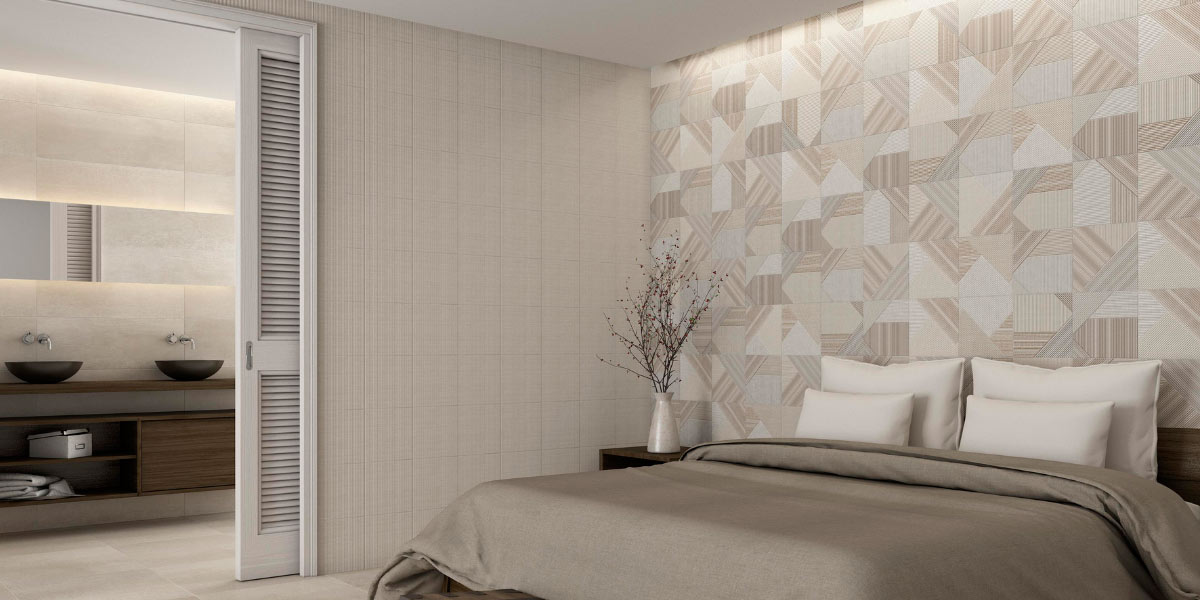
- Decorative walls for bedrooms. The bedroom is a space designed for rest, so the decorative wall should help create a serene and welcoming atmosphere. The most common location is the headboard wall, as it acts as the focal point of the room and makes it possible to add personality without overwhelming the overall design.
A ceramic wall covering behind the bed helps to visually frame the sleeping area and can replace a traditional headboard or complement it. It is also an excellent option for covering the entire back wall, creating a continuous composition that provides a greater sense of depth and balance.
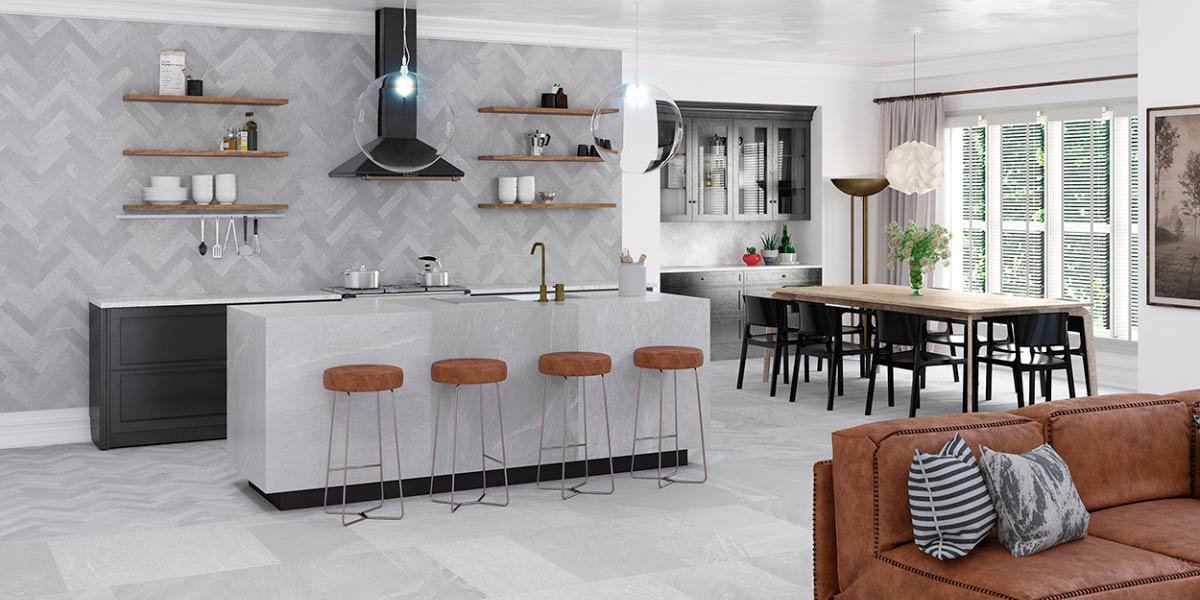
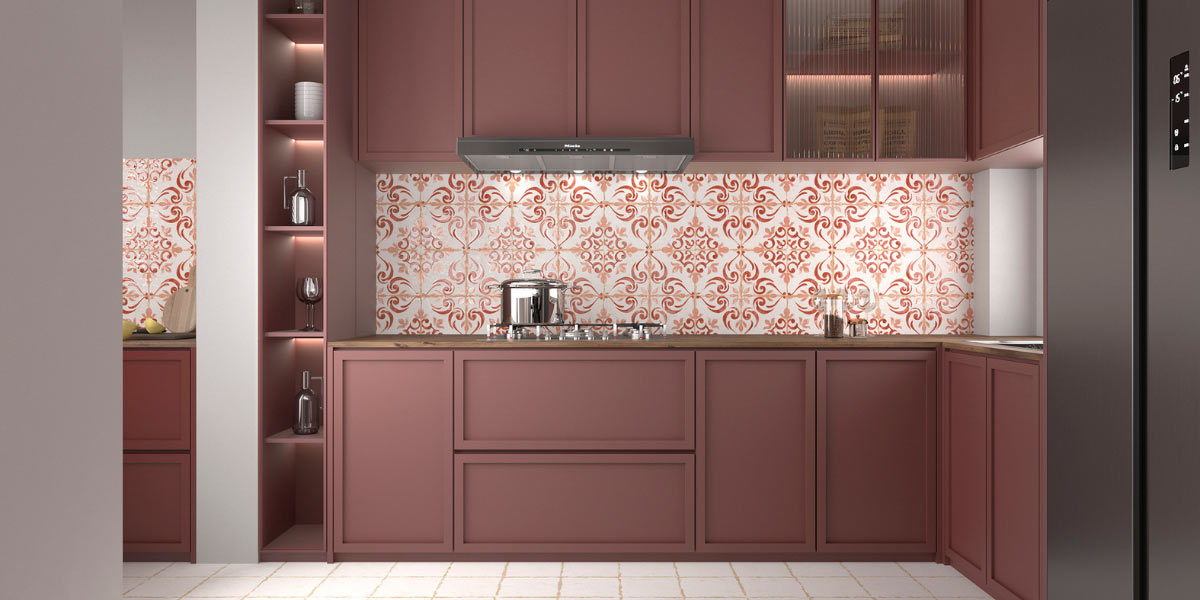
- Decorative walls for kitchens. The kitchen is no longer an exclusively functional space and has become one of the most prominent rooms in the home. In this context, decorative walls make it possible to add personality, highlight specific architectural elements and create compositions that combine design and functionality.
In addition to cladding the kitchen backsplash, ceramics can be used to cover the wall of an island or peninsula, highlight structural columns or create a characterful backdrop in the breakfast area or kitchen dining area. These resources help to visually organise the space and differentiate different uses within the same kitchen, particularly in open-plan layouts.
Depending on the style of the project, it is possible to opt for small formats, mosaics, relief pieces, handcrafted finishes or large continuous surfaces. The key is to use the decorative wall to reinforce the identity of the kitchen and turn it into a space that is as attractive as it is practical, where the wall covering forms part of the design rather than being merely a functional element.
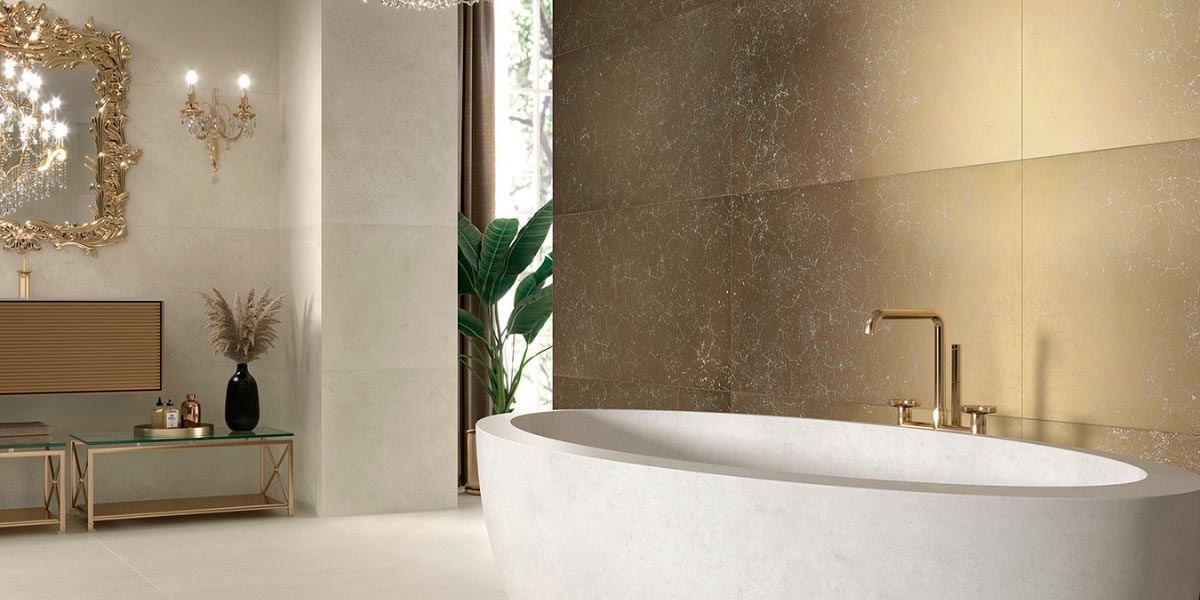
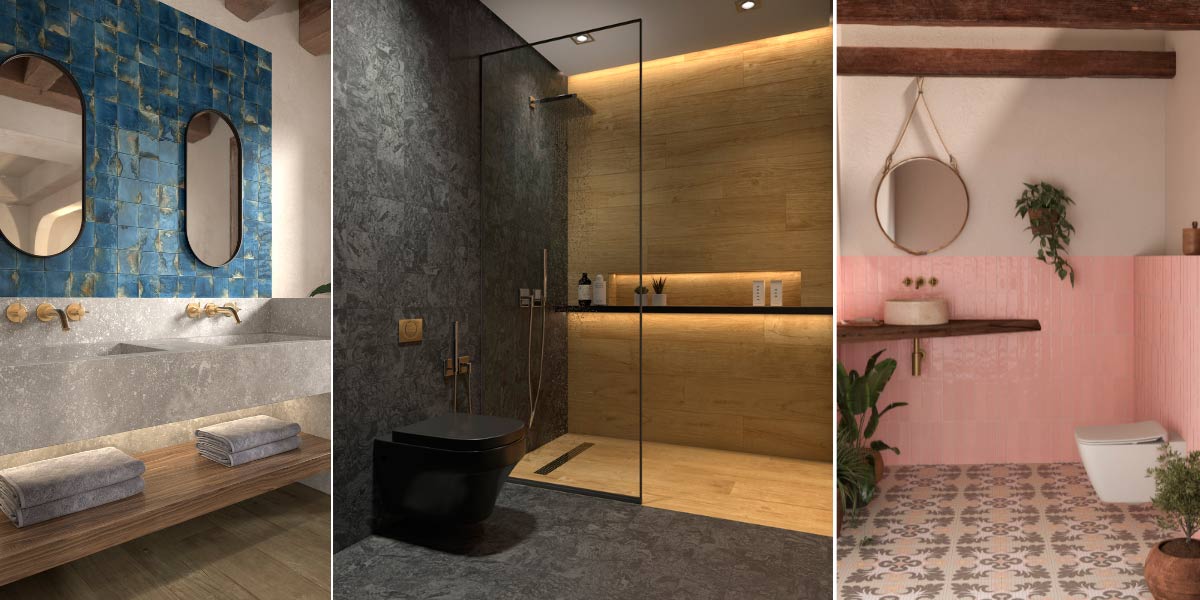
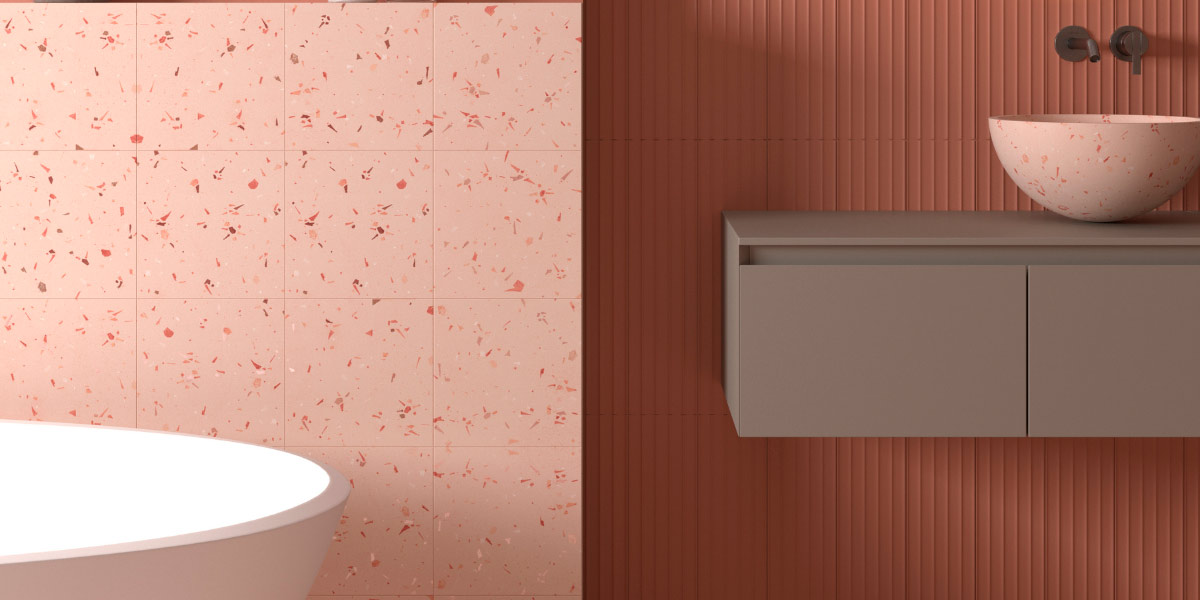
- Decorative walls for bathrooms. The bathroom is one of the rooms where a decorative wall can completely transform the perception of the space. Rather than covering all surfaces in the same way, using ceramics to highlight a specific wall makes it possible to create more elegant, balanced environments with greater personality.
The most common areas are the washbasin wall, where the wall covering acts as a backdrop for the vanity unit and mirror, or the interior of the shower, which can become the true focal point of the bathroom through the use of colour, reliefs, small formats or handcrafted-inspired compositions. It is also possible to highlight the wall behind a freestanding bathtub to enhance its prominence and create an environment with a distinctive spa-like character.
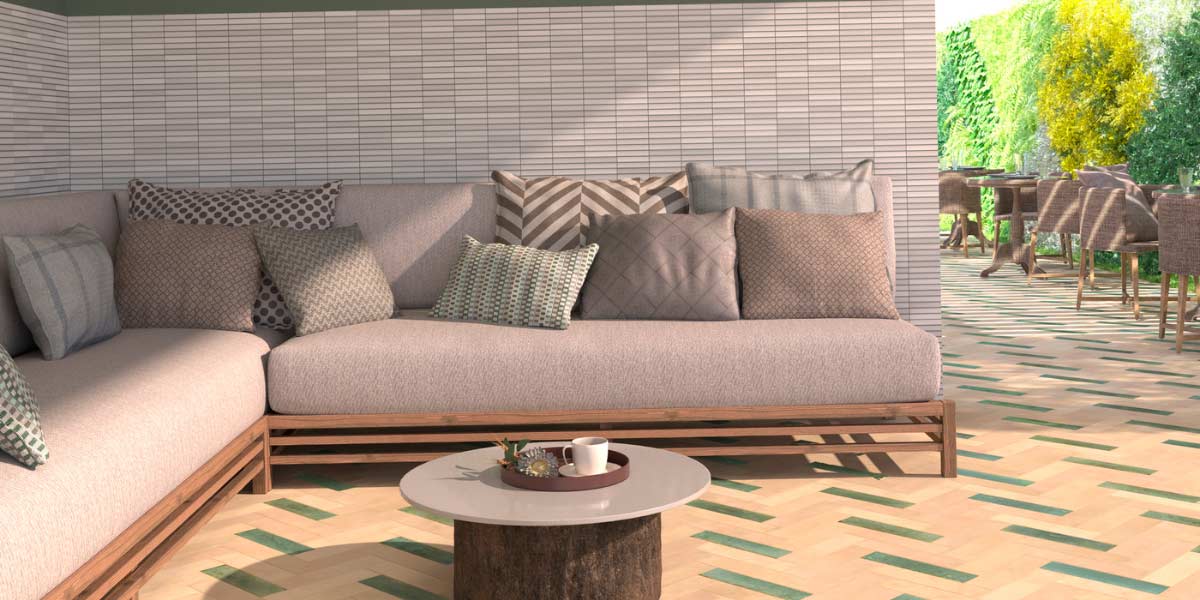
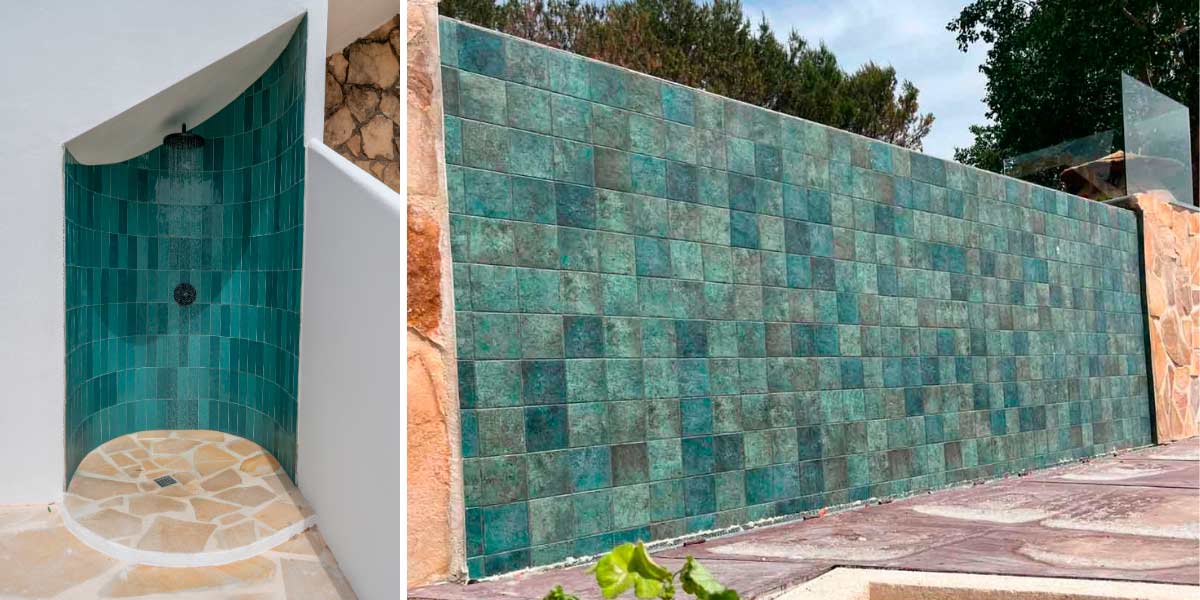
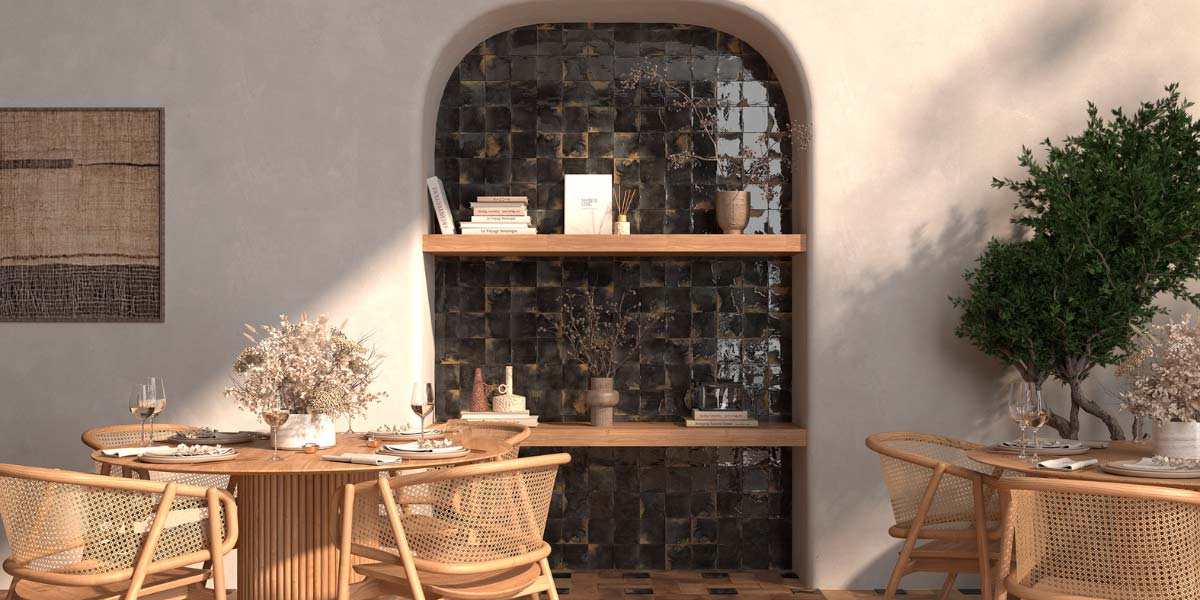
- Decorative outdoor walls. Decorative walls also have great potential in outdoor spaces. Patios, terraces, porches or gardens can gain personality through ceramic wall coverings capable of withstanding weather conditions without compromising on design.
In patios and terraces, a wall clad with ceramics can become the perfect backdrop for an outdoor living or dining area, adding texture, colour and continuity with the rest of the architecture. In pool areas, a decorative wall can be used to clad a perimeter wall, an outdoor shower or a water wall with ceramics.
Trends in modern decorative walls
Decorative walls evolve at the same pace as interior design. Current trends focus on creating more sensory spaces, where colour, texture and natural materials add personality without becoming excessive. Ceramics respond to this new approach to design thanks to their ability to reinterpret traditional finishes from a contemporary perspective.
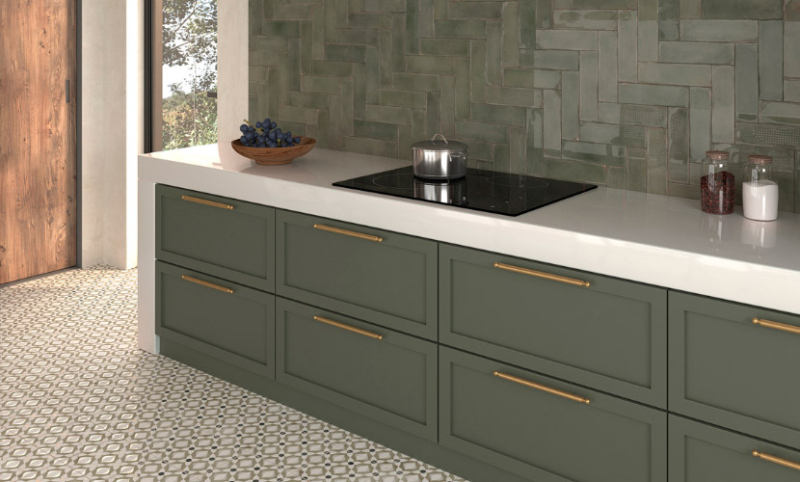
- Natural colours. Tones inspired by nature continue to set the trend in modern decorative walls. Off-whites, sandy tones, creams, stone shades, earthy tones, terracottas, soft greens and desaturated blues create bright, timeless environments that convey a sense of calm and well-being.
- Organic reliefs. Surfaces with organically inspired reliefs have become one of the major trends in decorative walls. In contrast to rigid geometries, soft shapes, undulating forms and textures that evoke elements found in nature are gaining prominence, providing a greater sense of movement and warmth.
- Small formats with great personality. Small formats are experiencing a true revival in contemporary interior design. Far from being considered an exclusively classic option, they are now used to create decorative walls full of rhythm, texture and visual richness, capable of bringing unique character to any space.
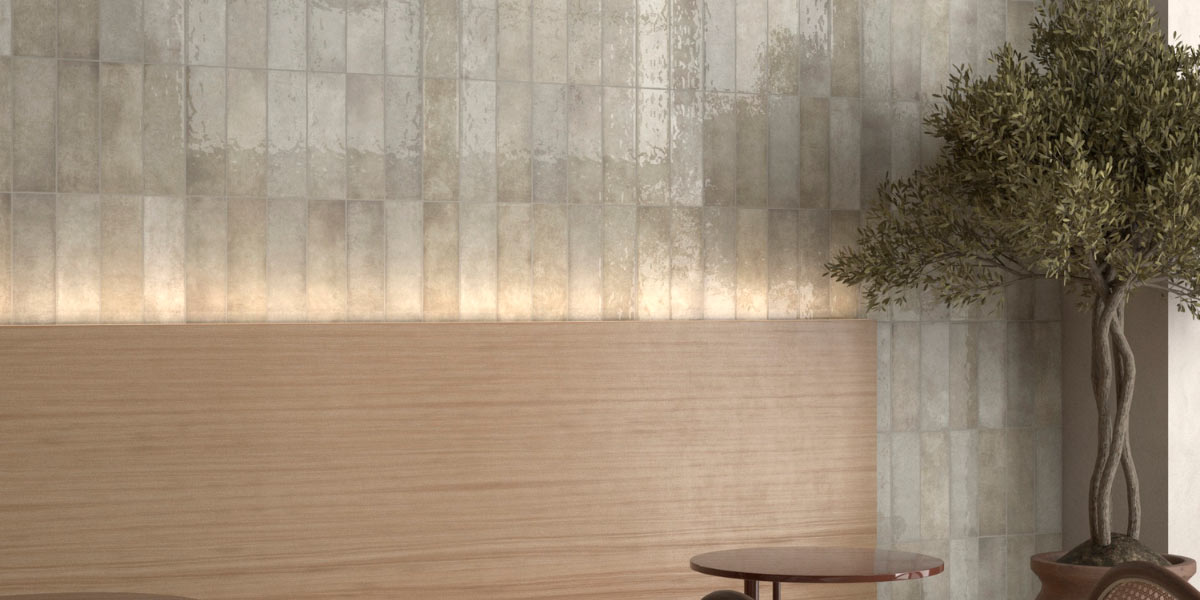
- Combination of materials. One of the main trends in modern decorative walls is the combination of different materials to create spaces with greater visual richness. Ceramics are increasingly combined with wood, natural stone, microcement, metal or glass, resulting in balanced compositions where each element contributes a different texture and personality.
Mistakes to avoid when designing a decorative wall
A decorative wall is designed to attract attention and add personality to a space, but its success largely depends on achieving the right balance with the rest of the project. Avoiding some common mistakes will help achieve a more harmonious, timeless result that is consistent with the style of the home.
- Choosing too many statement elements. Ideally, there should be a single focal point, with the remaining elements complementing the composition. This allows the wall to take centre stage without competing with the rest of the design.
- Not taking lighting into account. Light completely transforms the perception of a decorative wall. A relief may be barely visible without properly planned artificial lighting. This aspect is particularly important for pieces with volume, glossy finishes or variations in texture.
- Overusing colour. Colour is a great ally when it comes to highlighting a wall, but using very intense tones across large surfaces or combining too many different colours can make the space visually overwhelming.
- Choosing a disproportionate format. The size of the pieces should be appropriately proportioned to the dimensions of the wall and the space. Choosing the right format makes it possible to reinforce the desired visual effect and achieve a better proportion between the wall covering and the architecture.
- Forgetting continuity with the rest of the space. A decorative wall should not be understood as an isolated element, but rather as part of the overall design.
Frequently Asked Questions
Which wall is best to decorate in a living room?
The best option is usually the main wall, in other words, the one that draws the eye when you enter the room. This is usually the wall behind the sofa, although it can also be the one framing the fireplace or television.
If the living room is part of an open-plan space, a decorative wall can also be used to visually differentiate the living area from the dining room or kitchen, adding personality without the need to build partitions. In any case, the most important thing is to choose a single statement wall to maintain a balanced and harmonious result.
How can you make a wall stand out without overwhelming the space?
The key is to create a single focal point. Instead of combining many colours, materials or decorative elements, it is preferable to let the wall take centre stage while the rest of the space maintains a more balanced aesthetic.
Opting for textures, reliefs or subtle contrasts between finishes instead of relying solely on colour can also help. This way, the wall gains personality without becoming excessive and blends naturally with the rest of the room.
What type of ceramics should you use for a decorative wall?
The choice will depend on the style you want to achieve, but it is generally advisable to opt for collections that add decorative value through colour, texture, relief or format. Pieces with handcrafted finishes, small formats, three-dimensional reliefs or surfaces inspired by natural materials are some of the most popular options in contemporary interior design.
Are decorative walls only suitable for interiors?
No. Decorative walls are also an excellent option for outdoor spaces such as terraces, patios, porches, gardens or pool areas. In these cases, in addition to adding personality and reinforcing the architectural style of the home, ceramics offer excellent resistance to moisture, solar radiation and temperature changes.
The key is to choose a wall covering suitable for outdoor use and design the wall as an element that is integrated with the overall space, whether to highlight a seating area, a garden wall or an outdoor shower.
What colours are currently trending for decorative walls?
Current trends favour colours inspired by nature, capable of creating warm and timeless spaces. Sandy tones, beige, stone, off-white, terracotta, olive green, sage or desaturated blue are some of the most popular options in contemporary interior design projects.
Rather than following a specific trend, the key is to choose a colour that works in harmony with the light, materials and style of the room. This way, the decorative wall will maintain its appeal over time and blend naturally with the overall space.
What is the difference between a clad wall and a decorative wall?
Although both concepts are often used as synonyms, they do not mean exactly the same thing. A clad wall refers to any wall covered with a material, whether for functional, aesthetic or protective purposes. In contrast, a decorative wall has a clearly visual purpose: to highlight a specific area of the space and turn it into a focal point through the colour, relief, format or texture of the wall covering. In other words, every decorative wall is clad, but not every clad wall is necessarily decorative.
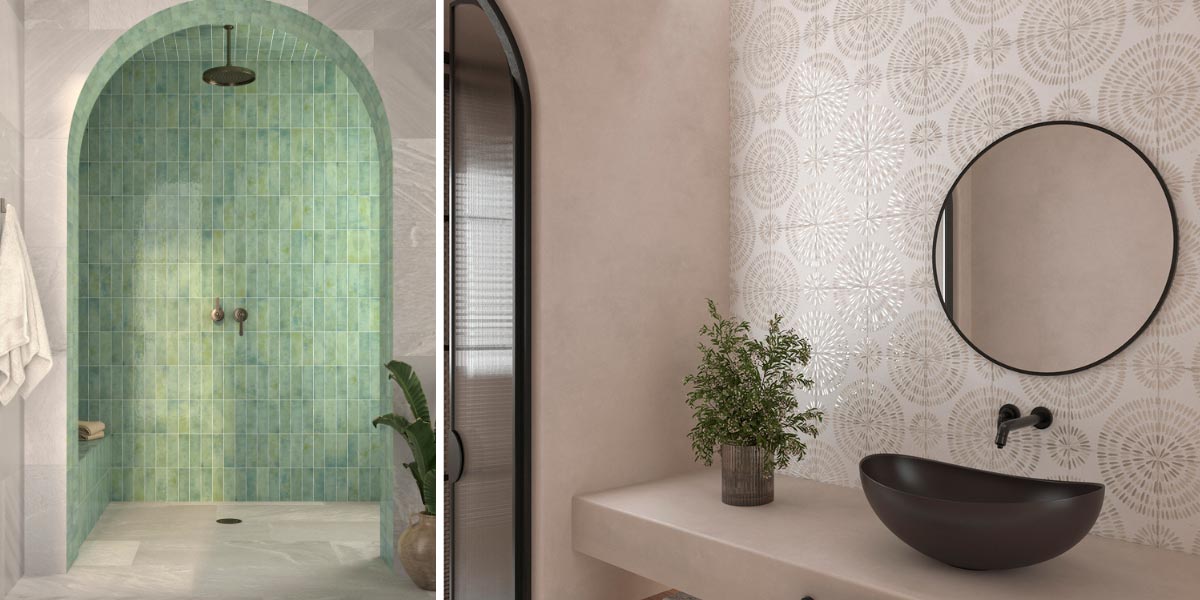
Walls are no longer simply a backdrop and have become an essential part of interior design. Through colour, format, relief or the way the tiles are laid, ceramics make it possible to give walls character and completely transform the perception of a space.
From a statement wall that draws all eyes to a wall covering that adds texture and depth in a more subtle way, the possibilities are as varied as each project. The key is to use ceramics as a creative resource capable of expressing an intention and creating spaces with personality. Because when design moves onto the walls, every surface becomes an opportunity to create something unique.