
Ideas for cladding exterior walls with tiles
Exterior walls have evolved from purely structural elements into key features of architectural design. Today, choosing the right exterior wall cladding not only impacts the aesthetics of a home or commercial space, but also its durability, maintenance and long-term value.
In this context, tiles stand out as one of the most complete solutions for cladding exterior walls. Their resistance to weather conditions, low maintenance and wide variety of designs —from stone or cement effects to decorative options— make them an ideal choice for façades, patios and gardens alike.
In this guide, we present different ideas, trends and key tips to help you choose the best exterior wall cladding, enabling you to create outdoor spaces that combine design, functionality and personality.
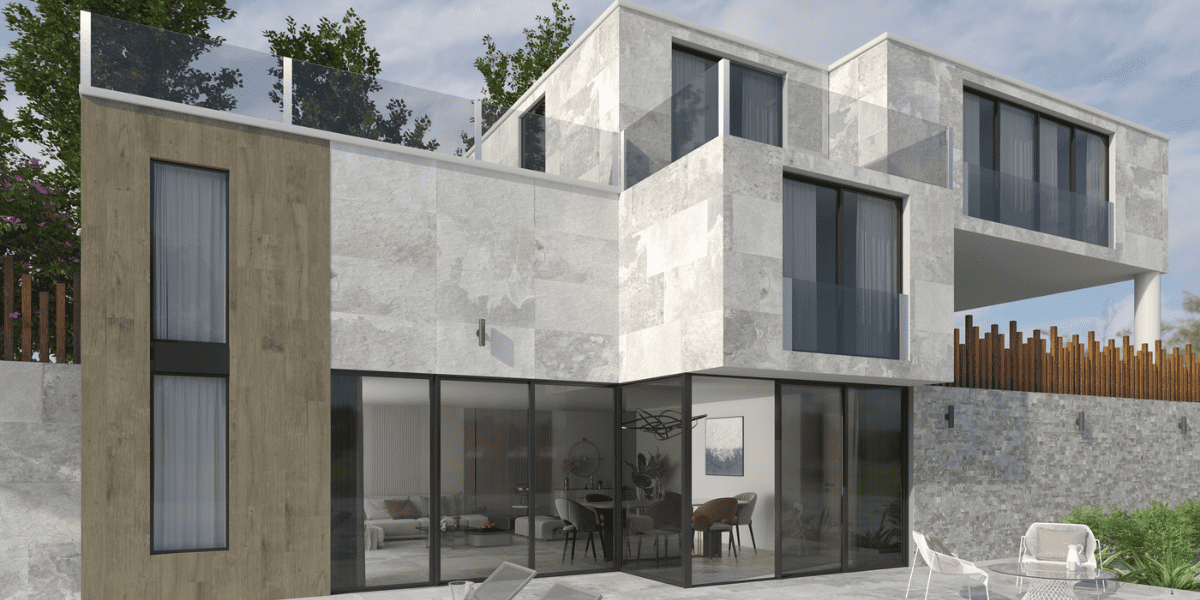
Why choose exterior wall cladding with tiles?
Choosing the right material for exterior wall cladding is essential to ensure not only an attractive aesthetic result, but also optimal long-term performance. Compared to traditional solutions such as paint or continuous coatings, tiles offer a unique combination of durability, versatility and design.
Advantages over paint and other materials
Unlike exterior paint, which requires frequent maintenance and can deteriorate over time, tiles provide a much more stable and long-lasting solution. They do not fade easily, better withstand the passage of time and maintain their original appearance for much longer.
In addition, compared to other exterior wall coverings for homes, such as mortars or acrylic coatings, ceramic offers greater aesthetic variety and a more precise finish. This allows the design to adapt to any architectural style, from classic to contemporary.
Durability, maintenance and weather resistance
One of the main reasons to choose tile exterior wall cladding is its excellent performance in adverse weather conditions. They are designed to withstand sudden temperature changes, humidity and rain, solar radiation and frost (in the case of suitable porcelain tiles).
Moreover, unlike other materials, they do not require periodic treatments or repainting. Occasional cleaning is enough to maintain their original appearance, making them a highly efficient long-term solution.
Aesthetic value in exterior architecture
Beyond their technical performance, tiles bring significant aesthetic value to exterior wall cladding in gardens, façades or patios. Their ability to replicate natural materials, incorporate textures or introduce decorative designs allows for the creation of unique spaces with a strong identity.
From surfaces that evoke natural stone to more expressive proposals with relief or color, tiles can transform a wall into a focal point of the architectural project. They also enhance the visual continuity between indoor and outdoor spaces, a growing trend in contemporary design.
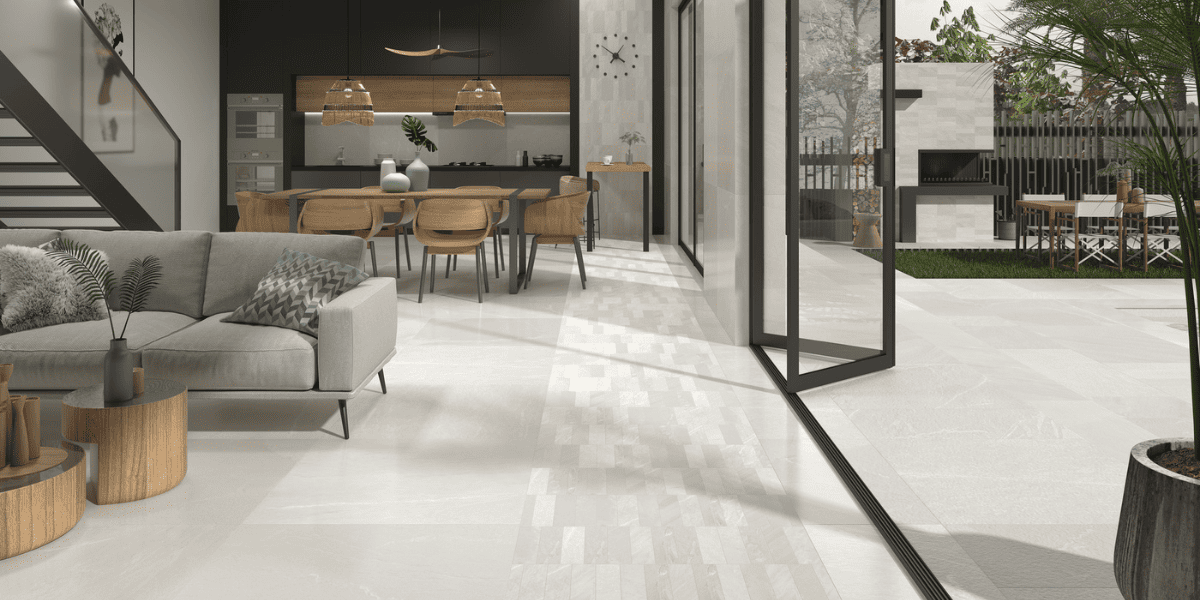
Types of exterior wall cladding by style
When choosing an exterior wall cladding, architectural style is one of the most important factors. Beyond functionality, the type of finish defines the personality of the space and how it integrates with its surroundings.
Tiles offer great aesthetic versatility, making it possible to adapt to different styles, from natural and rustic looks to modern and decorative designs. Below, we show some of the most popular options for cladding exterior walls depending on the style you want to achieve.
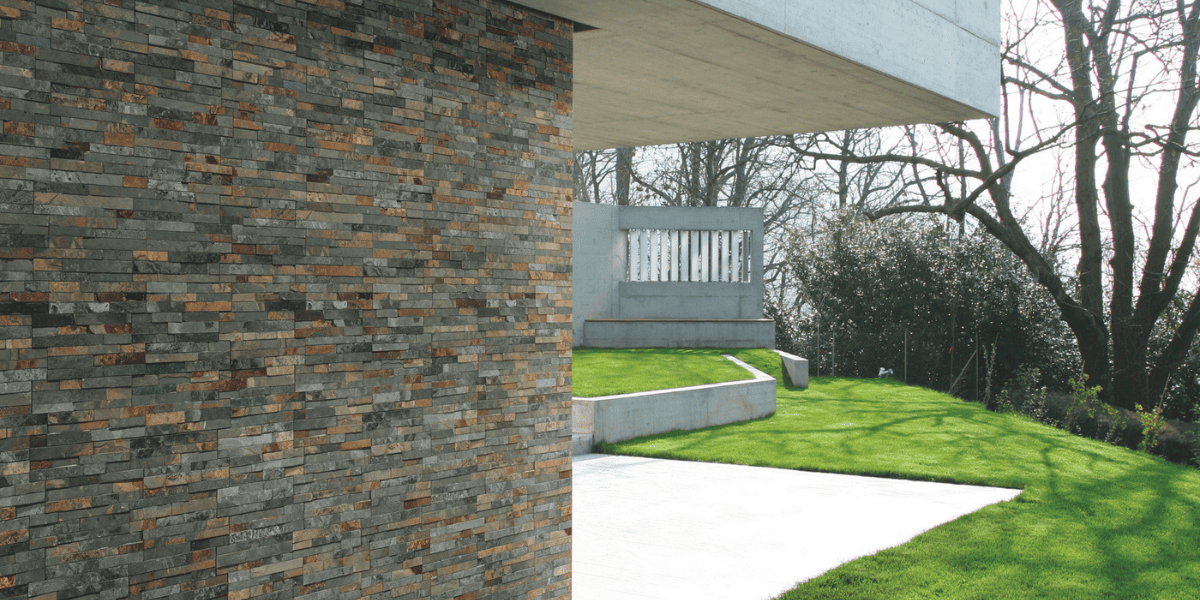
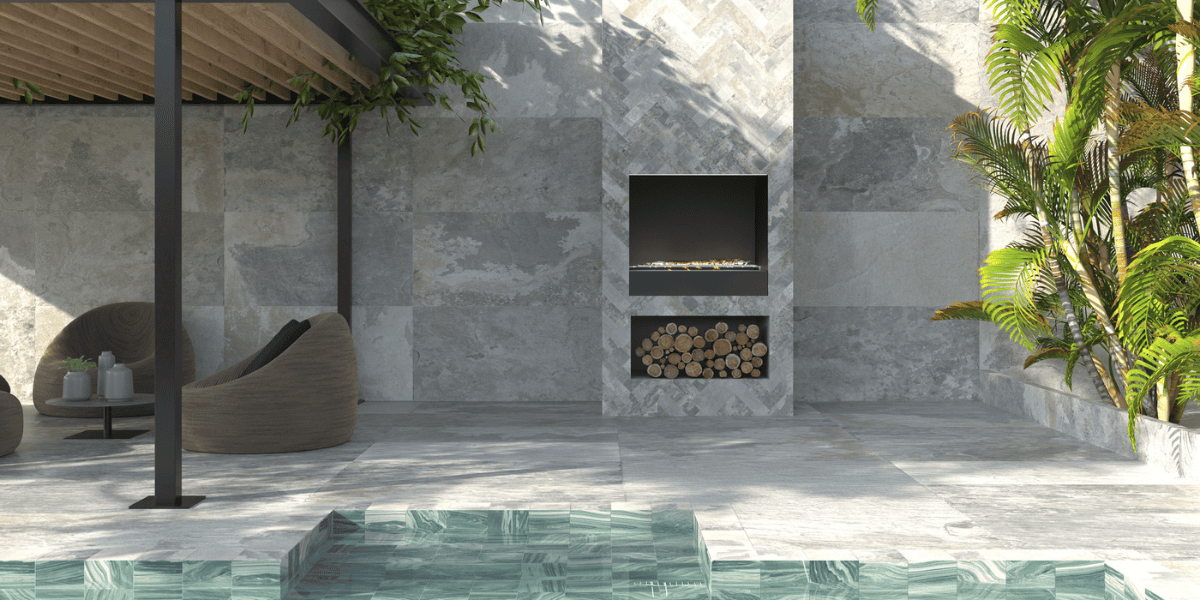
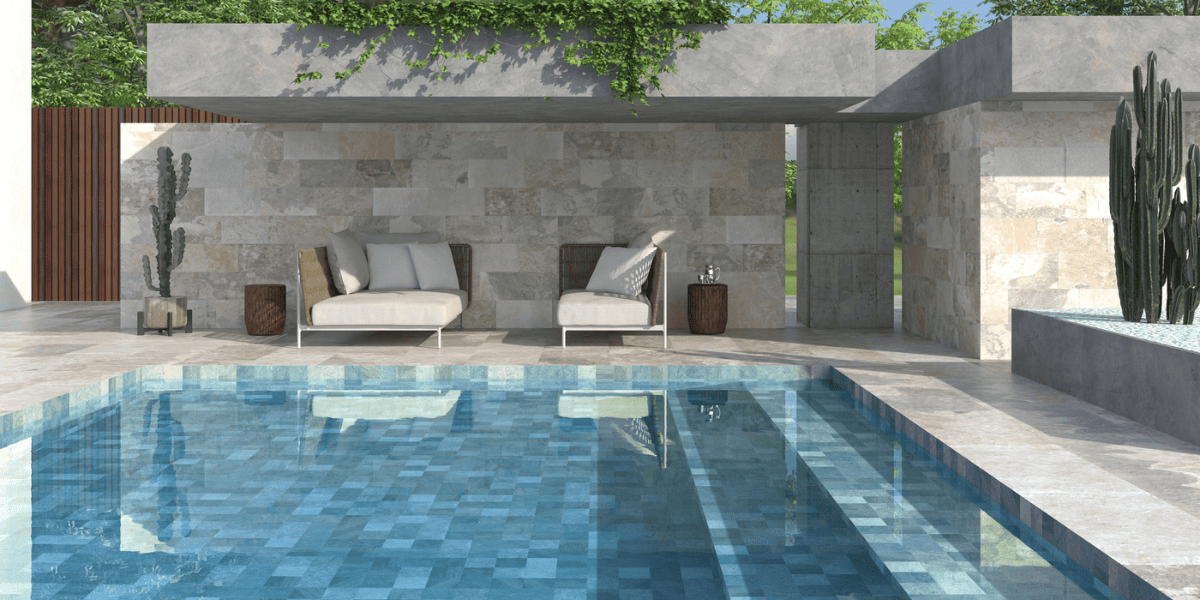
Stone-effect exterior wall cladding
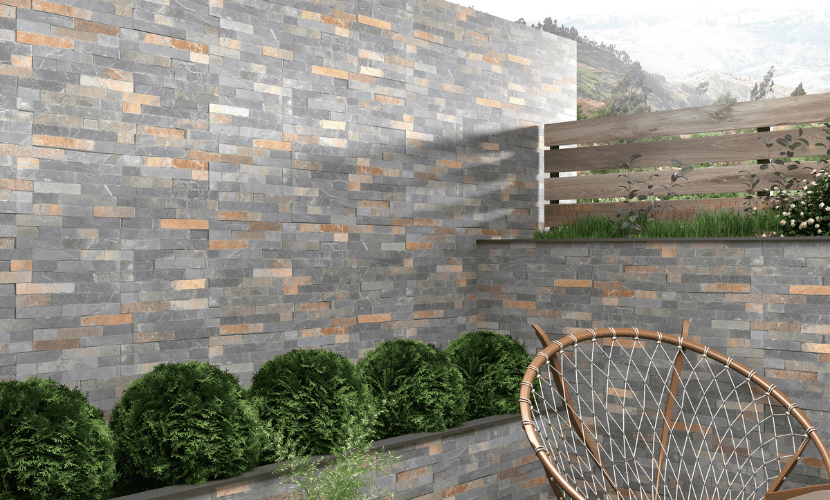
Stone-effect finishes are one of the most in-demand options in exterior wall cladding for homes, especially for their ability to bring a sense of naturalness and timeless appeal.
This type of exterior wall cladding faithfully reproduces the texture and appearance of materials such as slate, marble or limestone, while offering the technical advantages of ceramic: lower maintenance, greater durability and ease of installation.
It is ideal for full façades as well as for highlighting specific areas such as entrances, perimeter walls or garden walls, creating an elegant and long-lasting look.
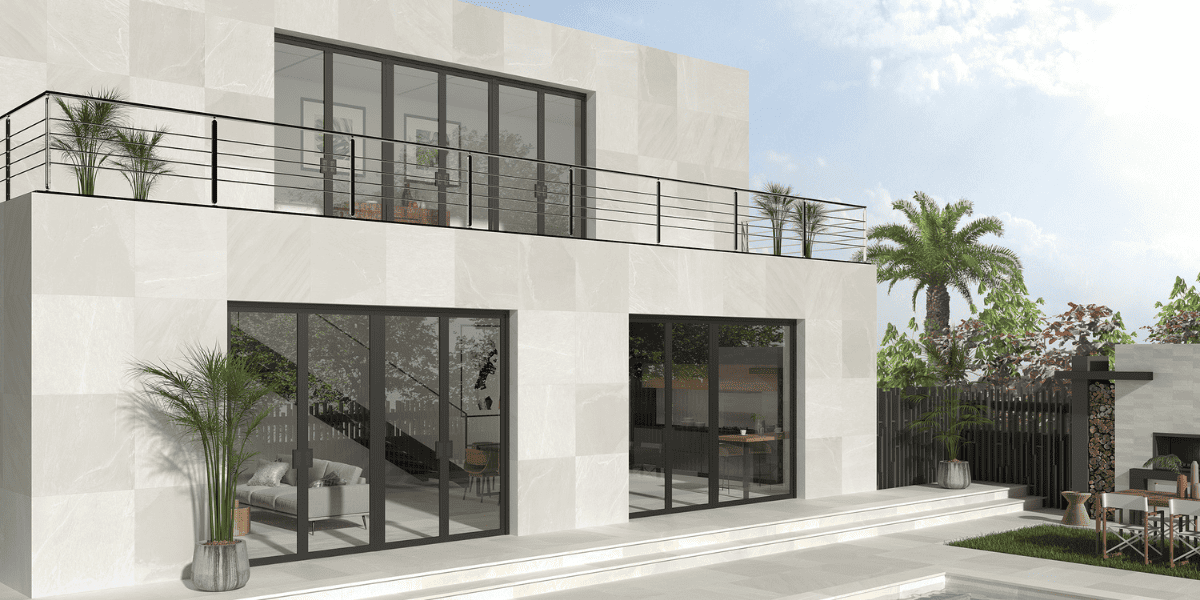
Modern exterior wall cladding with a minimalist finish
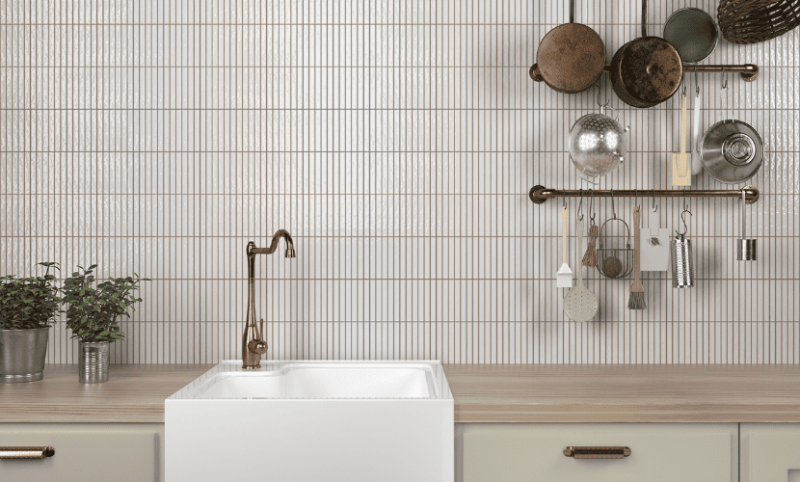
For contemporary projects, minimalist finishes are essential. Modern exterior wall cladding is characterized by clean surfaces, neutral colors and large formats that reduce joints and create visual continuity.
Cement, microcement or soft stone effects are among the most commonly used options to achieve a modern and sophisticated exterior wall cladding. These solutions are particularly suitable for homes with clean lines, open spaces and urban-inspired architecture.
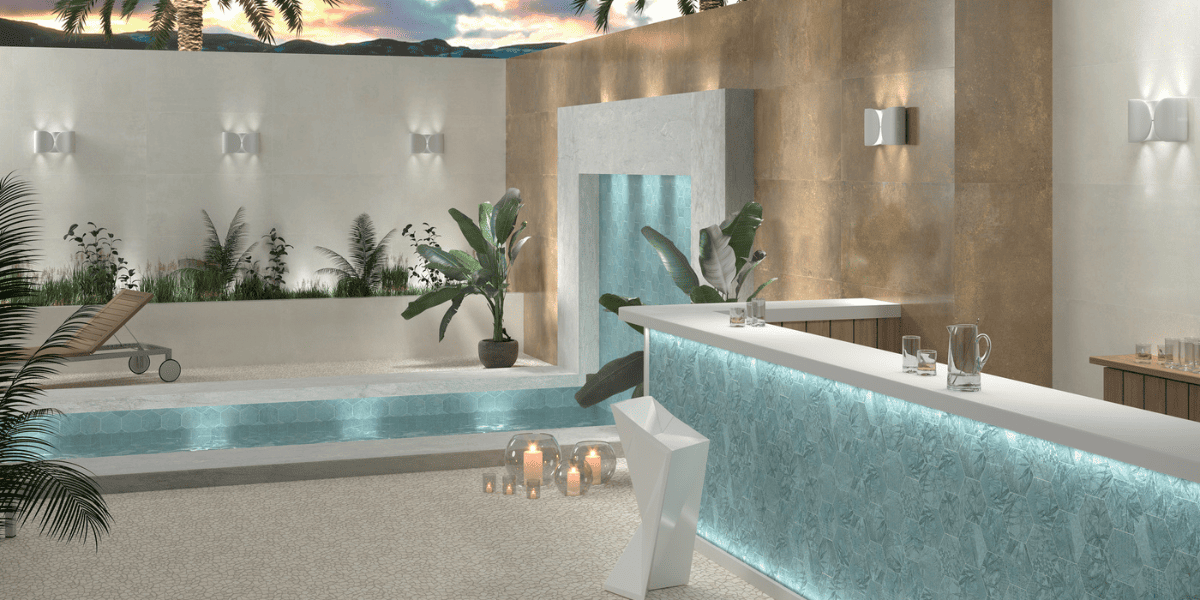
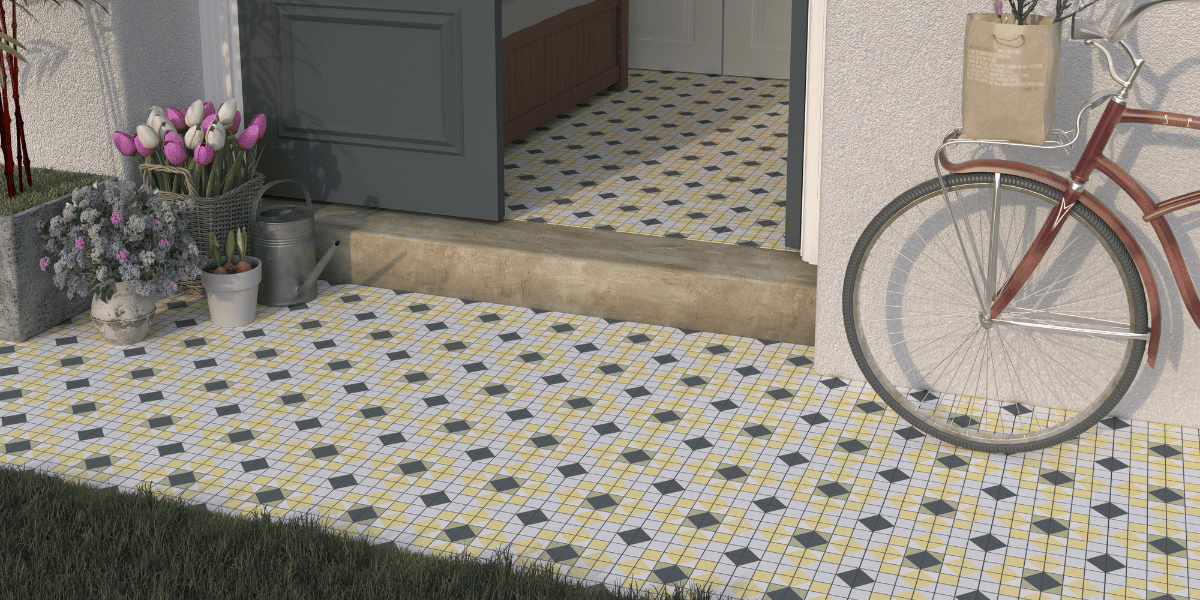
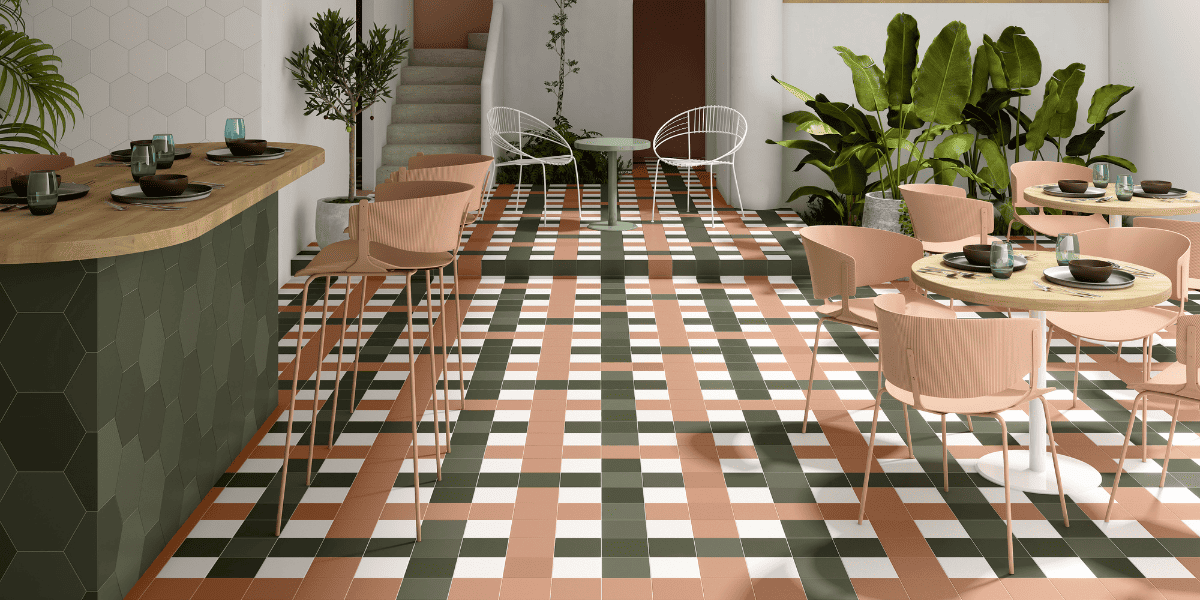
Hydraulic-style tiles to clad exterior walls with personality
If you are looking for a more decorative approach, hydraulic-style tiles are an excellent option for cladding exterior walls with character.
Their geometric, floral or vintage designs allow for unique compositions that add dynamism and strong visual impact. They are perfect for highlighting specific areas such as patios, terraces, entrance zones or even as a backdrop in hospitality outdoor spaces.
This type of exterior wall cladding combines tradition and contemporary design, adding a distinctive touch that turns any wall into a focal point.
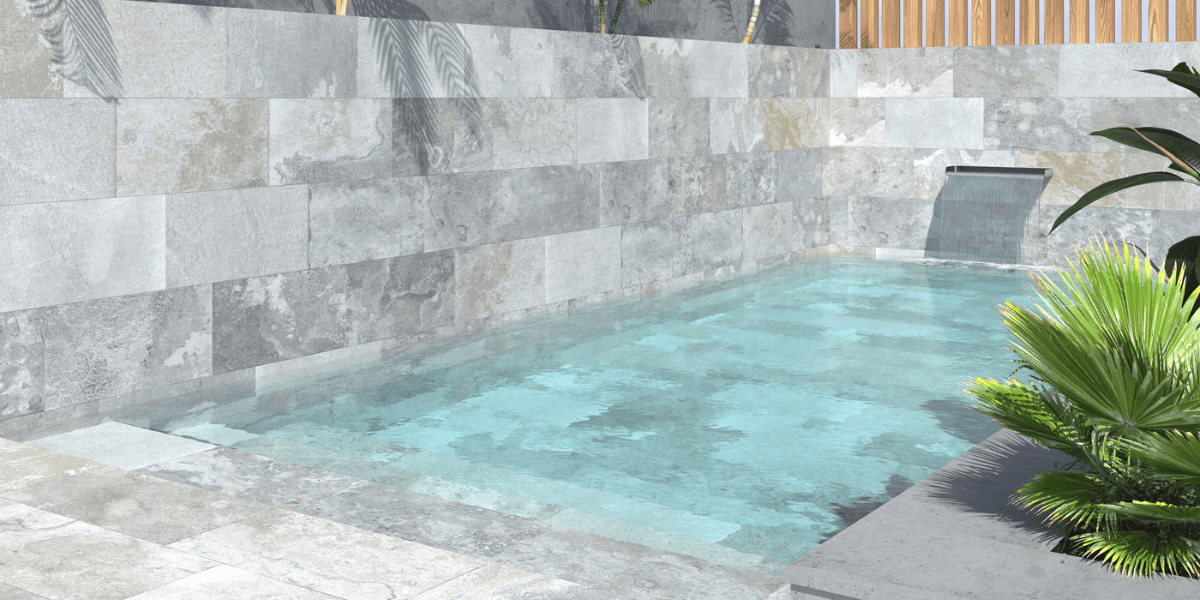
Exterior wall cladding for gardens: integration with nature
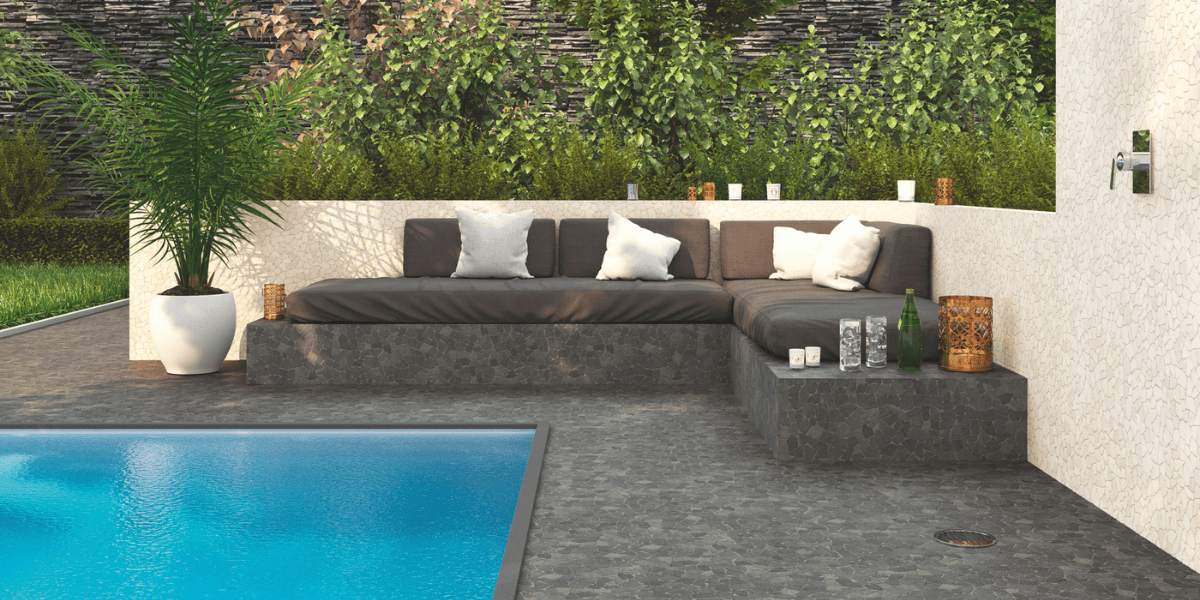
In outdoor spaces such as gardens, it is essential that the garden exterior wall cladding integrates harmoniously with the surroundings.
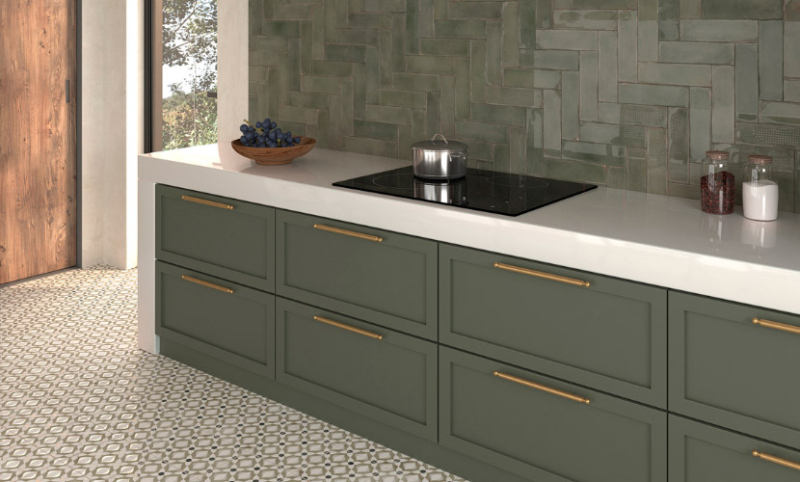
Tiles in earth tones, greens or sandy shades, as well as finishes that replicate natural materials, help create a smooth transition between landscape and architecture. Textured or relief tiles are also highly interesting, adding depth and a natural feel.
This type of solution is ideal for perimeter walls, pool areas or chill-out spaces, where a relaxed atmosphere connected to nature is desired.
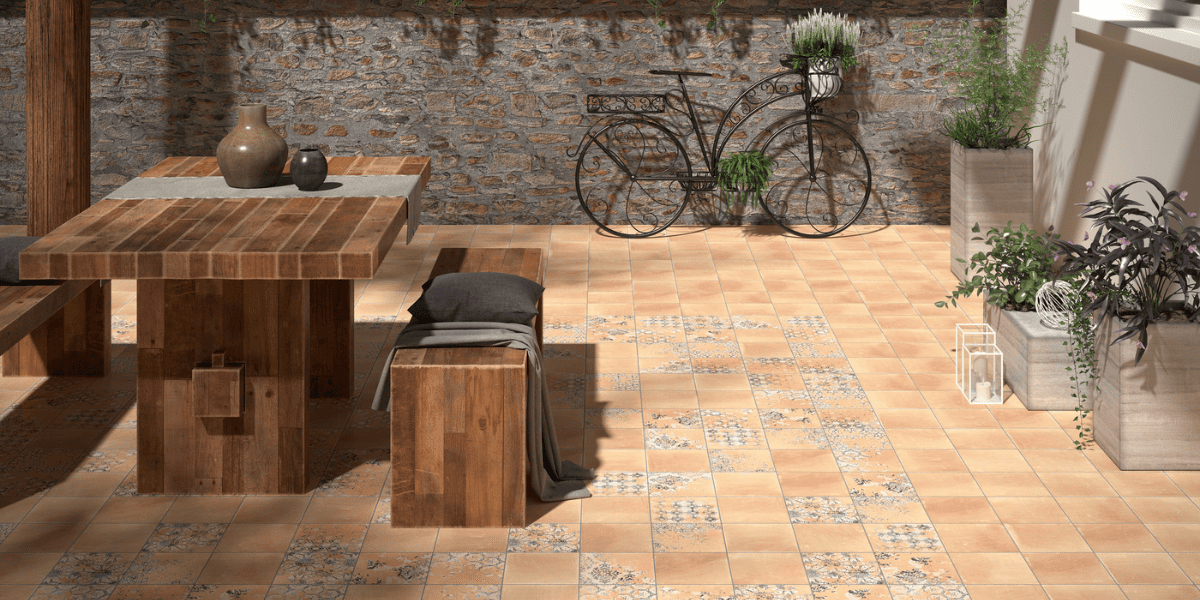
Exterior wall cladding for rustic homes
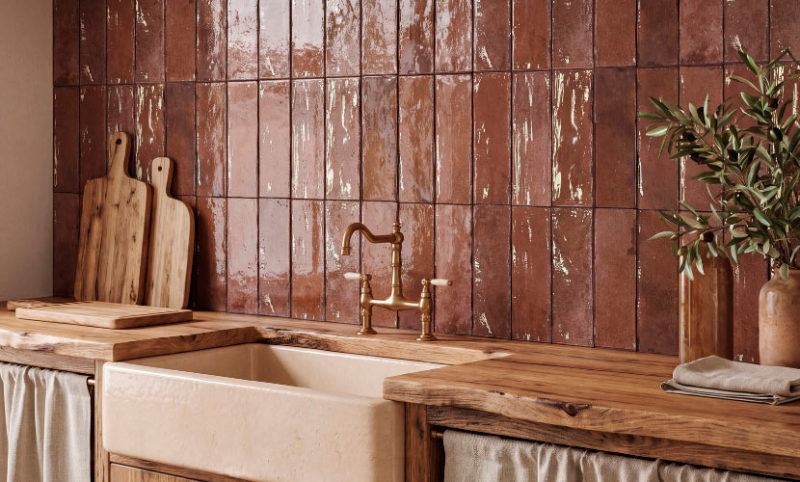
In traditional-style homes, exterior wall cladding for rustic houses plays a key role in the overall aesthetic. Tiles that replicate aged materials, irregular stone or handcrafted finishes help reinforce the warm and welcoming character typical of this style.
Ochre tones, terracotta shades or warm greys are especially suitable for these types of projects.
What to consider when choosing exterior wall cladding
Choosing the best exterior wall cladding does not only depend on style, but also on technical factors that ensure its durability and long-term performance. Taking these aspects into account will help you make a more informed decision and ensure the success of your project.
Resistance to weather conditions
One of the key factors in any exterior wall cladding is its ability to withstand environmental conditions. It is essential to choose materials suitable for outdoor use, especially if the wall is exposed to rain and constant humidity, temperature changes, solar radiation and/or frost (depending on the geographical area).
Porcelain tiles are one of the best options in this regard, as they offer low water absorption and high resistance.
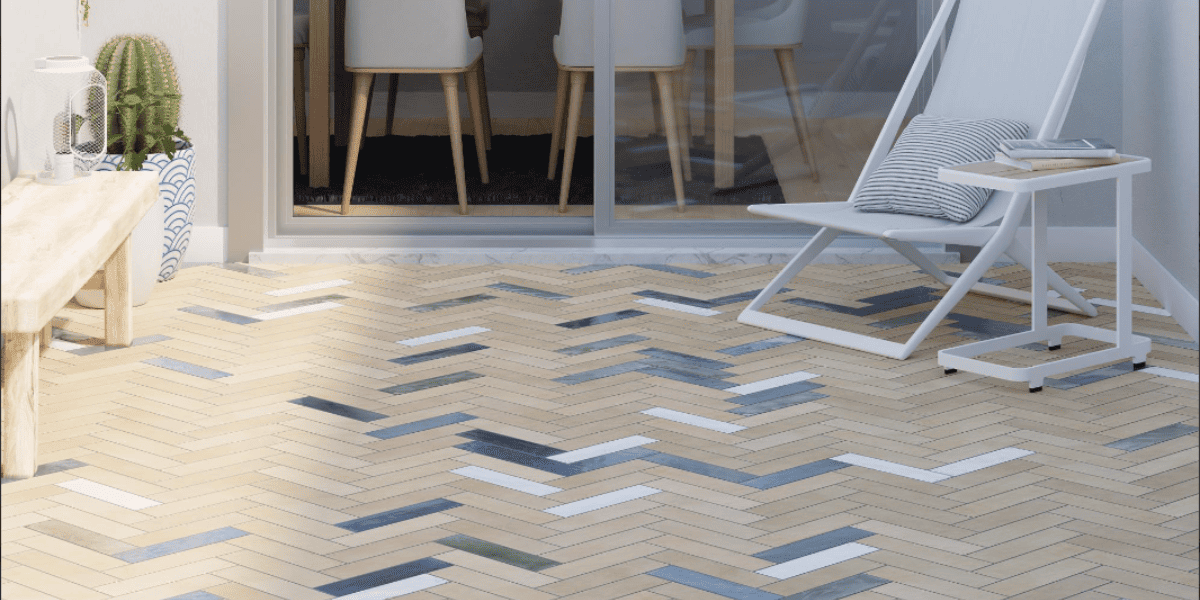
Wall location: façade, patio or garden
Choosing a garden exterior wall cladding is not the same as choosing one for a main façade. The location determines both the design and the required performance.
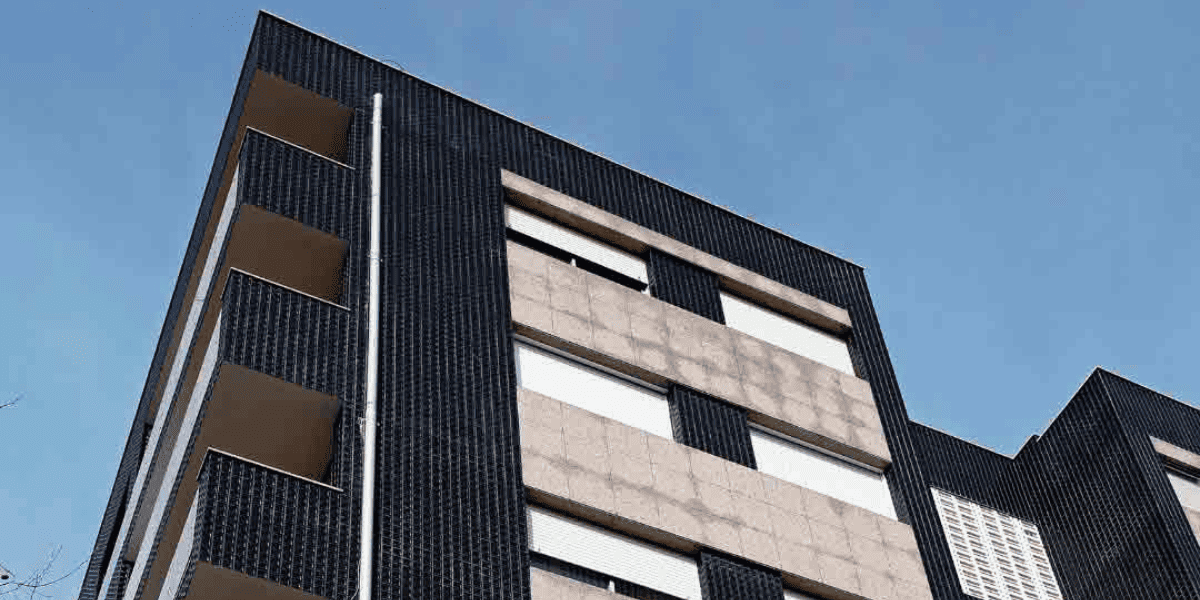
- Tiled façades: require maximum durability and refined aesthetics
- Patios and terraces: allow greater decorative freedom
- Gardens and pool areas: integration with the surroundings and moisture resistance are key
Format, color and finish
Design plays a fundamental role in exterior wall cladding for houses. Some aspects to consider are:
- Large formats: provide continuity and a modern look
- Small or decorative pieces: create dynamism and detail
- Light colors: visually enlarge the space
- Dark or natural tones: add sophistication and warmth
- The finish (matte, gloss, textured) also influences the perception of the space and its maintenance
Aesthetic coherence with the architectural ensemble
Beyond technical aspects, it is important that the exterior wall cladding is in harmony with the rest of the project. Achieving coherence with materials, colors and surrounding styles helps create more balanced and visually appealing spaces.
Exterior wall cladding ideas to transform your spaces
If you are looking for inspiration for your next project, there are many ways to use tiles to create an exterior wall cladding that combines design and functionality. Beyond the material itself, the key lies in how it is applied and the effect you want to achieve.
Below, we show you some practical ideas to clad exterior walls and make the most of each space:
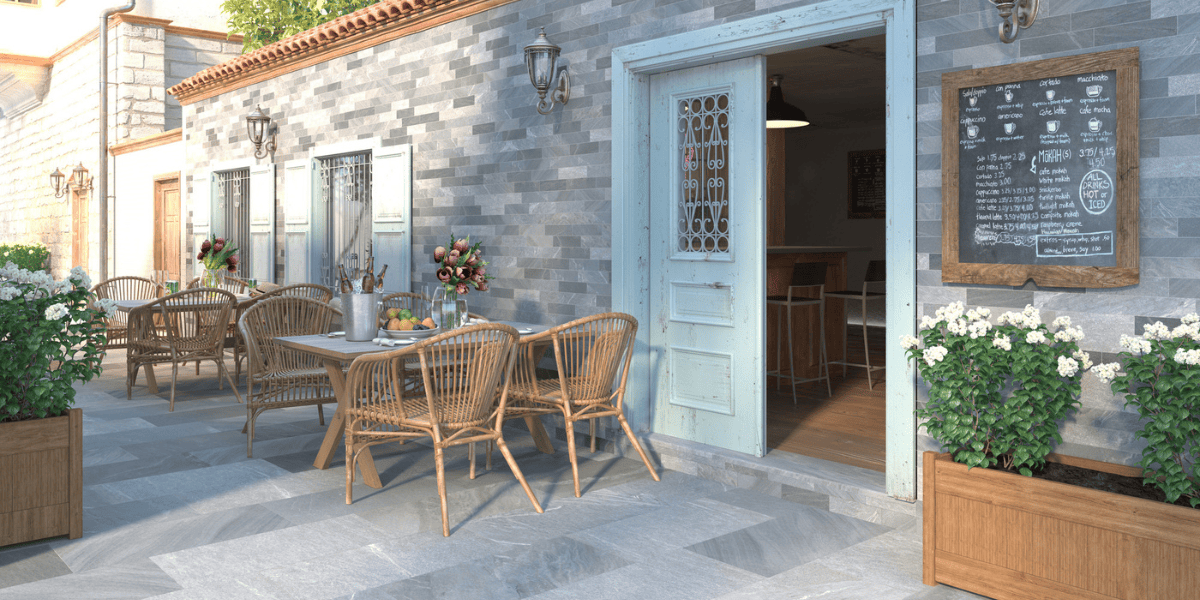
Cladding a wall as a focal point
Turning a wall into a visual focal point is one of the most effective strategies. You can use tiles with texture, relief or decorative design to create a point of attention on façades, entrances or patios.
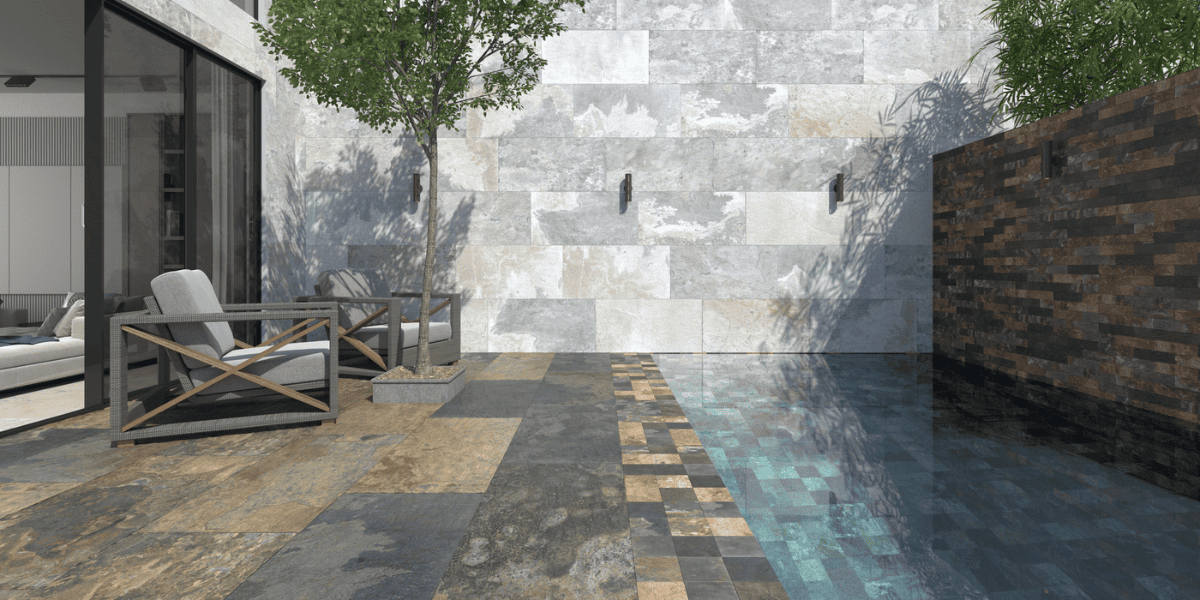
Combining materials in the same cladding
A growing trend in exterior wall cladding for houses is the combination of different finishes. For example:
- Stone + ceramic
- Smooth surfaces + relief
- Neutral tones + decorative accents
This mix adds dynamism and allows for richer and more personalized compositions.
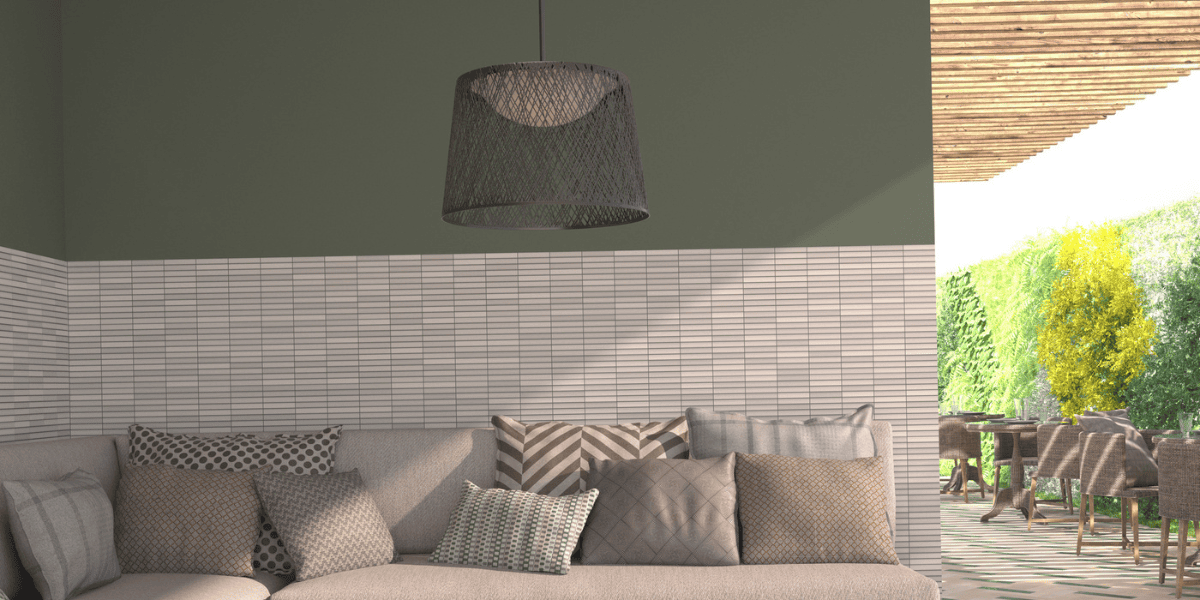
Creating continuity between interior and exterior
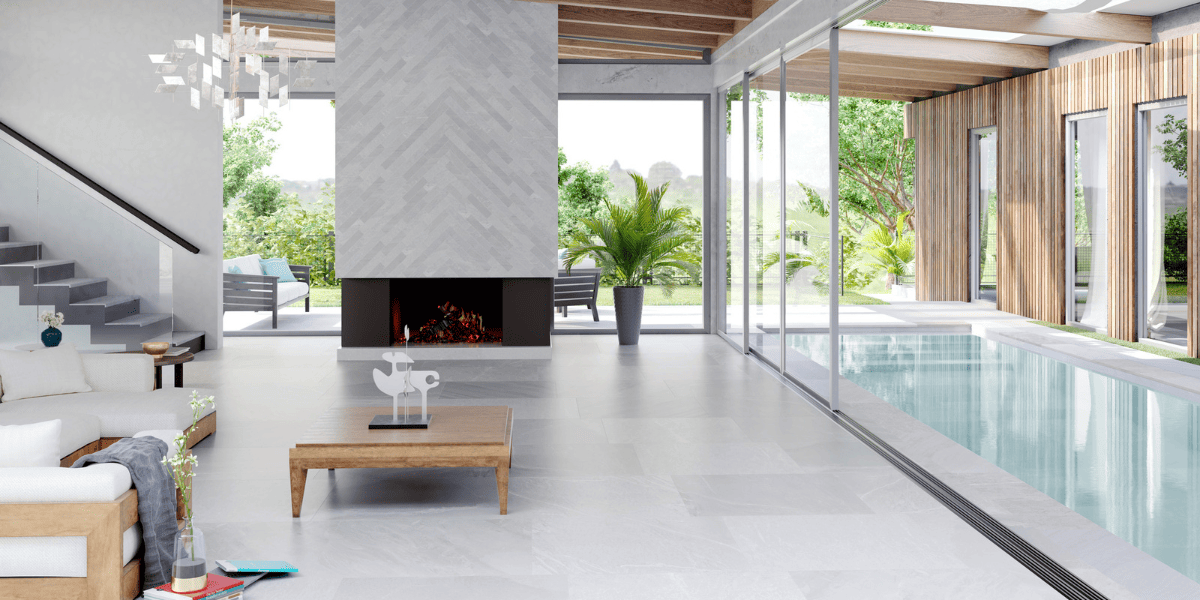
Using the same material indoors and outdoors is a very effective way to visually expand spaces. This approach is widely used in contemporary architecture.
Applying the same exterior wall cladding in connected areas such as living rooms, terraces or porches creates a sense of continuity and harmony.
Designing exterior walls in garden or pool areas
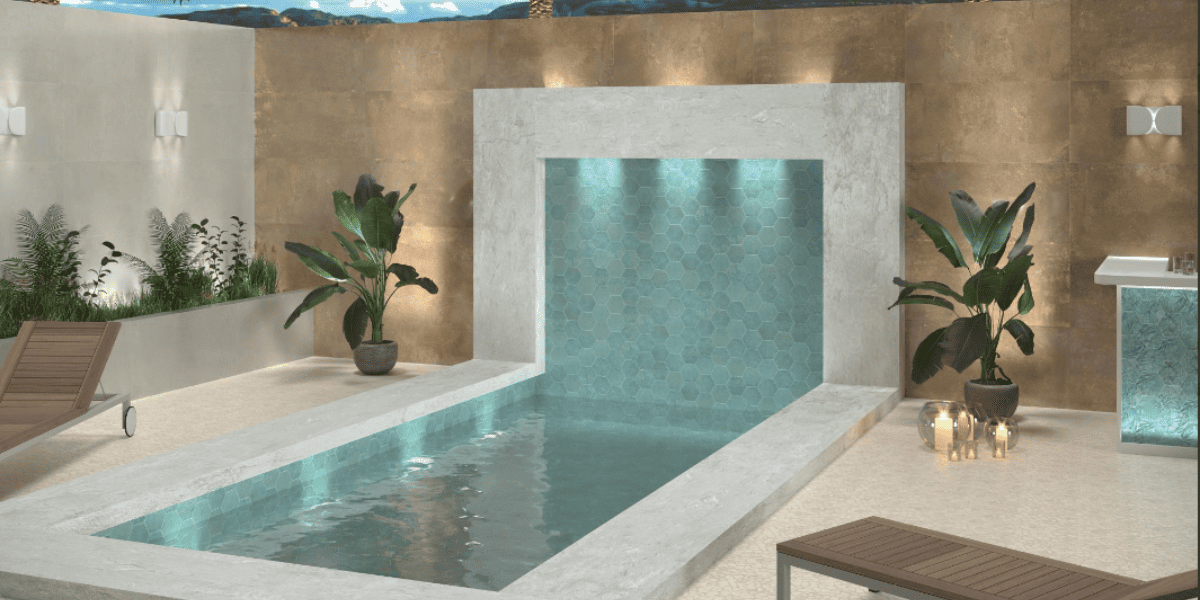
Garden exterior wall cladding can go beyond functionality and become a key decorative element.
Some ideas:
- Backgrounds for chill-out areas
- Decorative pool walls
- Textured walls that interact with vegetation
- In these cases, natural tones and organic finishes work especially well.
Using decorative designs in outdoor spaces
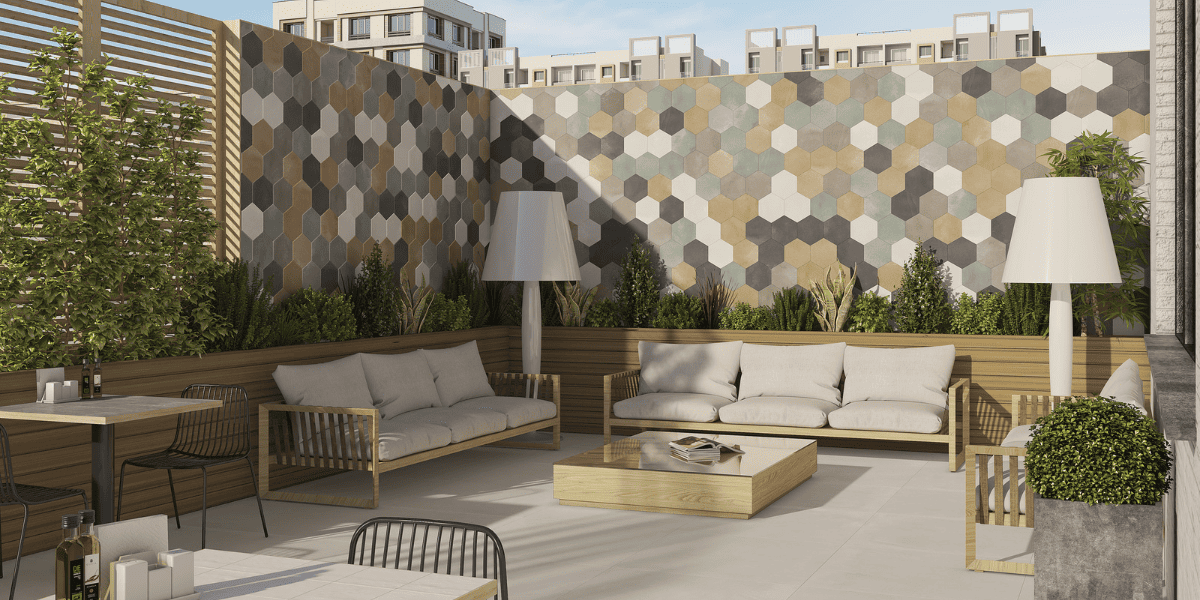
Not all exterior walls need to be neutral. Incorporating decorative tiles allows you to add personality and differentiation.
From geometric patterns to more artistic designs, this type of exterior wall cladding is ideal for projects seeking a unique style, such as terraces, inner courtyards or hospitality spaces.
Partially cladding the wall for a lighter effect
It is not always necessary to cover the entire surface. Cladding only part of the wall can be enough to achieve an interesting visual effect.
This approach allows you to reduce costs, create contrasts and highlight specific areas, making it a very versatile solution within exterior wall cladding options.
How to choose the best exterior wall cladding for your project
Choosing the best exterior wall cladding involves finding the right balance between aesthetics, functionality and durability. Throughout this article, we have seen how tiles offer a versatile solution that adapts to different styles, needs and spaces, from façades to patios or gardens.
If you are considering options to clad exterior walls, these are the key points to keep in mind:
- Prioritize materials that are resistant to weather conditions
- Choose a design that aligns with the architectural style
- Adapt the cladding to the use of the space (façade, garden, patio)
- Consider long-term maintenance
- Take advantage of the decorative potential to create unique spaces
Cladding exterior walls is an opportunity to completely transform a space and give it its own identity. From natural finishes to more decorative proposals, the possibilities are practically endless.
Explore different collections, combine styles and find the solution that best fits your project. Because good cladding not only protects, it also defines the character of the entire outdoor space.