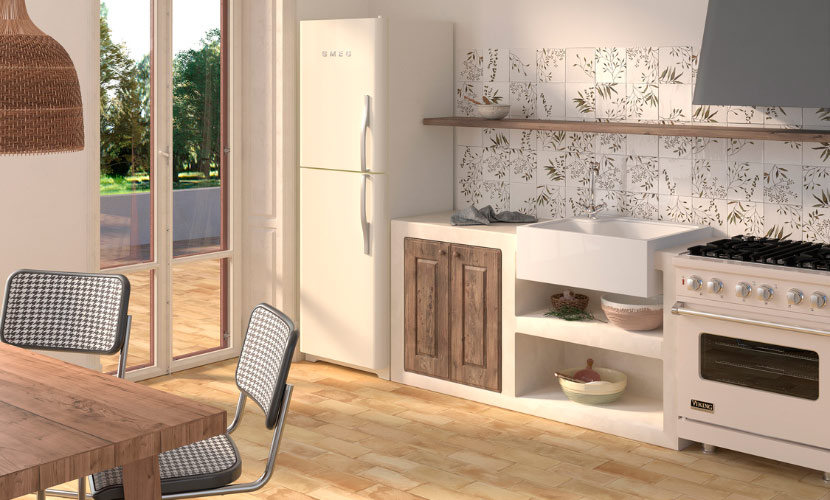

Dos and don'ts of rustic tiles in bathrooms and kitchens
Rustic tiles are no longer exclusive to country homes; they have become one of the most sought-after trends in interior design projects. Their ability to bring warmth, texture, and authenticity makes them an ideal choice for both bathrooms and kitchens, where they help create spaces full of character and a distinctive handcrafted feel.
However, achieving a balanced result does not depend solely on choosing a rustic-style wall covering. The format, colour, finish, combination with other materials, and even the lighting of the space can make the difference between an elegant, timeless setting and one that feels overly busy.
In this guide, you will discover the main dos and don'ts of using rustic tiles in bathrooms and kitchens. We will also show you how to incorporate them into contemporary, Mediterranean, or traditional styles to create welcoming, functional spaces full of charm.
Why are rustic tiles still on trend?
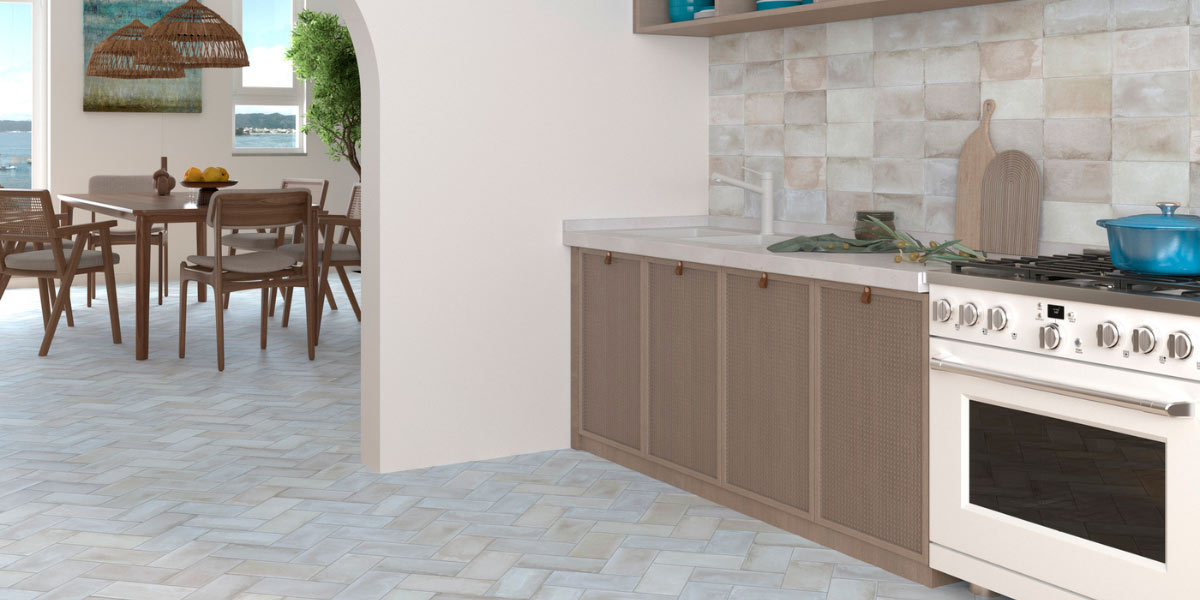
The value of texture and imperfection
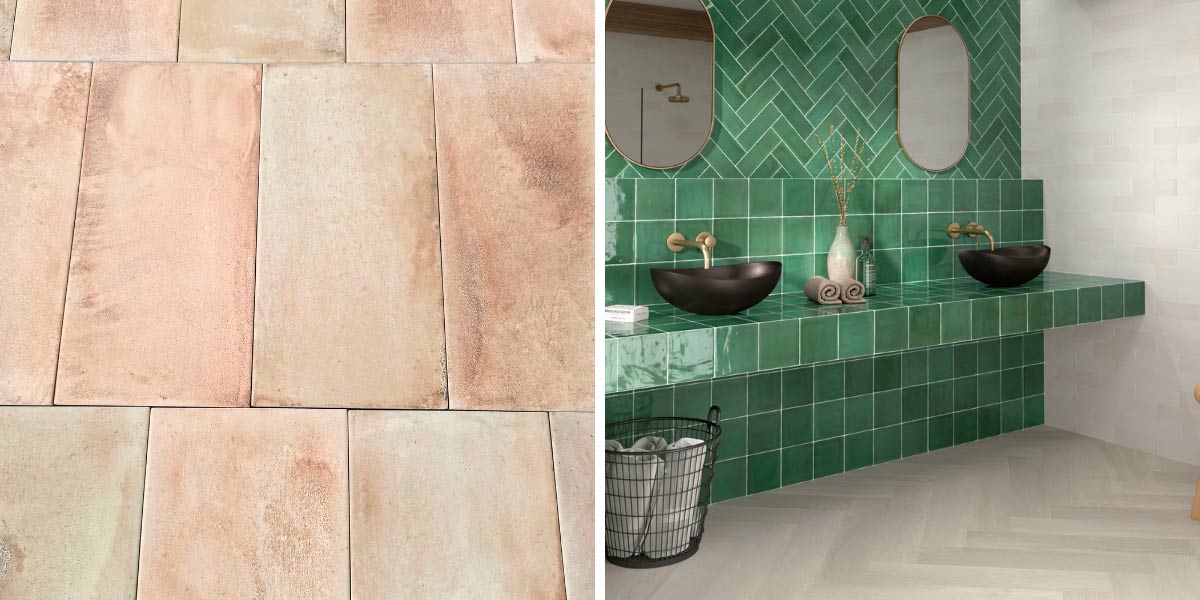
One of the most appreciated characteristics of rustic tiles is their ability to bring visual authenticity. Their surfaces, featuring subtle reliefs, tonal variations, and handcrafted finishes, create a sense of depth that uniform wall coverings cannot achieve. These carefully controlled imperfections add aesthetic richness and help create warmer, more inviting spaces that connect with natural materials such as stone, wood, or terracotta.
Adapting to contemporary styles
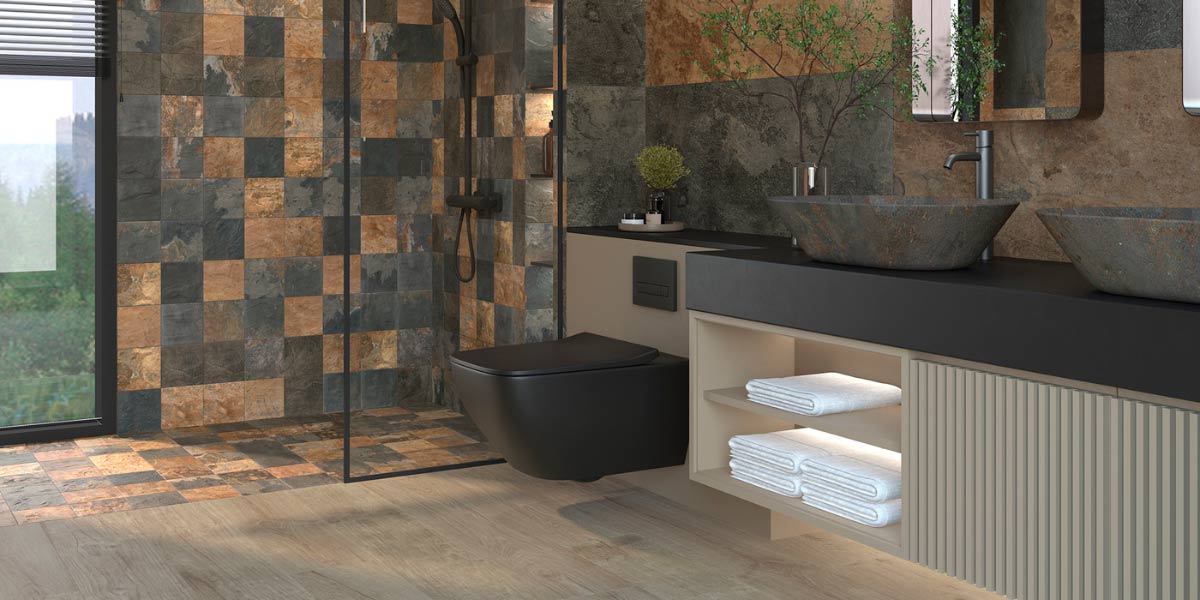
Although they have traditionally been associated with country homes and rural settings, rustic tiles have evolved to integrate perfectly into contemporary styles. Today, they are commonly found in Mediterranean, wabi-sabi, modern farmhouse, and even minimalist projects seeking to introduce a touch of warmth. Combining rustic finishes with clean-lined furniture and neutral colours makes it possible to create balanced, contemporary interiors full of personality.
Decorative advantages over plain tiles
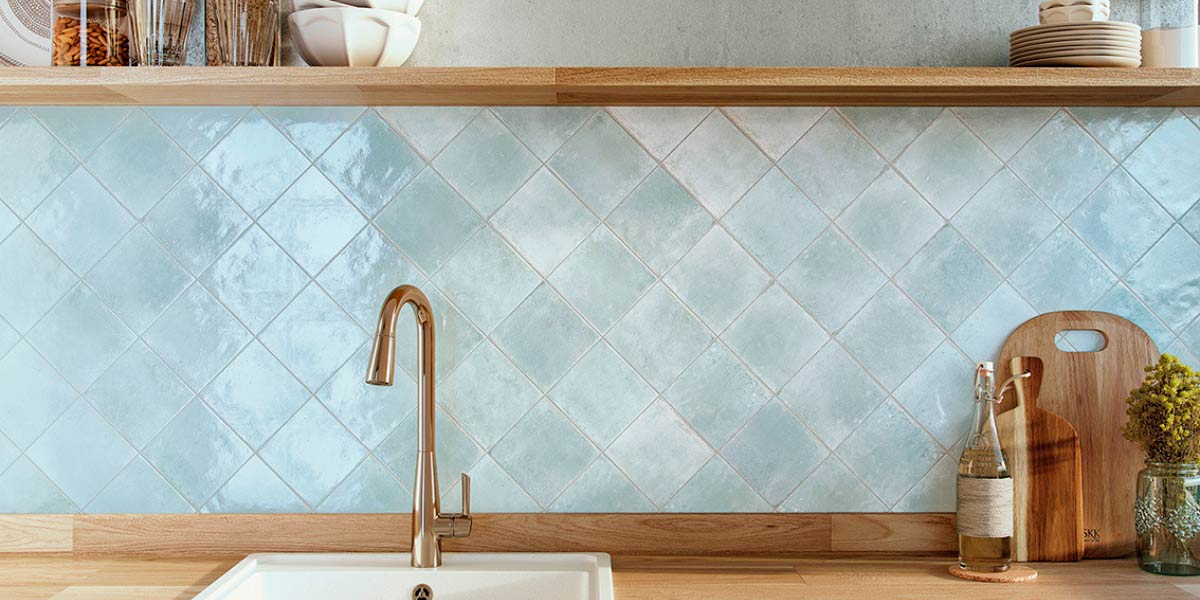
Compared to completely plain wall coverings, rustic bathroom and kitchen tiles offer several decorative advantages. Their texture helps conceal minor signs of wear, adds greater visual richness, and creates more dynamic surfaces through the interplay of light and shadow. Furthermore, their timeless aesthetic reduces the risk of the design becoming outdated over the years, making them a reliable investment for both residential and commercial projects.
Best practices for using rustic tiles in bathrooms
Rustic tiles can transform a bathroom into a warm, welcoming space full of personality, as long as they are used thoughtfully. The key is to highlight their natural qualities and combine them harmoniously with the other materials and design elements in the project. Here are some of the best practices to help you create a contemporary, elegant, and timeless rustic bathroom.
Create feature walls with visual impact
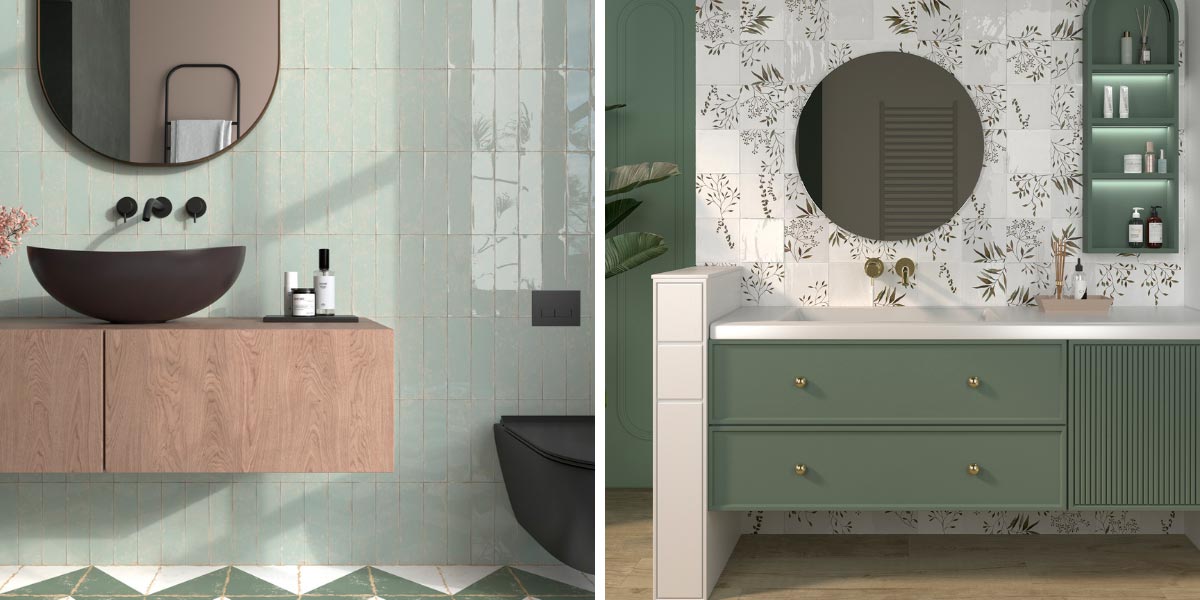
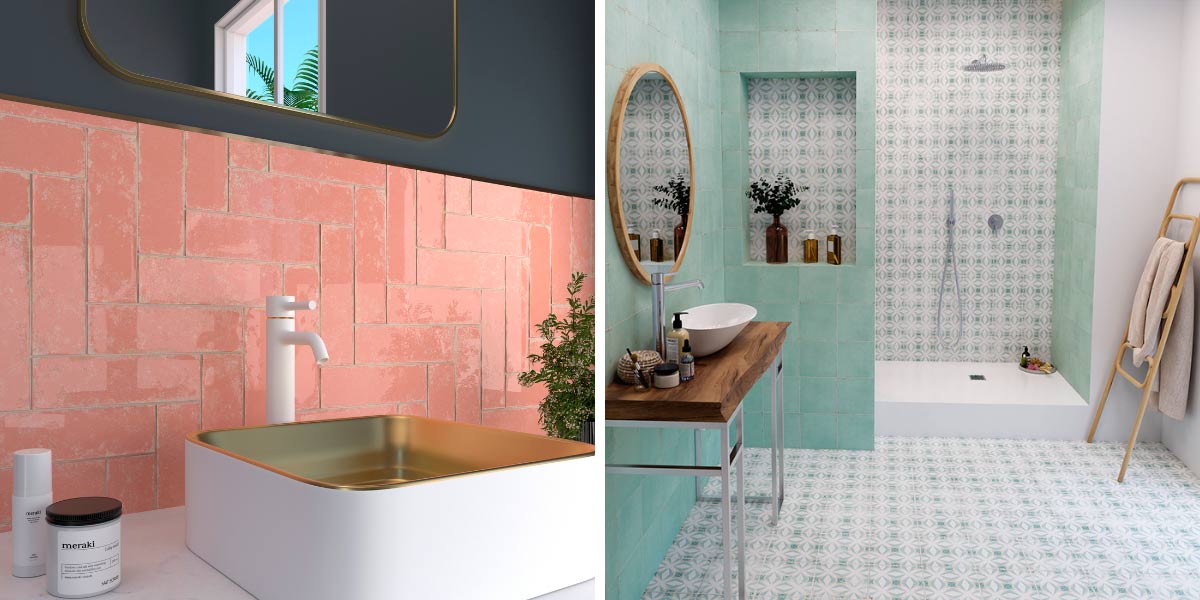
One of the best ways to use rustic bathroom tiles is to highlight a specific wall. The vanity wall, the shower wall, or the space behind a freestanding bathtub can become striking focal points by using textured tiles, relief surfaces, or subtle colour variations.
This approach adds character to the bathroom without overwhelming the overall design, achieving the perfect balance between personality and visual harmony. Moreover, cladding just one wall with rustic wall tiles can create a significant decorative impact while keeping the investment more affordable.
Choose natural colours
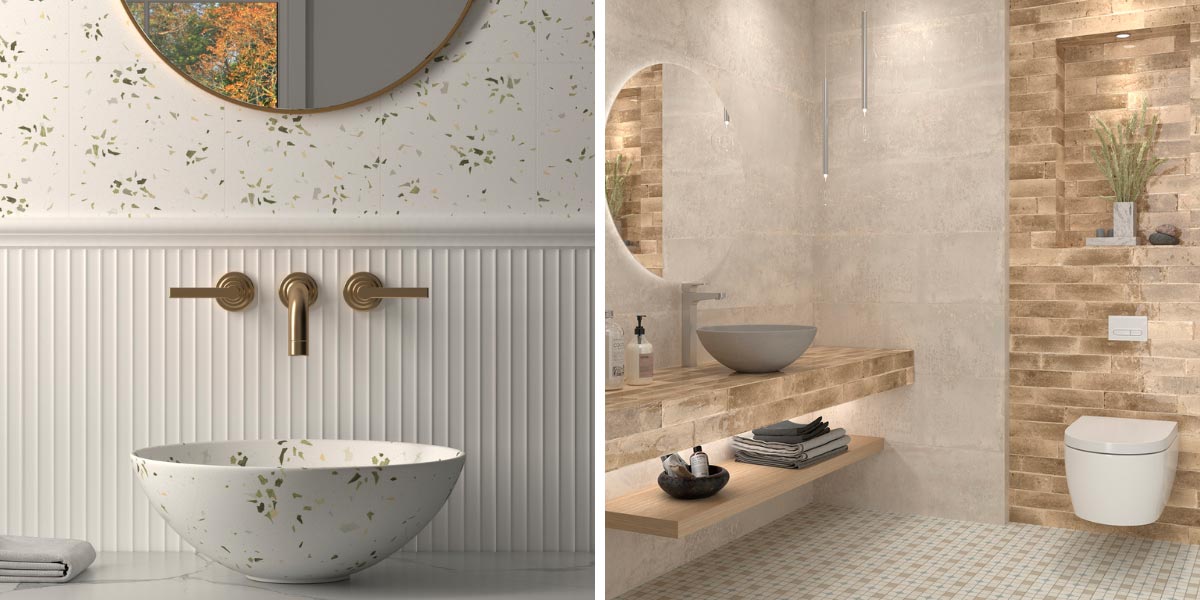
Nature-inspired tones are always a safe choice for any rustic-style project. Colours such as beige, sand, terracotta, stone, ivory, or soft grey help create relaxing, timeless interiors. Rustic tiles in natural shades pair effortlessly with wood, natural fibres, and stone elements, reinforcing the sense of warmth that defines contemporary rustic bathrooms.
Among all natural shades, terracotta stands out thanks to its ability to bring warmth and authenticity. If you'd like to discover how to incorporate it into contemporary projects, take a look at our guide to rustic design with terracotta tiles, where we explore their decorative potential and the best ways to combine them.
Combine handcrafted tiles with contemporary materials
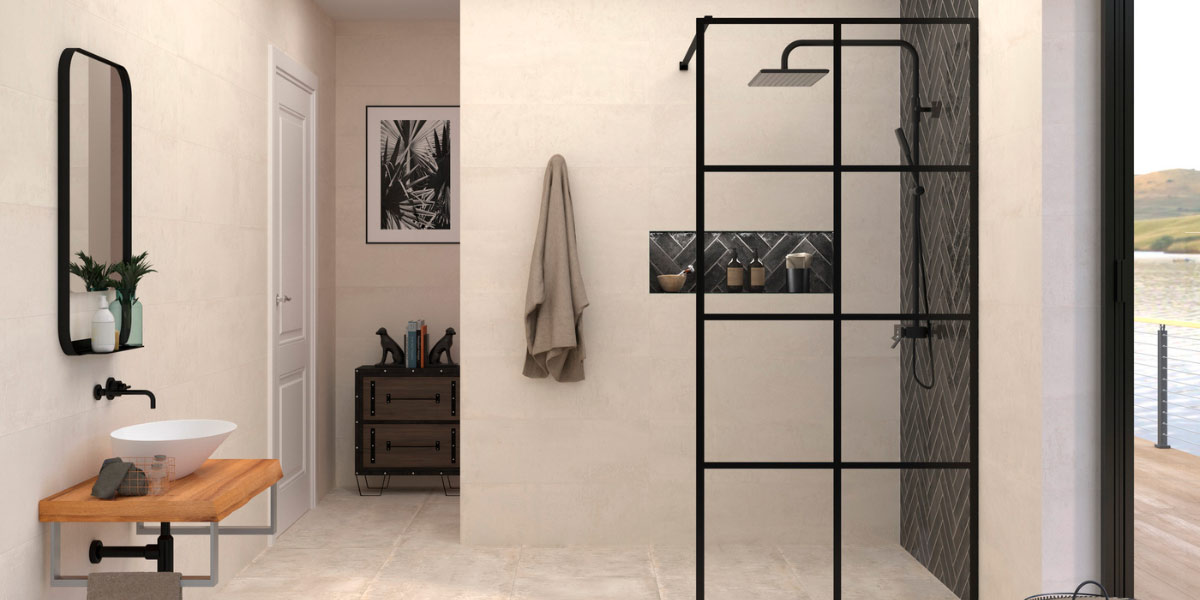
Today's rustic style is not about replicating traditional interiors, but about reinterpreting them. For this reason, an excellent approach is to combine handcrafted-looking wall tiles with contemporary materials such as microcement, glass, black metal, or minimalist designer taps.
This contrast creates a fresh, contemporary feel while preventing the bathroom from looking overly traditional. In this way, rustic bathroom tiles achieve the perfect balance between tradition and modernity.
Use small formats to enhance authenticity
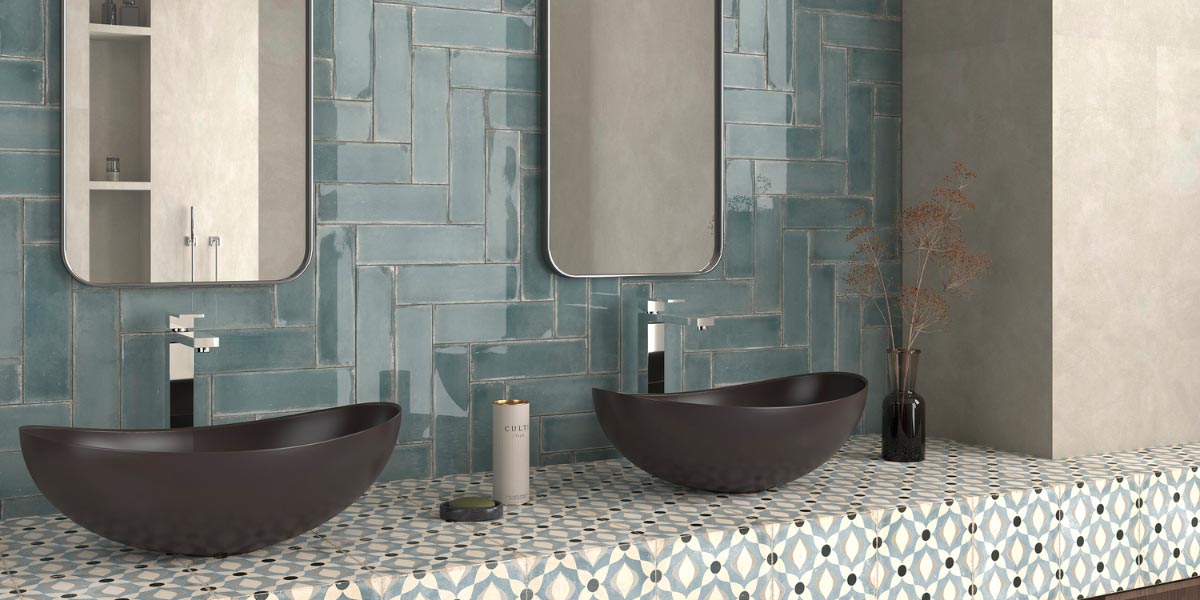
Small-format tiles, especially those inspired by handcrafted ceramics, help reinforce the authentic character of a space. Their reduced size allows the texture variations, colour nuances, and irregular finishes that make rustic tiles so distinctive to be appreciated in greater detail.
In addition, small-format tiles add visual rhythm and are particularly effective in niches, shower walls, vanity backsplashes, or decorative feature walls, where a more handcrafted and personalised look is desired.
If you're looking for more inspiration to decorate these spaces, we recommend reading our guide to rustic kitchens and bathrooms with rustic tiles, where you'll find design ideas, styles, and combinations to create warm, characterful interiors.
Common mistakes when using rustic tiles in bathrooms
Covering every surface
One of the most common mistakes when designing a rustic bathroom is covering the walls, floor, and even decorative elements with the same type of tile. Although rustic tiles add plenty of character, using them excessively can create a visually heavy effect and make the space feel smaller. In most cases, the best approach is to combine them with plain surfaces or neutral materials that balance the overall design while allowing the bathroom's key features to stand out.
Choosing colours that are too dark for small bathrooms
Bold, dark shades can be highly appealing, but in small bathrooms they often produce the opposite effect to the one intended. Colours such as deep brown, anthracite grey, or very dark terracotta absorb light and make the room appear smaller. For compact bathrooms, it is advisable to choose rustic bathroom tiles in light or medium shades that preserve the rustic aesthetic while maintaining a bright and spacious feel.
Overlooking the importance of lighting
Lighting plays a fundamental role when using rustic wall tiles. Their textures, reliefs, and tonal variations are designed to interact with light, creating nuances and visual effects that enrich the overall atmosphere.
Best practices for using rustic tiles in kitchens
The kitchen is one of the spaces where rustic tiles best showcase both their decorative appeal and practical functionality. Whether used as a backsplash, on a feature wall, or combined with other materials, they make it possible to create interiors full of character without compromising on practicality. Here are some of the best practices to help you incorporate this style in a balanced and contemporary way.
Create characterful kitchen backsplashes
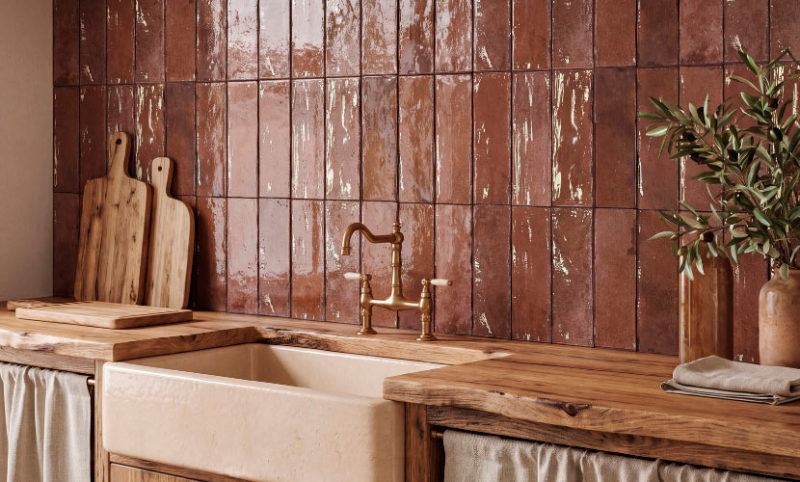
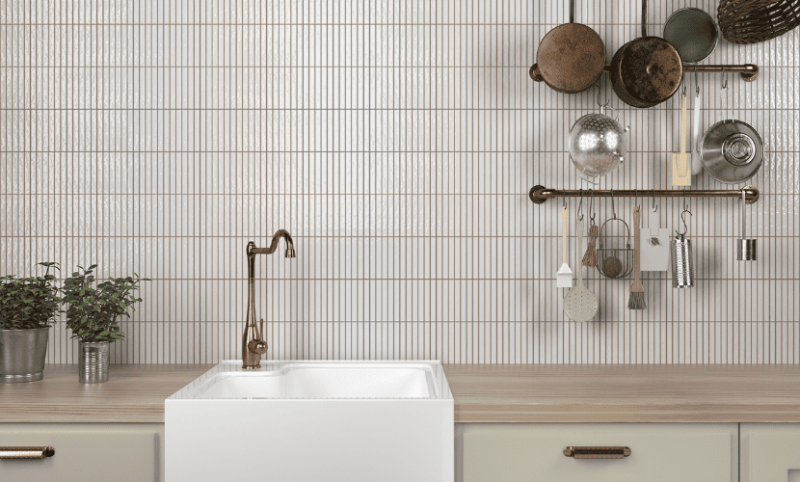
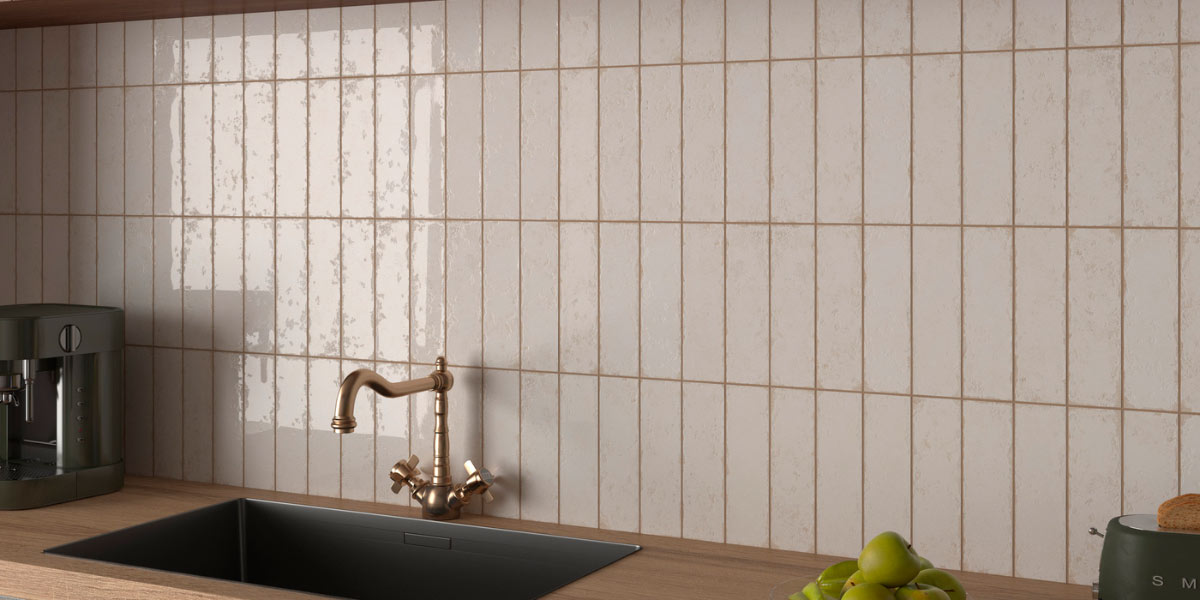
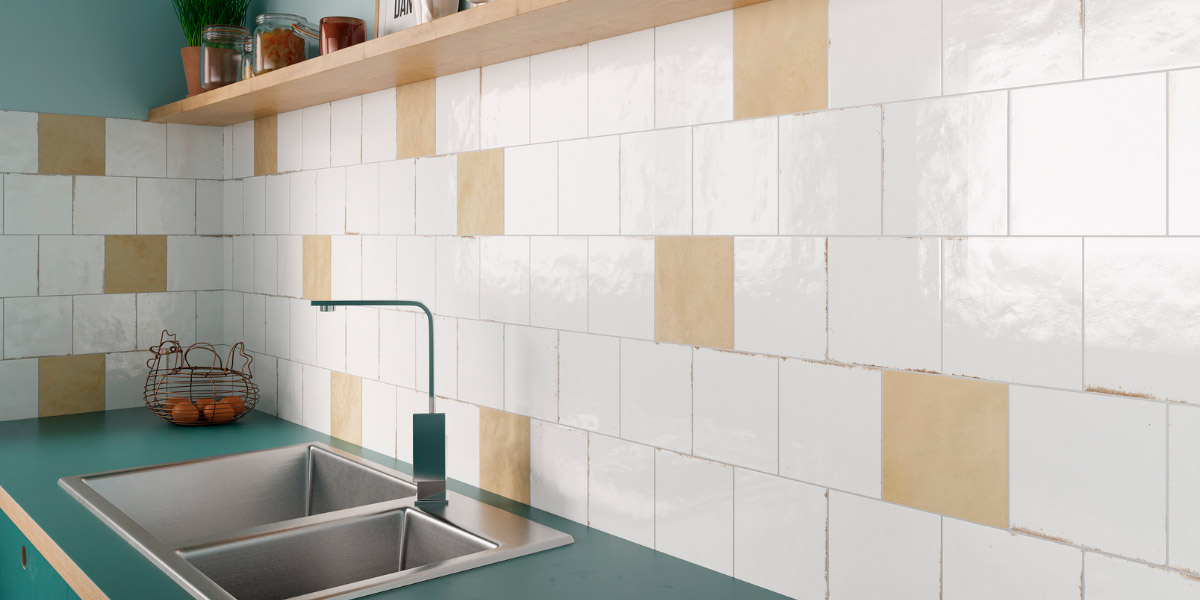
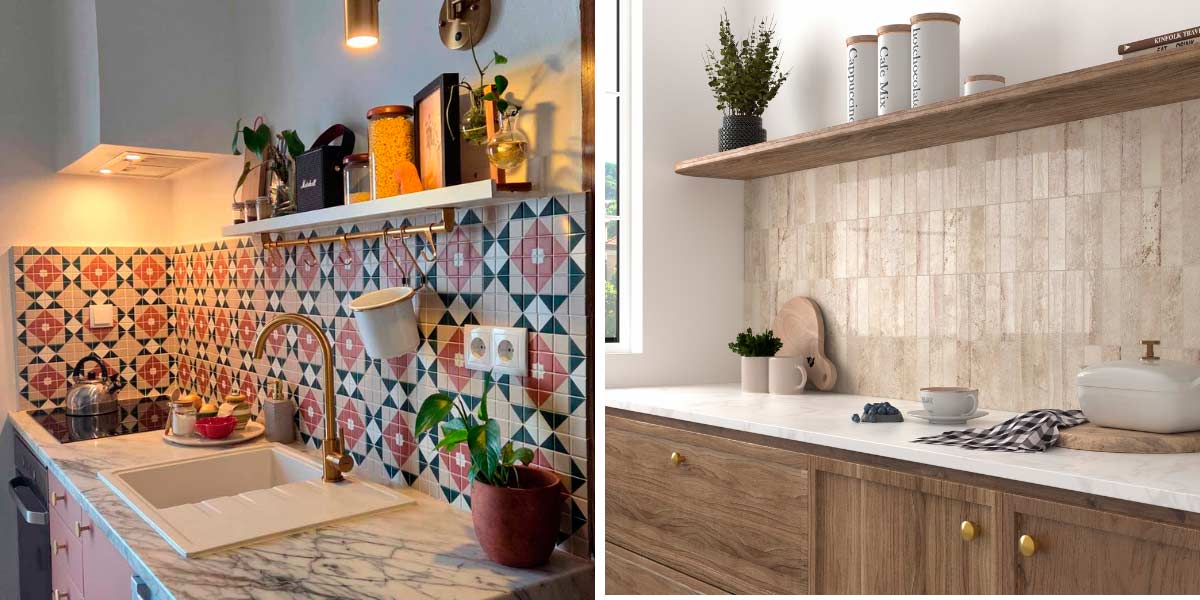
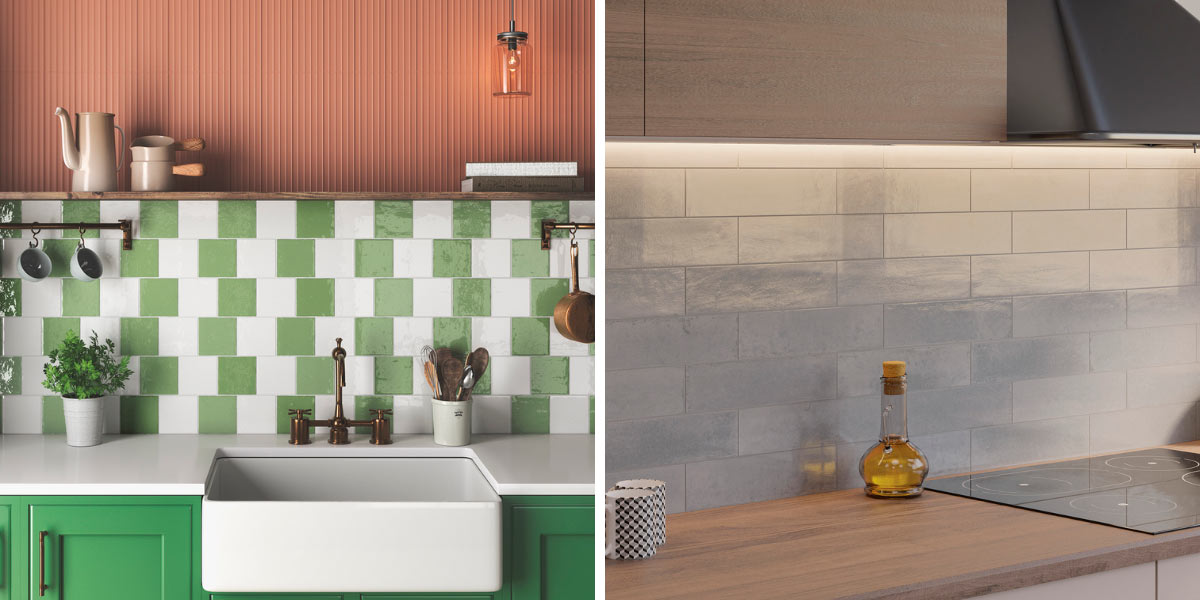
The backsplash is one of the areas where rustic kitchen tiles truly shine. As a highly visible yet functional surface, it allows you to introduce texture, colour, and personality without having to tile large areas. Handcrafted finishes, subtle reliefs, and tonal variations transform the kitchen backsplash into a striking decorative feature. Moreover, a well-designed backsplash can give the space its own identity while reinforcing the kitchen's overall style.
Integrate them into modern kitchens
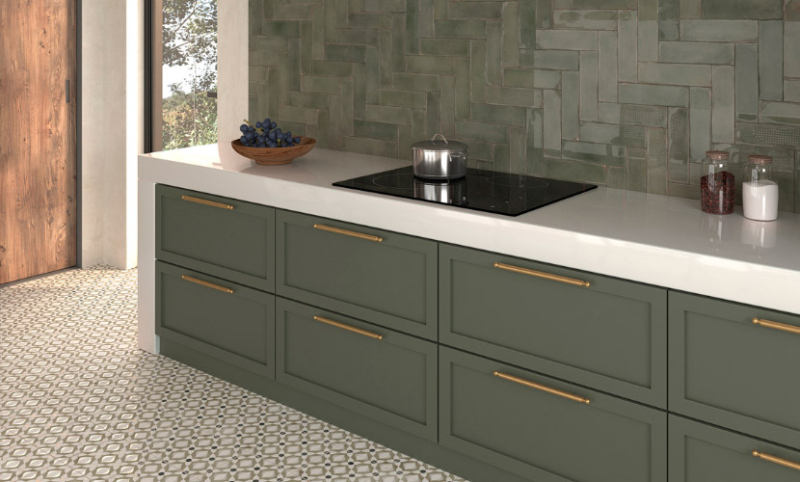
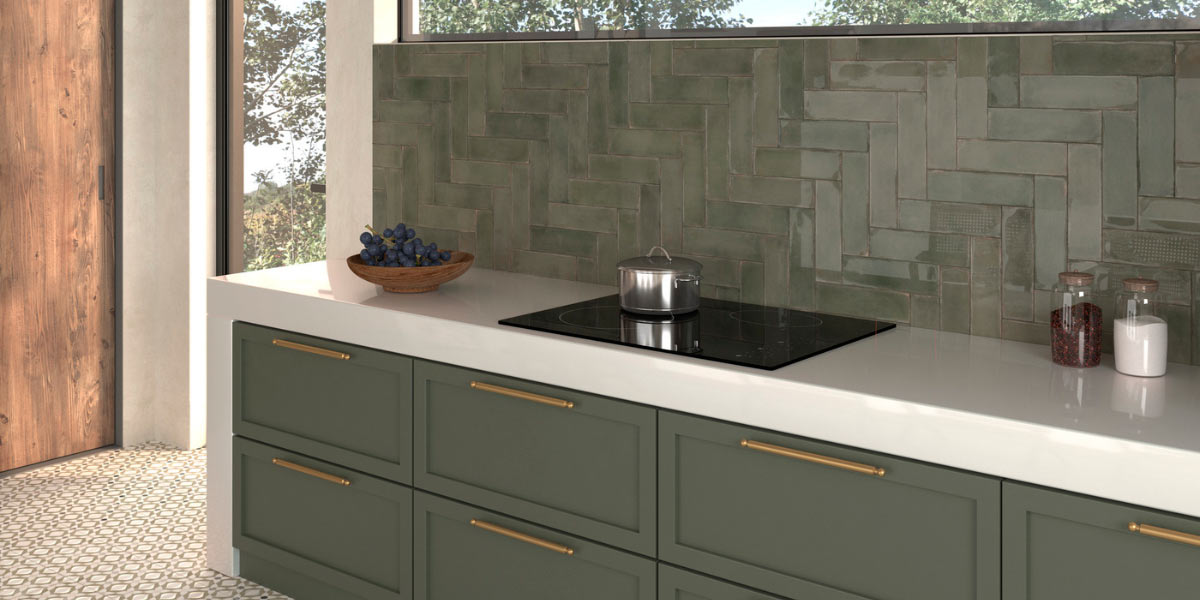
One of the greatest strengths of contemporary design is the combination of traditional-looking materials with modern furniture. Rustic tiles work perfectly alongside clean-lined cabinetry, large-format countertops, and integrated appliances. This combination creates balanced, sophisticated spaces where the warmth of handcrafted ceramics contrasts beautifully with the clean aesthetic of contemporary design elements. The result is a modern rustic kitchen that retains the charm of tradition while embracing today's functionality.
Choose porcelain tiles with a handcrafted look
Porcelain tiles inspired by handcrafted ceramics are an excellent solution for those seeking the aesthetic of rustic wall tiles combined with advanced technical performance. These wall coverings recreate the irregularities, textures, and colour nuances of handmade pieces while offering greater resistance to stains, moisture, and temperature changes. For this reason, they are particularly recommended for heavily used kitchens, where durability and easy maintenance are essential.
Common mistakes when using rustic tiles in kitchens
Focusing only on aesthetics
When choosing rustic kitchen tiles, it's easy to be guided solely by their appearance and overlook essential practical considerations. In a kitchen, wall coverings must withstand moisture, splashes, temperature changes, and frequent cleaning. For this reason, it is important to evaluate not only the design but also their technical performance.
Not considering the size of the space
The size of the kitchen has a direct influence on the choice of colours, formats, and textures. Using very dark rustic tiles or tiles with pronounced relief in small kitchens can create a visually crowded effect and make the space feel even smaller. In compact kitchens, a palette of light colours and tile formats proportionate to the available space usually works much better.
Combining too many finishes and colours
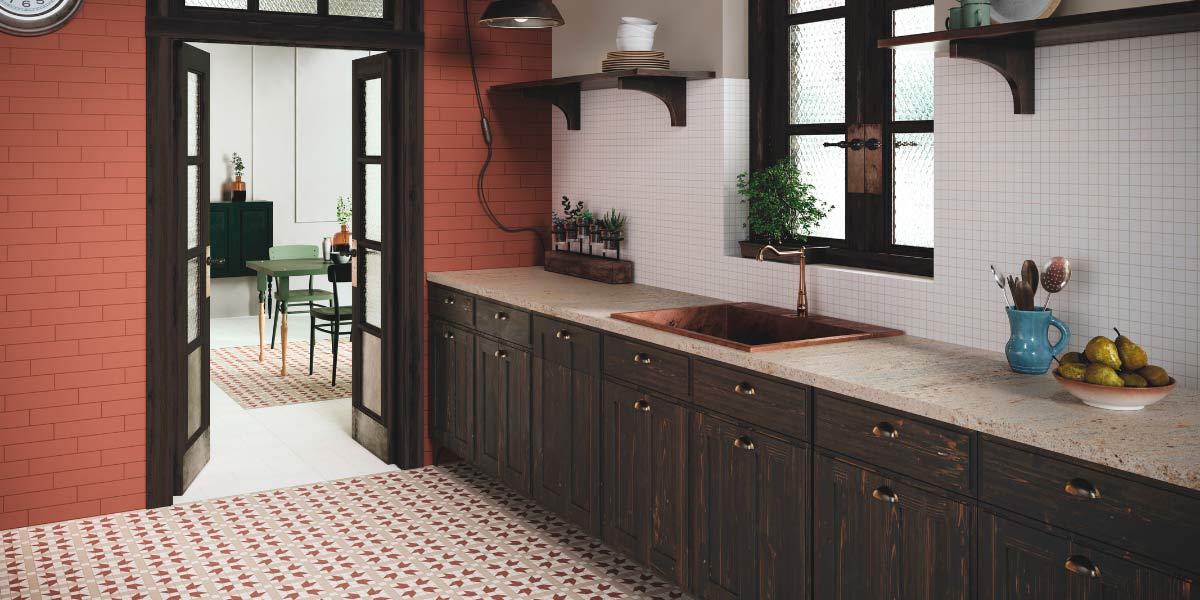
Another common mistake is mixing several types of wall coverings, colours, and textures without a clear design concept. Although the rustic style naturally embraces a certain richness of detail, too many decorative elements can result in a cluttered and unbalanced space. To achieve a harmonious kitchen, it is advisable to choose a coherent colour palette and limit the number of dominant finishes.
Frequently asked questions about rustic tiles
Are rustic tiles difficult to clean?
No. Modern rustic tiles, especially porcelain tiles, are designed to make everyday cleaning and maintenance easy. Water and a pH-neutral cleaning product are all you need to keep them looking their best. In addition, many collections combine the handcrafted look of traditional wall coverings with surfaces that are resistant to stains, moisture, and wear, making them a practical choice for both bathrooms and kitchens.
Are they suitable for small bathrooms?
Yes, rustic tiles are an excellent choice for small bathrooms, provided they are selected carefully. Light shades, subtle textures, and tile formats that are proportionate to the space help maintain brightness and create a greater sense of spaciousness. For the best results, it is advisable to use them on a feature wall or combine them with neutral colours and good lighting.
Which rustic colours are currently on trend?
The most popular rustic colours today are inspired by nature and traditional materials. Among the leading trends are terracotta, sandy beige, off-white or ivory, sage green, clay, earthy tones, stone grey, and taupe.
Can they be combined with modern styles?
Yes, rustic tiles pair perfectly with modern interior styles. In fact, one of today's most popular design trends is combining handcrafted-inspired wall coverings with clean-lined furniture, neutral colours, microcement, or metal accents. This combination creates the perfect balance between warmth and contemporary design, resulting in elegant and welcoming spaces. Rustic wall tiles are particularly well suited to adding texture and personality to modern bathrooms and kitchens while maintaining a bright and spacious feel.
Is ceramic or porcelain the better choice?
It depends on the intended use and the specific requirements of the project. In general, rustic-effect porcelain tiles offer superior technical performance, while rustic ceramic tiles stand out for their handcrafted character.
For heavily used bathrooms and kitchens, porcelain is usually the most practical option thanks to its durability and low maintenance requirements. If a more traditional, handcrafted appearance is desired, ceramic remains an excellent alternative. Today, many rustic tiles combine the aesthetic appeal of handmade ceramics with the technical advantages of porcelain.
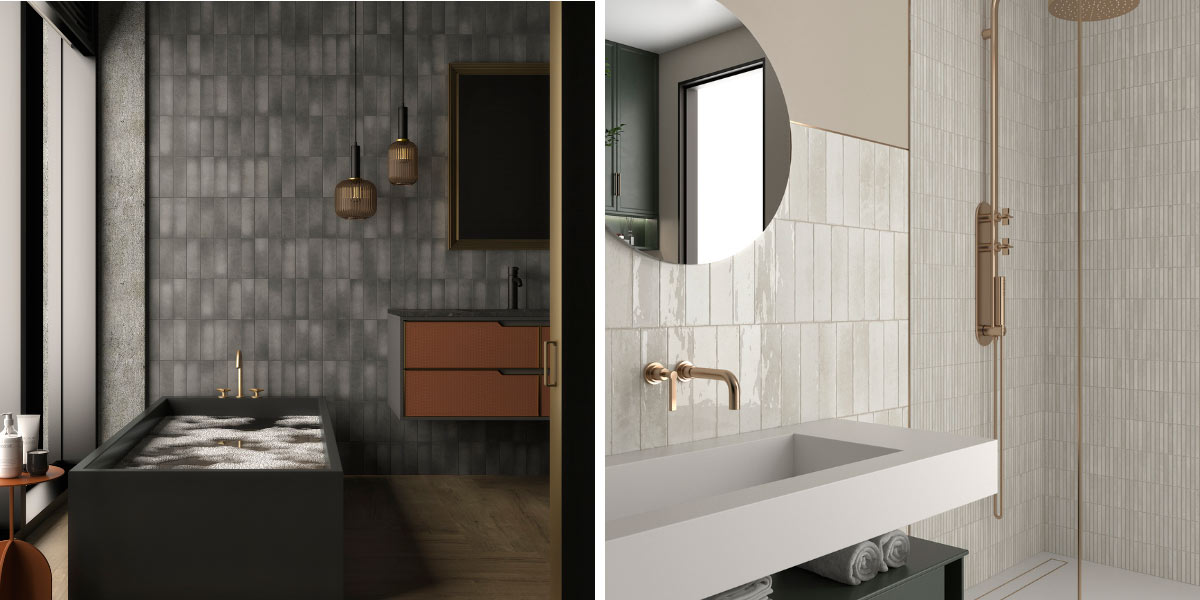
Rustic tiles continue to be one of the best choices for anyone looking to create bathrooms and kitchens full of personality, warmth, and timeless design. Their ability to add texture, depth, and authenticity makes them a decorative element that goes beyond passing trends.
The key to success lies in using them in a balanced way: choosing the right colours, making the most of feature walls, combining handcrafted finishes with contemporary materials, and adapting the design to the dimensions of the space. Likewise, avoiding common mistakes such as visual clutter, poor lighting, or an excessive mix of finishes will help you achieve a much more harmonious result.