
Key tips for choosing the color of your home flooring
Choosing the right flooring is one of the most important decisions in home design, and within this choice, color plays a key role. Knowing how to choose the color of your home flooring not only influences aesthetics, but also the perception of space, brightness, and the overall coherence of the interior.
The color of the flooring in a home has the ability to completely transform a room: it can make it appear larger, warmer, or more sophisticated. That is why, beyond trends, it is essential to understand which factors influence this decision in order to achieve a balanced and long-lasting result.
If you are wondering what color to choose for your home flooring, in this guide you will find the key points to make the best decision. We analyze how aspects such as light, room size, and decorative style influence the choice, and how to select flooring that adapts to the needs of each space, combining design and functionality.
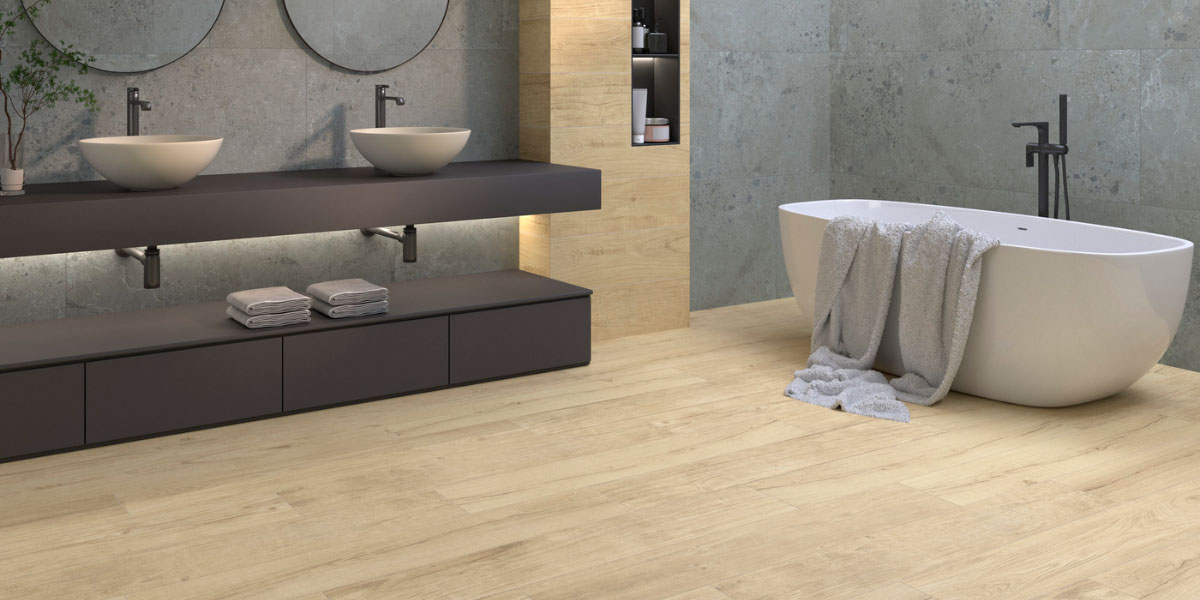
Why is it important to choose the right floor color?
The floor is one of the surfaces with the greatest visual impact within a home. Its color not only defines the aesthetic foundation of the space, but also shapes the overall perception of the interior. That is why understanding how to choose the color of your home flooring is essential to create balanced, functional, and harmonious environments.
Impact on the perception of space
The color of the flooring in a room directly influences how we perceive the size and proportions of a space. Light tones tend to visually enlarge rooms, providing a sense of lightness and continuity, while dark colors create cozier, more elegant environments with a stronger presence. Choosing the right tone allows the space to adapt to the needs of the project, enhancing its qualities and correcting possible limitations.
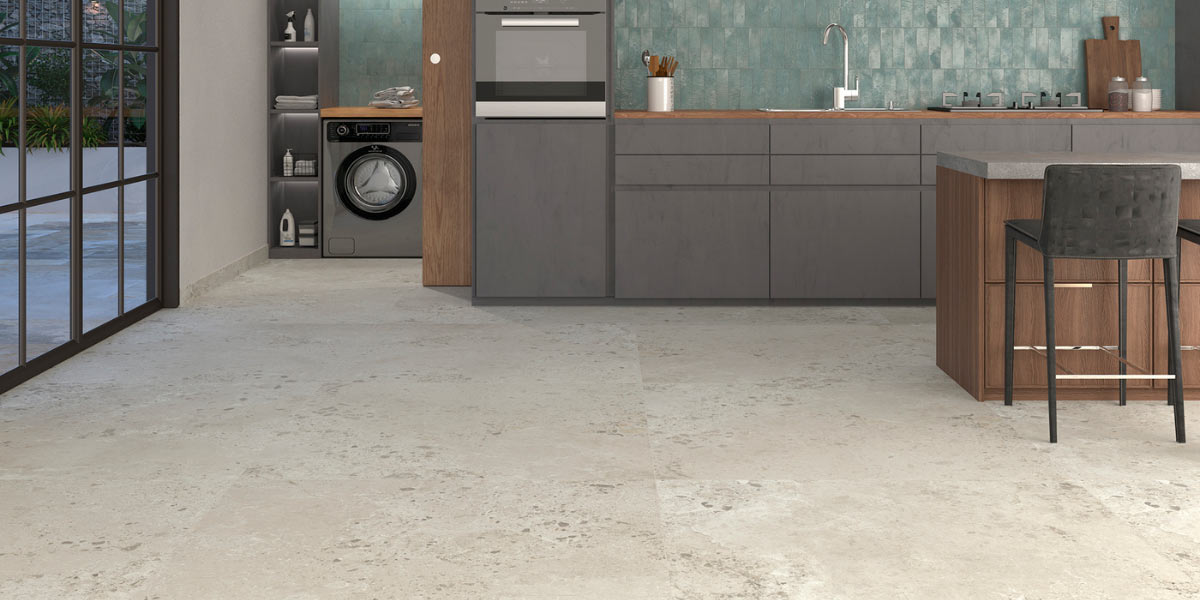
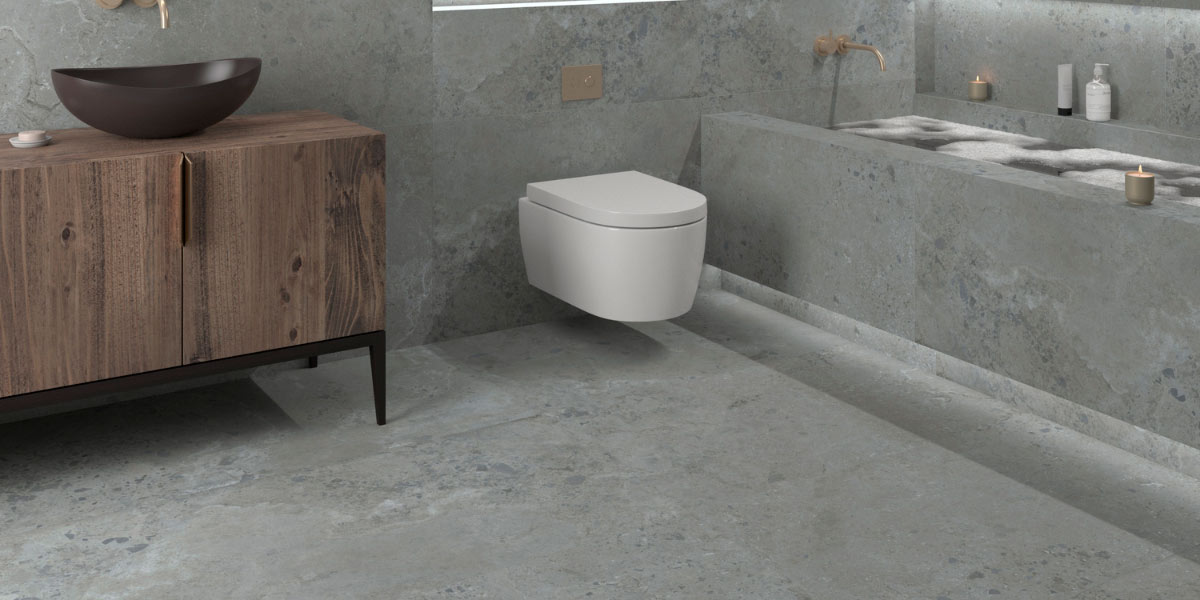
Influence on light and the feeling of spaciousness
The relationship between flooring and light is key. Light-colored flooring reflects natural light better, helping to create bright and open environments. On the other hand, darker tones absorb light, creating more intimate and sophisticated spaces. Therefore, when deciding what color to choose for your home flooring, it is important to consider the orientation of the space, the amount of natural light, and the type of artificial lighting used.
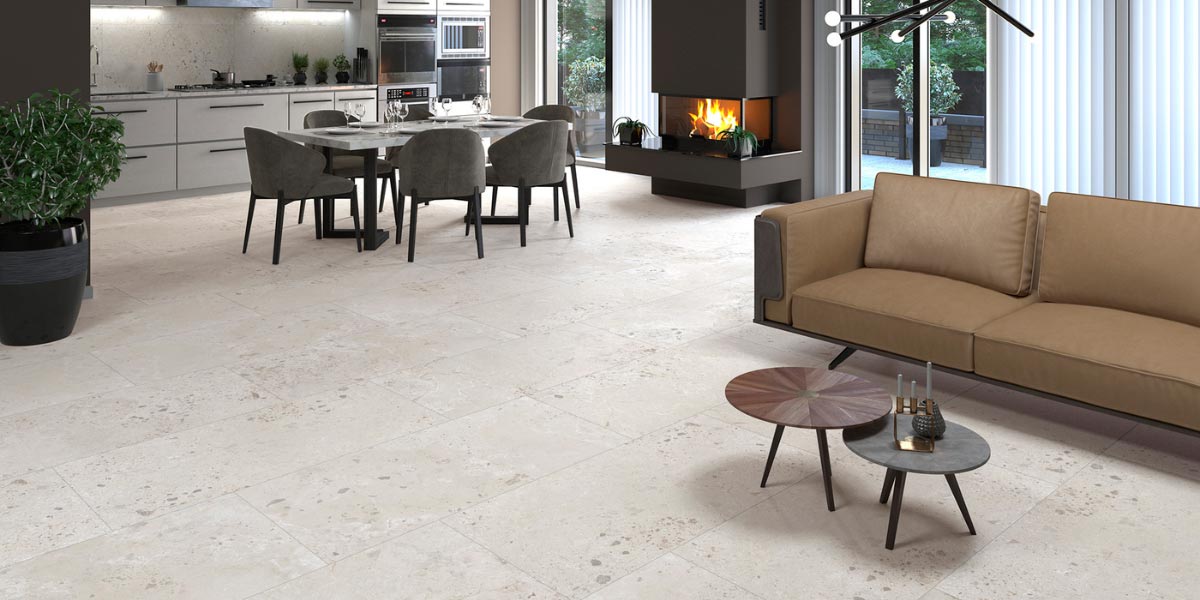
Relationship with decorative style
The color of the flooring acts as a unifying element in the design. It defines the base upon which the rest of the project is built: walls, furniture, and decorative elements. Neutral and natural tones offer greater versatility and easily adapt to different styles, while bolder colors bring character and personality. In both cases, the goal is to achieve a harmonious composition where all elements interact naturally with one another. Correctly choosing the color of your home flooring is not only an aesthetic matter, but also a strategic decision that influences comfort, functionality, and the identity of the space.
How to choose the color of your home flooring step by step
Choosing the right flooring requires evaluating different factors that influence both the aesthetics and functionality of the space. If you are wondering how to choose the color of your home flooring, one of the first aspects to analyze is the size of the room, since color can significantly modify the visual perception of the environment.
According to the size of the space
The size of the room greatly determines the choice of the flooring color in a home. In small spaces, light tones are usually the most recommended option, as they reflect light better and help create a greater sense of spaciousness. Colors such as off-white, beige, sand, or soft grey allow interiors to feel more open, light, and bright.
On the other hand, in large rooms, the choice can be more flexible. Medium or even dark tones can work very well, since they add depth and help create more enveloping and sophisticated environments. In these cases, the floor can become an element with a stronger aesthetic presence, reinforcing the character of the space.
Beyond the actual size, it is also important to consider the visual effect you want to achieve. If the goal is to enhance continuity and make a room appear larger, it is advisable to opt for flooring in soft and uniform colors. If, on the contrary, a more intimate atmosphere or greater contrast is desired, more intense tones can be a good choice.
According to natural light
The quantity and quality of natural light is another key factor when deciding how to choose the color of your home flooring. Light directly influences how we perceive colors and can enhance or alter the final result of the space.
In rooms with abundant natural light, there is greater freedom when choosing the color of the flooring. Both light and medium or dark tones can work correctly, since the light helps balance the overall appearance and prevents the space from feeling heavy. In these cases, flooring can even be used to create contrast and add depth.
On the contrary, in spaces with little natural light, it is advisable to opt for light or neutral tones. Light-colored flooring reflects the available light better, helping to create brighter and more pleasant environments. This choice is especially important in north-facing homes, interior rooms, or spaces with few windows.
In addition, it is important to keep in mind that light changes throughout the day. The same floor may look different depending on the orientation (east, west, north, or south) and the type of artificial lighting used. For this reason, it is always advisable to observe samples in the actual space before making a final decision.
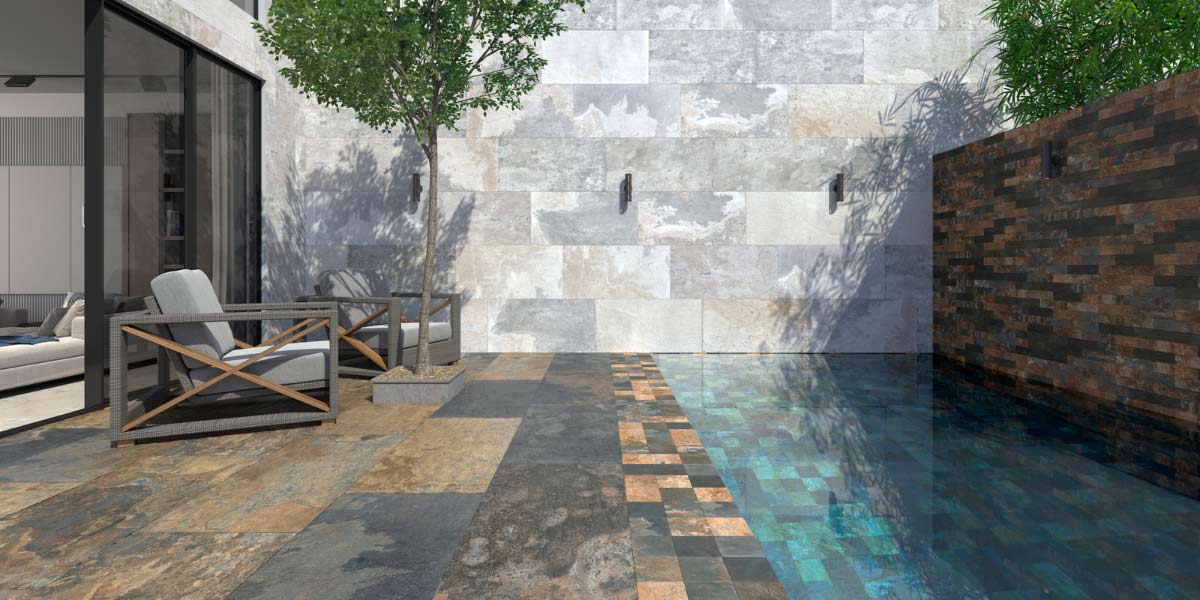
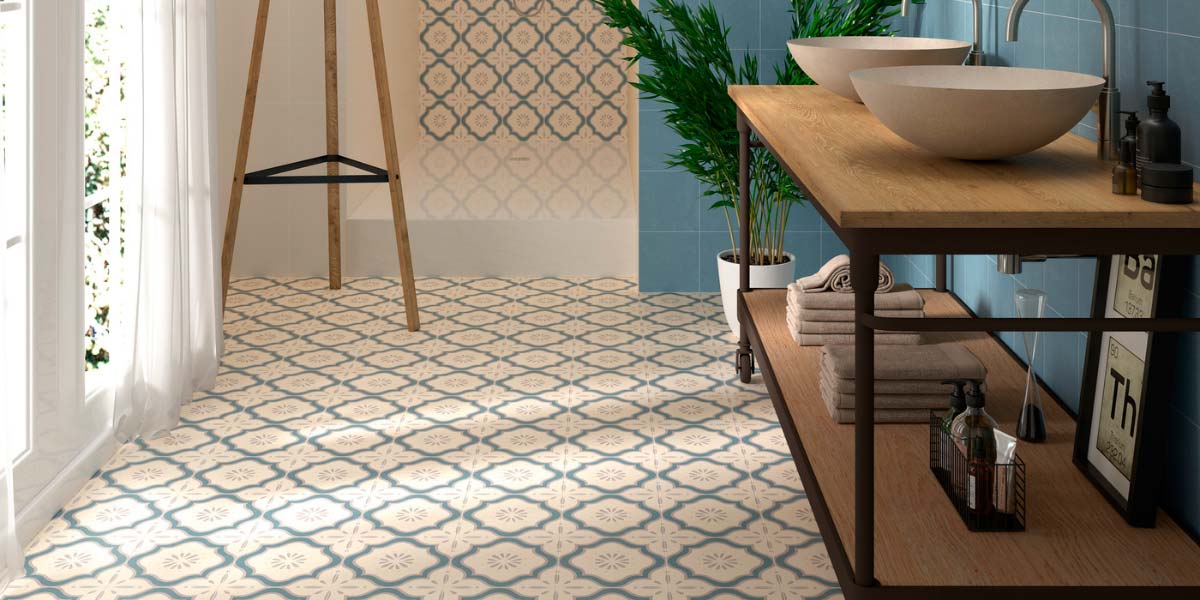
According to the decorative style
The style of the space is another determining factor when deciding how to choose the color of your home flooring. Flooring acts as the foundation of the design, so its color should be in harmony with the overall aesthetic of the interior.
In modern or minimalist environments, neutral tones such as greys, beige, or cement- and stone-effect finishes usually work best. These flooring colors for homes provide visual continuity and allow other elements, such as furniture or lighting, to take center stage.
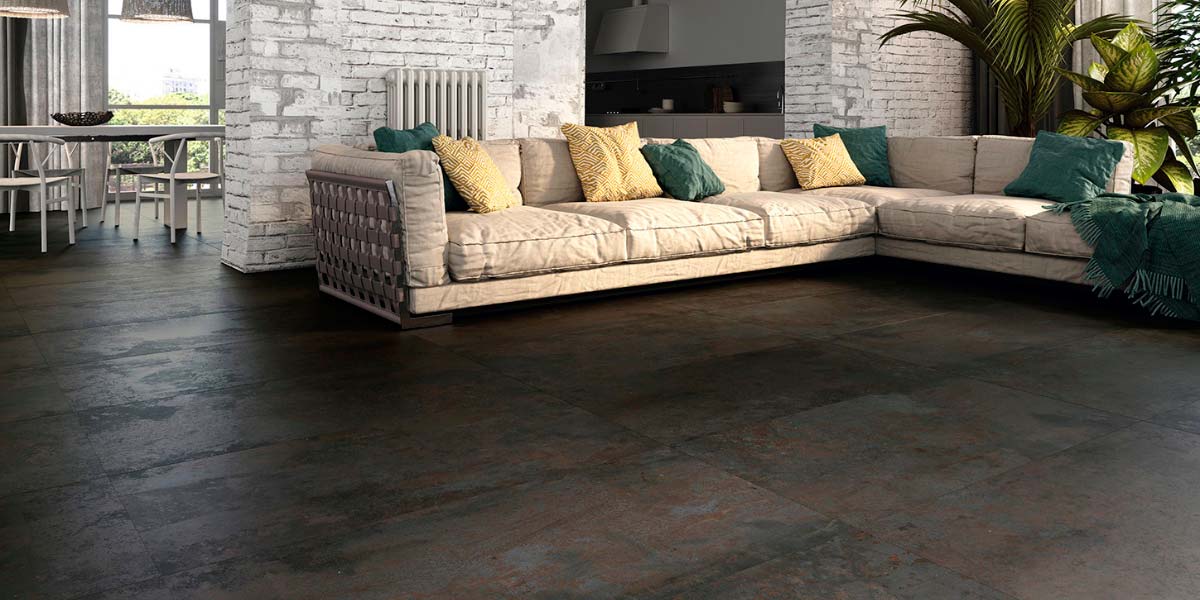
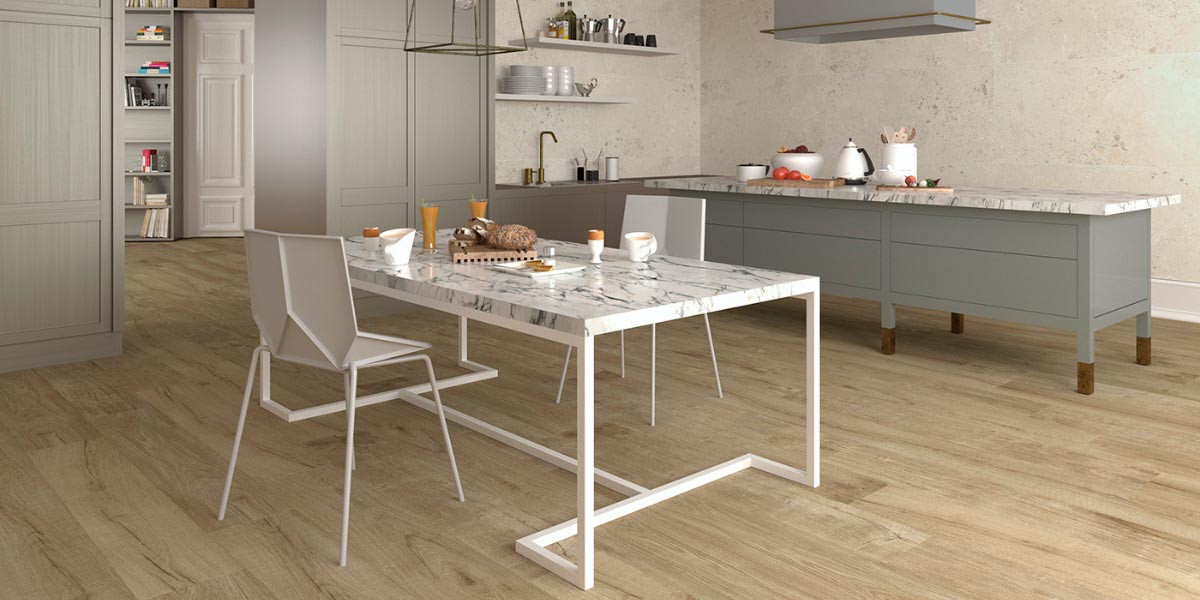
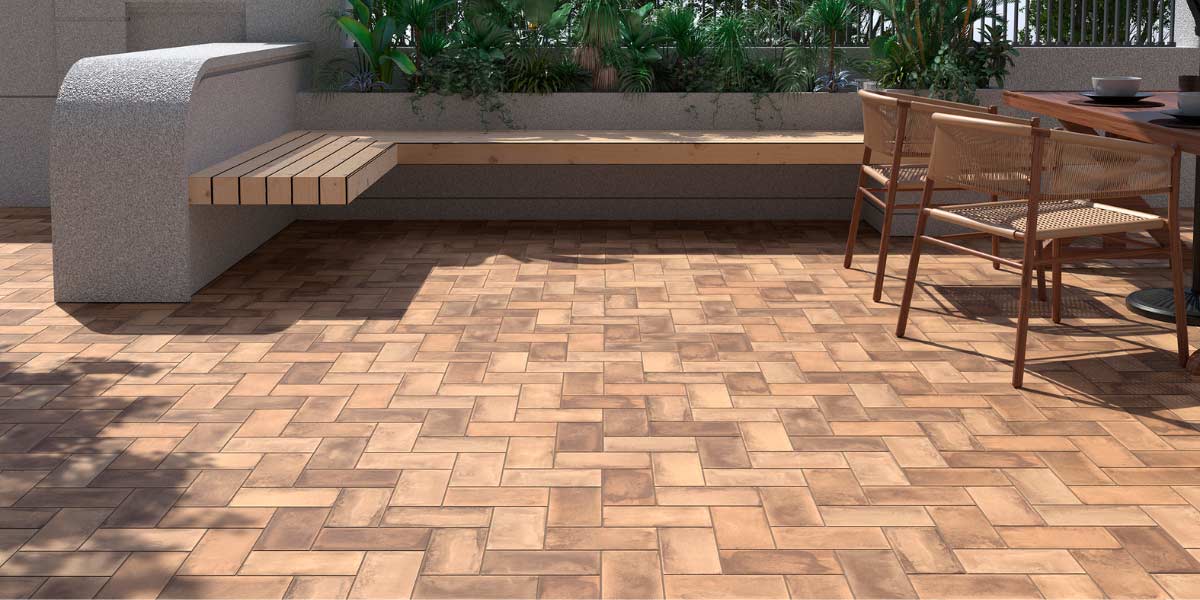
In warmer or naturally inspired spaces, such as Mediterranean or Nordic styles, light-colored or wood-effect flooring stands out. These tiles in natural tones help create cozy, bright, and balanced environments.
On the other hand, in classic or more sophisticated interiors, dark or medium tones can add elegance and depth. In this type of project, the color of the flooring becomes a key element in reinforcing the character of the space.
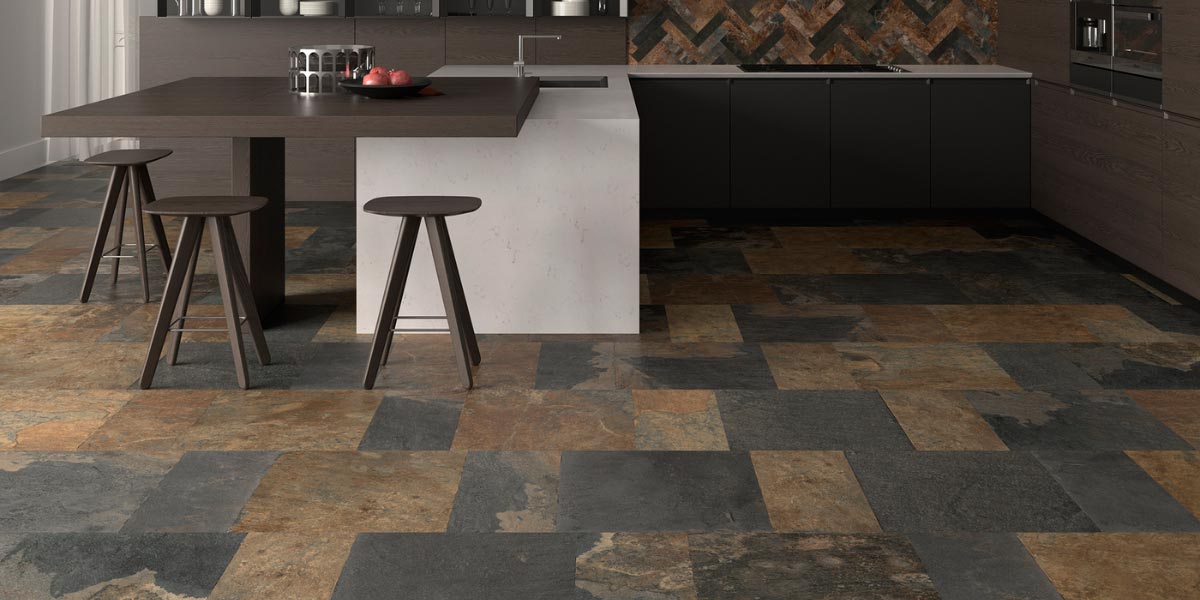
It is also important to consider consistency between rooms. Maintaining the same color palette in the flooring helps create visual continuity, especially in homes with open or connected spaces.
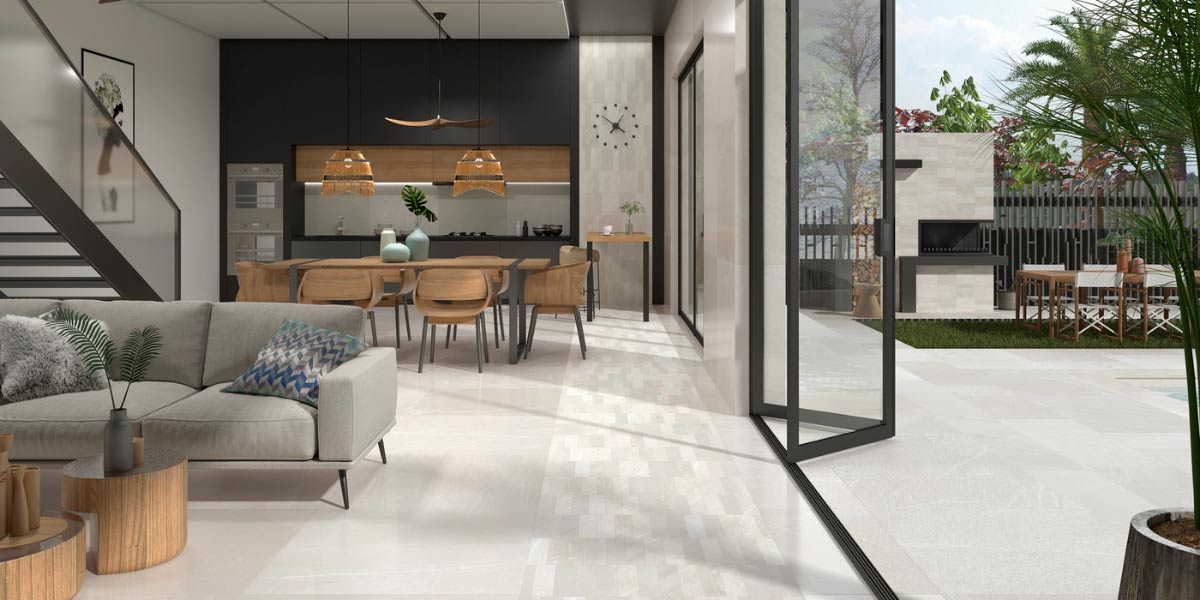
When deciding what color to choose for your home flooring, it is essential to adapt the choice to the real use of each space, always seeking a balance between design, functionality, and durability.
Most commonly used floor colors and when to choose them
When deciding how to choose the color of your home flooring, it is important to know the most commonly used options and understand in which cases each one works best. The color of the flooring not only defines the aesthetics of the space, but also its functionality and perception.
Light floors: whites, beige, sand
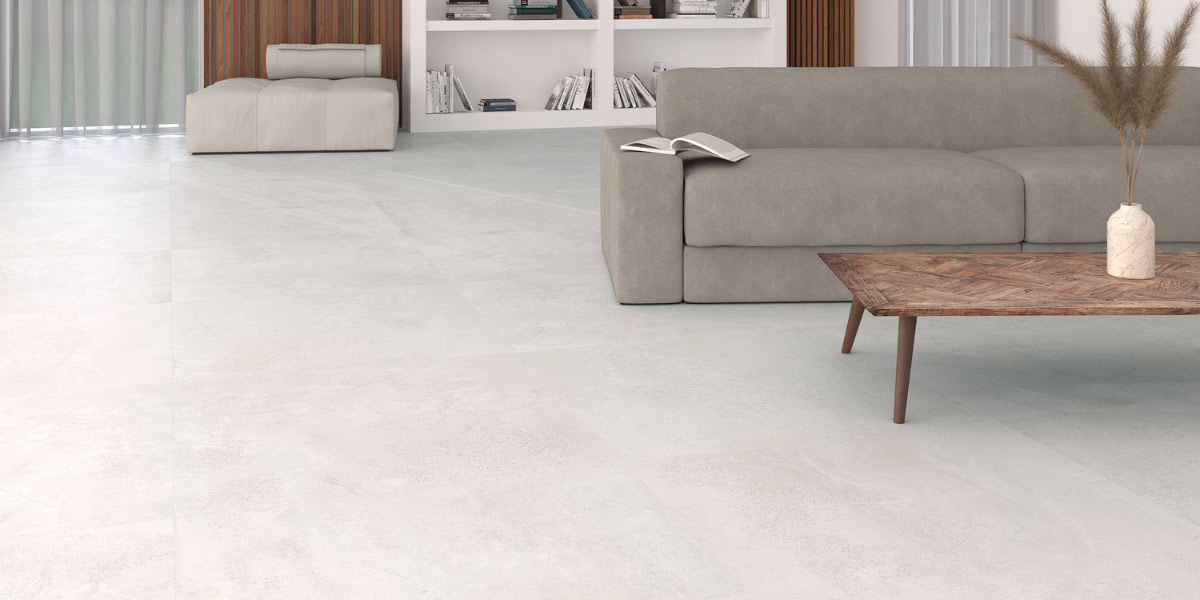
Light-colored floors are one of the most popular options in interior design because of their ability to bring brightness and spaciousness. Shades such as off-white, beige, or sand reflect light better, making spaces appear larger and more open.
This type of home flooring color is ideal for small homes, rooms with little natural light, or projects where a light and contemporary aesthetic is desired. In addition, they easily combine with all kinds of decorative styles, from minimalism to Nordic or Mediterranean styles.
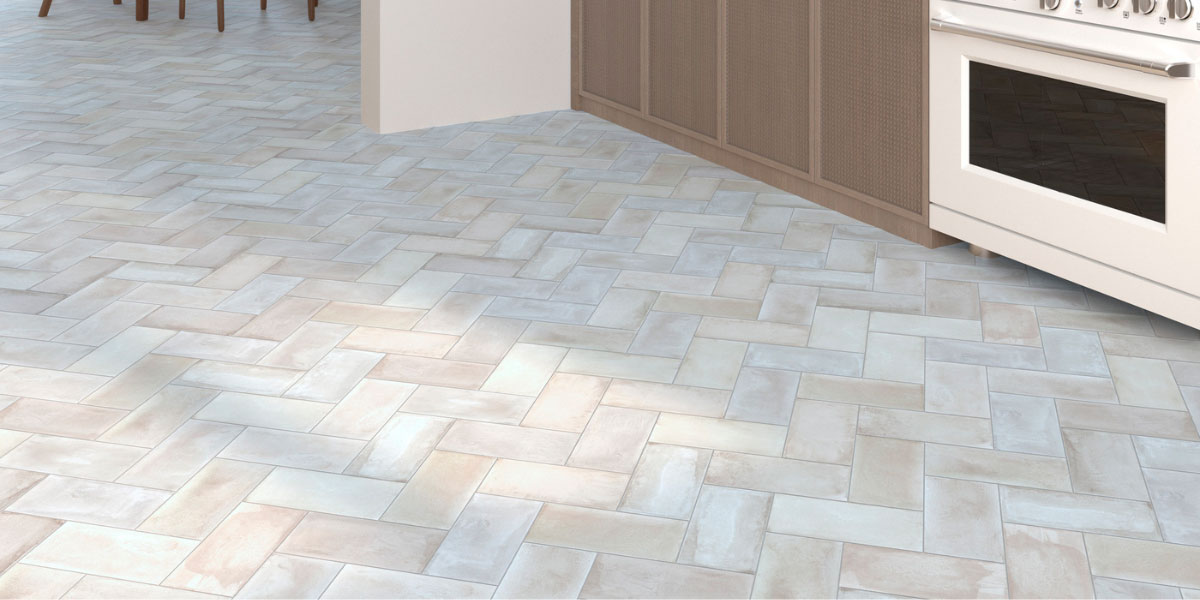
Medium floors: wood tones, soft greys
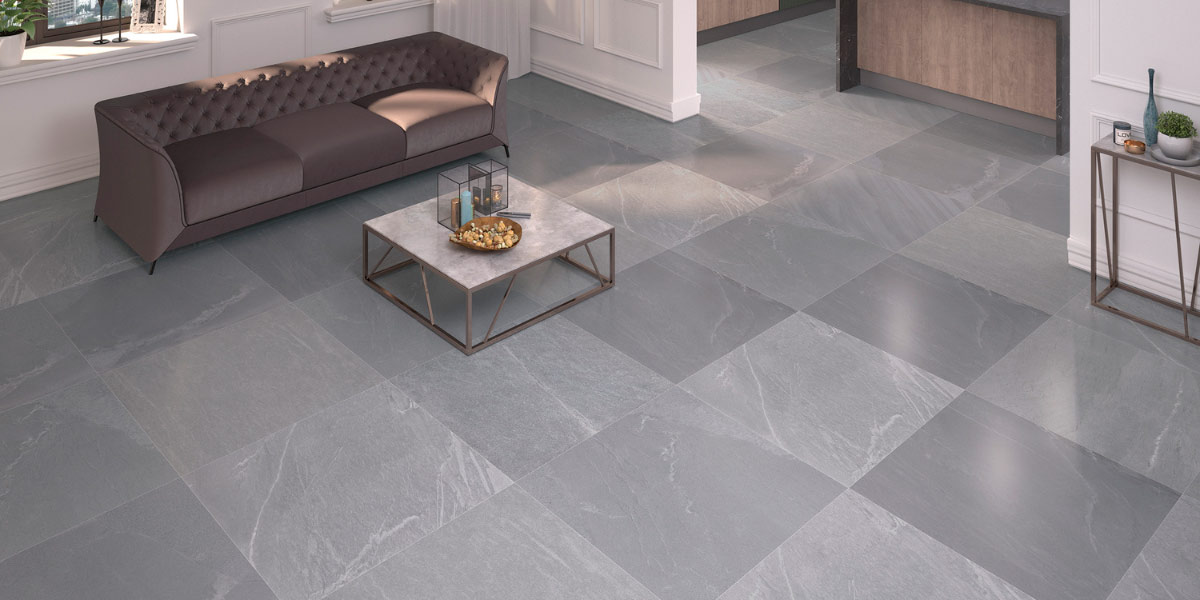
Flooring in medium tones such as grey represents the perfect balance between aesthetics and practicality. Colors such as natural wood, oak, light walnut, or soft greys bring warmth without darkening the space, while maintaining good brightness.
This type of home flooring color is very versatile, since it adapts to practically any decorative style. In addition, it hides daily wear and dirt better, making it a very functional option for high-traffic areas such as living rooms or kitchens. If you are unsure what color to choose for your home flooring, medium tones are usually a safe bet.
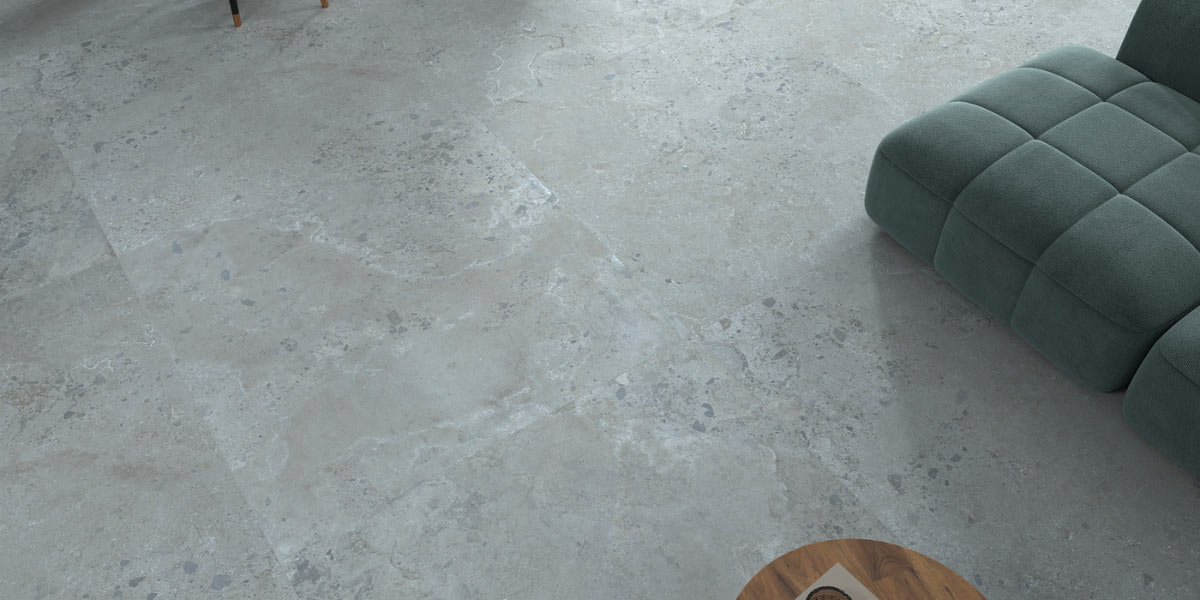
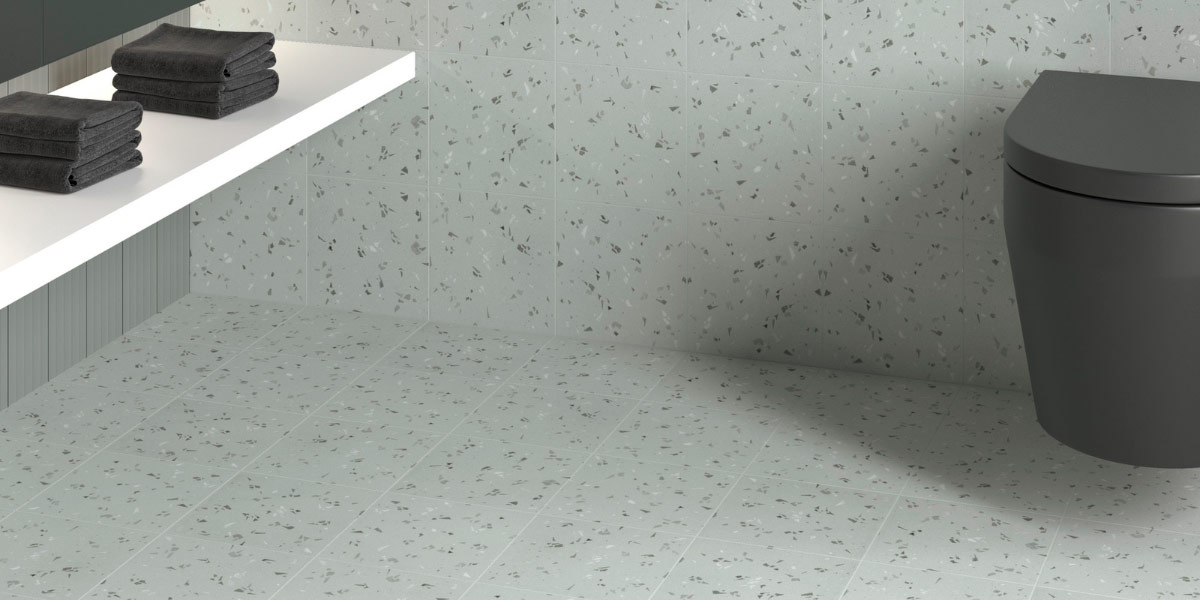
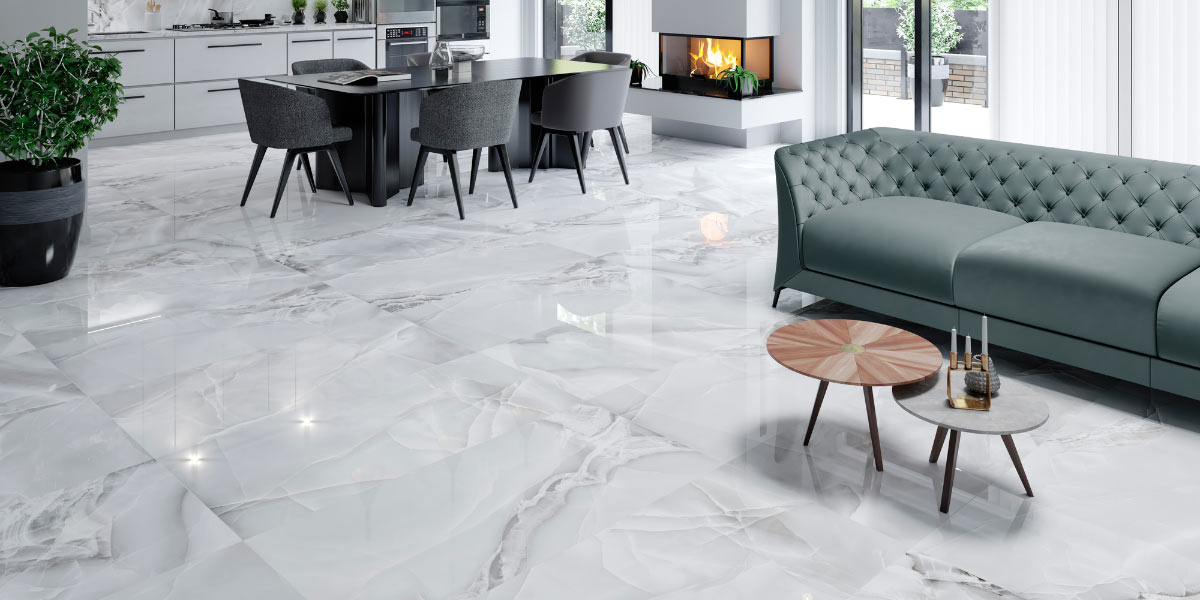
Dark floors: anthracite, brown, or black
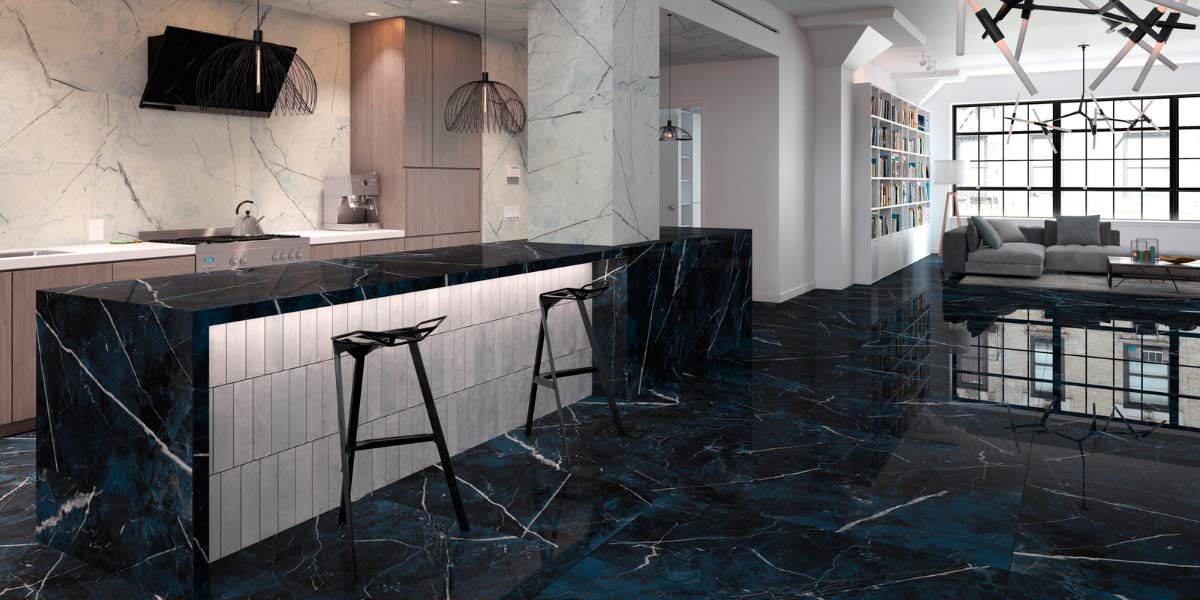
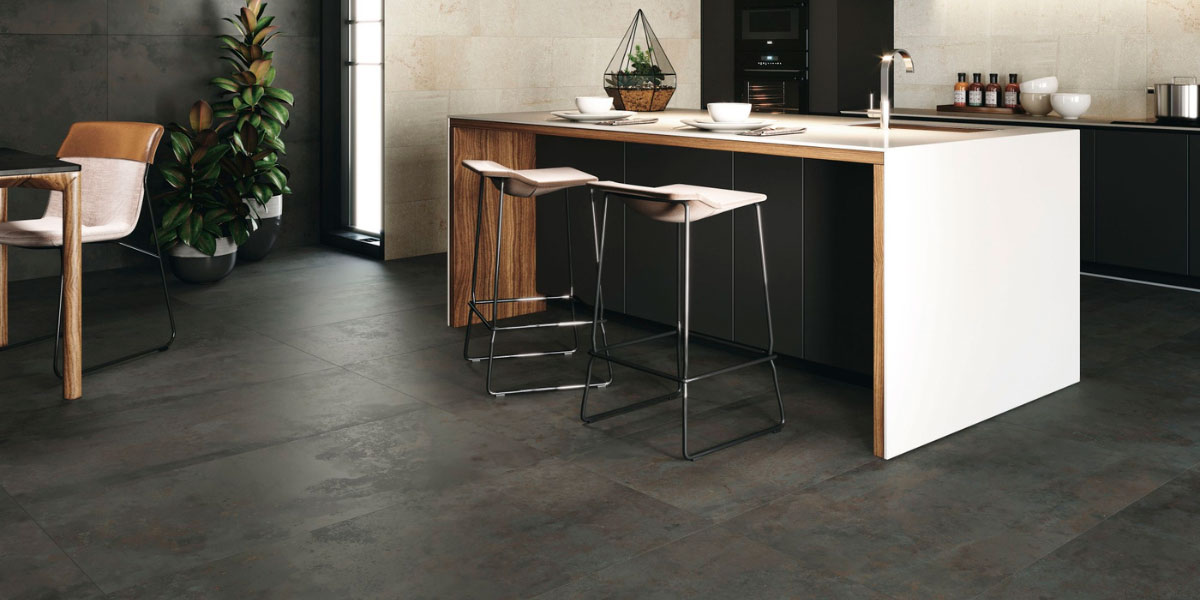
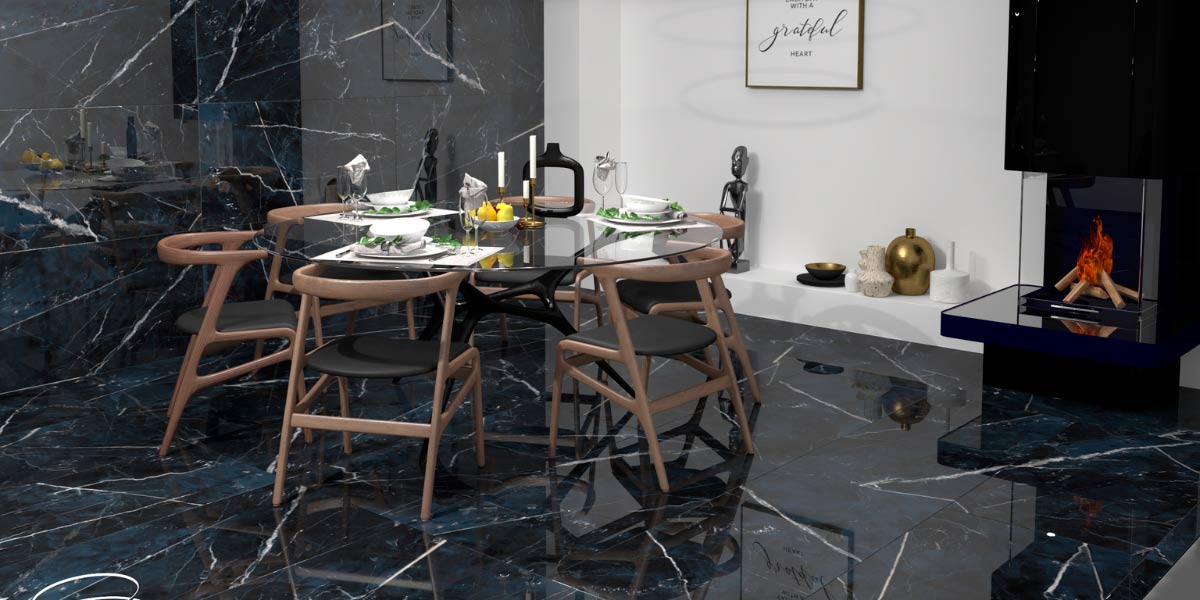
Dark floors stand out for their elegance and their ability to create contrast. Shades such as anthracite, dark brown, or black bring depth and sophistication, making them ideal for spacious or well-lit areas.
These home flooring colors work especially well in contemporary or more exclusive interiors, where a stronger visual impact is desired. However, it is important to keep in mind that they absorb more light, so they are not the best option for small rooms or spaces with limited lighting.
What floor color to choose according to each room
Choosing what color to use for your home flooring also depends on the function and characteristics of each room. Adapting the flooring color to each space helps improve both the aesthetics and functionality of the overall design.
Living room
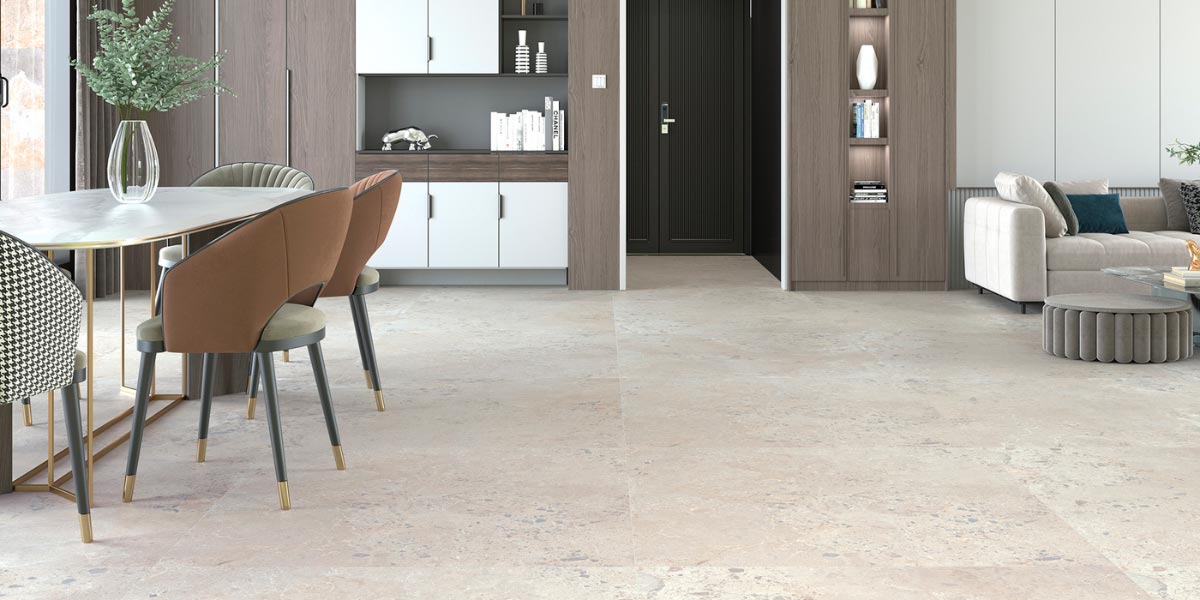
The living room is one of the most important areas of the home, so the flooring color should be versatile and balanced. Medium tones are a widely used option, since they combine easily with different styles and types of furniture. Light floors can also be used to enhance brightness, while darker tones in spacious areas help create more sophisticated environments.
What color to choose for kitchen flooring
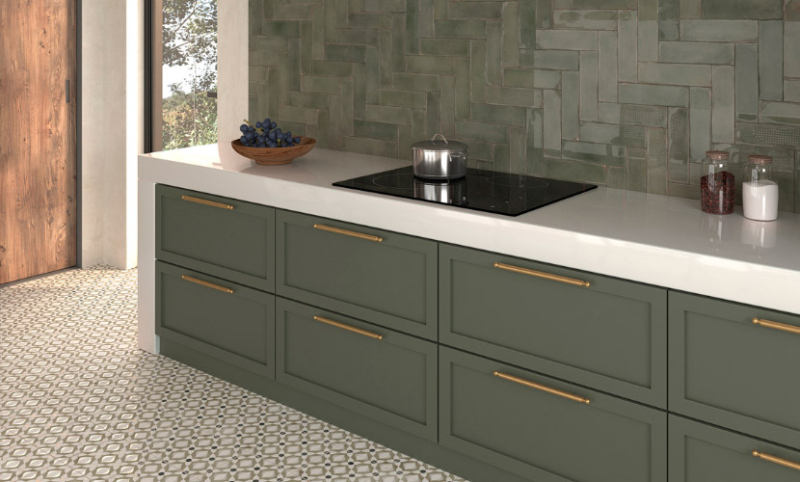
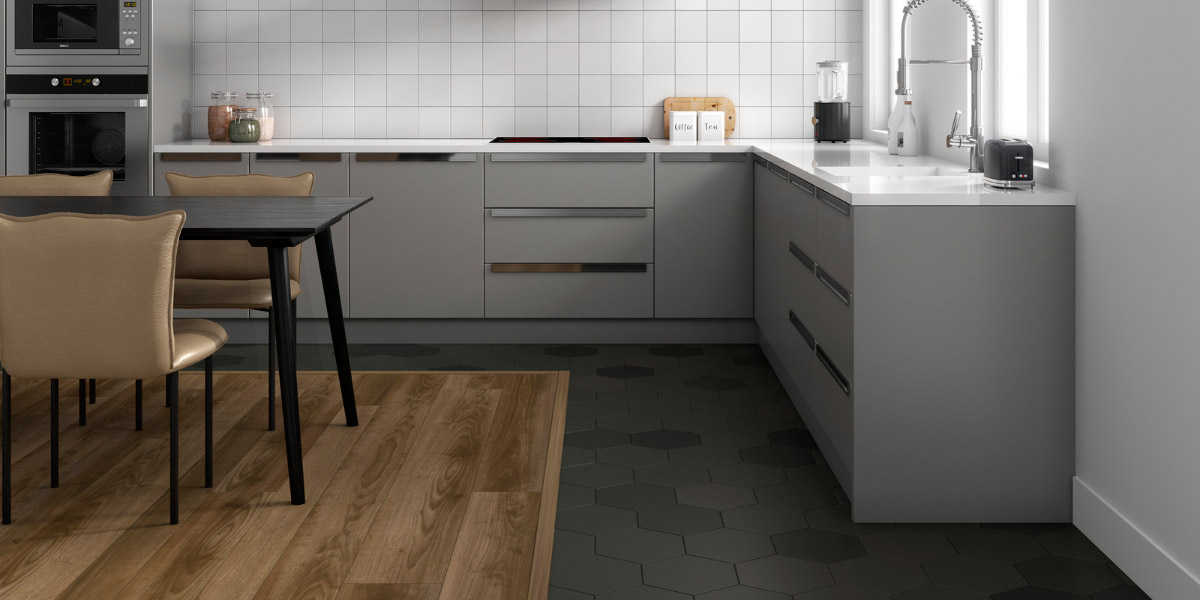
In the kitchen, it is important to combine aesthetics and practicality. Home flooring colors in medium or slightly dark tones are highly recommended, as they help conceal daily wear and make maintenance easier. Finishes with texture or material effects (stone, cement, wood) work very well in this type of space, adding character without losing functionality.
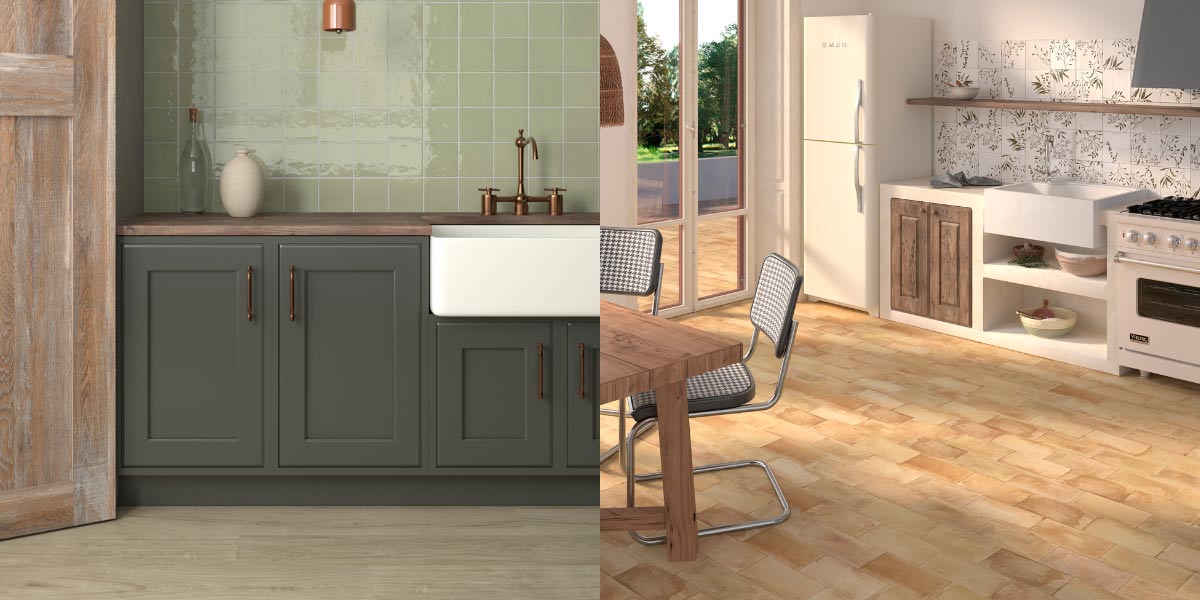
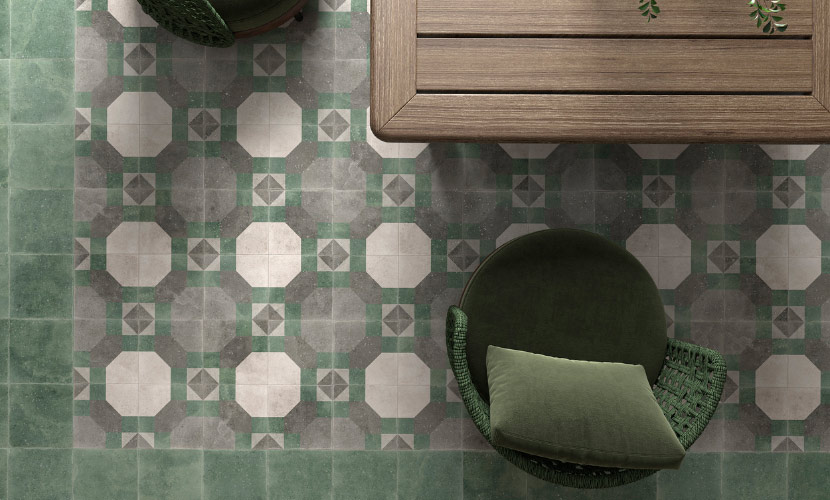
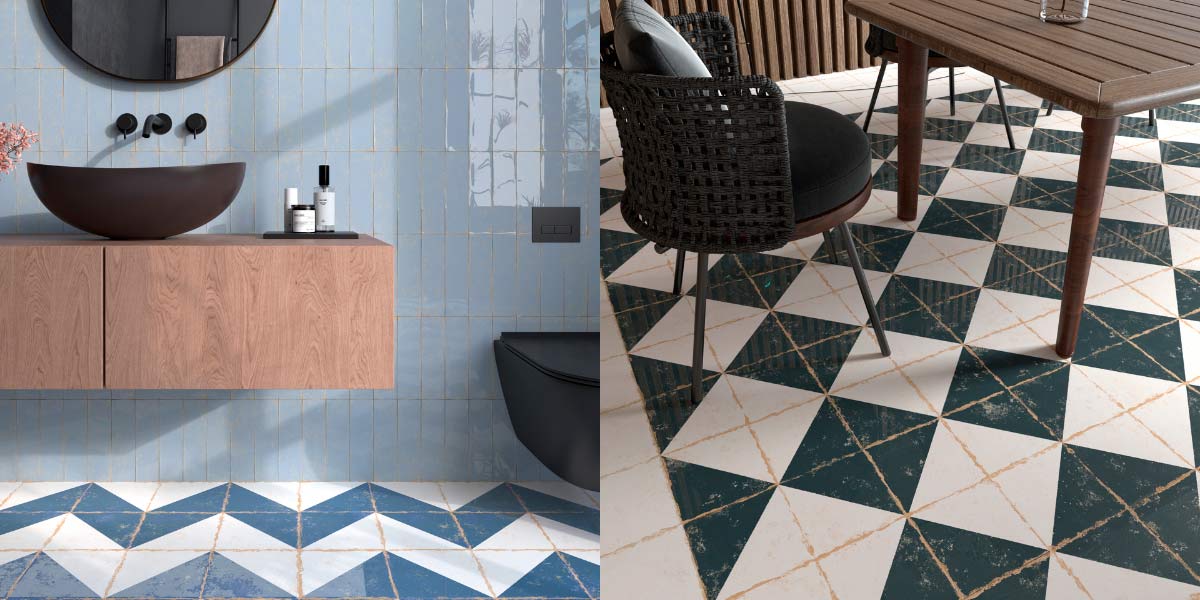
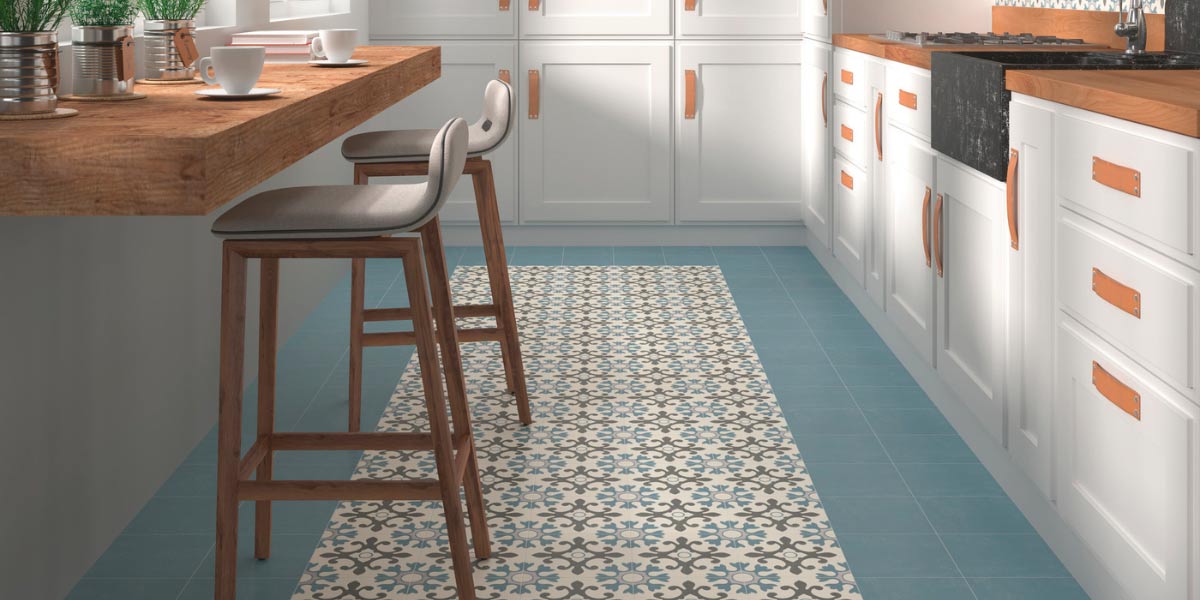
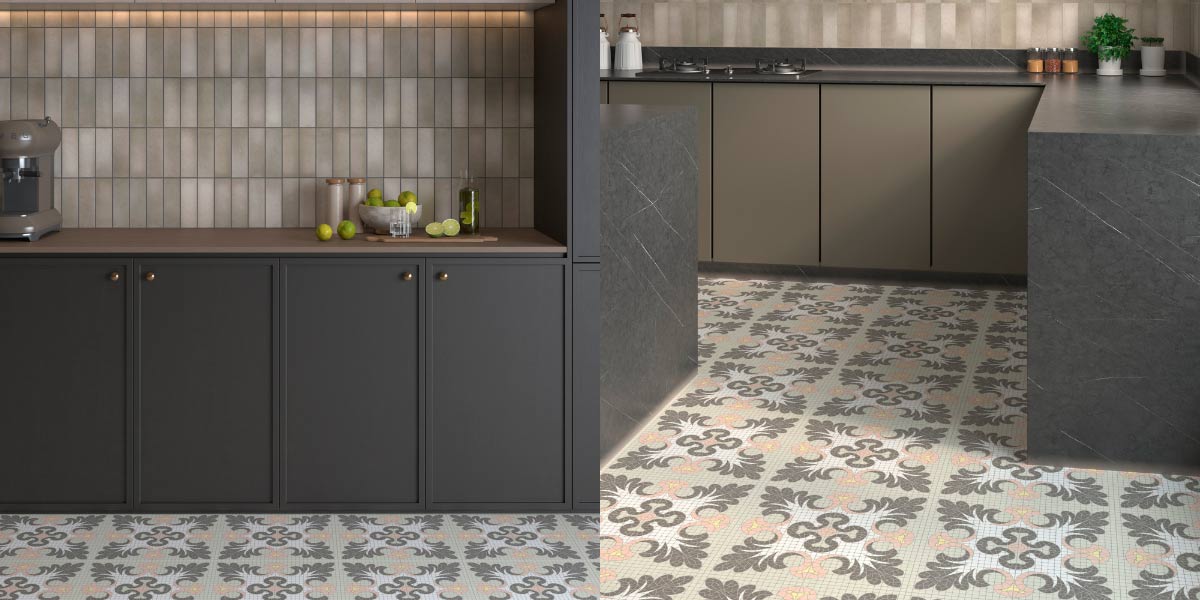
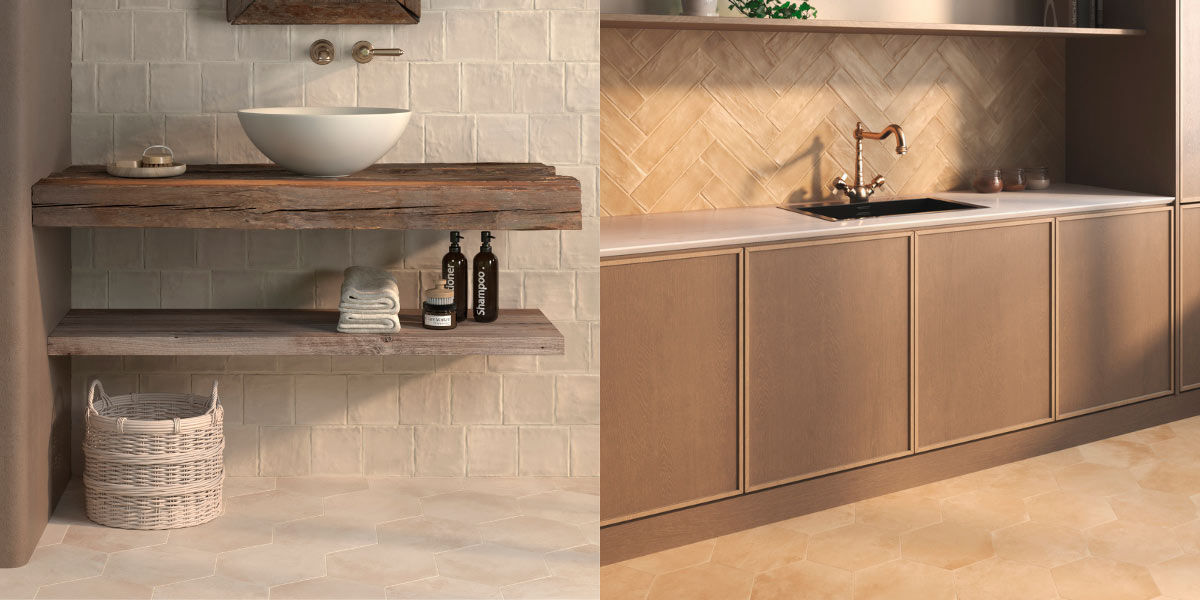
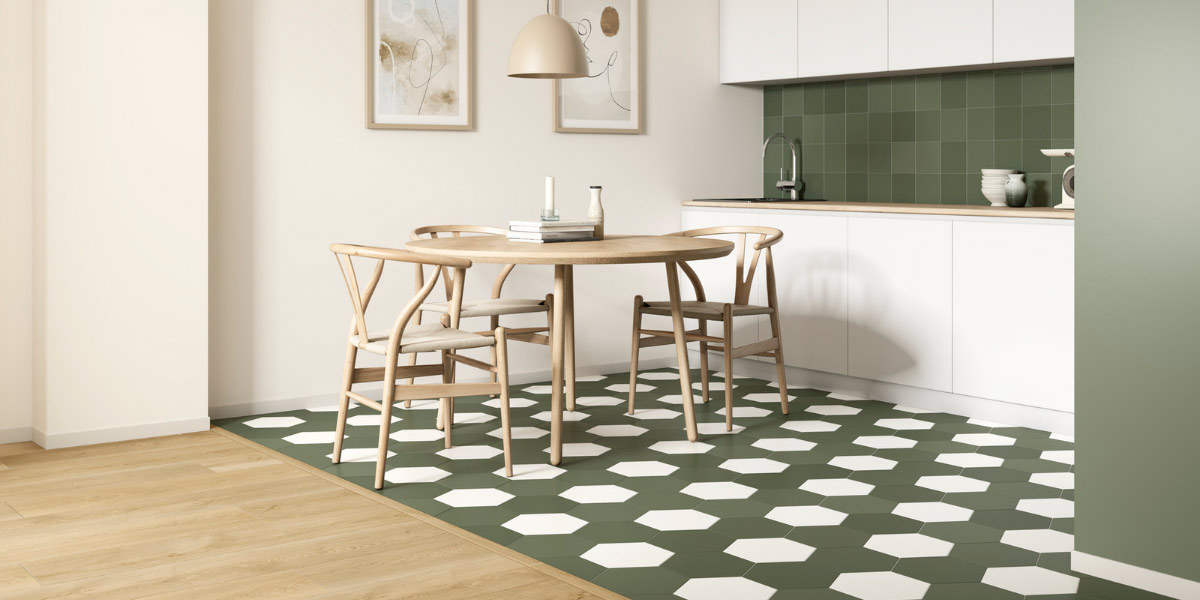
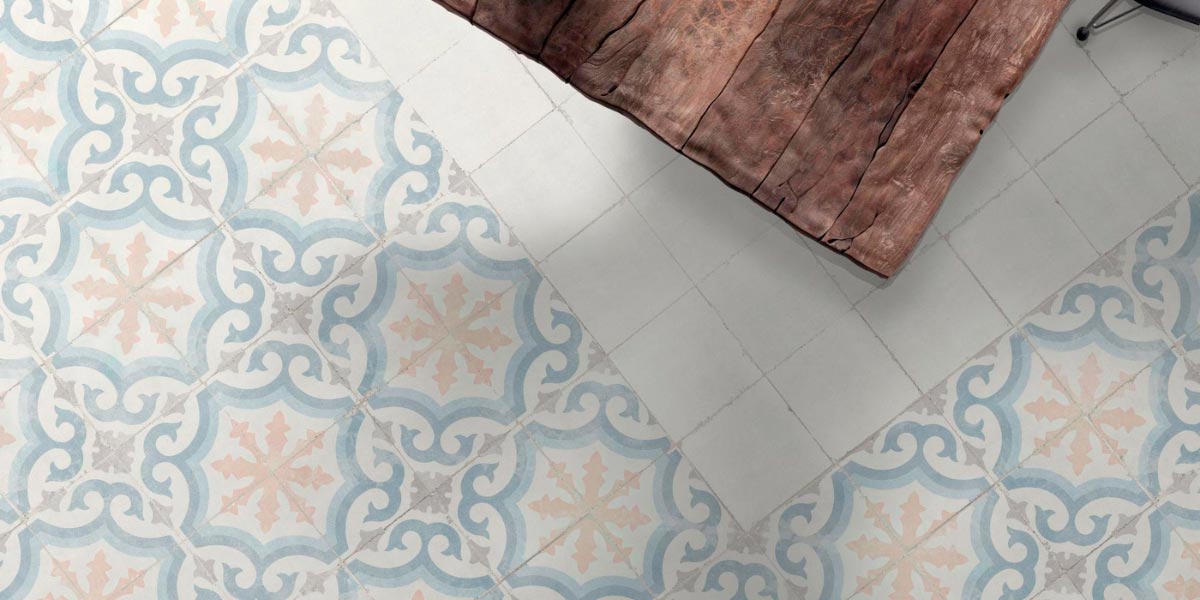
In addition, hydraulic kitchen flooring has become a highly valued option thanks to its ability to bring personality and visual dynamism to kitchens. Its geometric, floral, or vintage-inspired designs make it possible to define areas, create focal points, or add a decorative touch without overwhelming the space. Depending on the chosen colors, they can blend into neutral kitchens to create contrast or reinforce more Mediterranean, contemporary, or eclectic styles.
Another advantage is that they combine especially well with natural materials such as wood, stone, or cement-effect finishes, creating warm and balanced environments. If you are looking for inspiration, you can link here to other content related to hydraulic flooring, ideas for kitchens with decorative tiles, or trends in porcelain kitchen flooring.
Colors for bathroom flooring
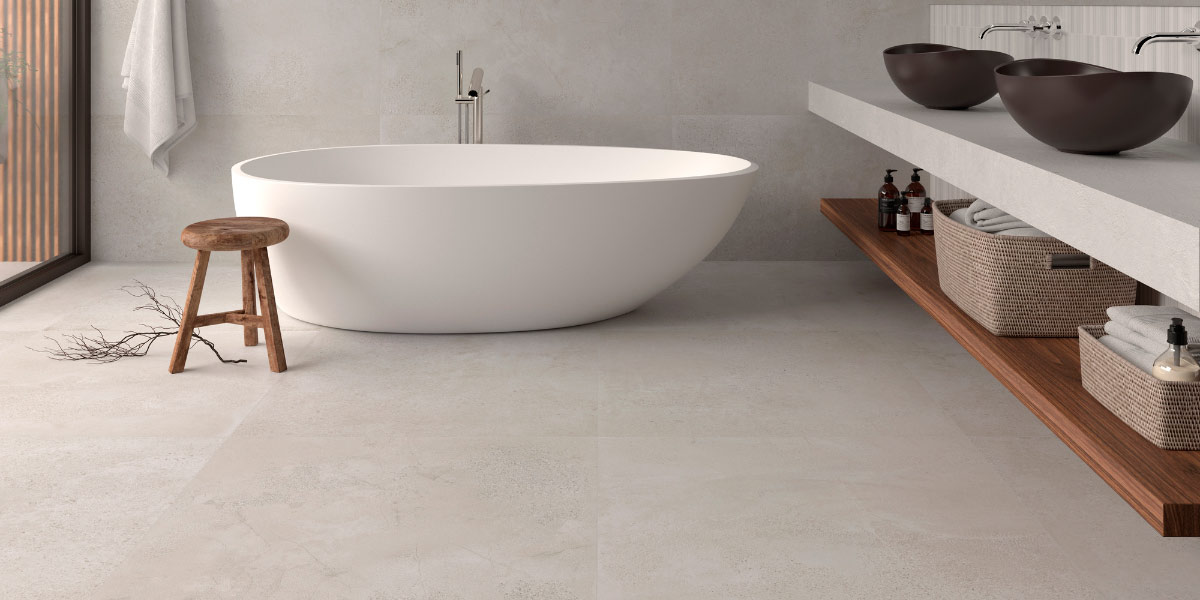
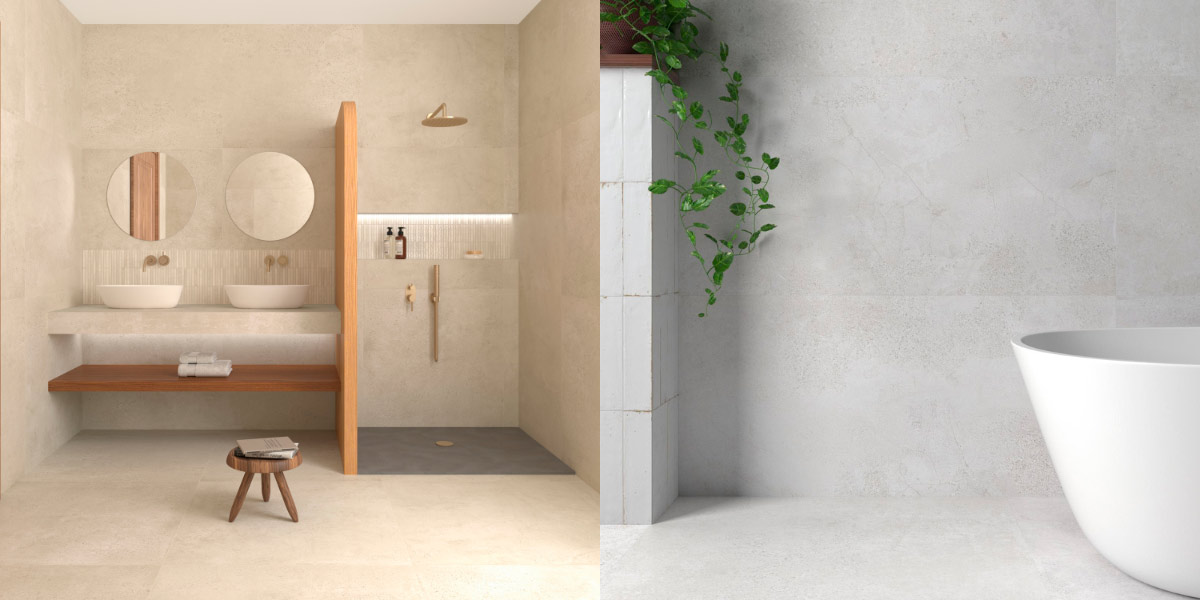
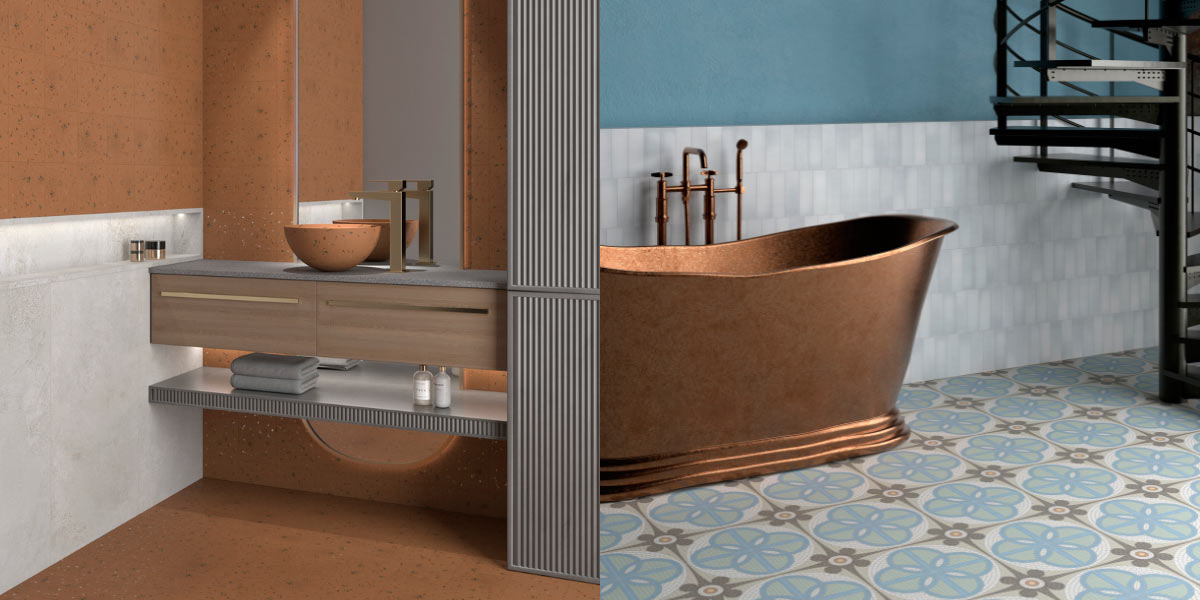
In the bathroom, the color of the flooring directly influences the feeling of spaciousness, brightness, and wellbeing. Light and neutral tones, such as beige, sand, soft grey, or off-white, are a safe choice for creating relaxing and visually larger spaces, especially in small bathrooms or those with little natural light. On the other hand, flooring in darker tones or with a stone effect adds sophistication and a contemporary feel, ideal for bathrooms with a more elegant and enveloping design.
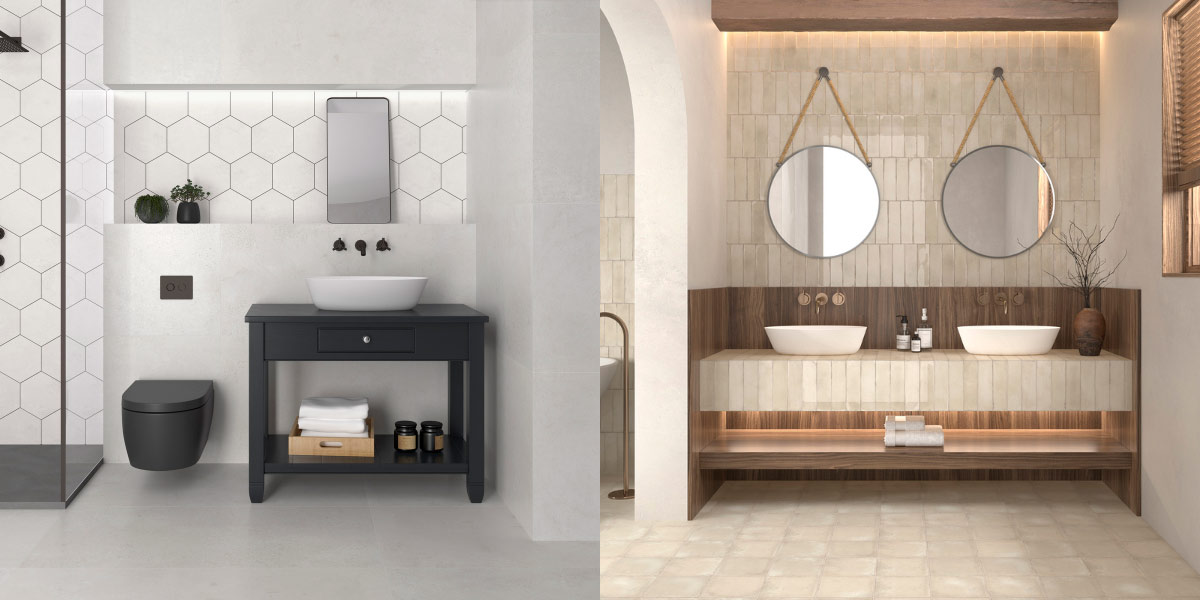
It is also important to consider the finish and texture of the flooring. Anti-slip surfaces and materials with soft relief allow safety, comfort, and aesthetics to be combined in a space constantly exposed to humidity. In addition, marble-, cement-, or natural stone-effect designs help create modern spa-like environments that are easy to combine with furniture and wall coverings in different styles.
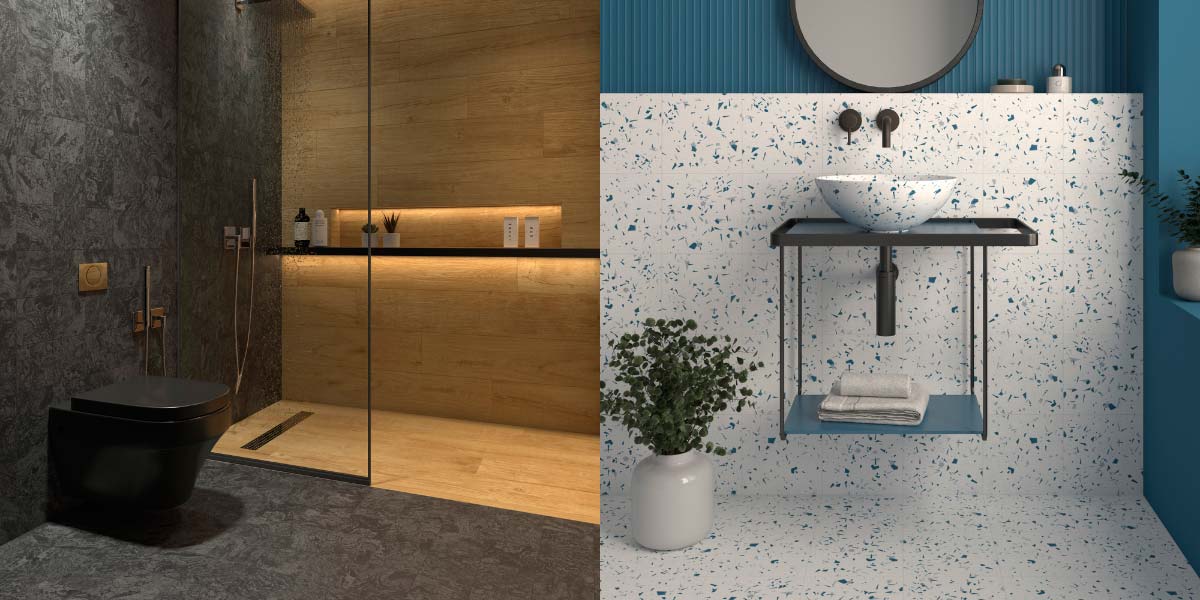
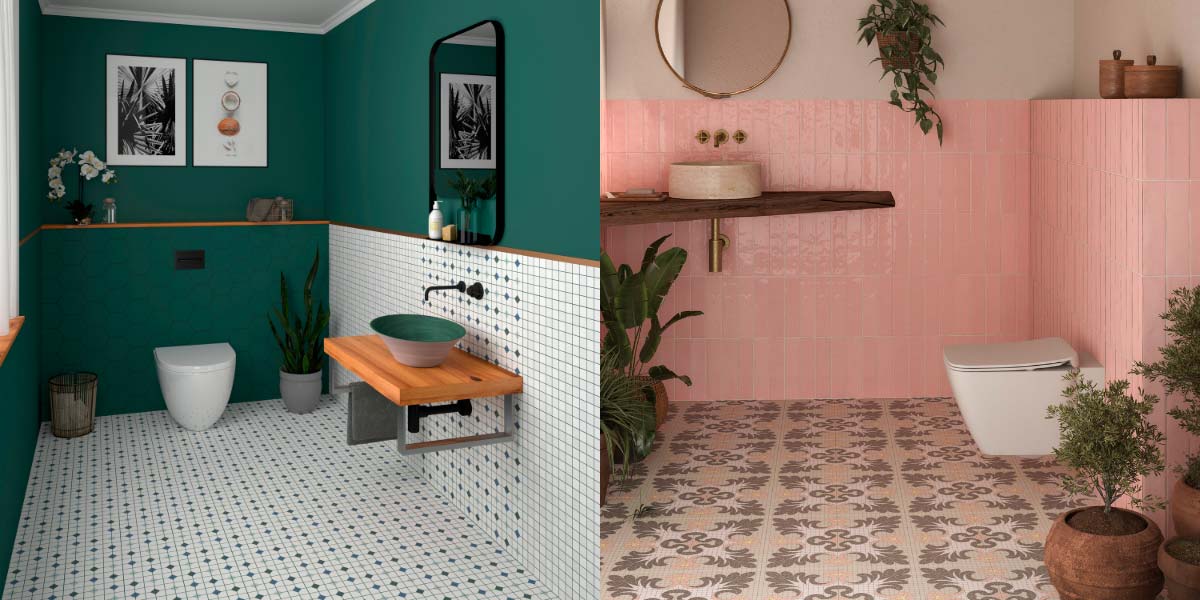
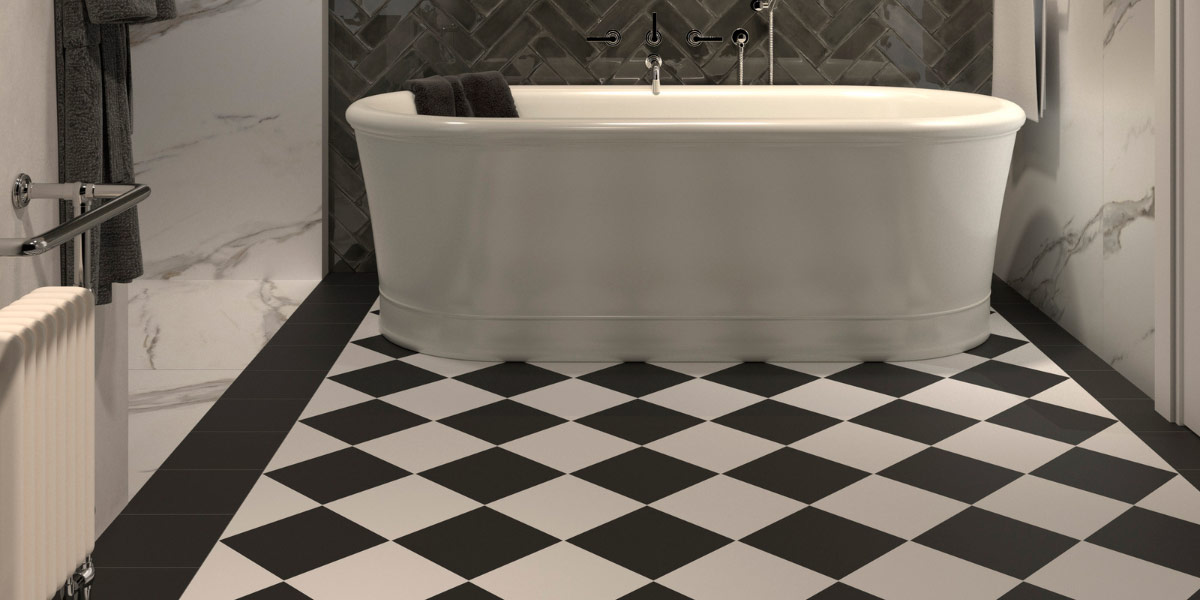
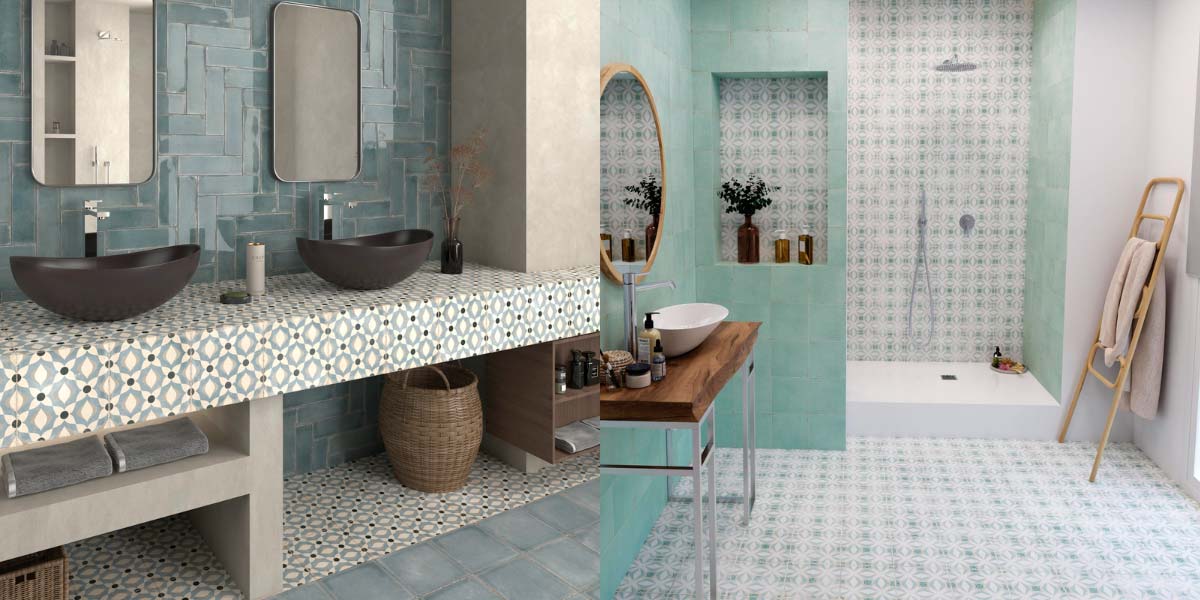
If a bathroom with more personality is desired, hydraulic or decorative flooring can be an excellent option to add visual dynamism and turn the floor into the focal point of the space. Used throughout the entire surface or only in specific areas, they provide a distinctive touch and make it possible to play with Mediterranean, vintage, or contemporary styles without sacrificing functionality.
Bedroom flooring
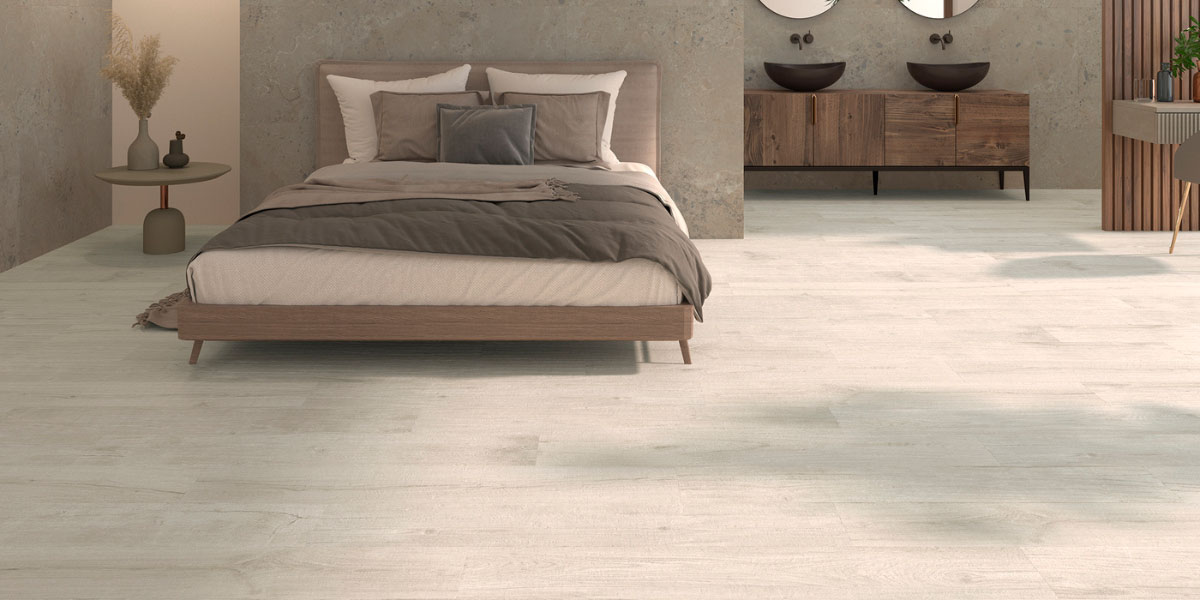
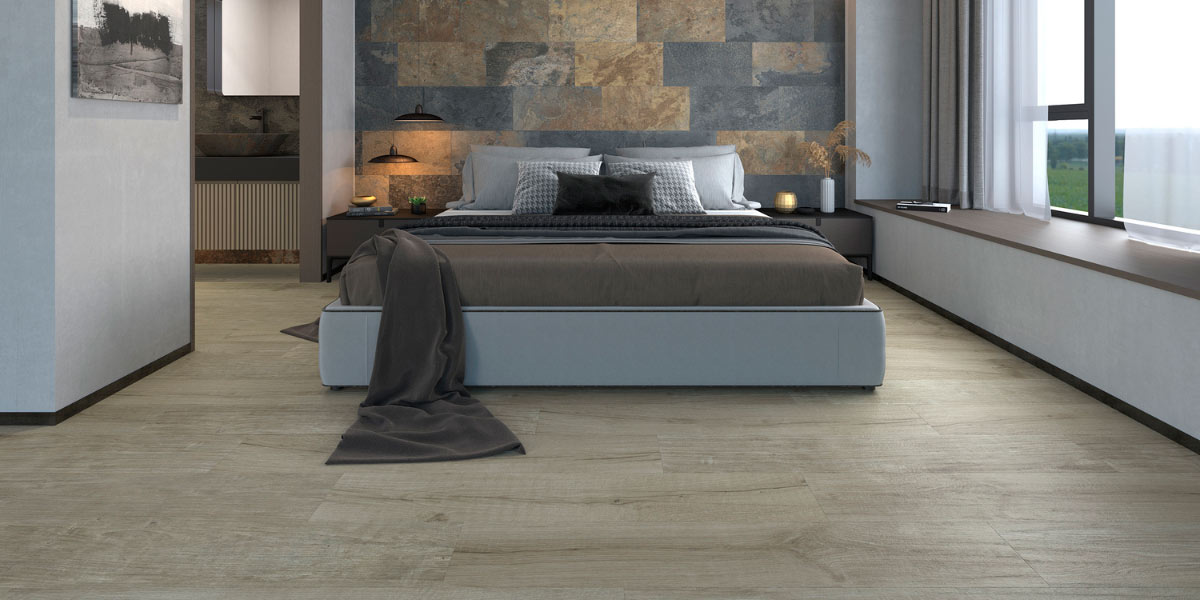
In bedrooms, the main goal is to create a cozy and comfortable atmosphere. Warm, natural, or wood-effect tones are an excellent choice for home flooring colors, as they add warmth and encourage relaxation. Soft and neutral colors help create a calm atmosphere, easily adapting to different decorative styles.
Current trends in floor colors
Interior design trends are constantly evolving, and the color of home flooring plays an increasingly important role in creating spaces with personality. Today, the focus is on achieving a balance between aesthetics, naturalness, and functionality, where the flooring integrates harmoniously into the overall design.
Natural and neutral tones
Nature-inspired colors continue to take center stage. Shades such as beige, sand, soft grey, or off-white dominate current proposals due to their ability to create bright and timeless environments. This type of home flooring color makes it easier to combine with other materials and allows adaptation to different decorative styles, from the most minimalist to the warmest interiors.
Wood effect and warm ceramics
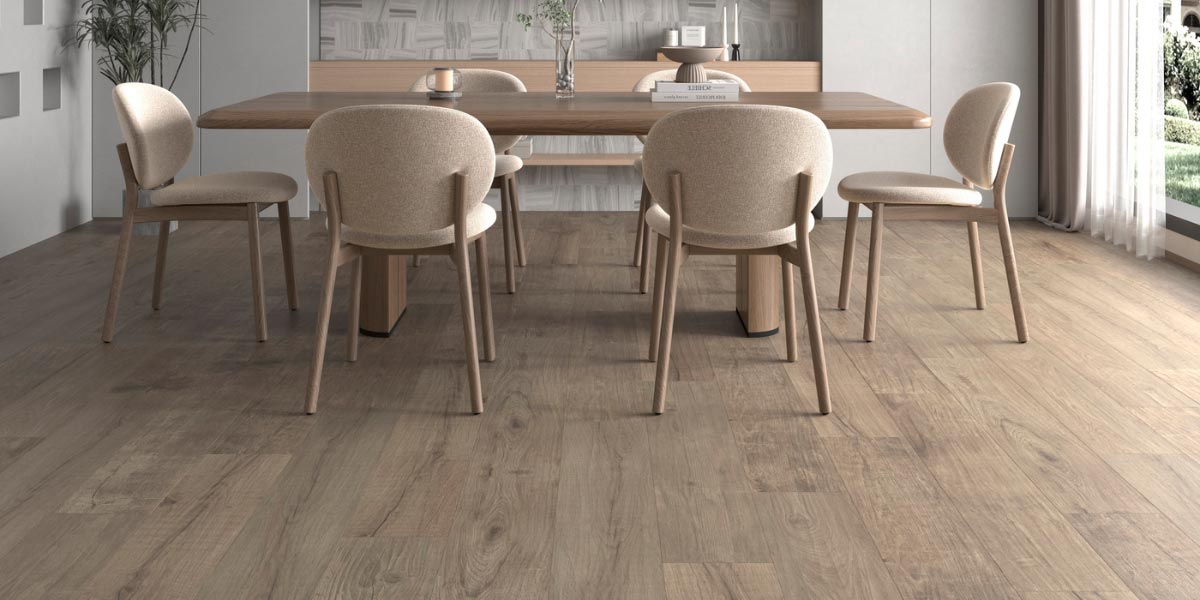
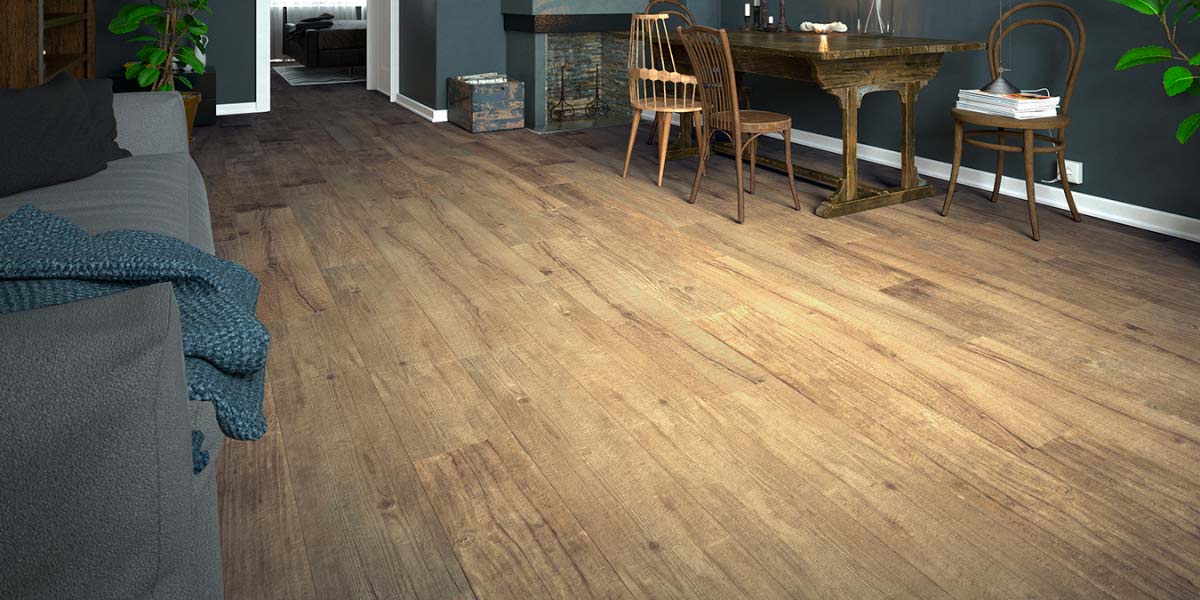
Wood-effect flooring continues to be on trend, bringing warmth and a cozy aesthetic without giving up the durability of ceramic materials. Within current trends, natural wood, oak, or light walnut tones are highly sought-after options for those looking to choose the color of their home flooring with a balanced approach between design and comfort.
Soft contrasts
Another notable trend is the use of subtle contrasts. Combining two types of flooring or integrating different materials without creating visual breaks allows for dynamic yet balanced spaces. This approach is ideal for those wondering what color to choose for their home flooring without resorting to overly bold solutions.
Visual continuity between spaces
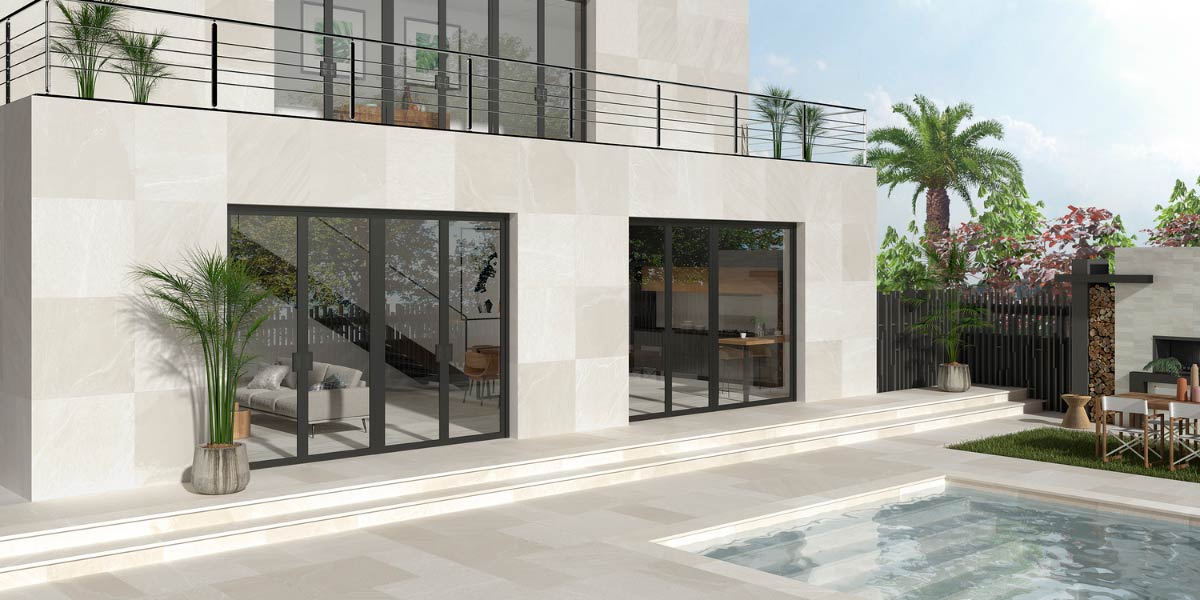
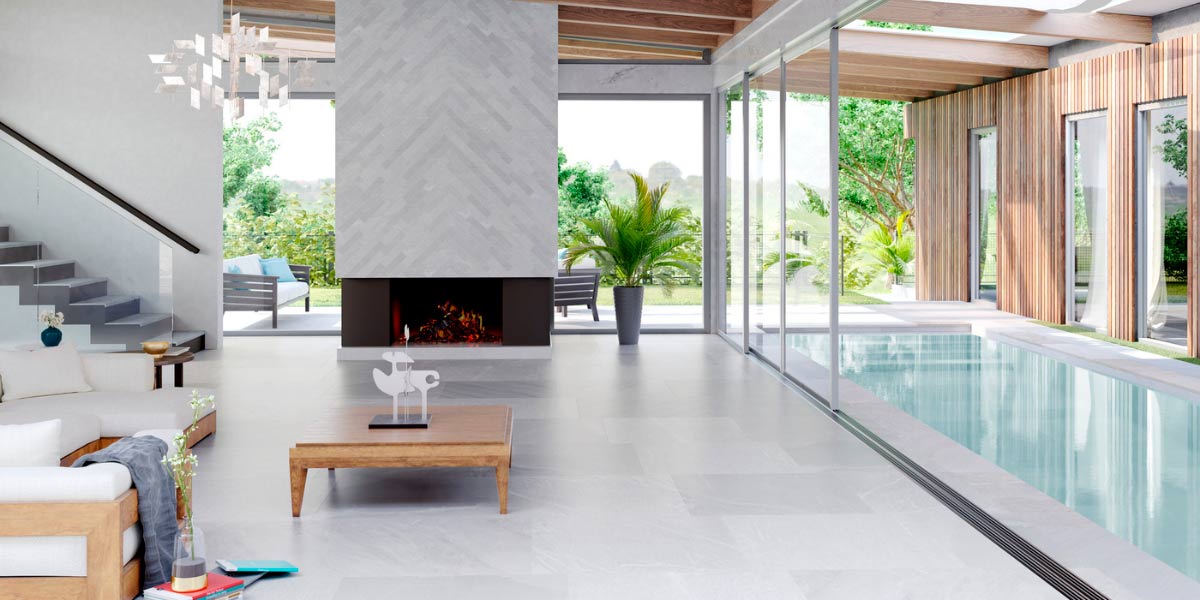
In contemporary homes, especially open-plan spaces, continuity in flooring is a key trend. Using the same home flooring color in several rooms helps create a feeling of spaciousness and cohesion. This trend reinforces the idea of fluid and connected spaces, where the floor acts as a unifying element of the design.
Common mistakes when choosing floor color
Correctly choosing the color of your home flooring is not always easy. There are some common mistakes that can affect the final result of the project, both aesthetically and functionally. Keeping them in mind is key to making the right decision.
- Choosing only based on trends. One of the most common mistakes is being guided solely by current trends. Although it is important to know which styles are popular, flooring is a long-term choice. When deciding how to choose the color of your home flooring, it is advisable to prioritize timeless options that adapt to the space and personal style, avoiding choices that may quickly become outdated.
- Not considering lighting. Both natural and artificial light directly influence how color is perceived. The same floor can look very different depending on the amount of light it receives.
- Not considering maintenance. The color of the flooring also affects maintenance. Very light tones can make dirt more visible, while very dark tones may highlight dust or footprints. Choosing the right home flooring color means finding a balance between aesthetics and practicality, especially in high-traffic areas.
- Lack of harmony with walls and furniture. Flooring should not be chosen in isolation. It is important that there is harmony with the rest of the elements in the space, such as walls, furniture, and textiles. A common mistake is not taking this relationship into account, which can create unbalanced interiors. The color of the flooring should integrate into the overall design, acting as its foundation.

The floor is one of the elements that most influences the perception and character of a home. Knowing how to choose the color of your home flooring means understanding the balance between light, space, style, and functionality in order to create environments that respond to everyday needs.
The different home flooring colors offer multiple possibilities, from light options that enhance brightness to more intense tones that bring depth and personality. The key is to find the right combination that allows the flooring to integrate naturally into the overall design of the project.
In a context where interior design is moving towards more connected, natural, and identity-driven spaces, flooring becomes a fundamental base on which to build the rest of the home. Choosing it correctly is the first step towards achieving a balanced, timeless, and stylish result.