
Matt tiles: everything you need to know about this finish
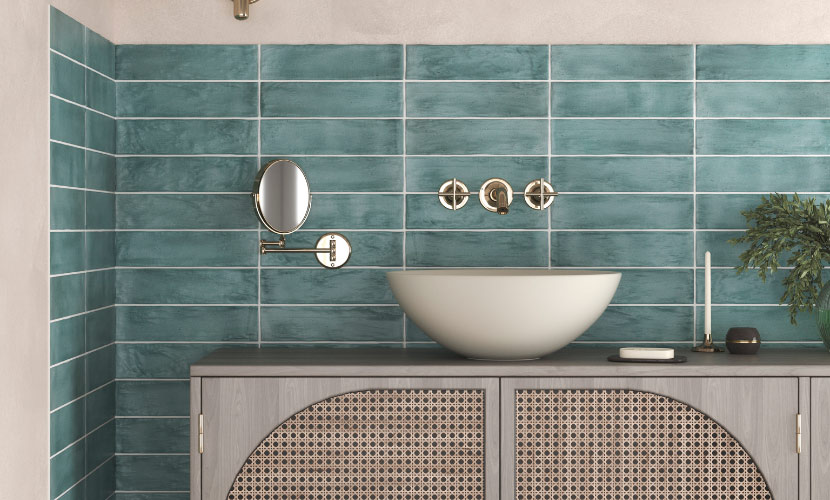
Matt tiles have become one of the most popular finishes in interior design. Their natural appearance, the elegance of their surfaces and their ability to create serene, timeless spaces have made them a preferred choice for homes, architectural projects, hotels and commercial environments alike.
Unlike glossy finishes, matt tiles reflect very little light, allowing textures, reliefs and materials to take centre stage. The result is sophisticated, welcoming spaces with an aesthetic that feels closer to nature, adapting effortlessly to styles as diverse as Mediterranean, Japandi, Scandinavian, industrial and contemporary rustic.
Beyond their aesthetic appeal, matt finishes are incredibly versatile. Today, they are available in highly realistic interpretations of materials such as stone, concrete, wood and handcrafted clay, as well as in a wide range of formats, colours and textures suitable for every type of project.
In this guide, you'll discover what matt tiles are, their main advantages, where to use them, which materials and interior design styles enhance this finish the most, and how to choose the best option for every space.
What are matt tiles?
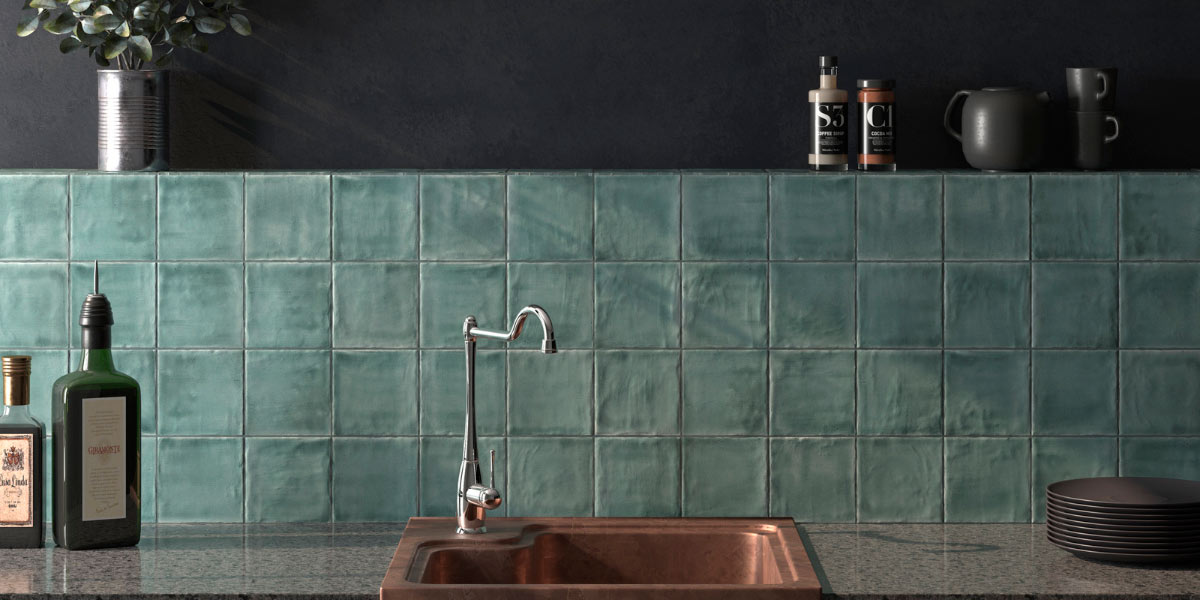
Matt tiles are ceramic wall and floor coverings whose surface is designed to reflect very little light, creating a smooth, uniform finish with a natural appearance. Unlike glossy finishes, they do not produce strong reflections, making it easier to appreciate the texture, relief and subtle nuances of the material.
The absence of shine creates a warmer, more serene visual effect, making matt tiles a highly valued choice for elegant, welcoming and timeless interiors. Their understated aesthetic allows them to integrate effortlessly into all kinds of projects, from Mediterranean-inspired homes to minimalist, Scandinavian or industrial interiors.
Matt finishes are also the perfect choice for reproducing natural materials with remarkable realism, including stone, concrete, wood and clay. By eliminating reflections, these surfaces achieve a more authentic appearance, enhancing the richness of textures and the subtle colour variations that add depth and character to every tile.
It is no coincidence that this finish has become one of the leading trends in contemporary interior design. Architects and interior designers increasingly specify matt tiles to create modern spaces where authentic materials, natural colour palettes and balanced aesthetics take precedence over passing trends.
Characteristics of matt tiles
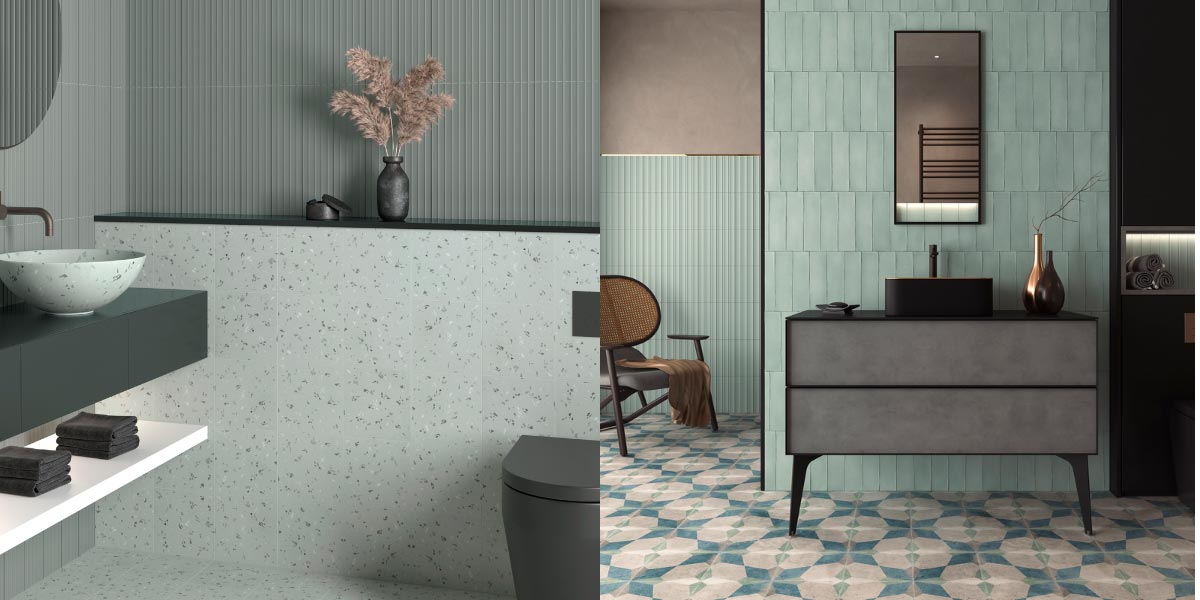
Matt tiles stand out thanks to a range of characteristics that set them apart from other ceramic finishes. Beyond their appearance, these qualities influence the perception of space, the overall décor and the final outcome of any project.
Low light reflection
The defining characteristic of matt tiles is that they reflect very little light. Rather than creating glare or strong reflections, they provide visually uniform surfaces that convey a sense of balance and naturalness. This helps create calmer, more comfortable environments, especially in spaces designed to promote relaxation.
Textures take centre stage
With no reflections to distract the eye, textures and reliefs become much more prominent. For this reason, matt finishes are particularly valued in collections that recreate natural materials or feature three-dimensional surfaces, as they allow every detail to be appreciated more clearly.
An elegant, contemporary look
Matt tiles offer a refined, understated aesthetic that perfectly complements today's interior design trends. Their versatility allows them to be used in minimalist interiors as well as Mediterranean, rustic, industrial and Scandinavian-inspired spaces, adapting effortlessly to a wide range of decorative styles.
Highly realistic material reproduction
Matt finishes are the preferred choice for recreating materials such as stone, concrete, wood and clay, as they faithfully reproduce their original appearance. The absence of shine enhances the authenticity of veins, textures and colour variations, resulting in surfaces with an exceptionally natural look.
Available in a wide variety of formats and applications
Today, matt tiles are available in an extensive selection of formats, colours and designs for both wall and floor applications. From small-format handcrafted-inspired tiles to large porcelain slabs that create seamless surfaces, this finish offers solutions for bathrooms, kitchens, living areas, terraces and commercial spaces.
Advantages of matt tiles
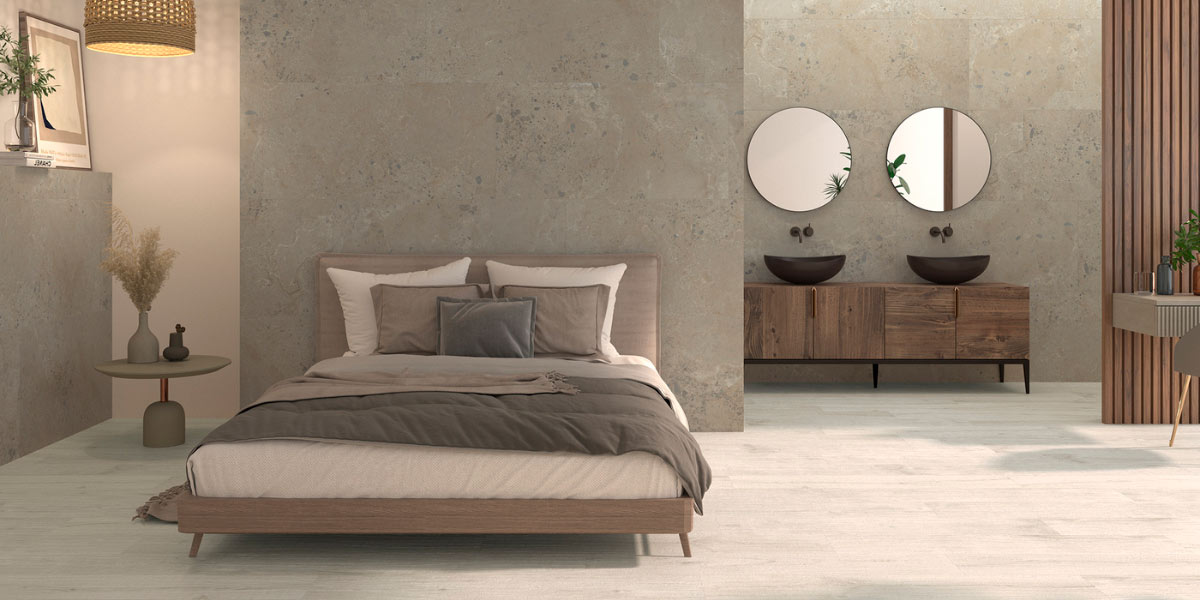
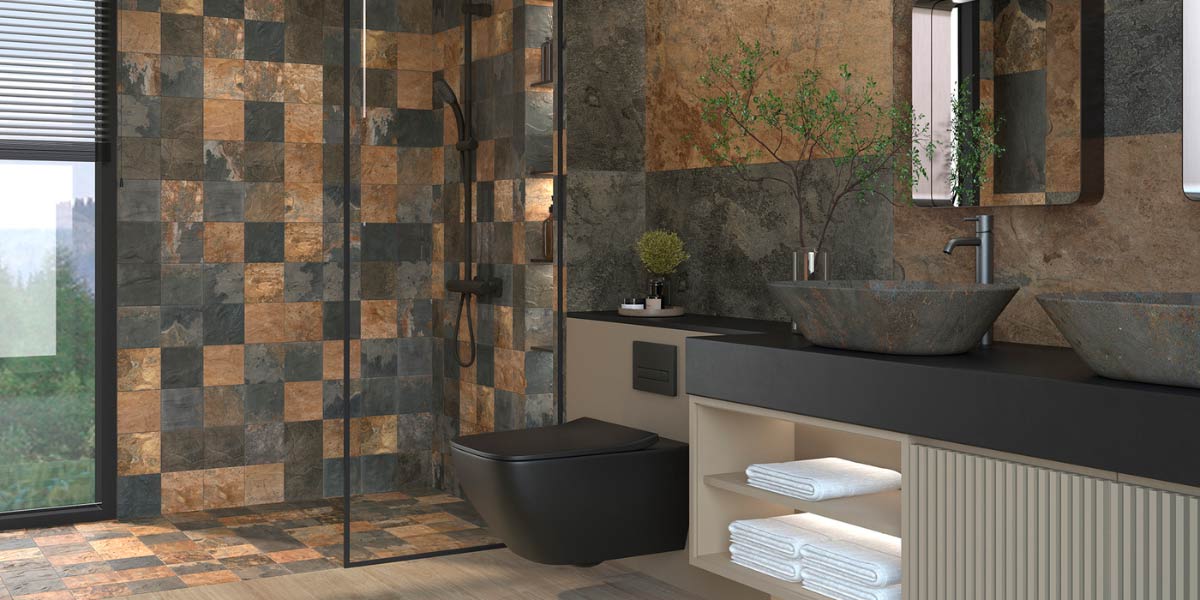
Matt tiles are appreciated not only for their aesthetics, but also for the way they transform the perception of a space. Their ability to enhance textures, create welcoming environments and complement a wide variety of interior styles has made them one of the preferred choices for architects, interior designers and homeowners alike.
Here are some of the main advantages of choosing a matt finish for ceramic wall and floor tiles.
A natural, timeless aesthetic
One of the greatest strengths of matt tiles is their ability to create elegant spaces without appearing overly decorative. Their understated finish conveys a sense of balance and sophistication that remains relevant over time, avoiding short-lived design trends.
As a result, they work equally well in contemporary interiors as they do in classic, rustic or Mediterranean-inspired settings, making them a reliable choice for anyone seeking a timeless design.
They enhance textures and reliefs
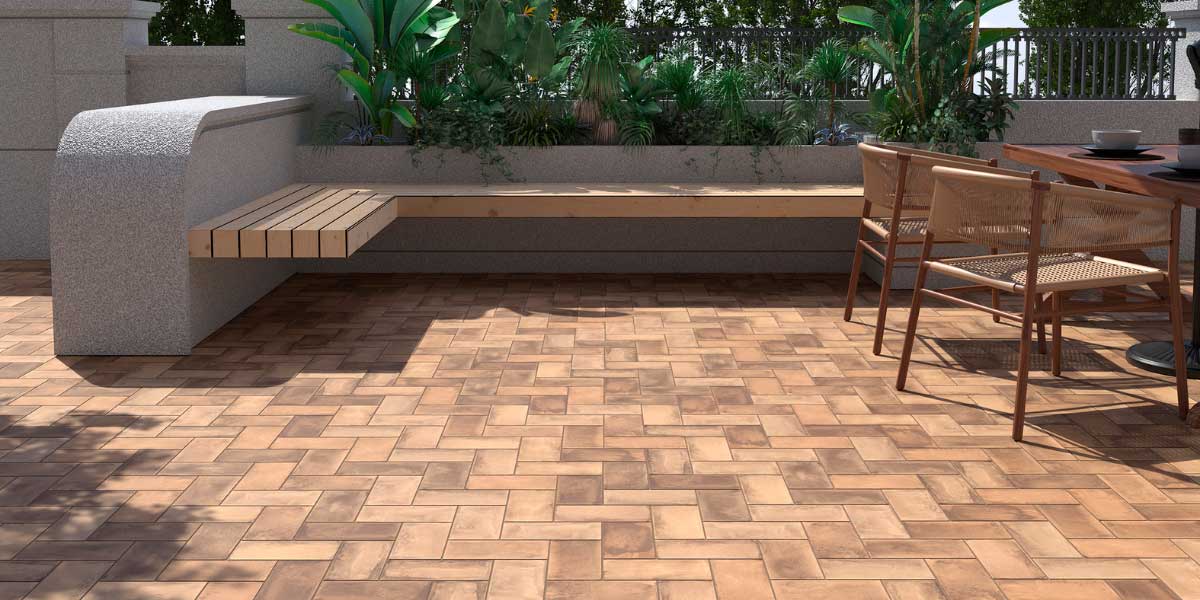
Matt finishes make it easier to appreciate every detail of the ceramic surface. Because they do not produce strong reflections, textures, reliefs and subtle colour variations become more prominent, adding depth and visual richness.
This characteristic is particularly valuable in collections inspired by natural materials or handcrafted finishes, where every detail is an integral part of the design and contributes to creating surfaces with greater character.
They create warm, welcoming spaces
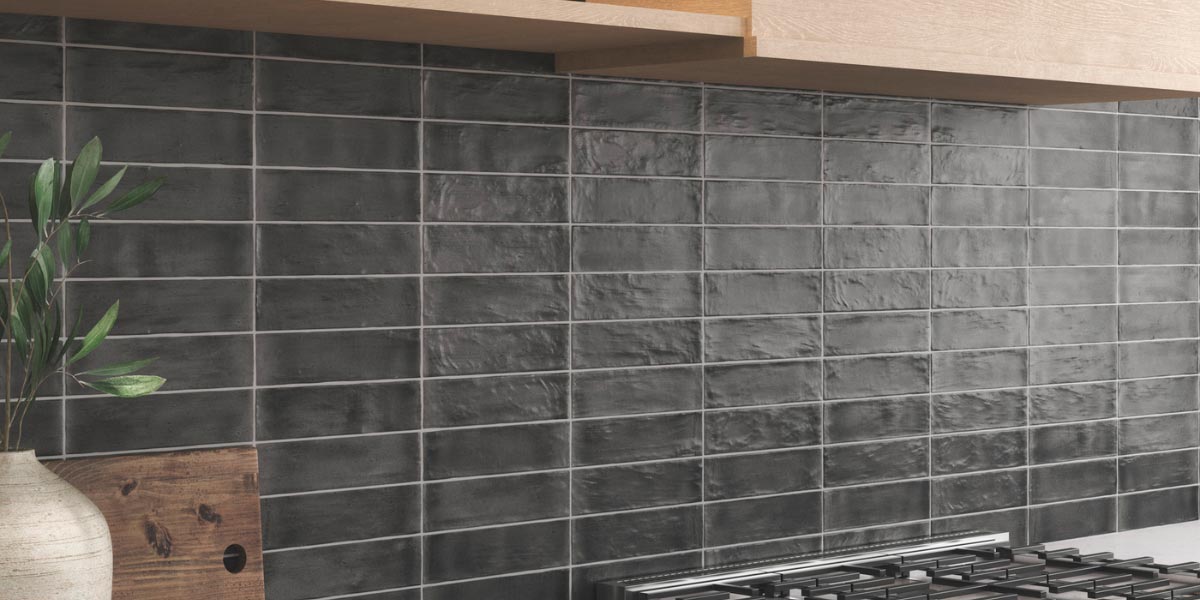
Matt finishes help create a more relaxed and comfortable atmosphere. Their soft, natural appearance brings greater visual warmth, making living rooms, kitchens and bathrooms feel more inviting. Combined with materials such as wood, natural stone or natural fibres, they contribute to balanced interiors full of harmony.
They better conceal reflections and everyday marks
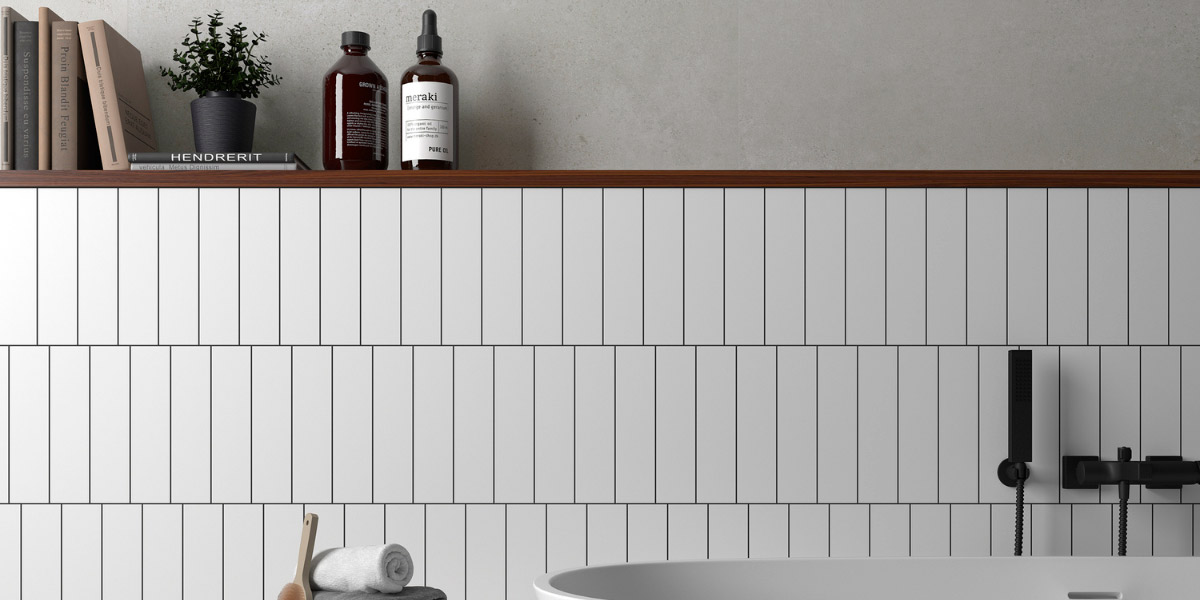
Because they reflect less light, matt tiles provide a more uniform appearance, even under direct natural or artificial lighting. In certain applications, this finish can also make minor fingerprints, water splashes and superficial marks less visually noticeable than on highly glossy surfaces, helping maintain a neat appearance between cleanings. As with any ceramic surface, however, regular maintenance is recommended to keep them looking their best.
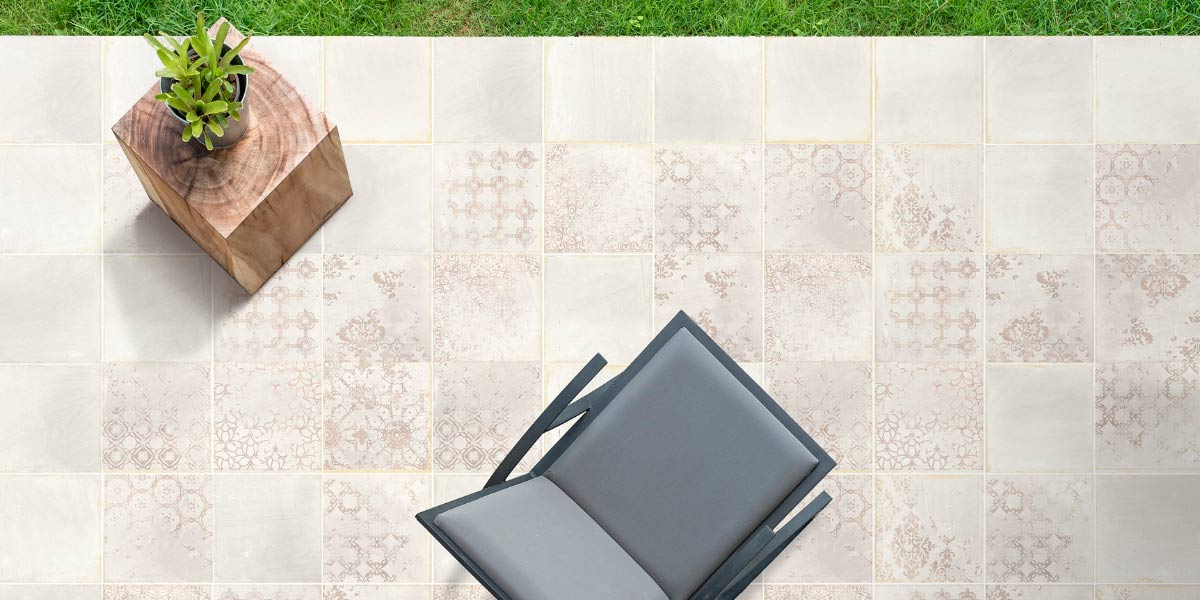
They complement a wide variety of interior styles
Another of their greatest strengths is their exceptional versatility. Matt tiles work beautifully across a broad range of design styles, from minimalist and Scandinavian interiors to industrial, Mediterranean and contemporary rustic projects. Their understated finish allows other design elements, such as furniture, lighting and textiles, to take centre stage.
Where to use matt tiles
As we've seen, one of the greatest advantages of matt tiles is their versatility. Thanks to the wide variety of formats, designs and materials available, they can be used on both walls and floors, adapting effortlessly to spaces of all sizes and interior styles.
Below are some of the areas where this finish delivers outstanding results.
Matt tiles for bathrooms
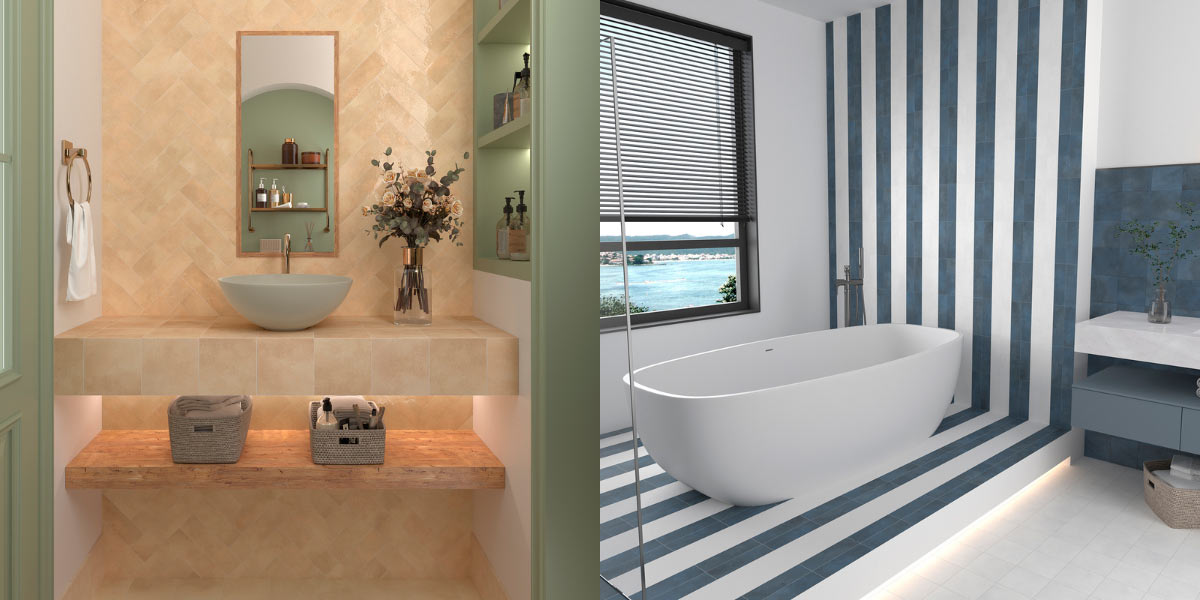
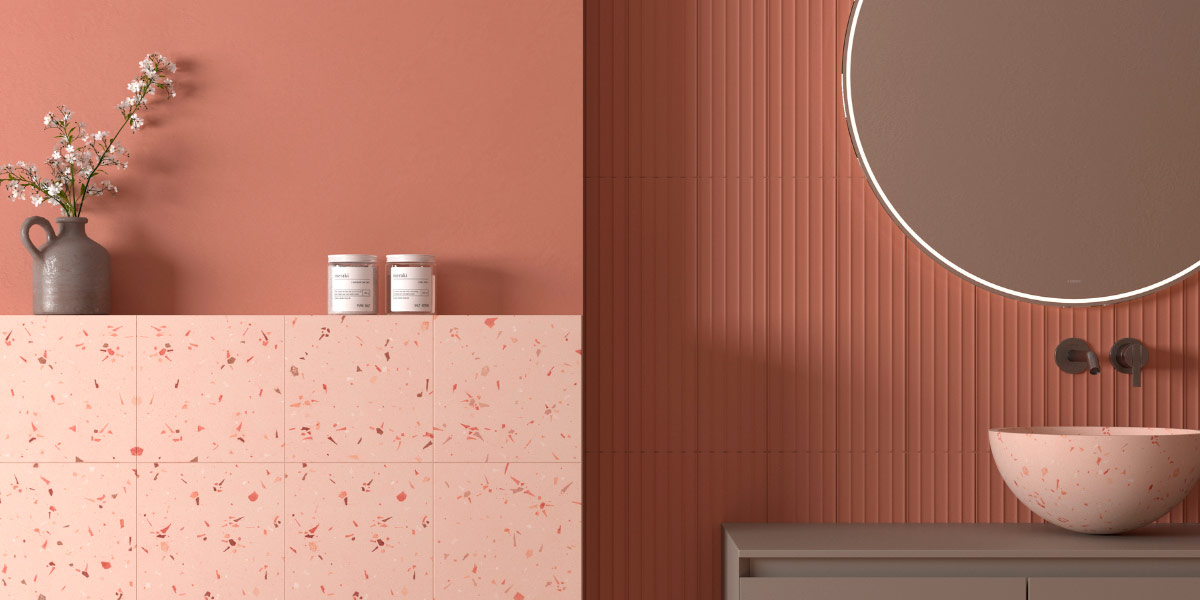
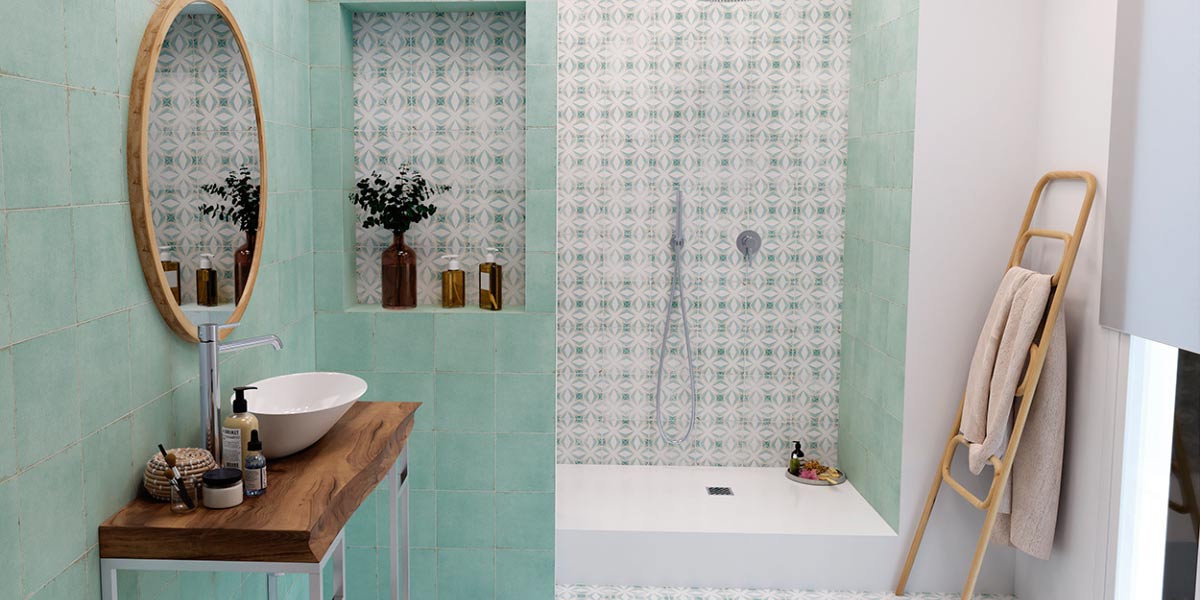
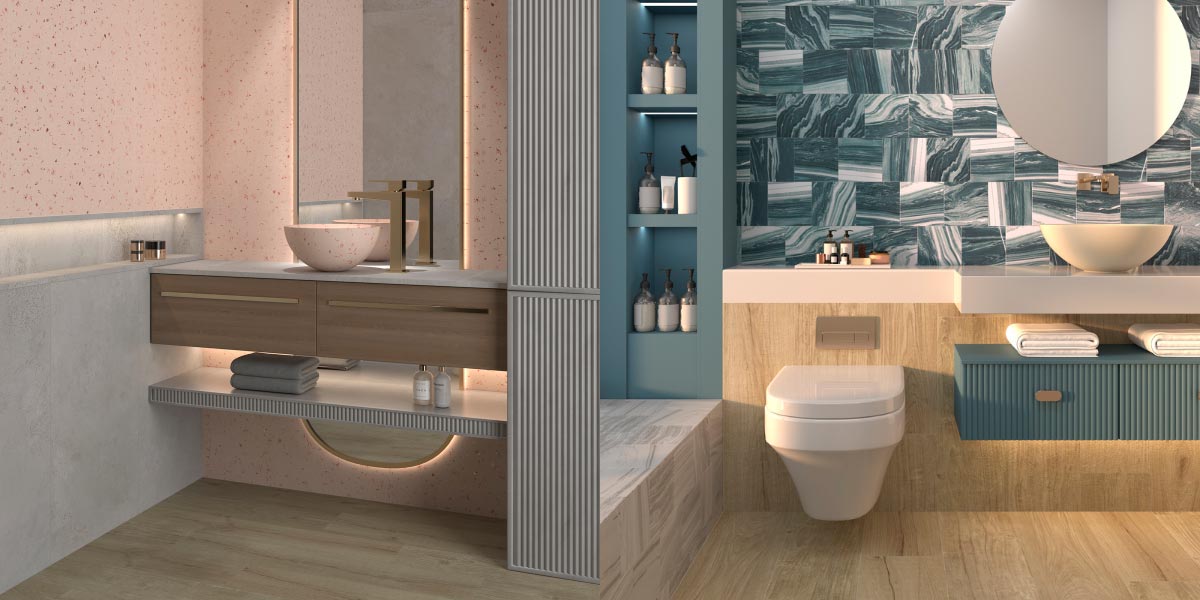
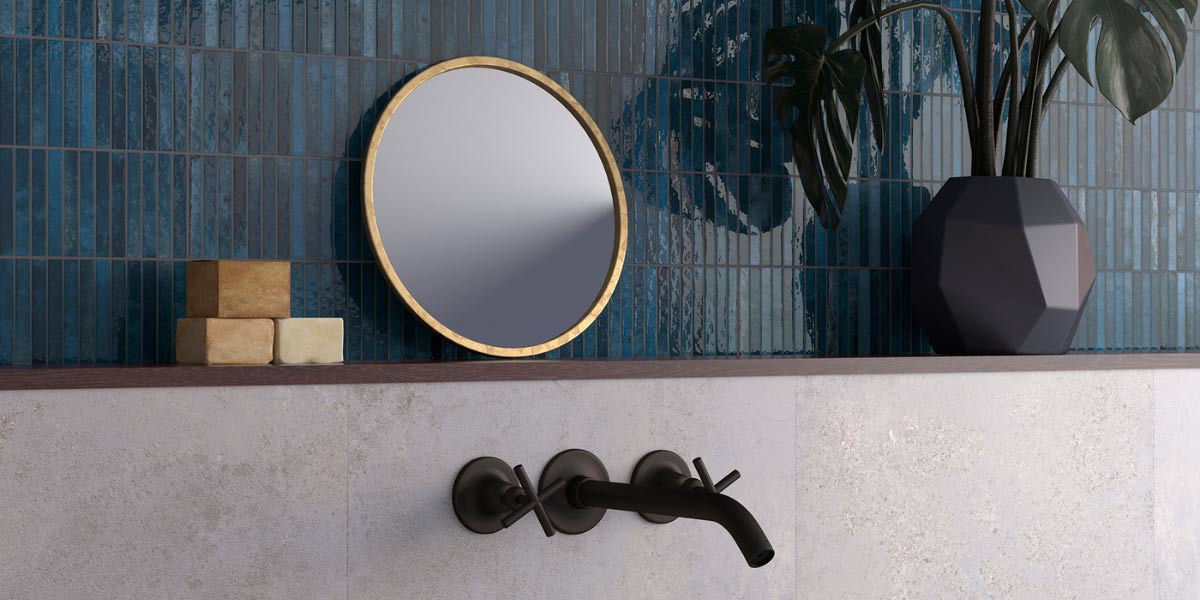
The bathroom is one of the spaces where matt tiles truly come into their own. Their soft, non-reflective finish helps create calm, spa-inspired environments, transforming the bathroom into a space dedicated to relaxation and wellbeing.
Matt finishes are also ideal for recreating materials such as stone, concrete and clay, bringing a sense of authenticity and visual continuity that is highly valued in contemporary interior design projects.
In smaller bathrooms, light colours combined with well-planned lighting can create bright, airy spaces without sacrificing the understated elegance that characterises this finish.
Matt tiles for kitchens
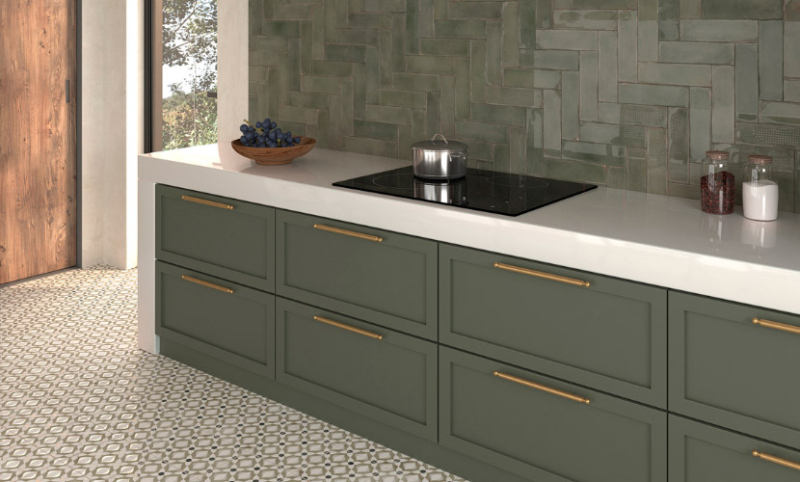
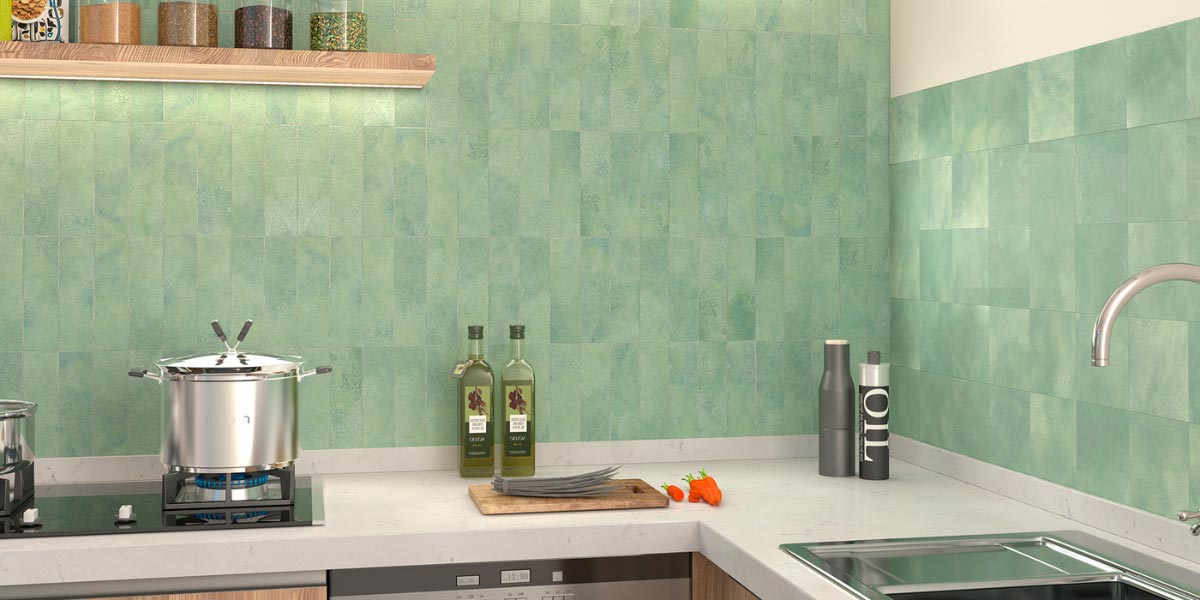
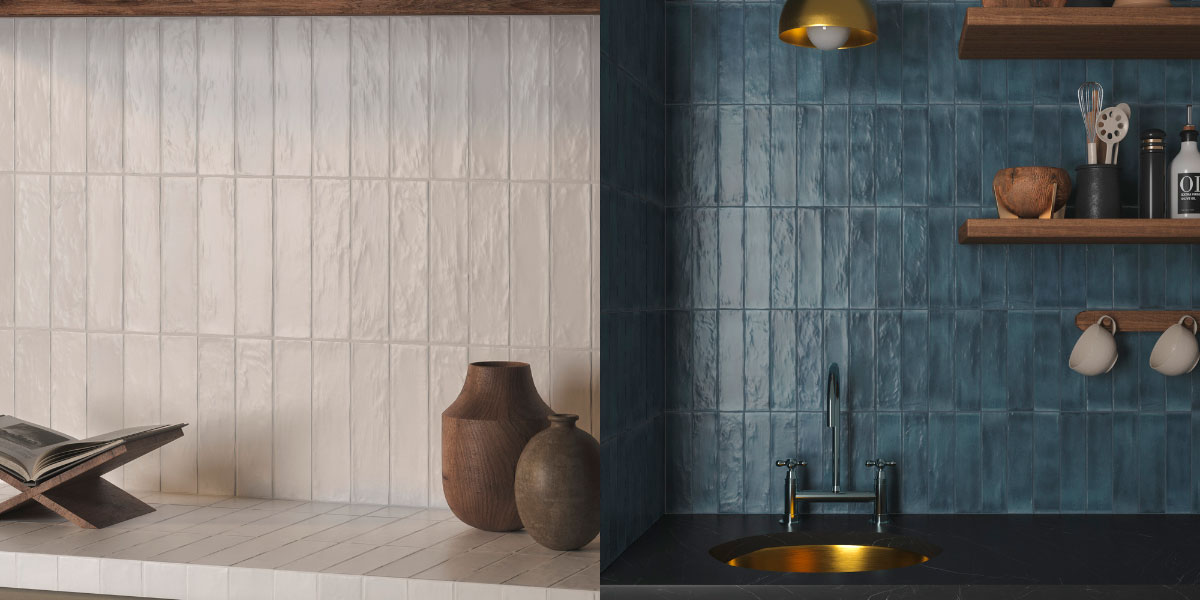
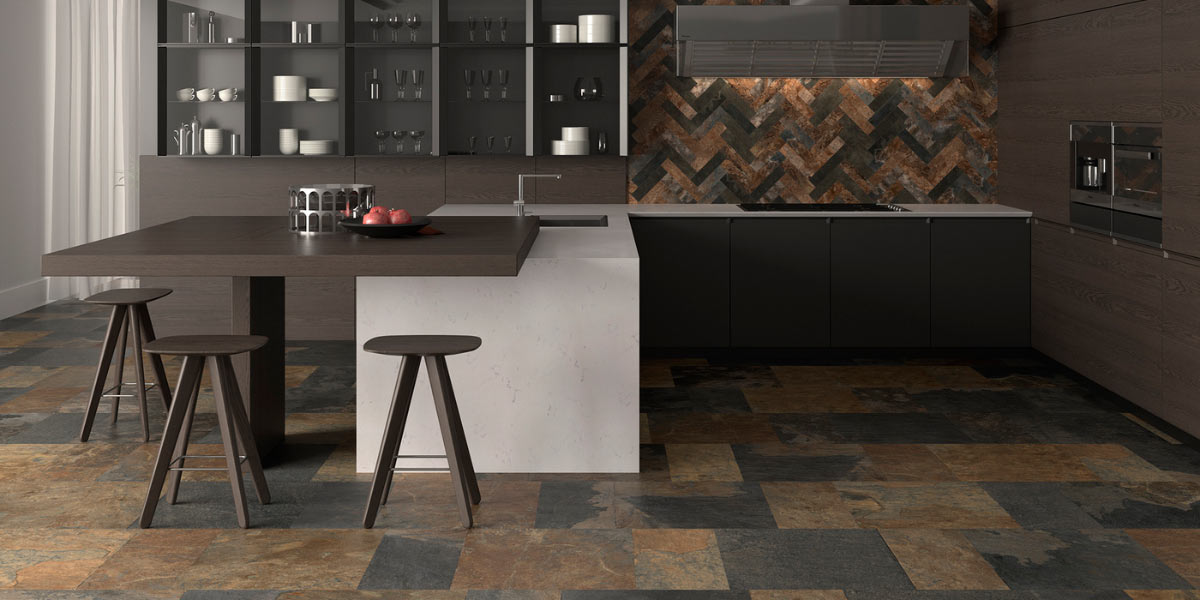
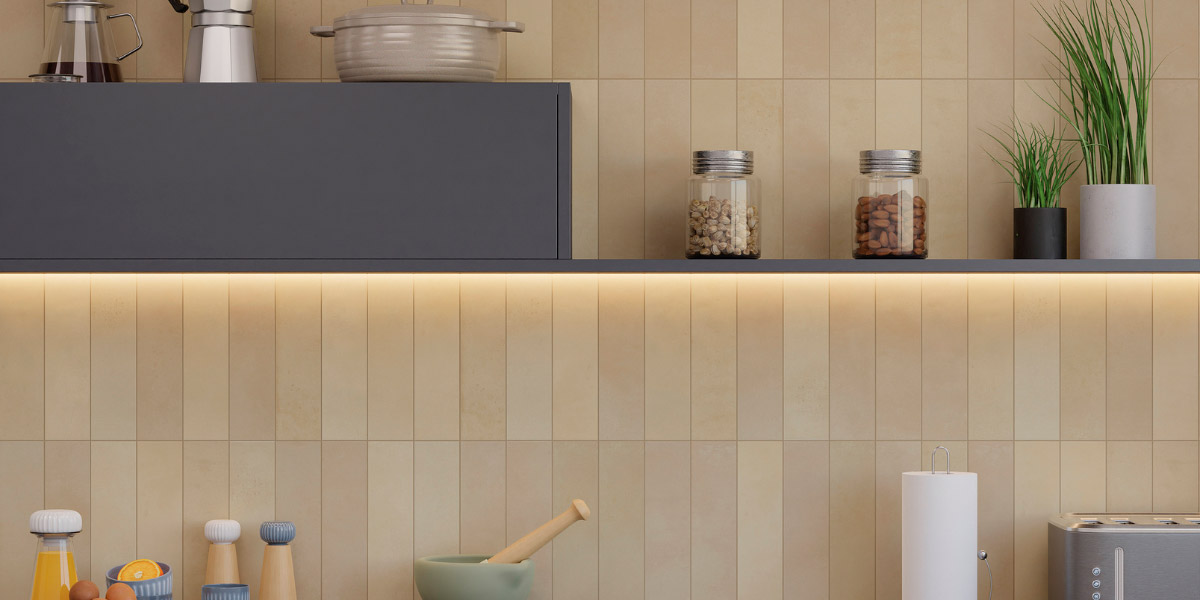
Contemporary kitchens are increasingly embracing matt surfaces for their ability to create balanced and welcoming interiors. This finish works particularly well on wall coverings, splashbacks and kitchen islands, where textures and materials take centre stage. Combined with stone worktops, natural wood or neutral-toned cabinetry, matt tiles help create kitchens with a sophisticated and timeless aesthetic.
Thanks to the extensive range of available designs, it's easy to find matt tiles that suit everything from minimalist kitchens to Mediterranean, industrial or contemporary rustic interiors.
Living rooms and open-plan spaces
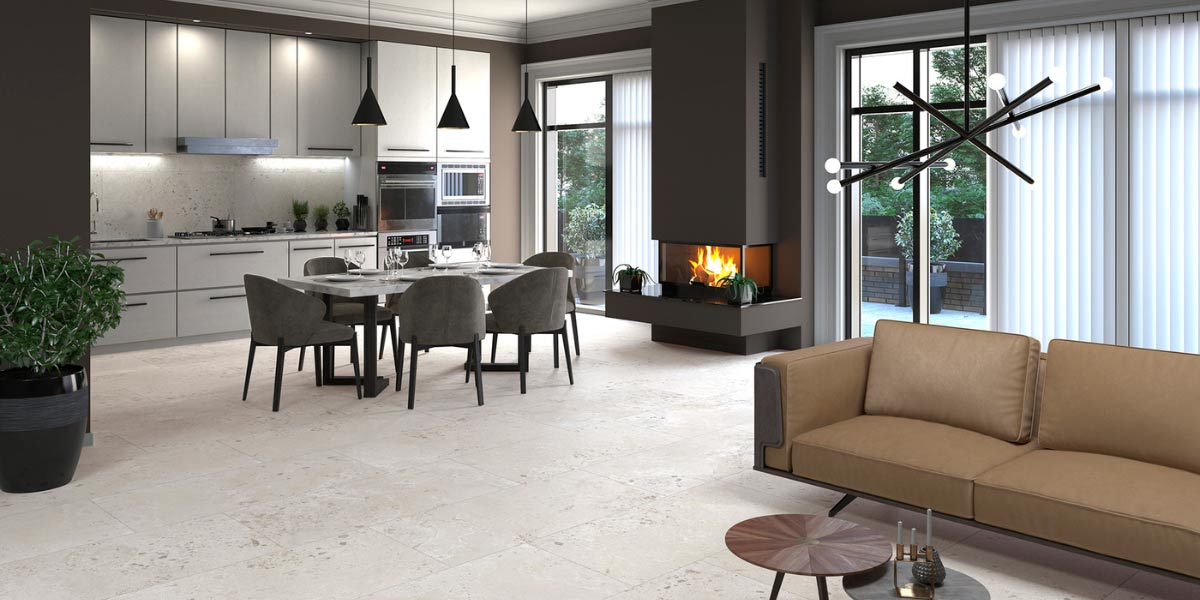
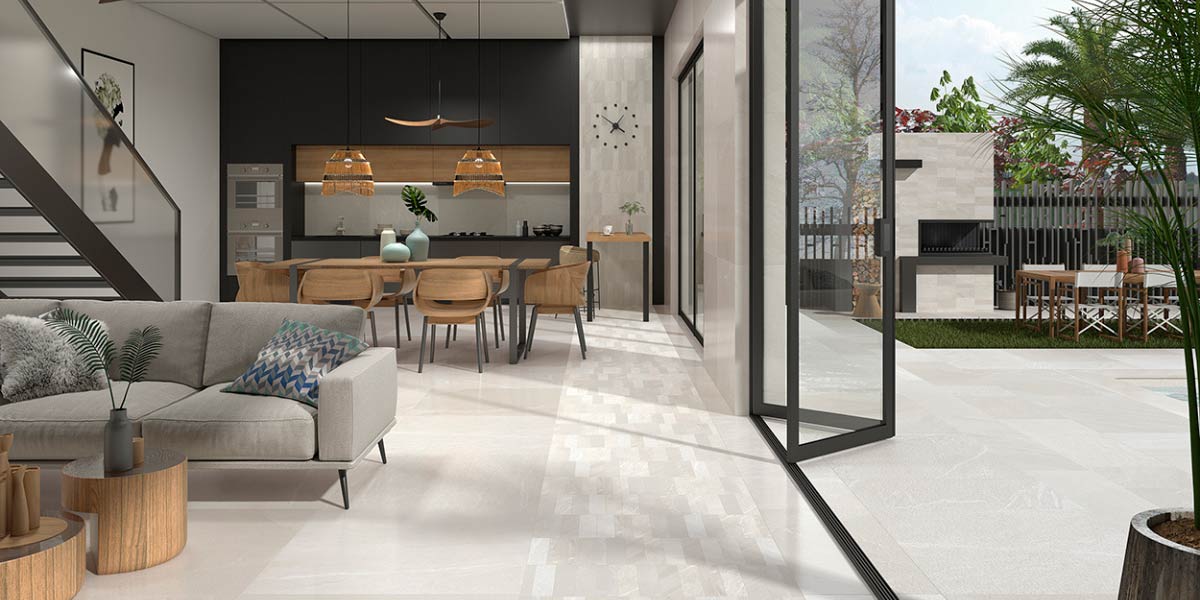
Matt ceramic tiles are an excellent choice for living rooms, dining areas and open-plan interiors, especially when visual continuity between different spaces is desired.
Large-format porcelain tiles with a matt finish create expansive, elegant surfaces by minimising grout lines and enhancing the feeling of spaciousness. At the same time, their natural appearance pairs beautifully with materials such as wood, metal, glass and natural fibres.
Commercial spaces and contract projects
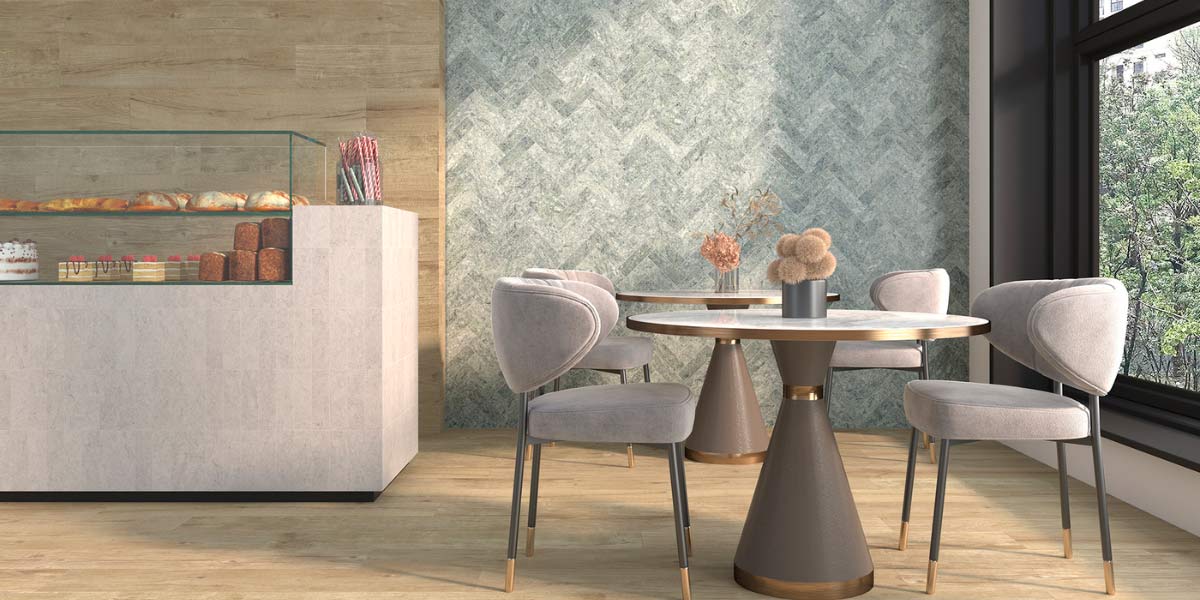
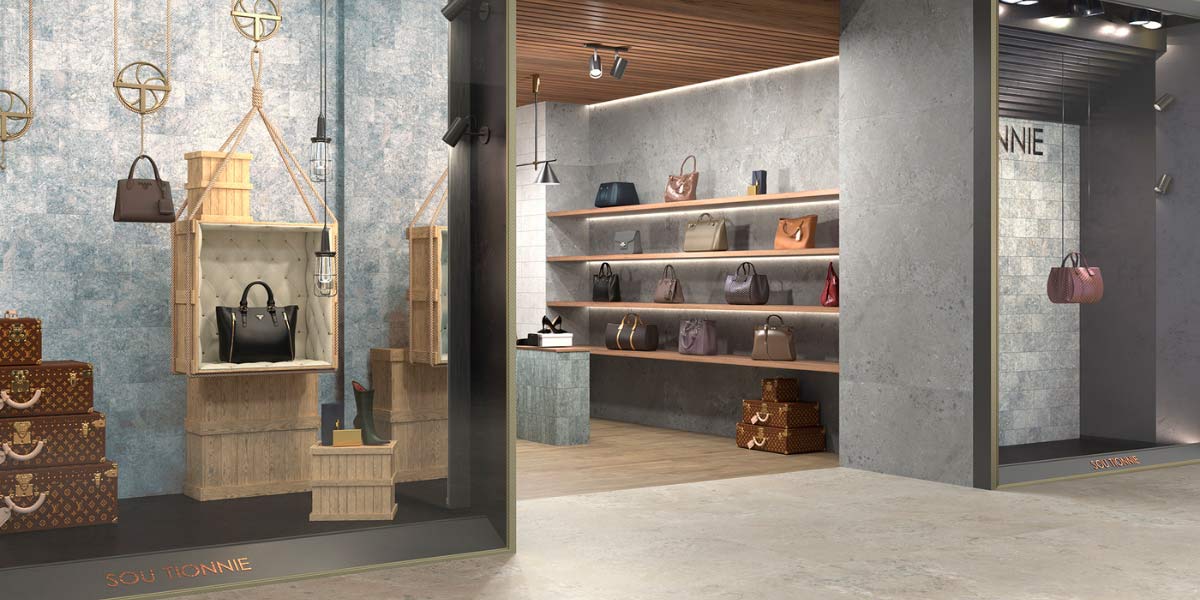
Hotels, restaurants, retail spaces, offices and wellness environments frequently specify matt finishes for their ability to convey a refined, contemporary aesthetic.
Their understated appearance creates interiors where architecture, furniture and lighting become the focal points without competing visually with the ceramic surfaces. In addition, the wide variety of available collections makes it easy to adapt this finish to projects with very different design concepts, from boutiques and cafés to large public spaces.
Which materials look best with a matt finish?
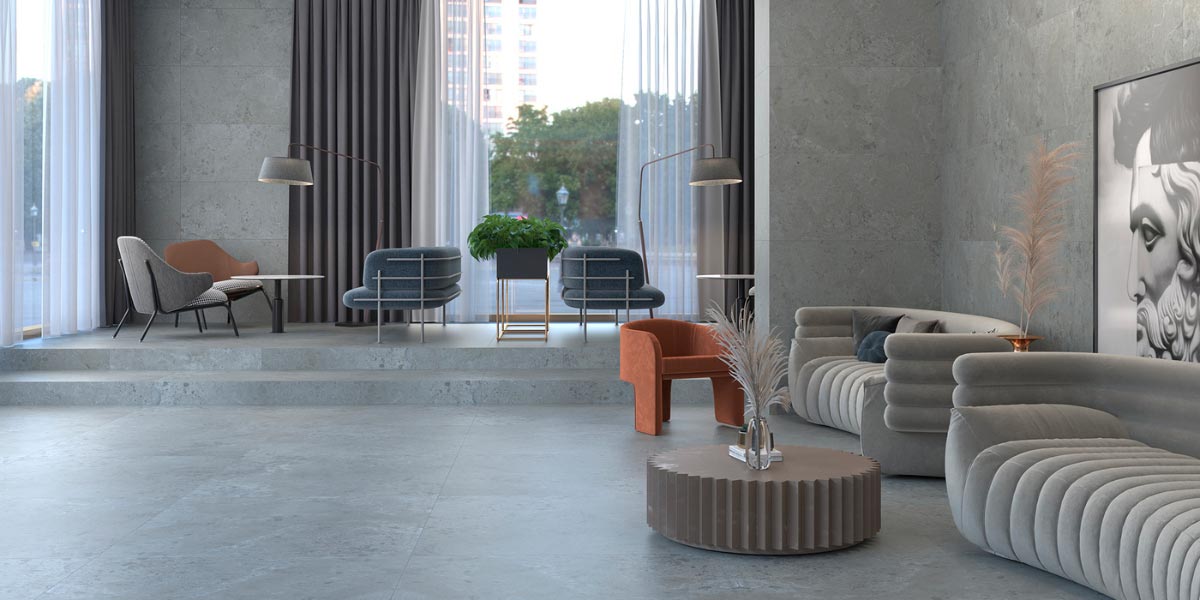
One of the greatest strengths of matt tiles is their ability to reproduce the beauty of natural materials with remarkable realism. By eliminating reflections and enhancing textures, this finish creates more authentic surfaces where every relief, vein and subtle colour variation takes centre stage.
Although virtually any ceramic collection can be produced with a matt finish, certain materials are particularly enhanced by this type of surface.
Matt stone-effect tiles
Natural stone is probably the material that benefits most from a matt finish. Limestones, travertines, slates and sandstones achieve a far more convincing appearance when the surface reflects very little light, allowing every texture and subtle colour variation to be fully appreciated.
These ceramic surfaces convey serenity, elegance and a strong connection with nature, making them an ideal choice for bathrooms, living areas, terraces and any space designed to create a calm, timeless atmosphere.
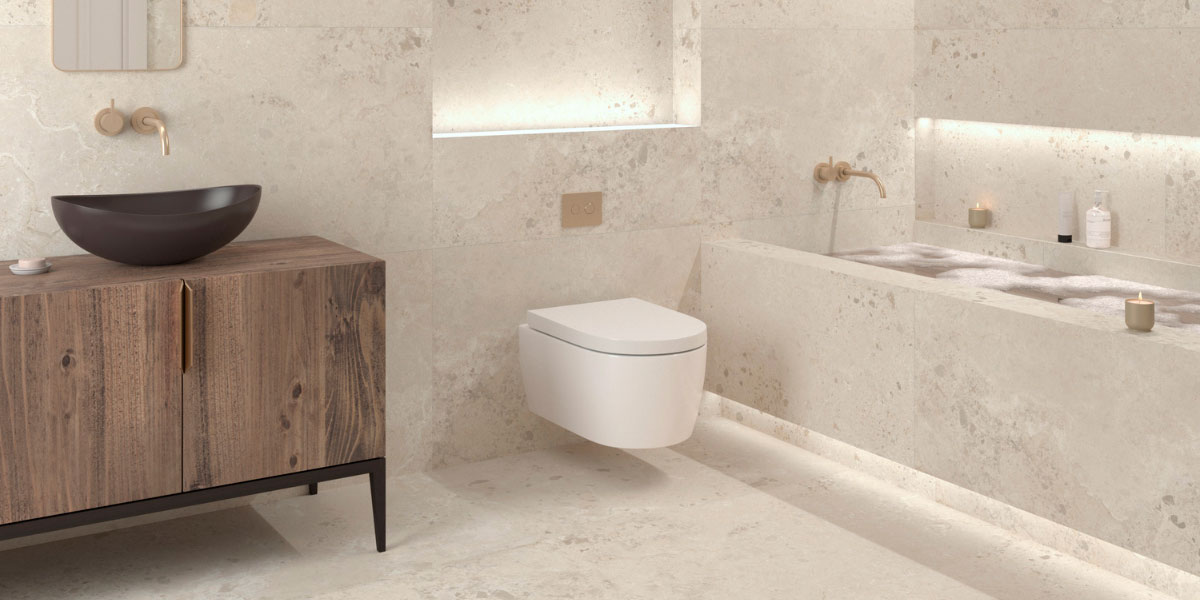
Matt concrete-effect tiles
Concrete-inspired ceramic tiles find their perfect expression in a matt finish. Their uniform, mineral appearance and contemporary character make them an excellent choice for modern architecture, minimalist interiors and industrial-inspired spaces.
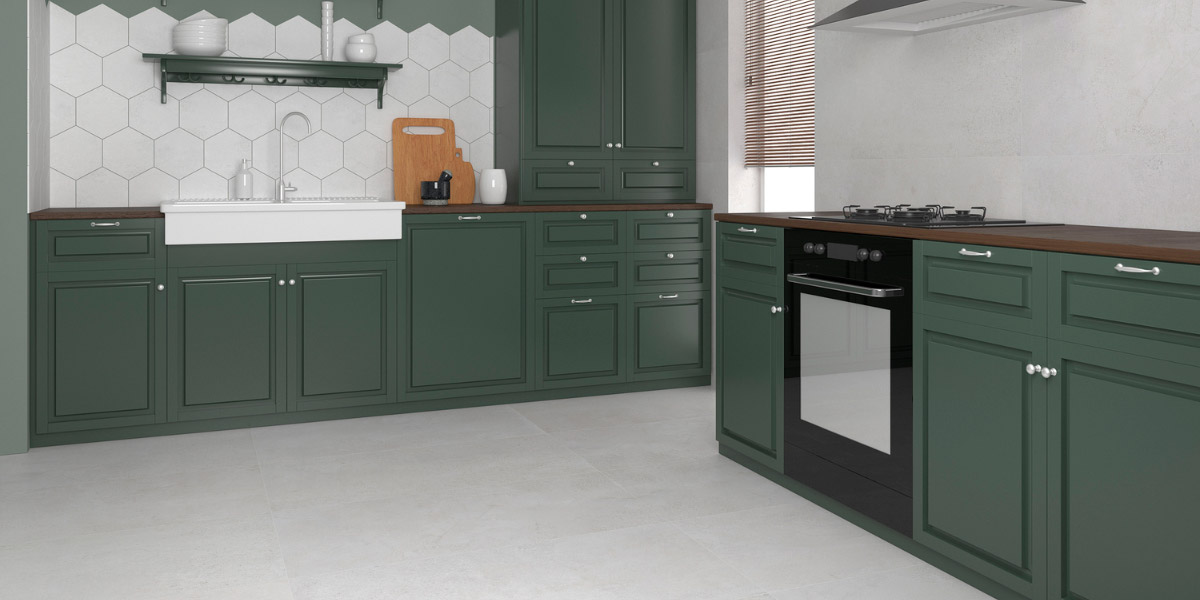
Matt clay and terracotta-effect tiles
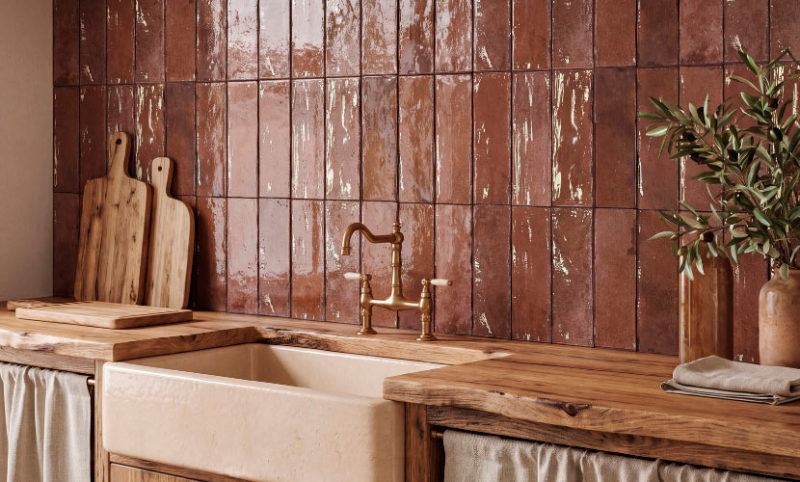
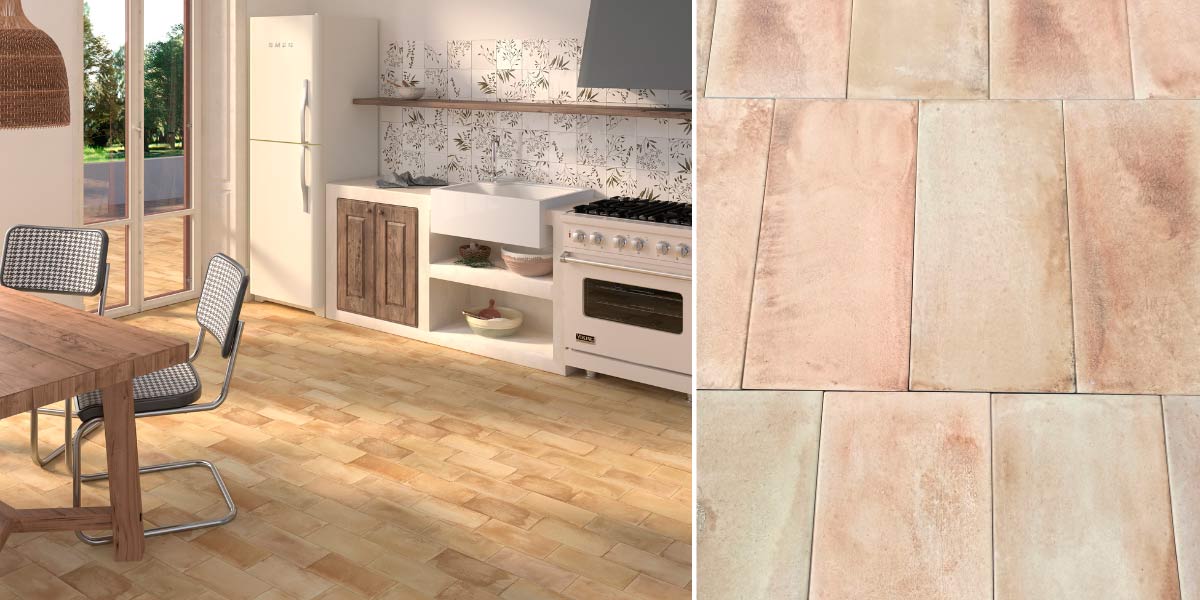
Ceramic collections inspired by handcrafted clay stand out for their rich colour variations, subtle irregularities and warm earthy tones. A matt finish preserves all of this authenticity, faithfully recreating the essence of traditionally handmade ceramic pieces.
Earth tones, terracotta and clay shades bring warmth and personality to interiors, making them especially suitable for Mediterranean, rustic and contemporary projects that celebrate the beauty of natural materials.
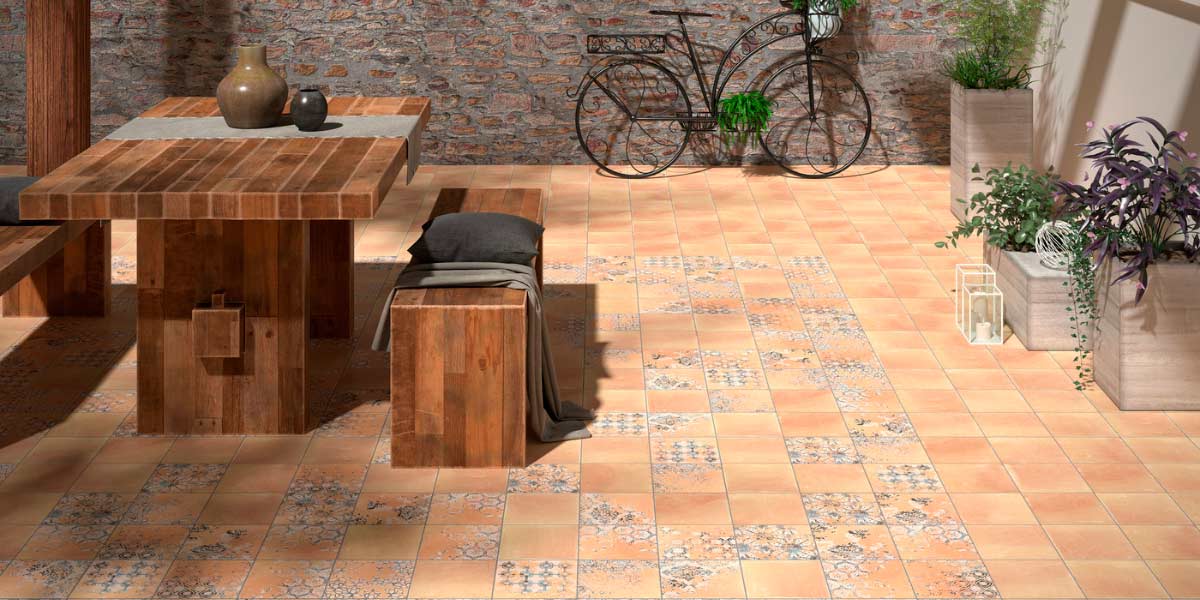
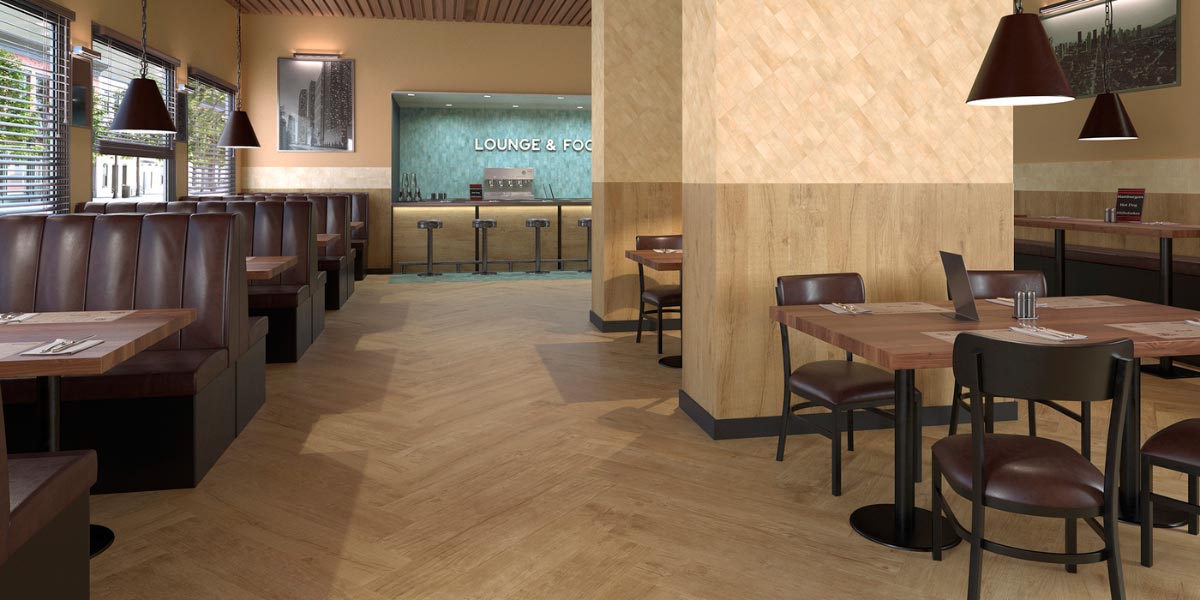
Matt wood-effect tiles
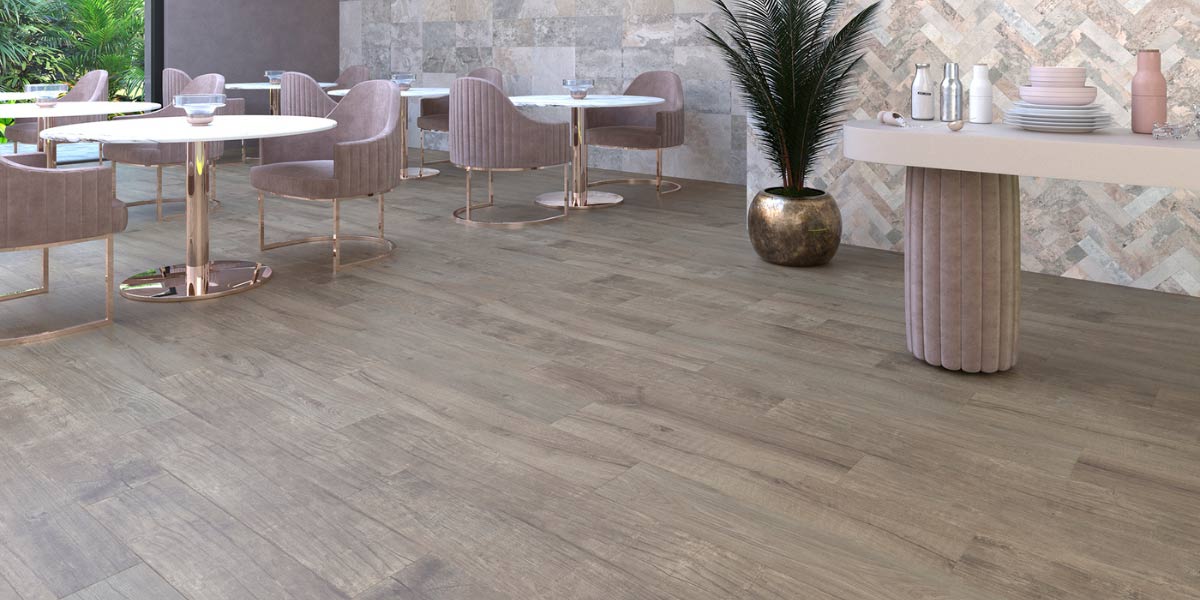
Wood is another material that is beautifully enhanced by a matt finish. Just like natural timber, the absence of shine allows the grain, knots and tonal variations to be appreciated more clearly, creating an exceptionally realistic appearance.
These ceramic floor tiles offer all the visual warmth of wood while delivering the durability, practicality and easy maintenance of porcelain, making them an excellent choice for homes, hotels and commercial spaces.
Matt artisan-style tiles
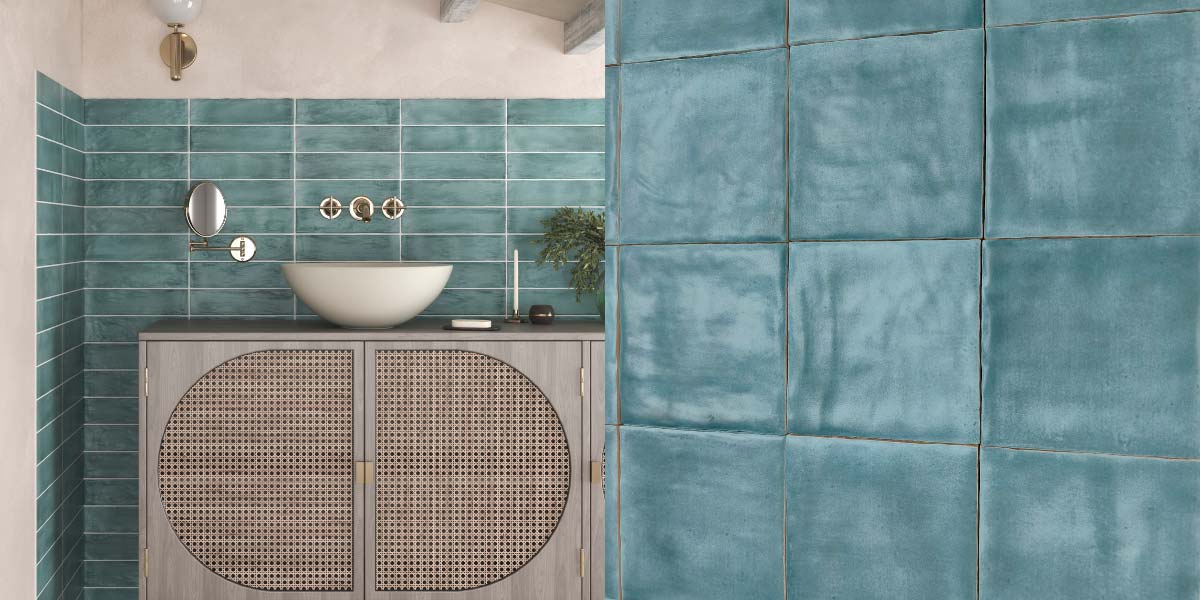
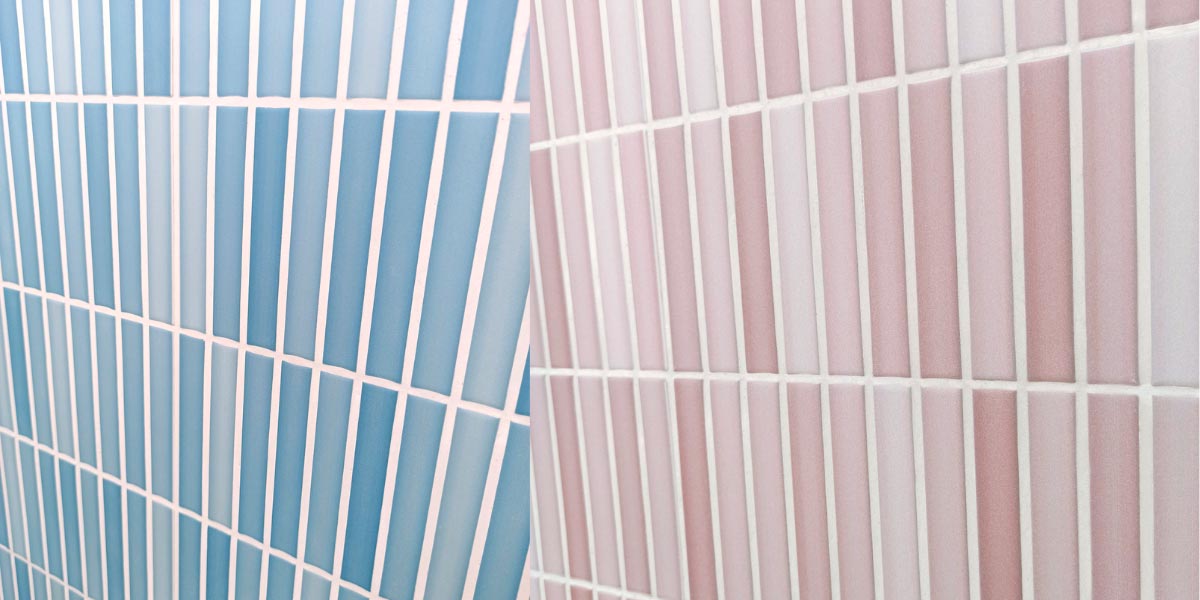
Handcrafted-inspired ceramic collections also benefit greatly from a matt finish. Reliefs, subtly irregular surfaces and small-format tiles appear far more authentic when the surface does not produce reflections.
The result is ceramic wall coverings full of character, capable of adding depth, texture and a genuine handcrafted feel, becoming a focal point within the space without relying on bold colours or oversized formats.
Which interior design styles work best with matt tiles?
The versatility of matt tiles allows them to blend seamlessly into virtually any interior design style. Their understated, natural appearance allows other materials to take centre stage, creating balanced, timeless compositions.
Mediterranean style
Mediterranean interiors embrace honest materials, nature-inspired colours and a strong connection between indoor and outdoor spaces. In this context, matt finishes are a natural choice. Combined with sand tones, terracotta, stone, lime or wood, they help create bright, relaxed spaces that evoke a feeling of freshness all year round.
Japandi style
The Japandi philosophy celebrates the beauty of simplicity, functionality and natural materials. Matt tiles fit perfectly within this design language thanks to their understated aesthetic and their ability to create a sense of visual calm. Neutral colours, continuous surfaces and soft textures come together to create serene interiors where every element has a purpose.
Scandinavian style
Scandinavian interiors prioritise natural light and a sense of openness. Matt wall and floor tiles in light tones reinforce this atmosphere, providing a neutral backdrop that pairs beautifully with light woods, natural fibres and furniture with clean, simple lines.
Industrial style
Industrial interiors find the perfect complement in matt finishes, especially when combined with materials such as concrete, steel and black metal. Concrete-, stone- and metal-effect tiles create contemporary spaces where architecture and materials become the true focal points.
Contemporary rustic style
Today's interpretation of rustic interiors embraces cleaner, more refined spaces where natural materials coexist with modern lines. In these projects, matt finishes preserve the authenticity of stone, clay and wood while maintaining an elegant, contemporary aesthetic.
Minimalism
Minimalist design eliminates unnecessary elements to highlight architecture, light and spatial proportions. Matt tiles, particularly in large formats and neutral colours, create seamless surfaces where visual calm and a sense of order take centre stage.
Current trends in matt tiles
The growing popularity of matt finishes goes far beyond aesthetics. Today's interior design trends favour spaces that feel increasingly natural, sensory and timeless, where materials convey authenticity and help create welcoming environments. These are some of the key trends currently shaping ceramic design.
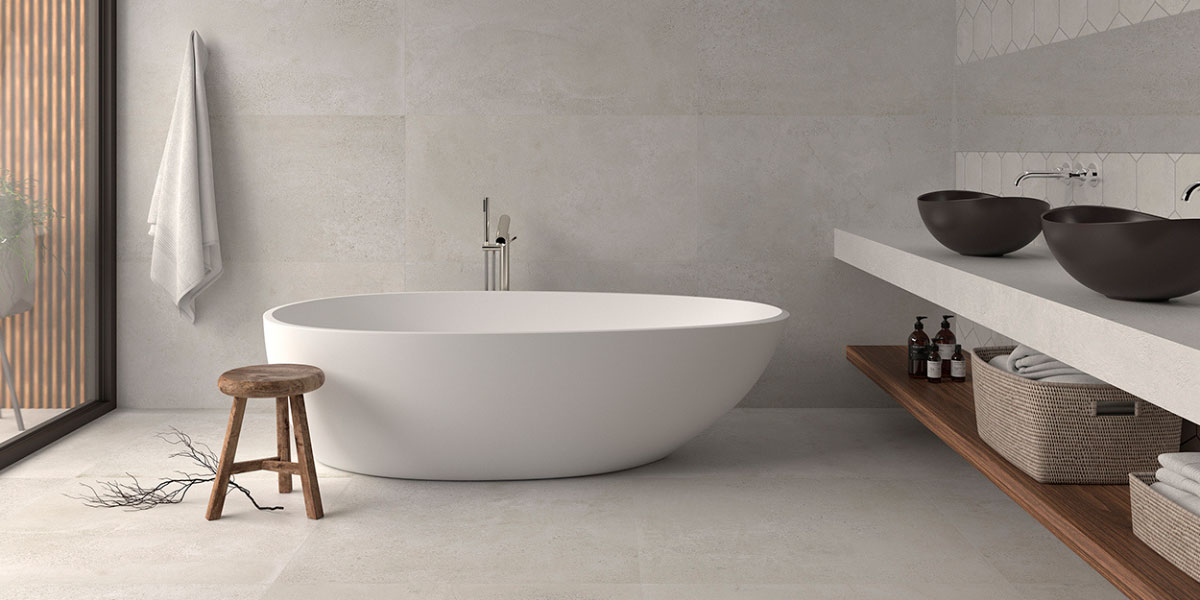
Large-format matt tiles
Large-format tiles minimise grout lines and enhance the visual continuity of walls and floors. Combined with matt surfaces, they create elegant, clean and highly contemporary spaces, particularly in bathrooms, kitchens and living areas.
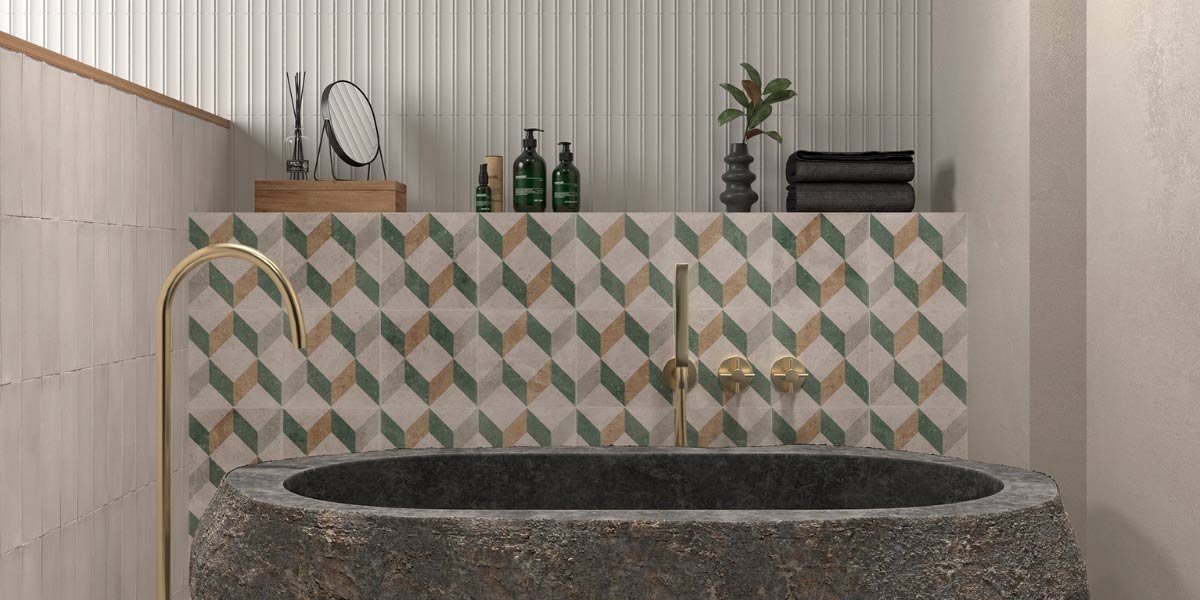
Reliefs and textured surfaces
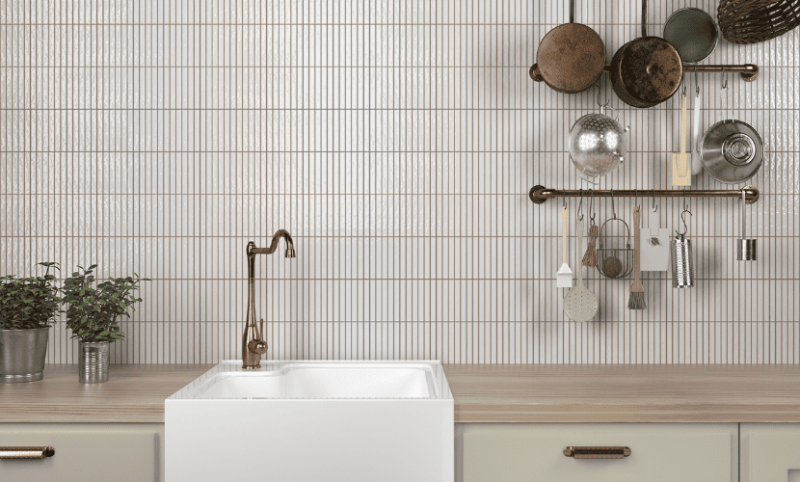
Collections featuring reliefs, fluted designs and subtle surface irregularities are enjoying unprecedented popularity. Matt finishes allow these details to stand out more clearly, creating delicate plays of light and shadow that add visual depth and richness to a space.
Nature-inspired colours
Colour palettes are evolving towards softer, more organic tones. Off-whites, sand, greige, stone, terracotta, olive green and warm browns are among the defining colours of today's ceramic collections, reinforcing a sense of wellbeing and connection with nature.
Combining materials and textures
Beyond colour, one of the most interesting trends is the combination of different textures within the same project. Pairing stone with wood, concrete with handcrafted clay, or smooth surfaces with relief tiles creates interiors with greater visual richness while maintaining harmony.
Matt finishes act as the unifying element across these combinations, bringing balance and allowing different materials to interact naturally with one another.
Matt or gloss tiles?
There is no universally better finish—only the one that best suits the characteristics of each project and the aesthetic effect you want to achieve.
Matt tiles stand out for their natural appearance, their ability to enhance textures and the sense of calm they bring to a space. They are an excellent choice for anyone looking to create elegant, contemporary and timeless interiors where materials take centre stage.
Gloss tiles, on the other hand, reflect more light, adding brightness, visual depth and a more refined finish. Their ability to maximise natural and artificial light makes them a particularly attractive option for certain rooms and interior design styles.
If you'd like to discover all the advantages of gloss finishes, when to use them and the spaces where they perform best, explore our complete guide to gloss tiles. Or, if you want to understand the differences between matt and gloss finishes in detail, their benefits and when to choose each one, we recommend reading our comprehensive guide: Matt or gloss tiles: which is the best choice for your space?
How to combine matt and gloss tiles
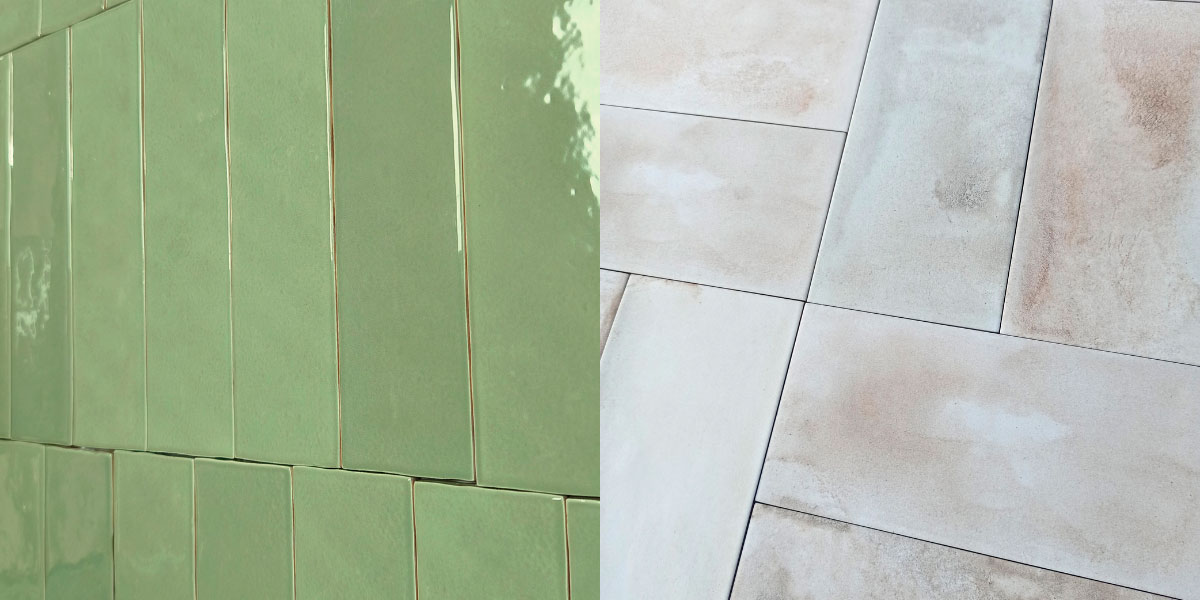
Matt and gloss finishes are not mutually exclusive. In fact, one of the most interesting trends in ceramic design is combining the two to add visual depth and dynamism to a space. The key is to maintain the same colour palette or draw inspiration from the same material so that both finishes work together naturally and harmoniously.
If you're looking for ideas and practical examples, take a look at our article 'How to combine matt and gloss tiles', where we show different ways to integrate both finishes in bathrooms, kitchens and other areas of the home.
Frequently asked questions about matt tiles
Are matt tiles more difficult to clean?
No. Matt tiles are cleaned in exactly the same way as any other ceramic wall or floor covering, using water and a pH-neutral detergent. The most important thing is to use suitable cleaning products and rinse the surface thoroughly to prevent residue from building up.
Do matt tiles stain easily?
No. Ceramic is a highly durable, low-maintenance material. In addition, because matt finishes reflect less light, minor marks, fingerprints and splashes are often less noticeable than they would be on highly polished surfaces.
Are they suitable for bathrooms and showers?
Yes. Matt tiles are an excellent choice for bathrooms, as they help create calm, relaxing spaces and pair beautifully with materials such as stone, wood and concrete. There are also matt porcelain floor tiles with anti-slip properties specifically designed for wet areas.
Do matt tiles make a room look smaller?
Not necessarily. Although gloss finishes reflect more light, a room finished with matt tiles can feel just as bright when light colours, suitable tile formats and well-planned natural and artificial lighting are used.
Which finish is currently more popular?
In recent years, matt finishes have become increasingly popular thanks to their natural appearance and their ability to reproduce materials such as stone, clay and concrete with remarkable realism. However, gloss finishes remain a highly valued option for certain interior styles and continue to play an important role in ceramic design.
Are matt tiles suitable for both walls and floors?
Yes. Depending on the type of tile and the ceramic material, matt finishes can be used for both wall and floor applications, making it easy to maintain a consistent aesthetic throughout different areas of the home.
Matt tiles have proven that elegance doesn't always need to demand attention. Their ability to enhance textures, faithfully recreate natural materials and create calm, welcoming spaces has made them one of the most highly valued finishes among architects, interior designers and homeowners alike.
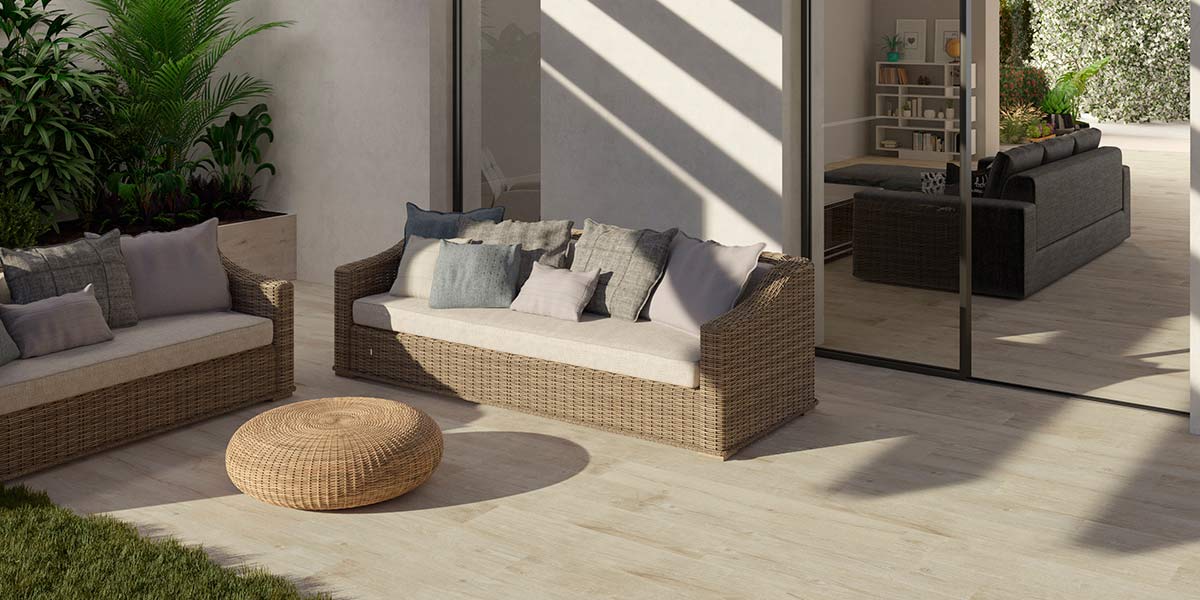
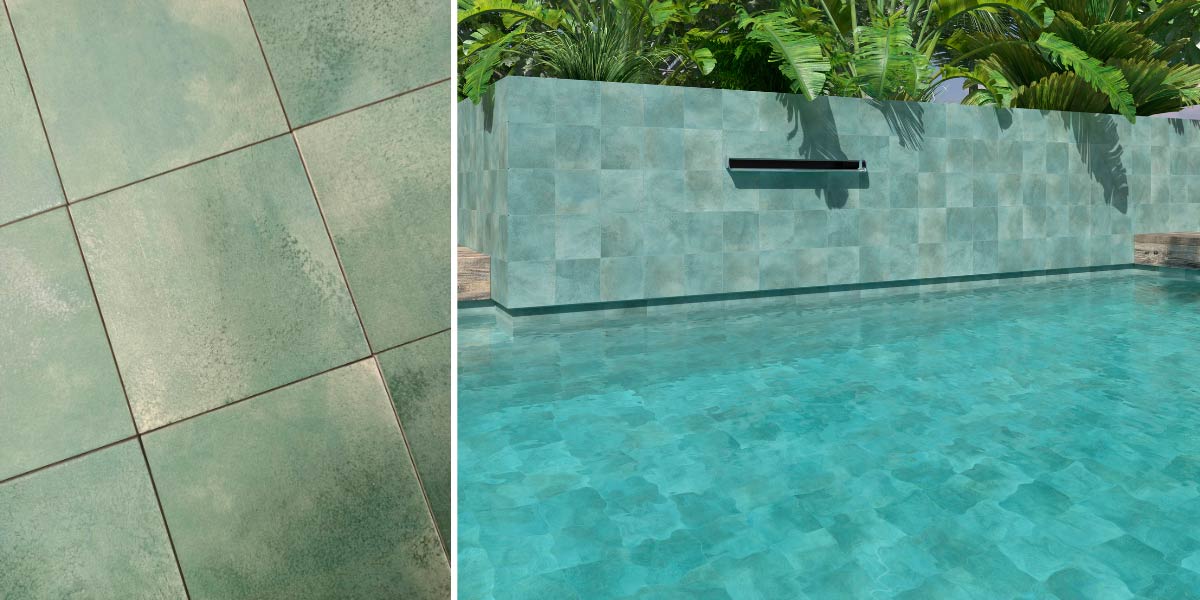
Thanks to their exceptional versatility, they can be used in bathrooms, kitchens, living rooms, commercial spaces and outdoor areas, adapting effortlessly to styles as diverse as Mediterranean, minimalist, industrial and contemporary rustic.
If you're looking for ceramic wall or floor tiles with a natural, sophisticated and timeless aesthetic, a matt finish is a reliable choice that will retain its character and appeal for years to come.