
Tiles for small kitchens: ideas for optimising space
When it comes to optimizing the design of small kitchens, every decision matters. Kitchen tiles not only serve an aesthetic purpose, but also enhance brightness, define spaces, and make cleaning easier in high-use areas. Choosing the right colors, textures, and formats can make all the difference, turning even a small kitchen into a functional and welcoming space. If you're looking for inspiration to renovate a compact kitchen, this post offers key ideas to make the most of every corner. Let's get started!
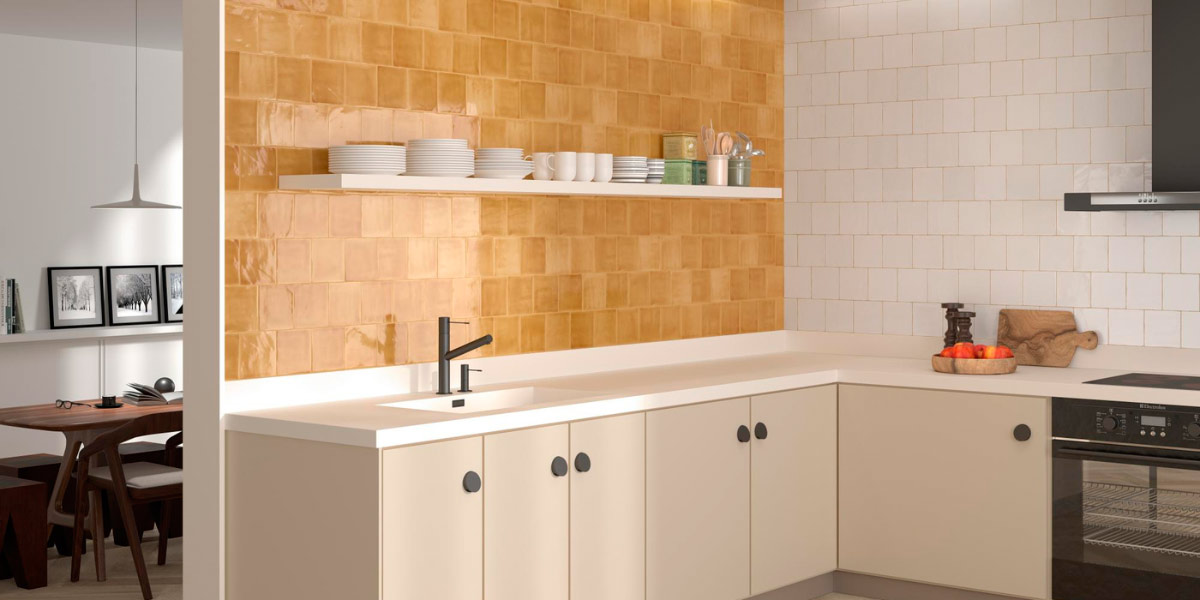
Types of small kitchens and recommended tiles
Open kitchens
In small kitchen design, especially in kitchens open to the living or dining area, choosing the right tiles is crucial to achieving a coherent visual integration. In these shared spaces, it’s best to choose tiles that harmonize with the rest of the home’s style, creating a smooth and aesthetic transition between areas.
White tiles for small kitchens are a popular choice due to their ability to reflect light and create a sense of spaciousness, while wood-effect tiles bring warmth and help visually connect the kitchen with the social area. For those seeking character, hydraulic tiles or vintage-style tiles are perfect for adding personality without disrupting harmony.
In open kitchens with a breakfast bar, choosing tiles that subtly contrast or play with textures can help define areas without needing walls. In short, in modern small kitchens, tiles not only decorate but also connect spaces and enhance functionality.
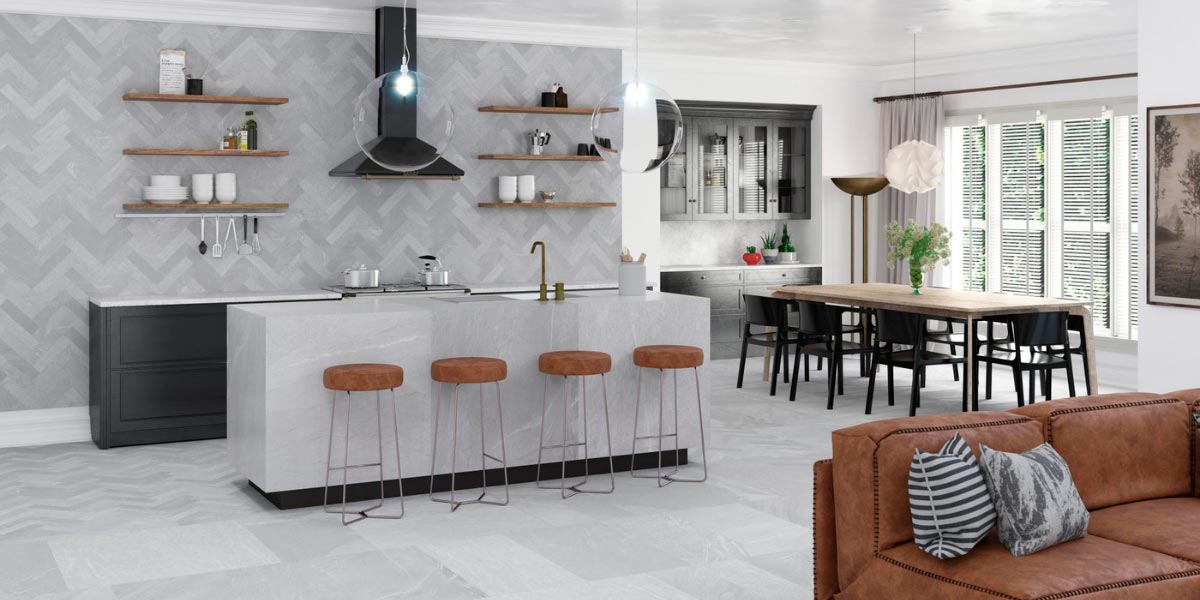
Galley kitchens
One of the biggest challenges in galley kitchens is preventing the space from appearing narrow or disproportionate. Tile choices should aim to create continuity and a sense of spaciousness. Light-colored tiles, like white tiles, help reflect light and visually soften boundaries.
Horizontal or large-format tiles reinforce uniformity across the space. Wood-effect tiles or hydraulic patterns also work well, as their elongated lines enhance depth without overwhelming the atmosphere.
For a modern look, matte or subtly glossy tiles add elegance and maintain visual balance. Industrial-style or neutral-finish tiles add character without disturbing the overall harmony.
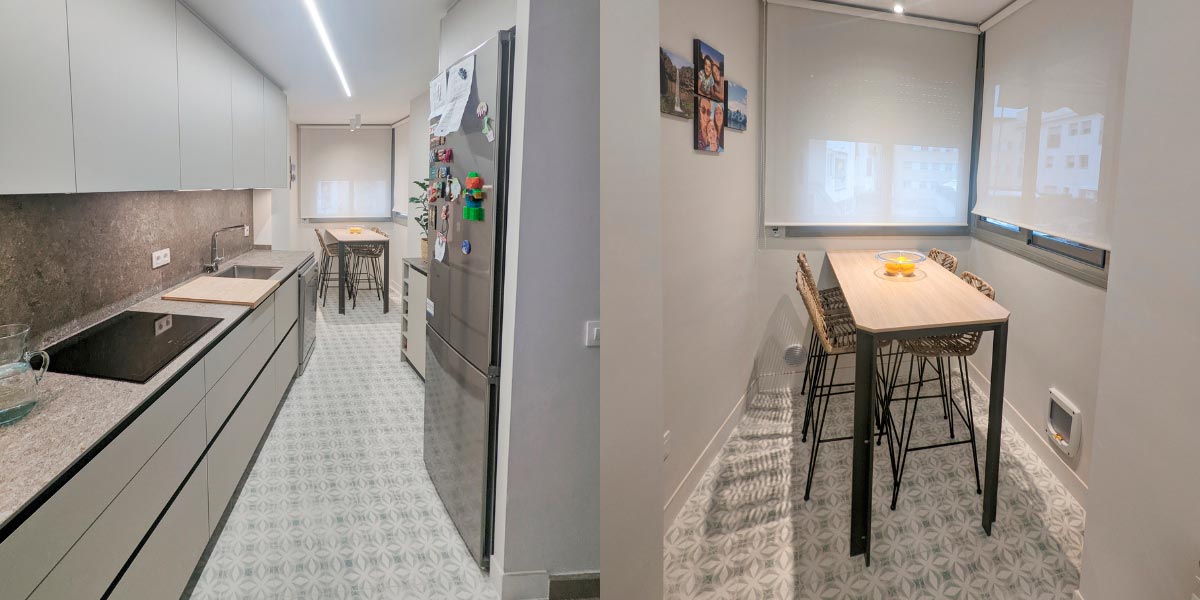
L-shaped kitchens
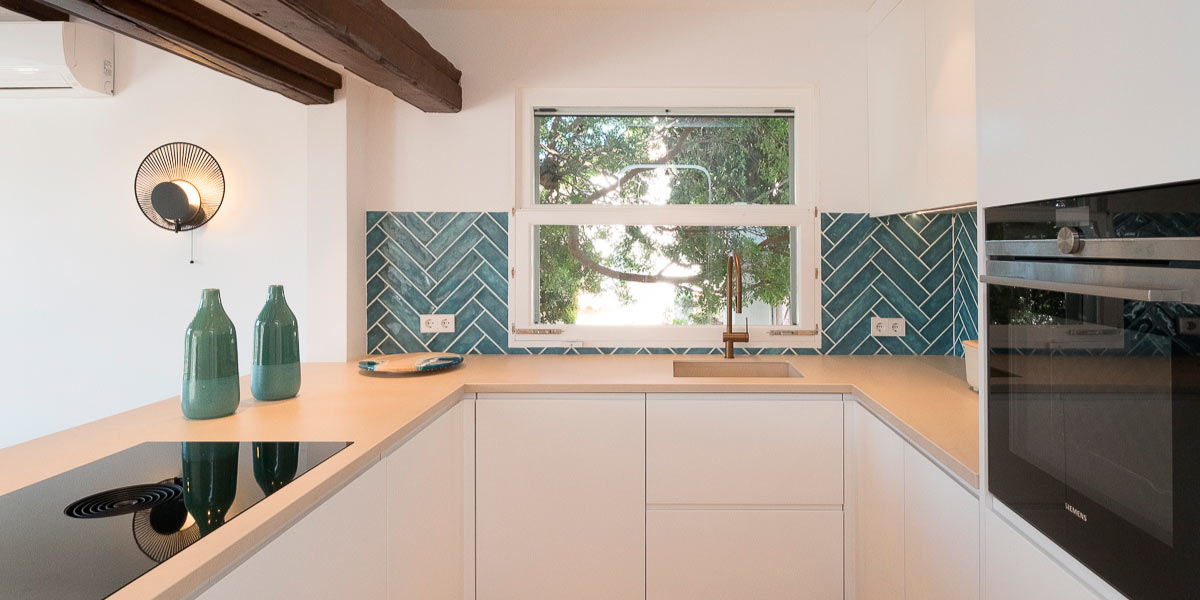
L-shaped kitchens are ideal for small spaces as they make good use of corners and ensure smooth circulation. Tiles here should define work and passage areas without visually overloading the space.
Using neutral, uniform tiles on main walls and adding subtle contrast in the backsplash area is a smart strategy. White tiles remain a safe bet for brightness, while hydraulic tiles add visual interest when used selectively, such as behind the stove.
Smooth or gently textured finishes work best to follow the kitchen’s lines without creating harsh breaks. If the kitchen includes a bar, distinct tiles—like wood-effect or herringbone—can highlight that space and give it character. This creates a balance between function, style, and openness.
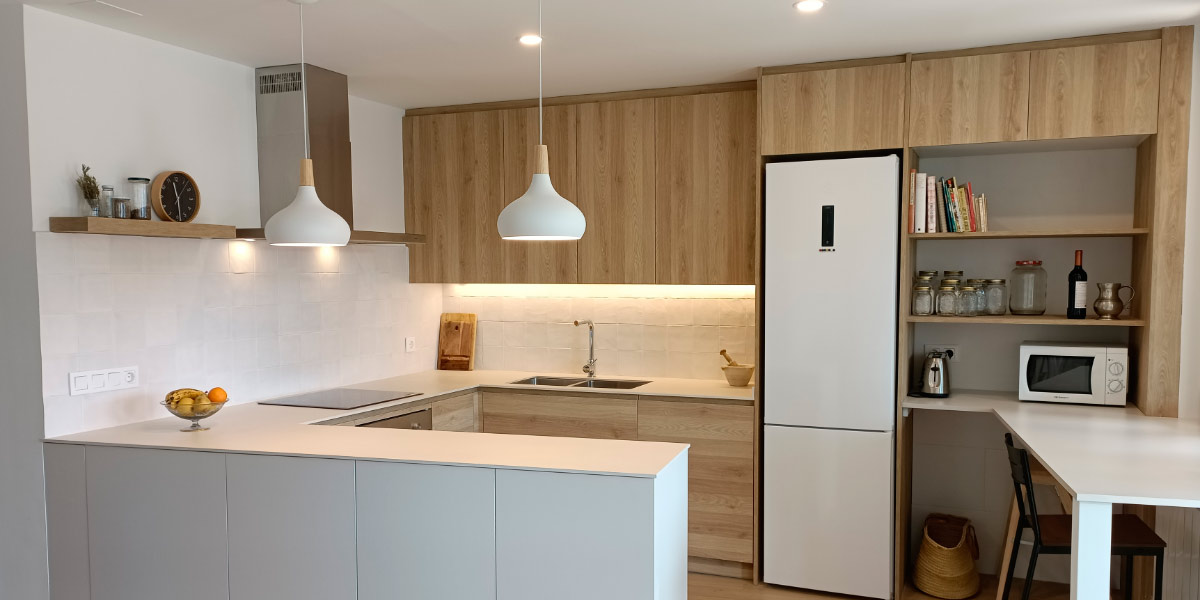
Kitchens with a bar
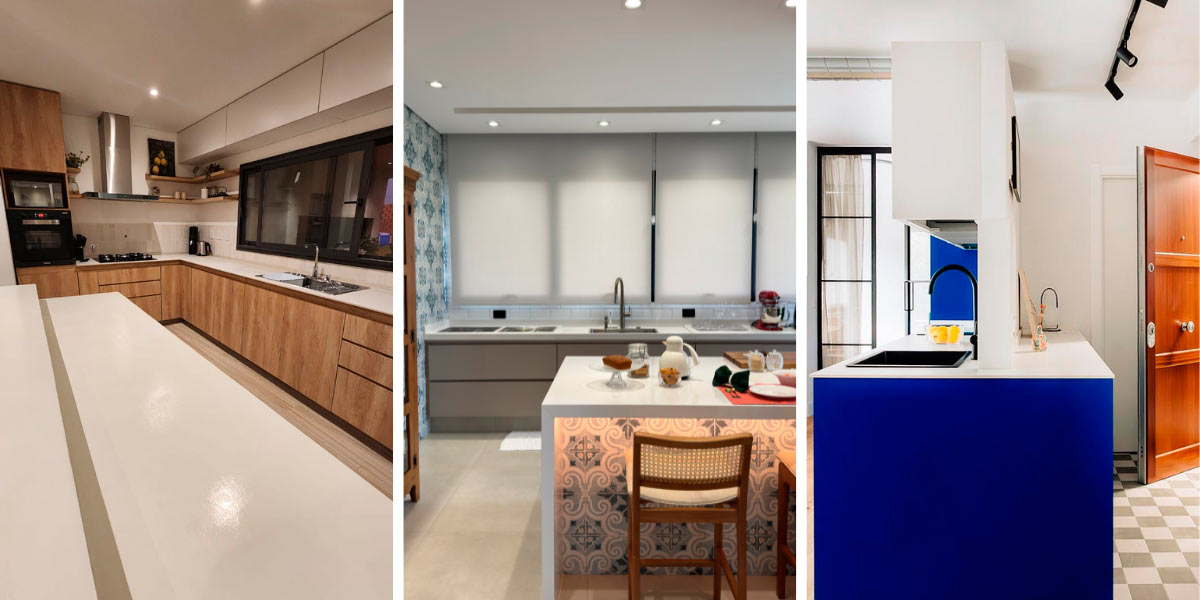
Kitchens with a bar are a stylish and practical solution for small spaces, offering extra room to dine, cook, or socialize without needing a table. Strategically using tiles on the bar area can frame it and make it a visual focal point. Hydraulic or vintage-style tiles add charm and personality without overwhelming.
For a cozier look, wood-effect tiles help create warmth and visual unity with the kitchen and living room. For a modern, minimalist style, smooth matte or glossy tiles elegantly define the bar, adding texture and depth. Color or subtle pattern combinations can visually separate the bar from other elements like the countertop or backsplash—without needing physical dividers. The right tiles can turn the bar into a standout design and functional feature.
Tiles for small kitchens according to decorative style
The decorative style of the kitchen directly influences the choice of tiles for small kitchens, as they should complement the overall aesthetic without overwhelming the space. Knowing the types of tiles best suited to each style is key to achieving a harmonious and functional design.
For a contemporary look, tiles in neutral colors, smooth finishes, or rectangular formats bring order and elegance. In kitchens with a cozier, rustic feel, wood-effect tiles are ideal for adding warmth without sacrificing practicality.
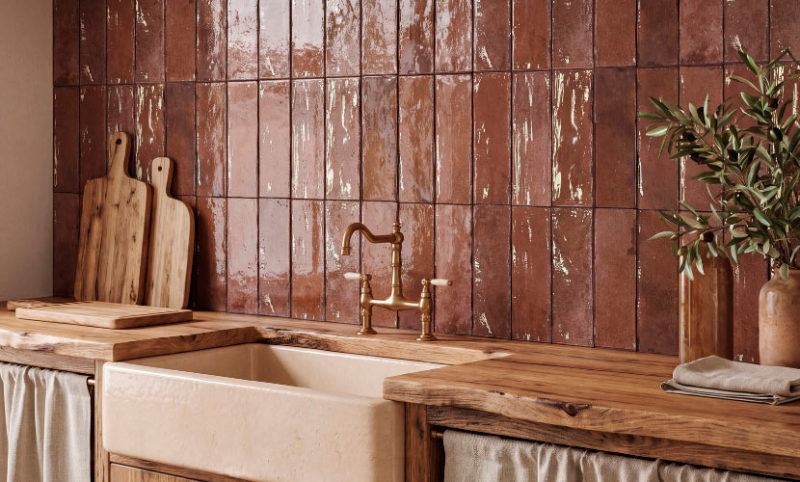
If you prefer a design with personality and a retro touch, hydraulic tiles or vintage-style tiles can become the focal point with bold, colorful patterns. On the other hand, if you're aiming for an urban and contemporary aesthetic, industrial-style tiles in gray, black, or cement-look tones work very well.
In all cases, it's important to balance the design with the size of the space by opting for light colors and simple formats to maintain a sense of spaciousness.
Minimalist style
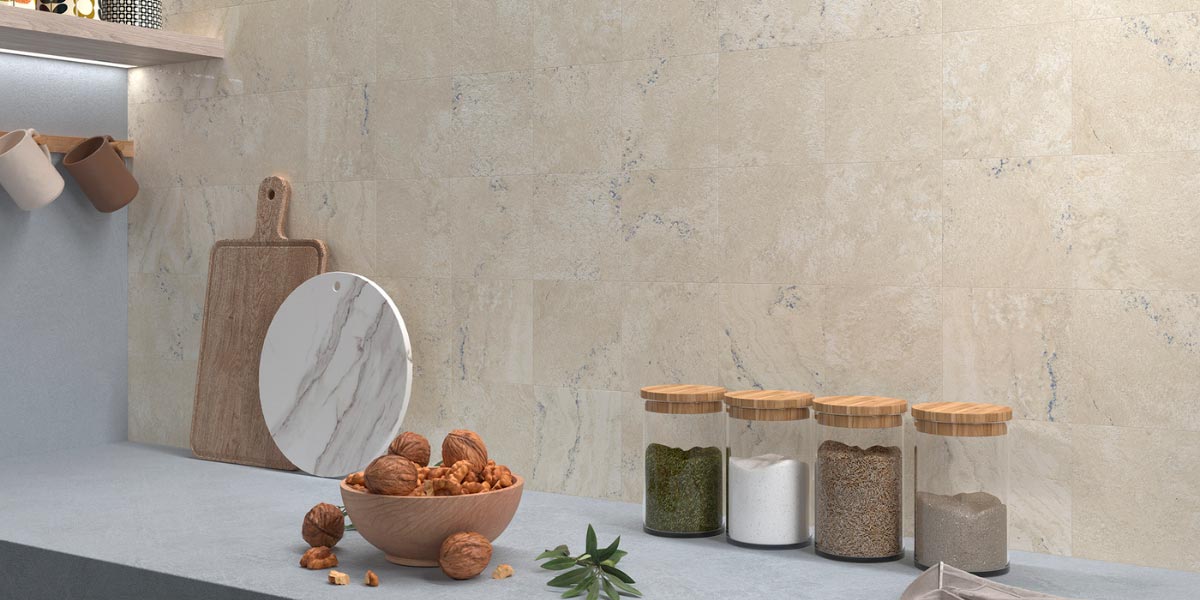
Minimalist style is ideal for small kitchen design, as it focuses on simplicity, visual cleanliness and functionality, three key aspects in small spaces. In this approach, tiles for small kitchens should be discreet but elegant, helping to maintain a tidy and bright aesthetic.
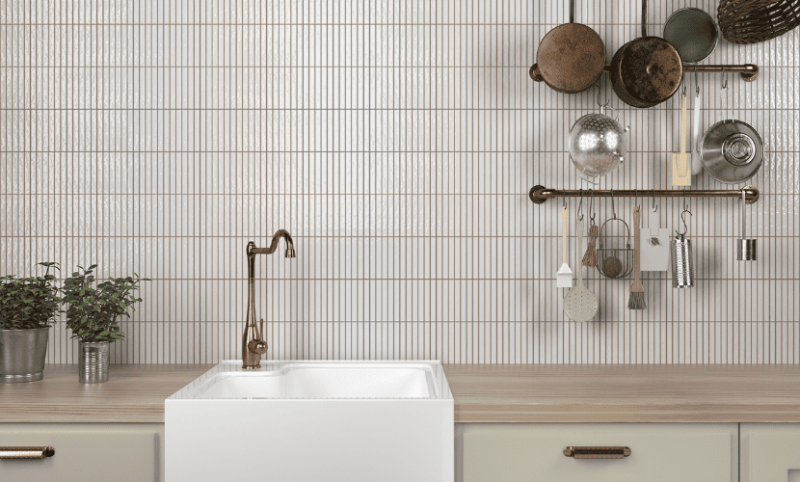
White tiles for small kitchens are one of the most commonly used options in this style, as they visually enlarge the space and reflect light naturally. Kitchen tiles in neutral tones such as light grey, beige or sand also work very well, especially in matt or satin finishes that provide softness without standing out too much.
In terms of formats, large rectangular or seamless kitchen tiles help to reinforce the feeling of continuity and spaciousness. For a modern touch without breaking the harmony, you can include details in tiles for small modern kitchens with a subtle texture or stone effect. In short, the minimalist style focuses on the essential, making each element, including the tiles, contribute to the visual order and functionality of the space.
Nordic style
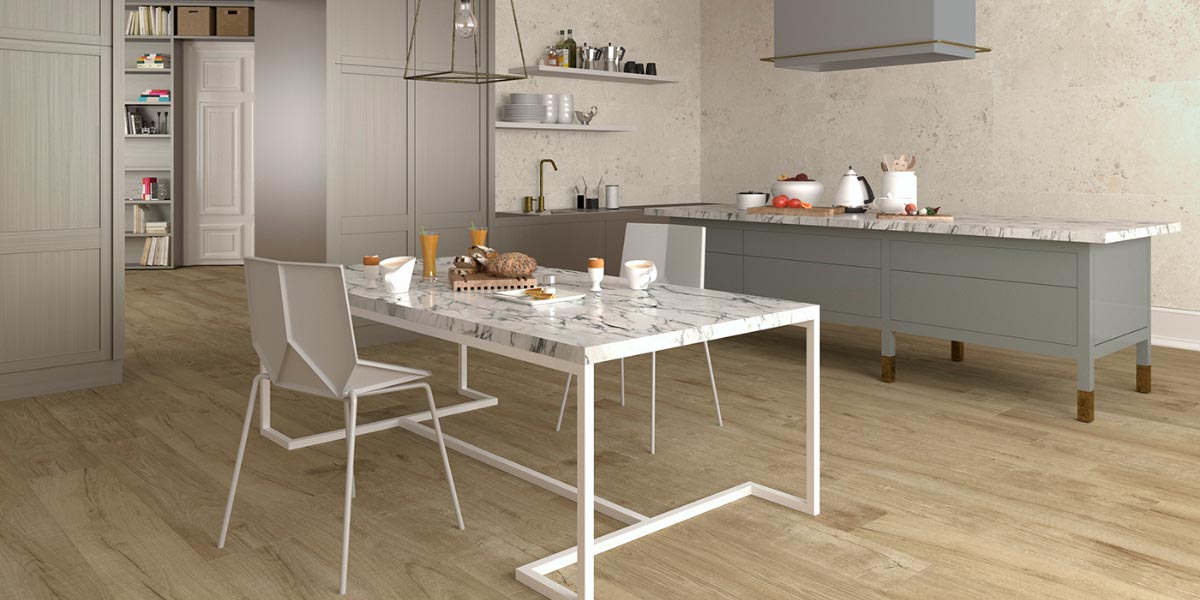
The Nordic style is perfect for small kitchens as it combines simplicity, functionality and a fresh aesthetic that maximises natural light. In this style, tiles for small kitchens play an essential role in creating a warm, bright and welcoming atmosphere. One of the most outstanding options are wood-effect tiles, which provide a natural and organic texture, typical of the Nordic style, without losing the advantages of durability and ease of maintenance offered by ceramic tiles.
Wood effect tiles for small kitchens in light tones such as oak or bleached pine are ideal for amplifying light, creating a feeling of a larger, airier space. These tiles not only add visual warmth, but also perfectly complement the light wood furniture and accessories that characterise this style. In addition, the combination of these tiles with white accents and neutral tones helps to maintain the brightness and visual cleanliness that are essential features of Nordic design.
To complete the look, kitchen tiles in matt or satin finishes are perfectly suited to the relaxed and simple spirit of the Nordic style, avoiding excessive gloss or overdone decorations. In short, wood-effect tiles in a Nordic style kitchenette not only add warmth and brightness, but also create a serene and harmonious atmosphere, ideal for those looking for a cosy and elegant home.
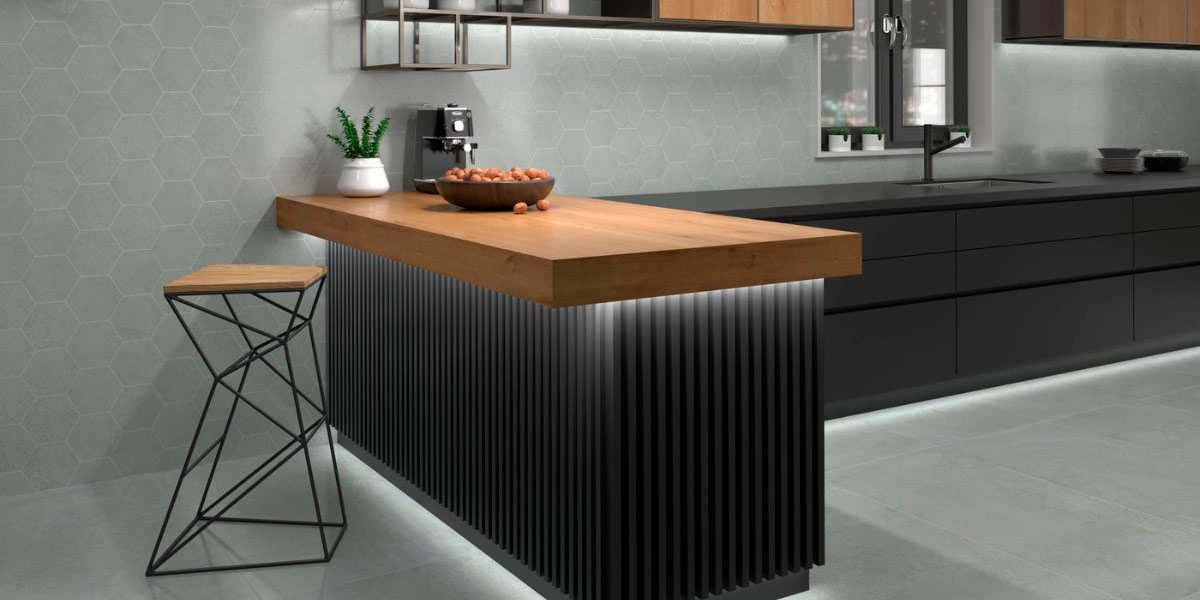
Industrial style
The industrial style is perfect for small kitchens looking for a modern, urban aesthetic with a touch of character. This style, which draws its design inspiration from urban lofts and factories, is characterised by raw materials, simple lines and a somewhat ‘worn’ but sophisticated atmosphere.
One of the most representative elements of this style are metallic effect tiles, which reflect the essence of materials such as steel, iron or aluminium. Metallic effect tiles for small kitchens can be used in shades of grey, silver or even in aged finishes that mimic the look of rusted metal. These tiles not only give a polished, modern finish, but also help to reflect light, which is particularly useful in small kitchens as they visually enlarge the space.
Vintage style
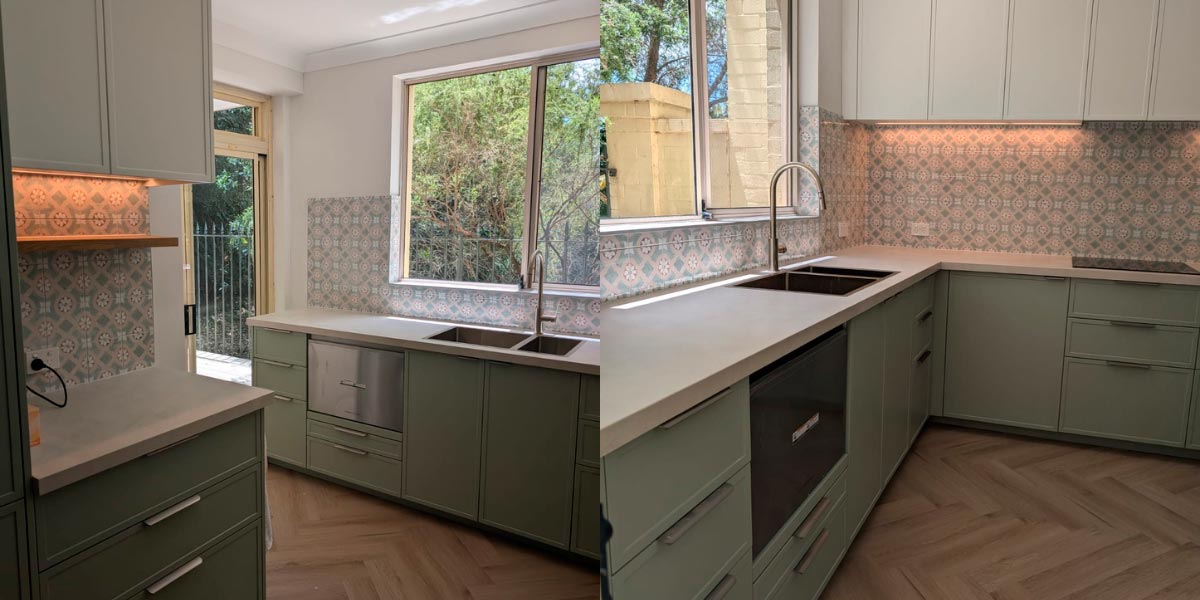
For those looking for a design with charm and personality, vintage style in small kitchens is a perfect option that combines nostalgia and functionality. Tiles for small kitchens with a hydraulic or terrazzo effect are protagonists in this style, as they provide that characteristic retro touch that transforms any space into a cosy atmosphere full of history.
Hydraulic tiles for small kitchens are distinguished by their geometric patterns and vibrant colours, which can give life and character without visually overloading the room. Terrazzo tiles, on the other hand, offer a texture and mix of colours that add warmth and sophistication, ideal for creating a vintage yet modern atmosphere.
When choosing these types of tiles for kitchens, it is important to look for tones that harmonise with the rest of the furniture and decorative elements to enhance the perception of spaciousness and avoid saturating the space. Thus, tile ideas for small kitchens in vintage style not only highlight the aesthetics but also contribute to maintaining functionality and comfort in the kitchen.
Recommended colours for small kitchens
Choosing the right colours for a small kitchen is essential to maximise the feeling of space and improve functionality. Colours directly influence visual perception, making a compact kitchen feel more spacious, bright and welcoming. When selecting tile shades for small kitchens, it is key to opt for palettes that enhance light and create a balanced ambience.
Light colours such as white, cream, beige and pastel shades are classic and effective choices for small kitchens. These colours reflect light and give a feeling of freshness and cleanliness. That's why white tiles for small kitchens are so popular, as they are versatile and will go with almost any style of décor, from minimalist to vintage. However, there is no need to be afraid of introducing brighter or deeper colours, as long as they are used sparingly and in combination with neutral tones. Accents of soft blue, mint green or terracotta can add personality without cluttering the space. For a modern and elegant touch, light grey or stone tones also work very well and are easily integrated with different types of kitchen tiles.
Finally, it is important to consider the finish of the tiles: matt finishes can better conceal imperfections and stains, while glossy finishes enhance luminosity but can show more drops and dirt.
In short, the colours recommended for small kitchens should help to create a harmonious, functional and visually larger space, with light tones being the undisputed protagonists, but without forgetting that small details in contrasting colours can enrich the design.
White
White is one of the most recommended colours for the design of small kitchens, as it provides great luminosity and a feeling of spaciousness that is essential in small spaces. White tiles for small kitchens are a versatile option that makes it easy to combine with different decorative styles, from the most modern to vintage or industrial.
In addition, white kitchen tiles reflect natural and artificial light better, helping to create a fresher and cleaner atmosphere. Within the types of kitchen tiles, matt white tiles or tiles with a subtle glossy finish are ideal for maintaining elegance without showing too much water marks or dirt.
If you are looking for ideas to renovate your kitchen, vintage style small kitchen tiles in white with soft patterns or wood effect tiles for small kitchens in light tones can also be an excellent combination to add warmth without sacrificing brightness.
Beige
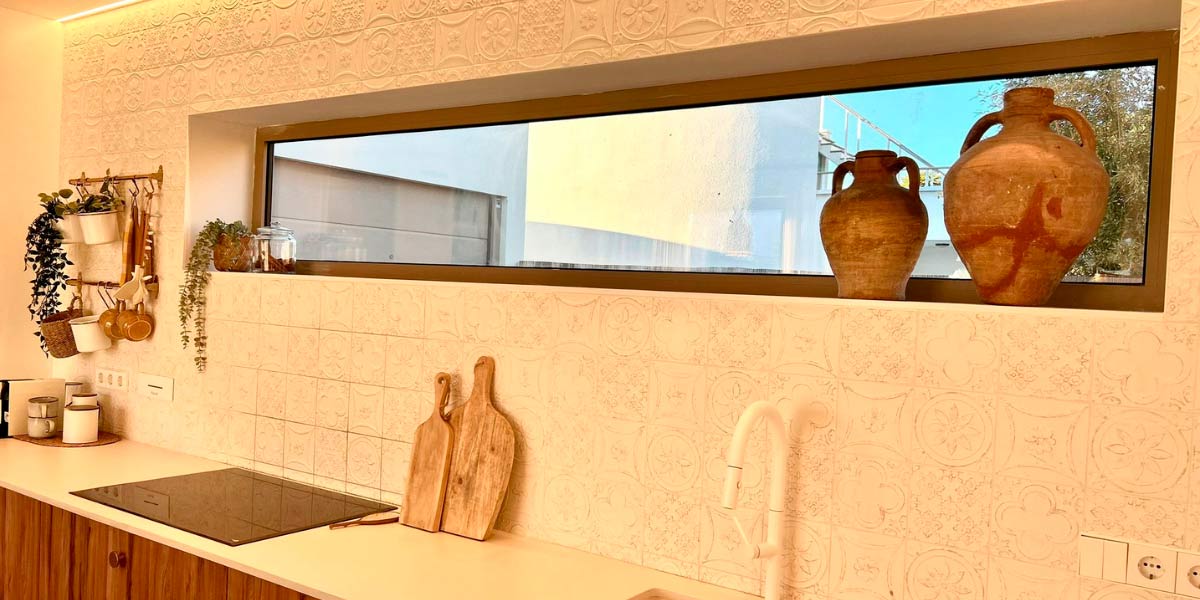
Beige is an ideal colour for small kitchen design because it brings a sense of warmth and sophistication without detracting from the spaciousness of the room. Small kitchen tiles in beige tones create a cosy and balanced atmosphere, perfect for those who are looking for an elegant yet relaxed style.
Among the types of kitchen tiles, beige tiles with a matt or slightly textured finish are an excellent choice to conceal minor imperfections and add a natural touch. In addition, beige combines very well with other neutral colours and wood, facilitating the integration of elements such as bars or furniture in small kitchens.
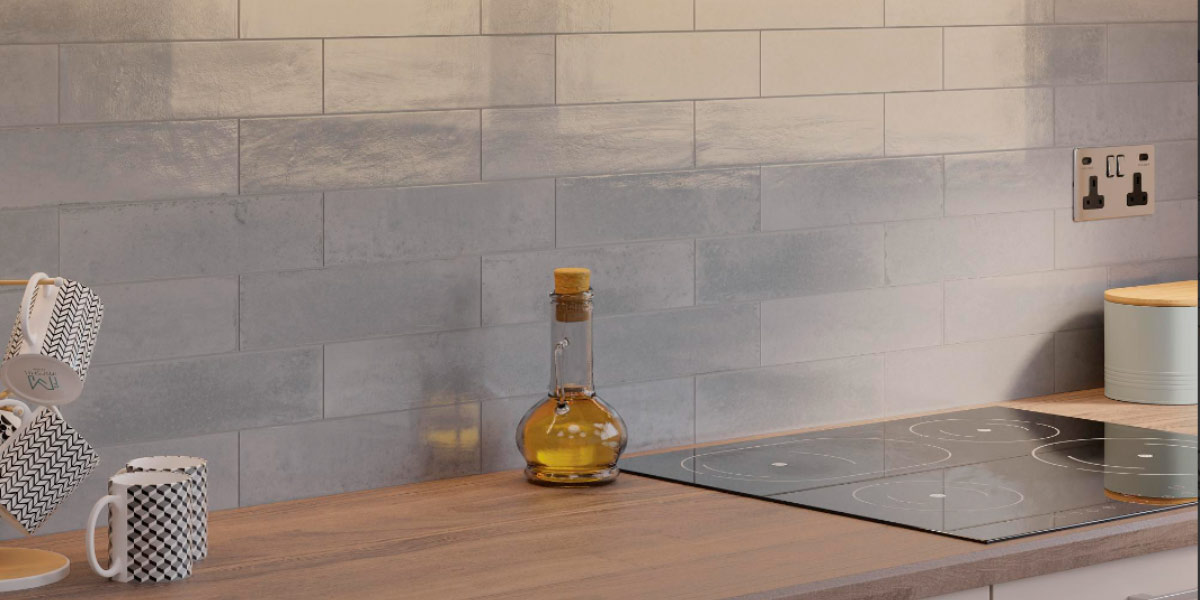
Grey
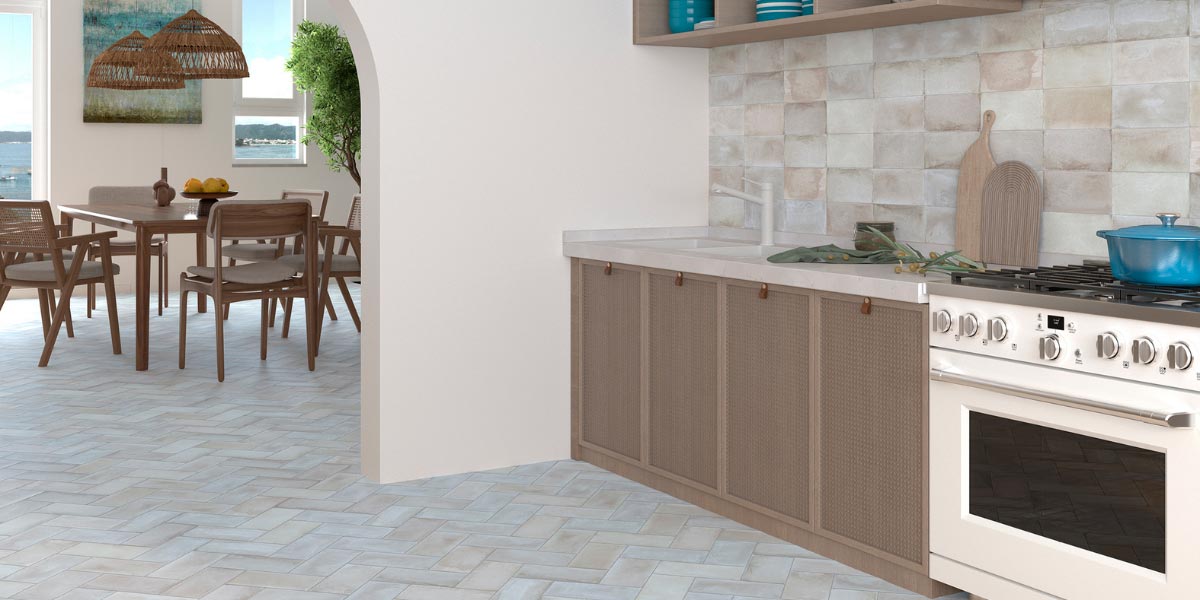
Grey is a versatile and contemporary colour that has established itself as a favourite choice in small kitchen design, especially for those looking for a minimalist or industrial style. Tiles for small kitchens in shades of grey give a modern and sophisticated feel without detracting from the light, especially when combined with matt or smooth finishes.
Grey adapts well to both smooth surfaces and textures that imitate materials such as cement or metal, ideal for creating modern, urban atmospheres. It is a neutral colour that allows you to play with contrasts and details in brighter colours, keeping the kitchen balanced and functional, without overloading the space.
Bright colours
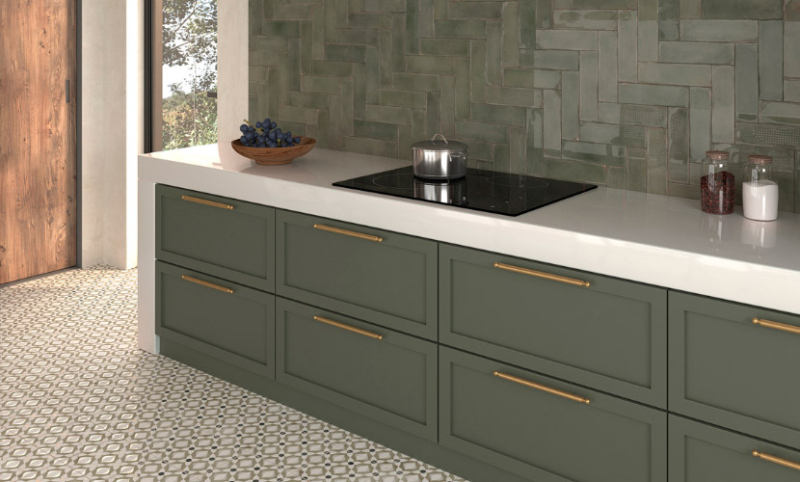
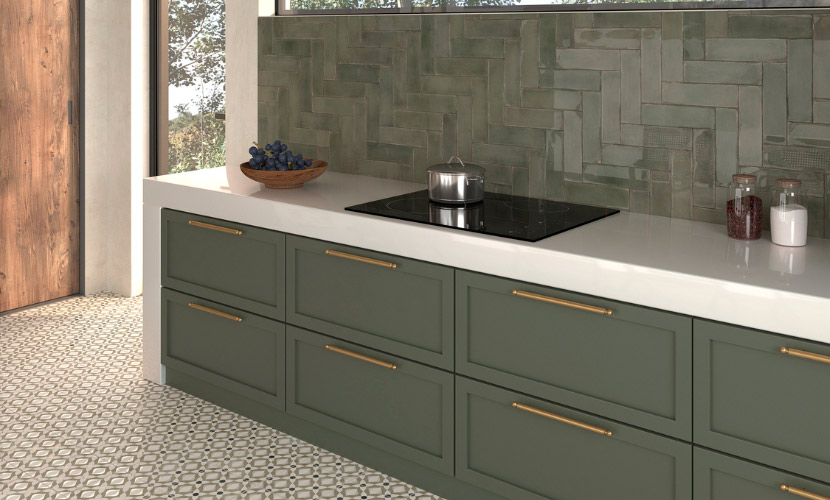
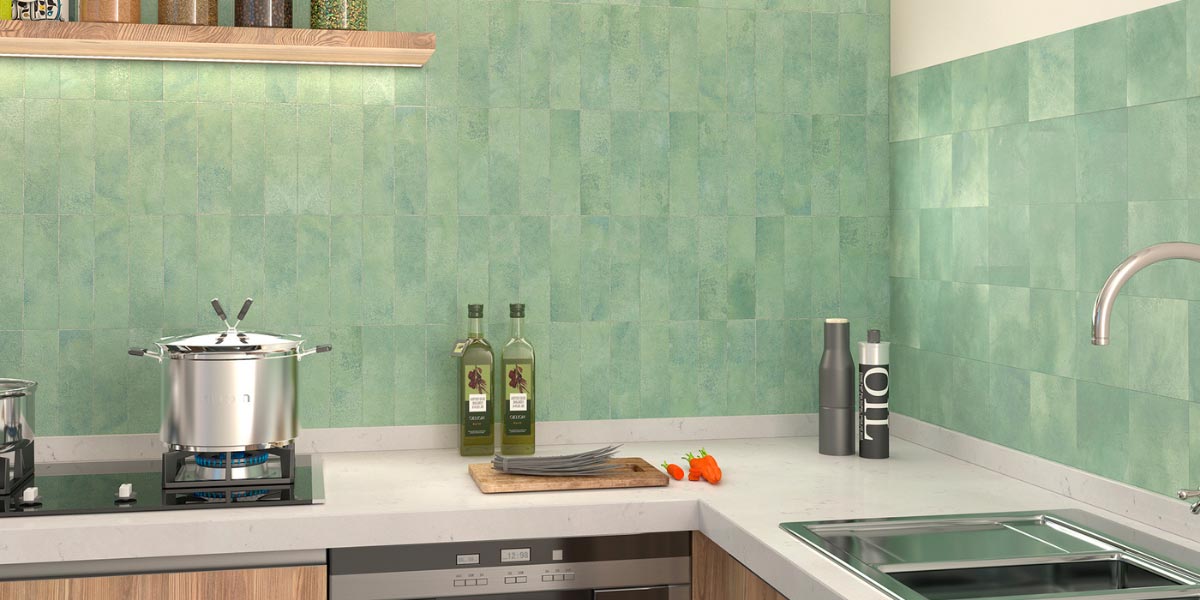
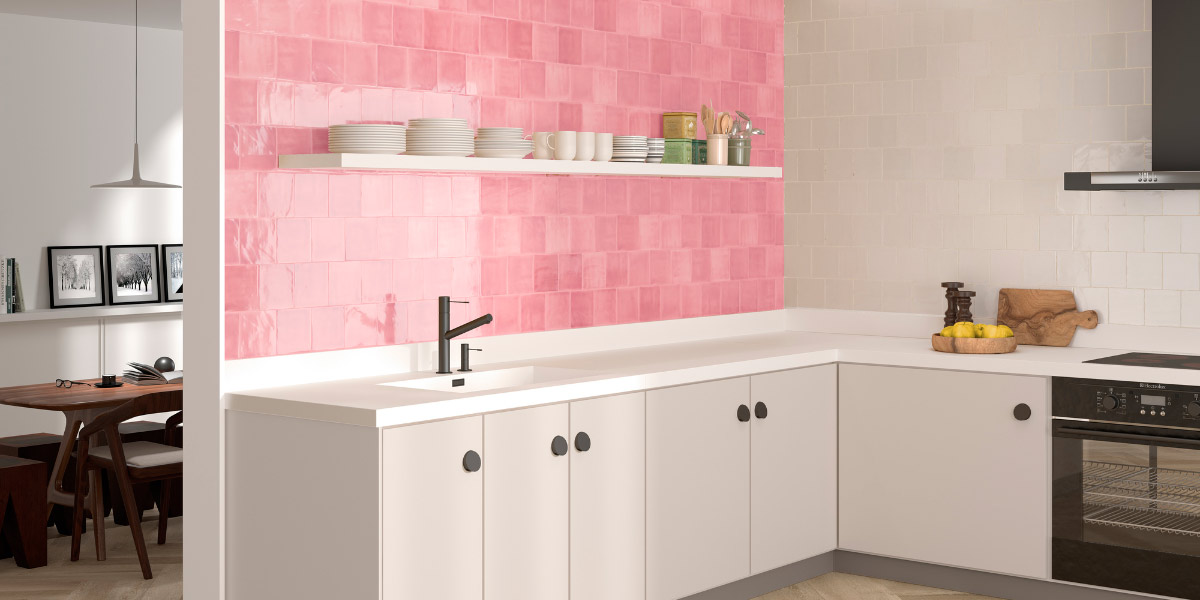
Incorporating bright colours such as green and pink into tiles for small kitchens is a great way to bring a fresh and original touch to the space. These tones, when used in moderation, can transform a small kitchen into a place full of personality and energy without visibly saturating the room.
Green, in its soft or intense variants, adds a sense of freshness and connection with nature, ideal for modern or vintage styles. Pink adds warmth and uniqueness, perfect for those looking for bold and creative design. To balance the use of these bright colours, it is recommended to combine them with neutral tones, thus achieving a harmonious design that enhances functionality and style in small kitchen design.
Additional tips for choosing tiles in small kitchens
When choosing tiles for small kitchens it is important to consider not only colour or style, but also other key factors that can make a difference to the perception of the space and daily functionality. Here are some essential tips:
1.- Consider the format of the tiles. In small kitchens, medium or large format tiles can help to reduce the number of visible joints, creating a wider and more continuous effect. This helps to make the space look more spacious and tidy. It is also advisable that tiles for small kitchens have a simple design that does not visually divide the surfaces.
2.- Opt for finishes that reflect light. Tiles with glossy or slightly satin finishes help to reflect light, which is essential in small spaces, especially if there is little natural light. These finishes enhance luminosity and improve the feeling of spaciousness in the room.
3.- Avoid overloaded patterns. Although eye-catching designs can be attractive, in the context of small kitchens it is better to use them sparingly. Overloaded patterns can make the space feel smaller or chaotic. If you like hydraulic tiles for small kitchens, for example, you can place them on just one wall as a decorative detail to create a focal point without overloading.
In short, every detail is important in small kitchens, and tiles are no exception. The right tile is not just a decorative element, it can completely change the perception of the space, bringing brightness, visual spaciousness and stylistic integrity. Choosing the right tiles for the kitchen means creating a functional and aesthetically balanced environment, adapted to the lifestyle and personal taste of each user.
It is about finding the right balance between aesthetics and practicality, where tiles not only embellish but also optimise the space. At Dune we understand this need and that is why we offer a careful selection of proposals designed specifically for small spaces. We invite you to explore our collections and discover the best tile ideas for small kitchens, designed to help you create a kitchen with character, functionality and style.