
Hydraulic tiles: tradition, design, and tips for incorporating them into your project
Hydraulic tiles are much more than just a decorative element: they represent a fusion of artisanal tradition, cultural richness, and timeless design. Emerging in the 19th century as a cost-effective alternative to marble or natural stone flooring, these tiles quickly became the protagonists of floors and walls in stately homes, modernist buildings, and public spaces.
Over time, their popularity waned but never disappeared completely. Today, hydraulic tiles are experiencing a well-deserved revival in the world of interior design and architecture, thanks to their ability to infuse any space with personality. Their geometric, floral, or arabesque patterns, matte finish, and vibrant or subdued color palette make them ideal for blending the classic with the contemporary, the nostalgic with the avant-garde.
In this article, we explore the world of hydraulic tiles from three key perspectives: their history and craftsmanship value, their potential as a design element, and the best tips for integrating them into your project in a harmonious, functional, and creative way. Whether you are renovating a kitchen, designing a characterful bathroom, or looking for a focal point in a commercial space, here you will find inspiration and the keys to success. Let’s begin!
What are hydraulic tiles?
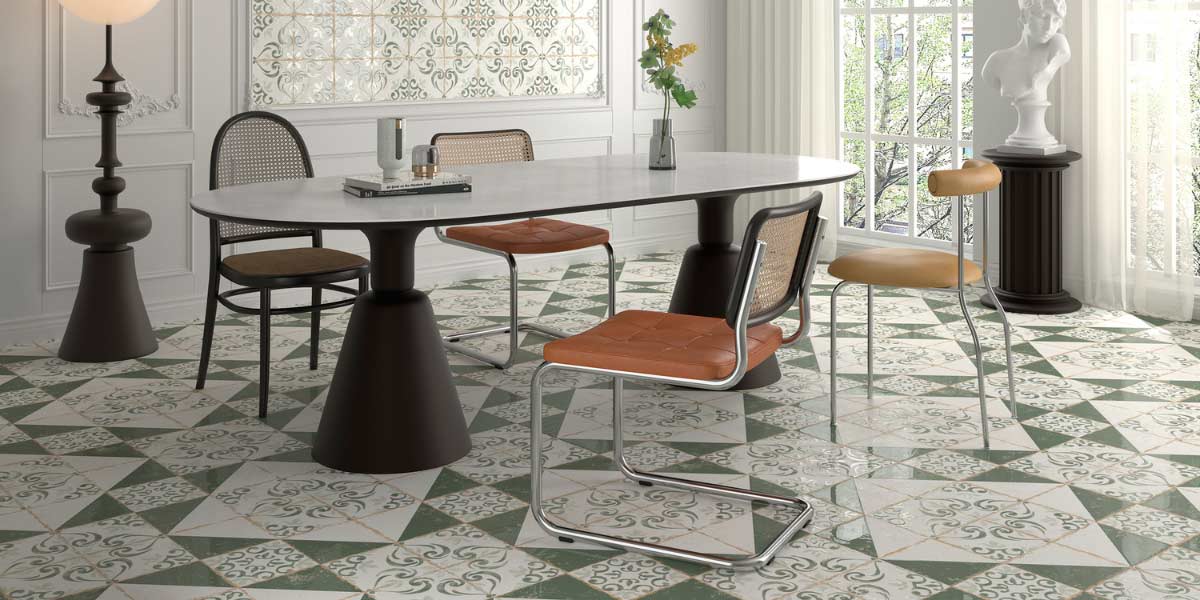
Hydraulic tiles are handcrafted tiles made of pigmented cement, known for their geometric, floral, or vintage designs. Today, they combine traditional aesthetics with current decorative trends, making them ideal for floors, walls, kitchens, bathrooms, and high-traffic areas.
Unlike traditional cement-based hydraulic tiles, ceramic hydraulic tiles are fired in industrial kilns, just like any other ceramic covering. This modern version replicates the decorative appearance of classic hydraulic tiles while offering the technical advantages of ceramics: higher resistance, lower porosity, and easier maintenance.
Compared to other conventional ceramic floorings, hydraulic tiles stand out for their decorative design, vintage style, and ability to add personality to any space—on both floors and walls.
History of hydraulic tiles
Hydraulic tiles originated in the mid-19th century in Southern Europe, especially in France and Spain, as an innovative decorative alternative to stone or marble floors.
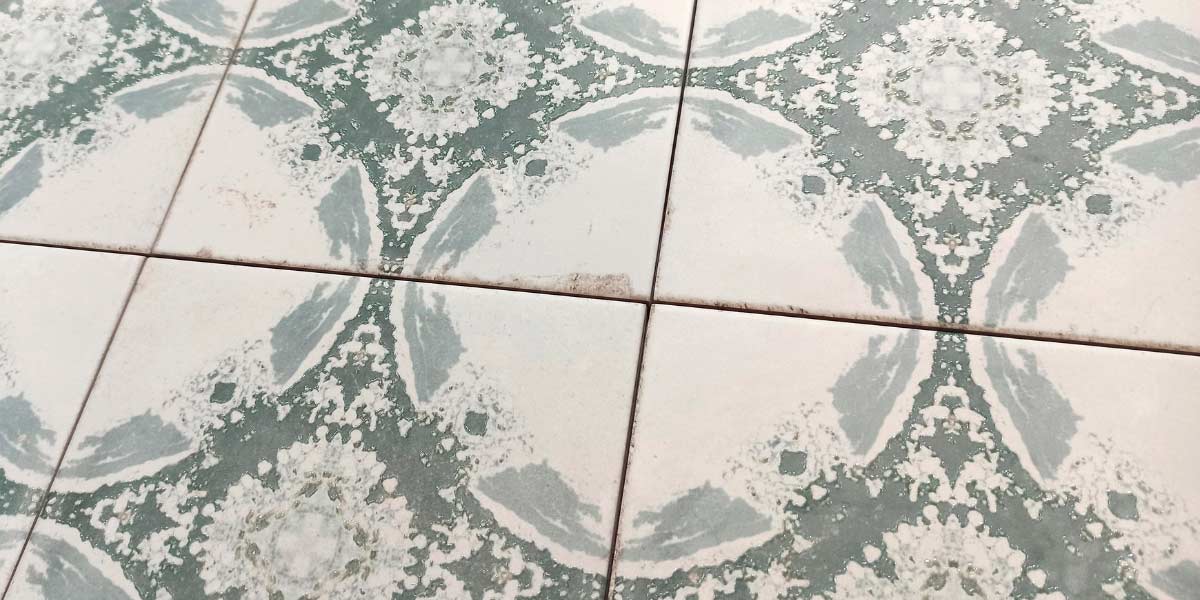
Originally made from pigmented cement pressed into metal molds, they quickly gained popularity thanks to their durability and colorful, artisanal designs. They reached their peak during the modernist architectural movement and are now making a comeback as decorative ceramic tiles, appreciated for their vintage style.
Hydraulic tiles stand out from other ceramic floorings due to their handcrafted character, rich ornamentation, and inspiration drawn from 19th-century traditional techniques. Unlike porcelain or glazed stoneware, hydraulic tiles do not imitate materials like stone or wood but instead embrace bold geometric, floral, and colorful patterns that bring personality to any space.
While many ceramic coverings prioritize functionality and visual uniformity, hydraulic tiles excel at creating unique spaces with strong identity. Their "handmade" appearance and vintage style make them a standout choice for floors, kitchens, bathrooms, or transitional areas. Moreover, today's ceramic hydraulic models—like those in our catalog—combine nostalgic charm with all the technical advantages of modern porcelain: strength, durability, and easy maintenance.
In this sense, if you're looking for a covering that blends history, design, and technical performance, hydraulic tiles are an excellent alternative to conventional flooring.
Origin in the 19th Century
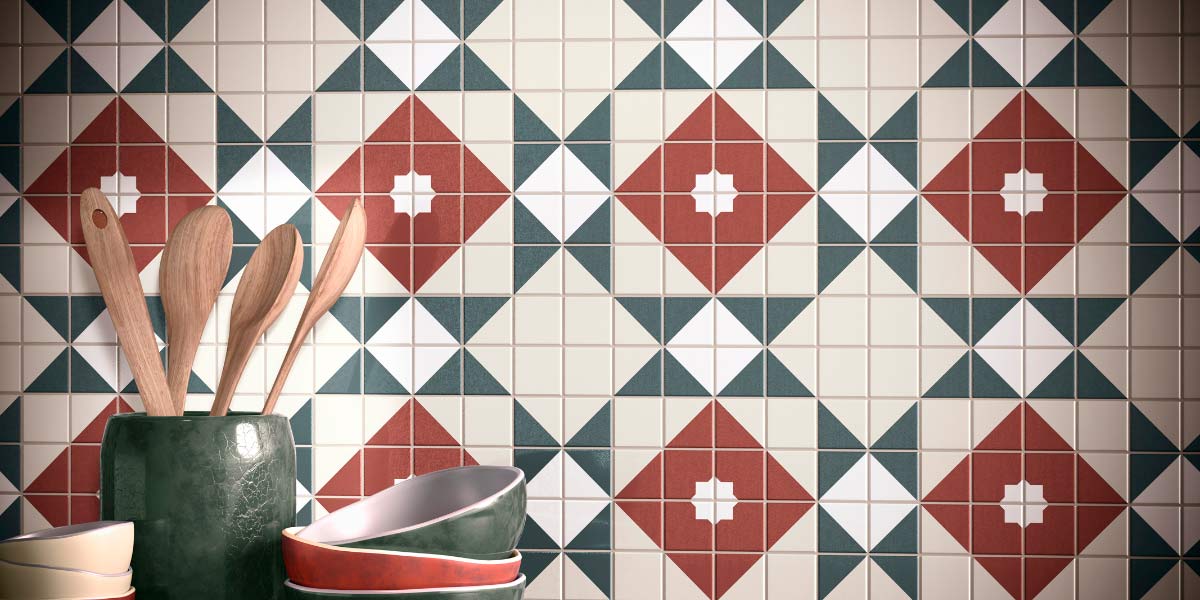
As previously mentioned, hydraulic tiles emerged in the mid-19th century in southern France as an innovative alternative to traditional flooring. Thanks to their manufacturing method, they quickly stood out for their durability and their ability to incorporate artistic and colorful designs.
With growing success, they soon spread throughout Spain, Italy, and other European countries, where they became a symbol of modernity and good taste—especially in the interior design of homes, public buildings, and commercial spaces. Today, their classic aesthetic continues to inspire ceramic collections that combine the charm of the past with the technology of the present.
Popularization during modernism
The true boom of hydraulic tiles in Spain came with the rise of Modernism at the end of the 19th and beginning of the 20th century. This artistic movement, which sought to unite art, functionality, and nature, found in hydraulic flooring the perfect medium to express creativity through geometric and floral designs.
In Catalonia, and especially in Barcelona, their use became widespread thanks to Modernist architects such as Gaudí, Domènech i Montaner, and Puig i Cadafalch, who integrated them into homes, shops, and emblematic buildings. Hydraulic tiles became key decorative elements, bringing color, dynamism, and a unique visual language to Modernist interiors. Today, many of these historic floors remain intact, demonstrating the timeless aesthetic value and durability of this type of surface covering.

Contemporary revival
In recent years, hydraulic tiles have experienced a remarkable resurgence and growing popularity in interior design and modern renovations. Their blend of tradition, artistic design, and functionality fits perfectly with today’s trends that value craftsmanship, sustainability, and uniqueness.
Today, designers and architects use these tiles to bring character and warmth to spaces such as kitchens, bathrooms, living rooms, and even facades. Moreover, new manufacturing techniques allow them to be adapted to contemporary styles, merging the classic with the modern. Hydraulic tiles are once again taking center stage, reinventing themselves to beautify any space with their distinctive historical and personal charm.
Characteristics and advantages of hydraulic tiles
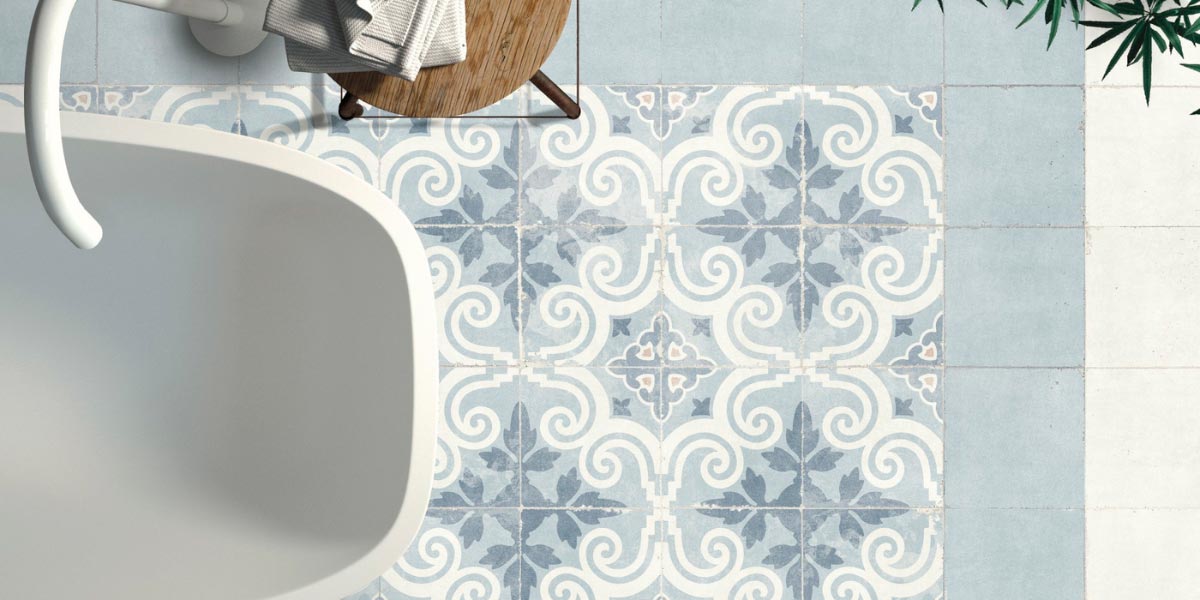
Hydraulic tiles are known for their vibrant designs and geometric or floral patterns that bring a distinctive, artistic character to any space. Their matte finish and unique texture set them apart from other more uniform and glossy ceramic coverings.
Among their advantages are high resistance to wear and the passage of time—ideal for high-traffic areas. In addition, their non-slip surface provides safety, especially in bathrooms and kitchens. These tiles add personality and warmth, making each environment visually appealing with an authentic handcrafted feel, without compromising on functionality.
Variety of designs and colors
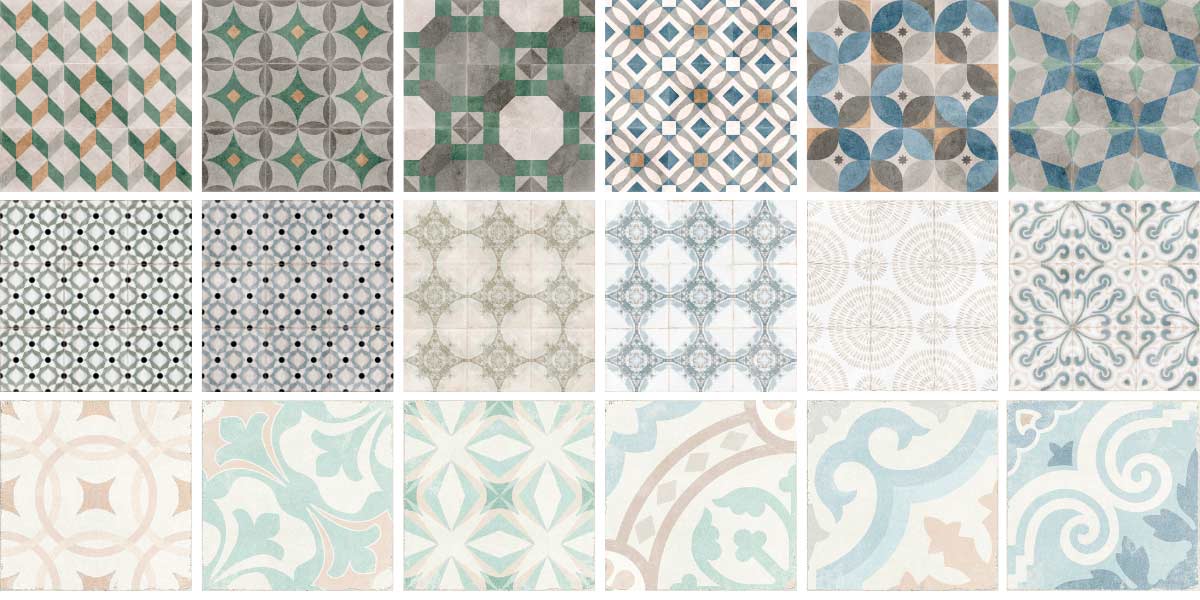
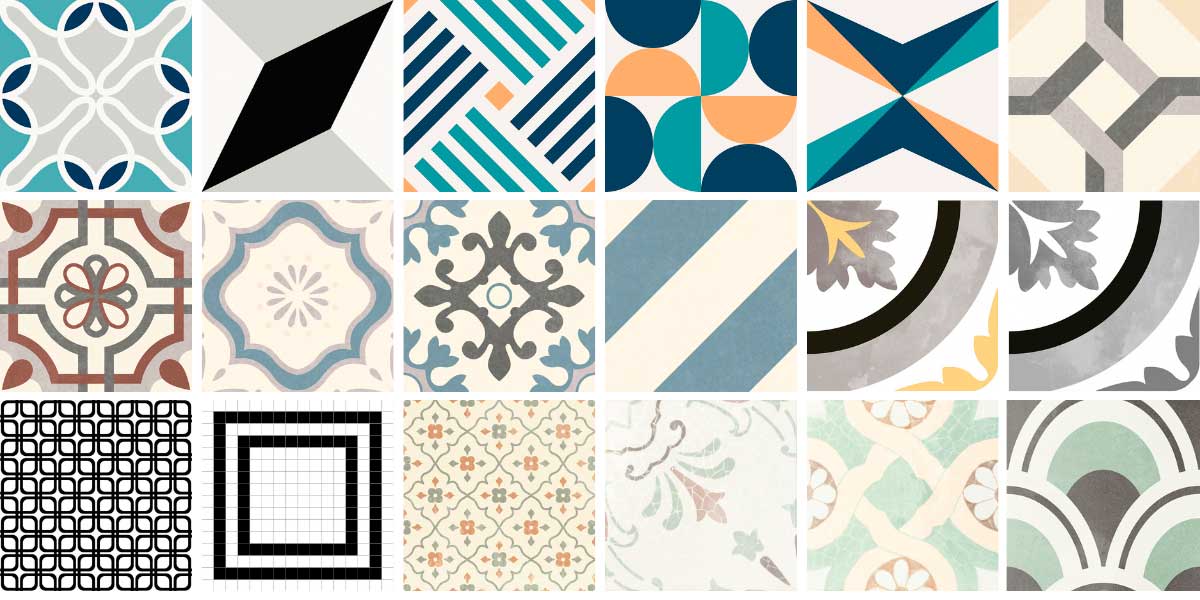
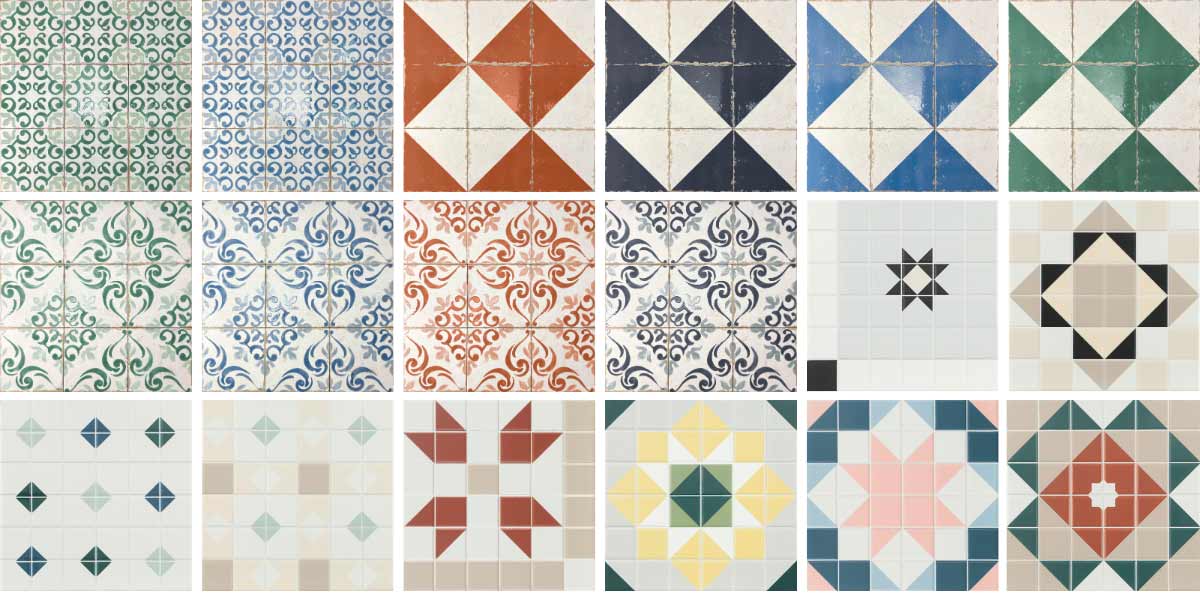
One of the greatest strengths of hydraulic tiles is their rich visual appeal, achieved through today’s innovative production techniques. Available in a wide range of geometric, floral, arabesque, or classical motifs, they allow for decorative compositions ranging from the most traditional to the most contemporary.
In terms of color, the palette spans from soft, powdery tones to bold and contrasting combinations, making them easy to integrate into diverse styles such as rustic, Mediterranean, vintage, or industrial. This aesthetic versatility makes hydraulic tiles a highly appreciated decorative option in both restoration projects and modern interior design.
Durability and resistance
Modern hydraulic tiles offer excellent durability and wear resistance, making them ideal for high-traffic areas such as kitchens, bathrooms, hallways, or entryways. Unlike the original cement versions, modern ceramic hydraulic tiles combine handcrafted aesthetics with the advanced technical features of today's ceramic technology.
They are resistant to moisture, cleaning products, and temperature changes, ensuring a long lifespan with minimal maintenance. This makes them a highly practical option for both renovations and new construction projects.
Where can hydraulic-style tiles be installed? Room-by-room possibilities
One of the greatest strengths of hydraulic-style tiles is their incredible versatility. Thanks to their durability, timeless aesthetics, and ability to adapt to various decorative styles, this type of covering can be used in virtually any room in the home—and beyond.
Although traditionally associated with kitchen floors or vintage-style hallways, hydraulic tiles are now making their way into new spaces with fresh and innovative proposals, whether in classic or contemporary settings.
Whether used as the main flooring, a decorative accent, or a way to define areas, their creative potential is endless. Below, we explore the main rooms where you can incorporate hydraulic-style tiles and how to make the most of their design, texture, and color. From bathrooms to entryways, including outdoor areas, discover all the possibilities these tiles can bring to your project.
Ideas for integrating hydraulic tiles in the kitchen
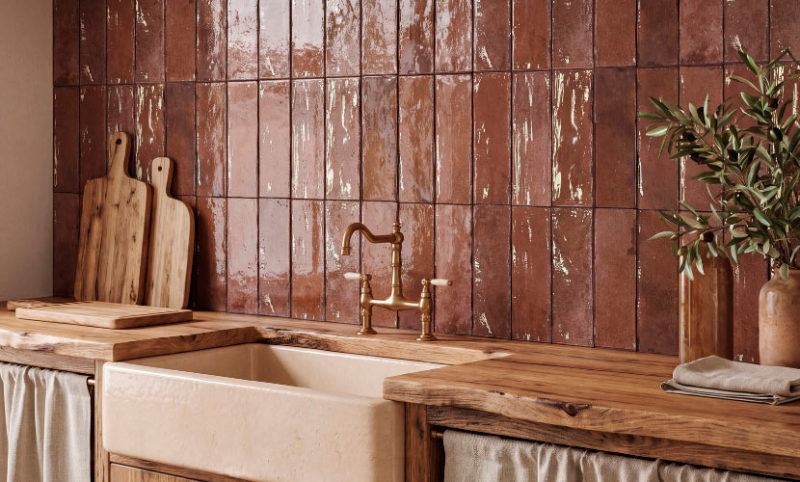
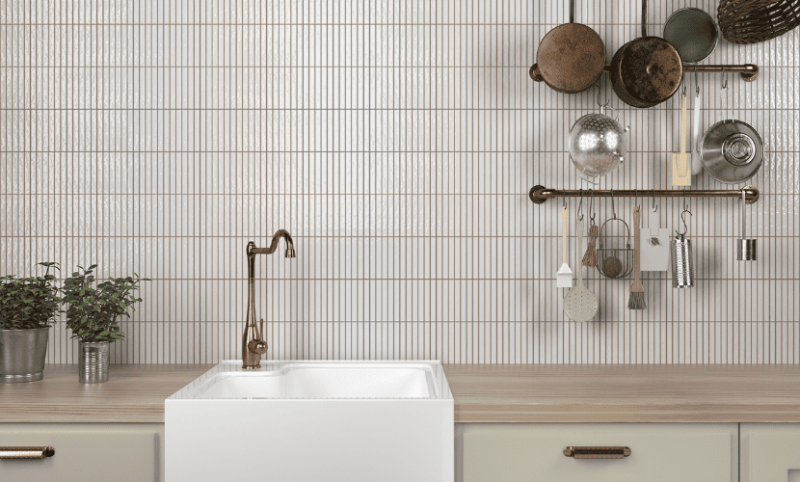
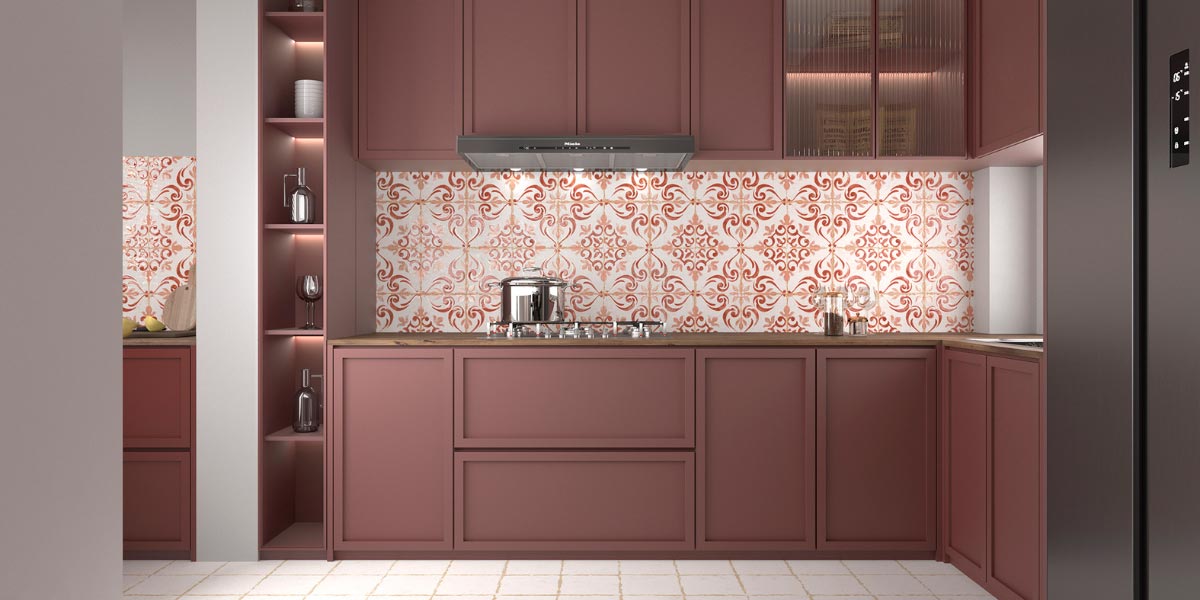
1.- Visually striking backsplash. Install hydraulic tiles on the backsplash area to make it a focal point. Geometric patterns in black and white or contrasting tones add depth to a minimalist design. This technique enhances the kitchen’s character without overwhelming it visually.
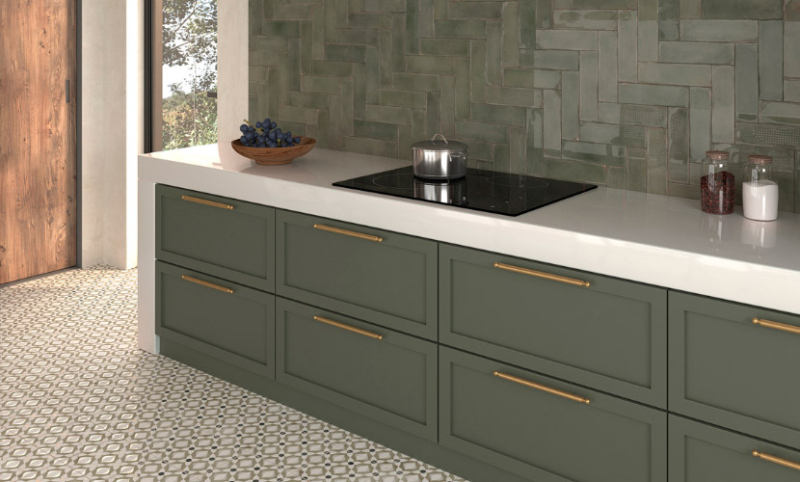
2.- Floor with personality. Covering the kitchen floor with hydraulic tiles can completely transform the space. Floral or geometric designs bring energy to the environment, while a grey or earth-toned palette creates a warmer, more balanced atmosphere. Plus, they’re durable and easy to clean.
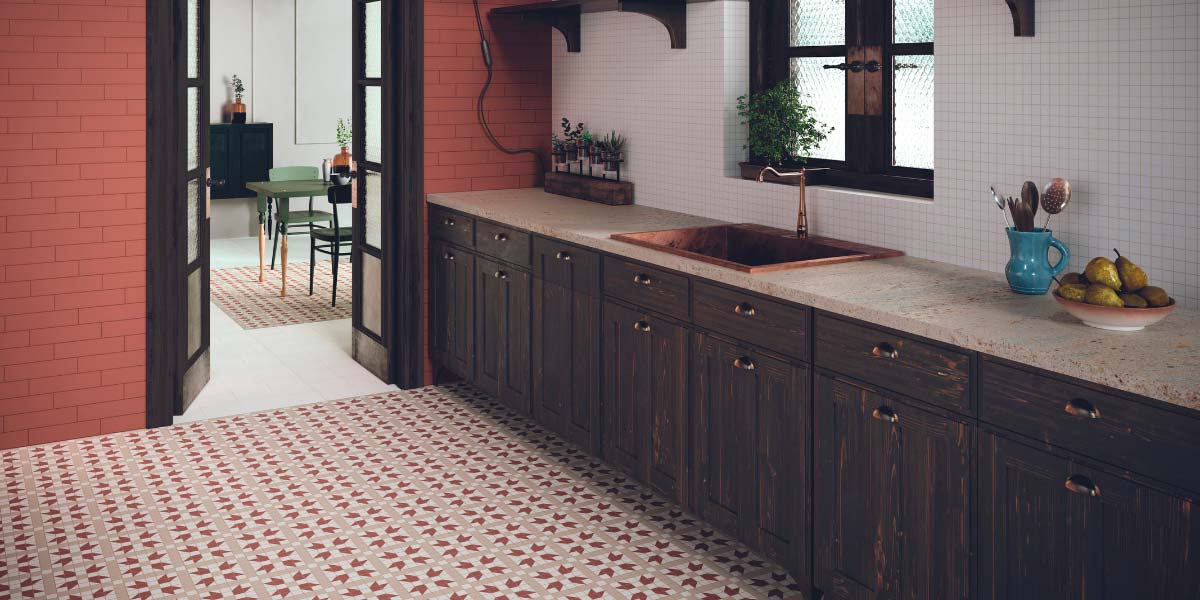
3.- Ceramic rug in defined areas. Create a visual “rug” with hydraulic tiles in key zones, such as by the sink or in front of the stove. Surrounded by neutral flooring, this approach adds interest and functionality without visual clutter.
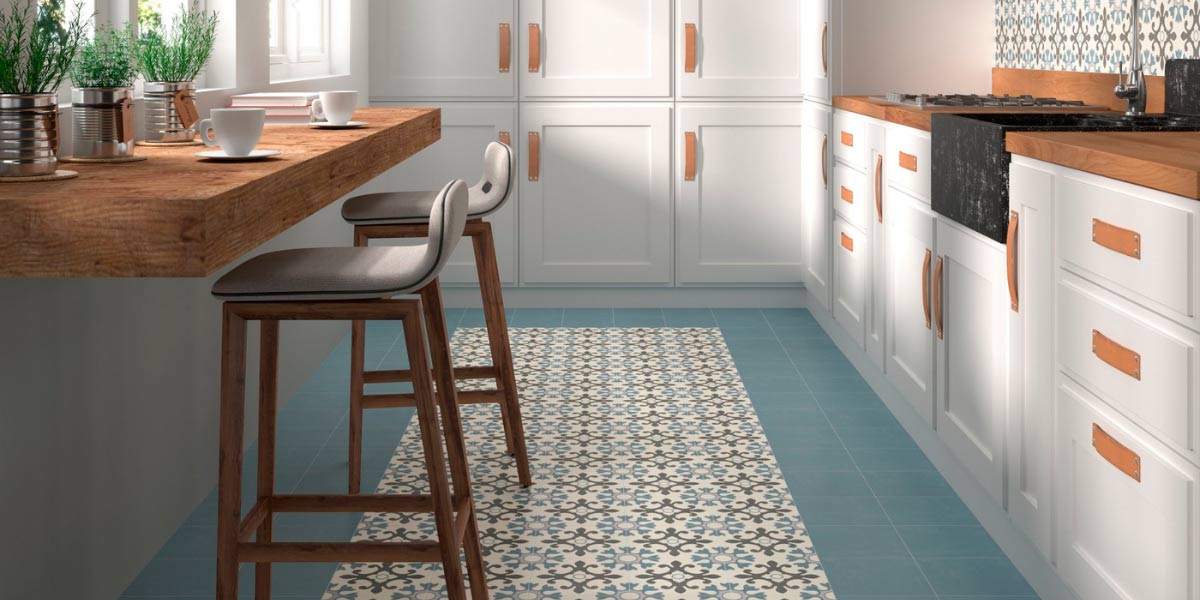
4.- Island or bar front. Cladding the base of the island or kitchen bar with hydraulic tiles adds a retro and cozy touch. The patterns enliven the space and make it more welcoming—perfect for open or integrated kitchens.
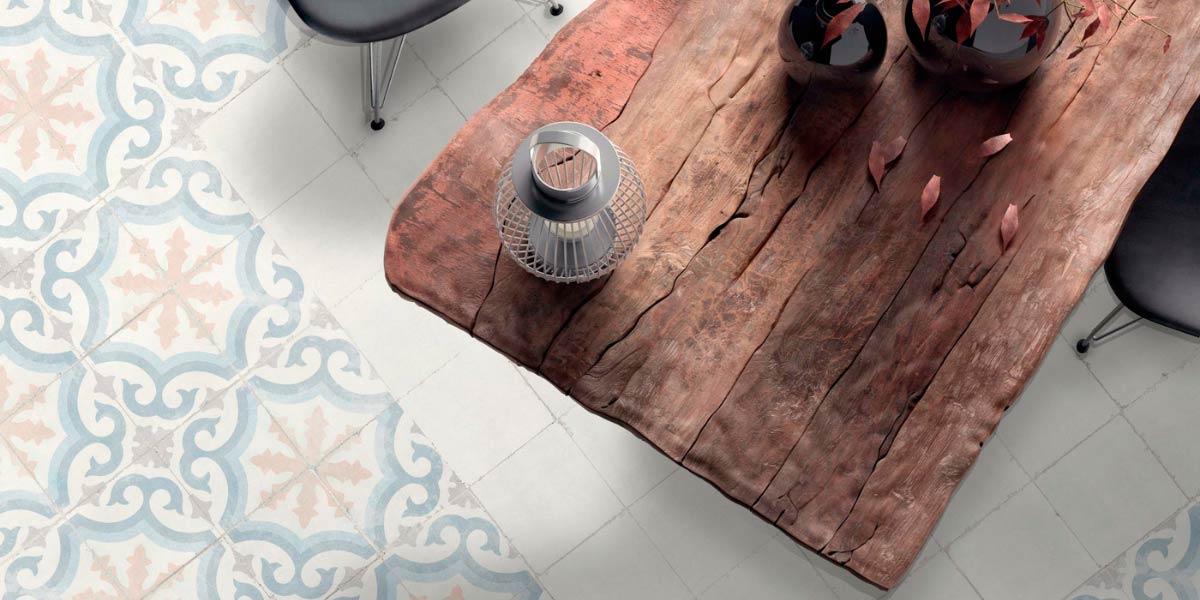
5.- Contrasting details. Use hydraulic tiles in specific spots—on a column, baseboard, or shelf—combined with neutral finishes. This way, tiles stand out as decorative accents without being overpowering.
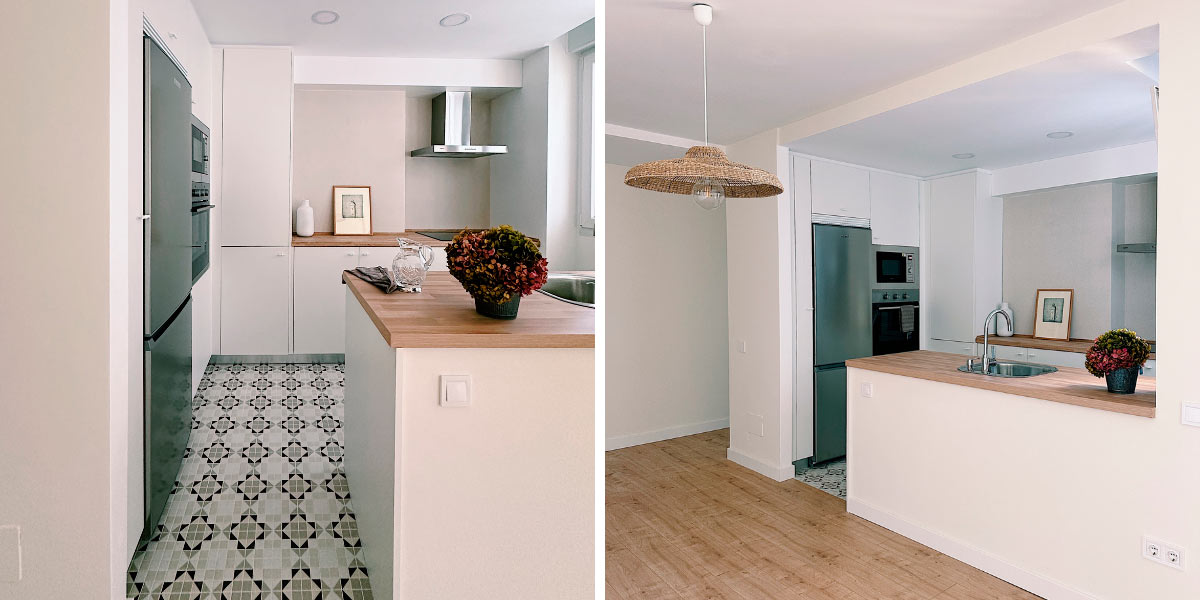
If you love retro style, check out our article on how to incorporate hydraulic tiles in retro-style kitchen decor, where you’ll find all the keys and tips to achieve it.
Hydraulic tiles for bathrooms
The bathroom is one of the best spaces to incorporate hydraulic tiles, as it allows you to play with textures, patterns, and colors without sacrificing functionality. Their resistance to humidity and wear, combined with strong aesthetic value, makes them an ideal solution to transform an ordinary bathroom into a space with a unique identity.
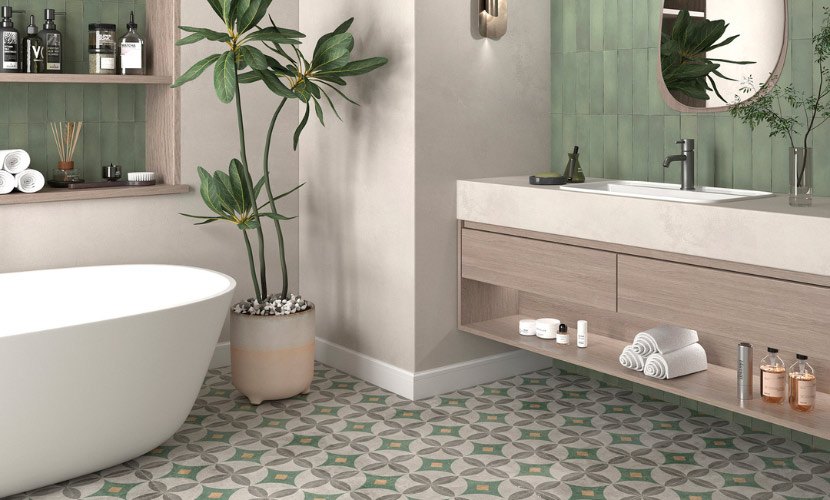
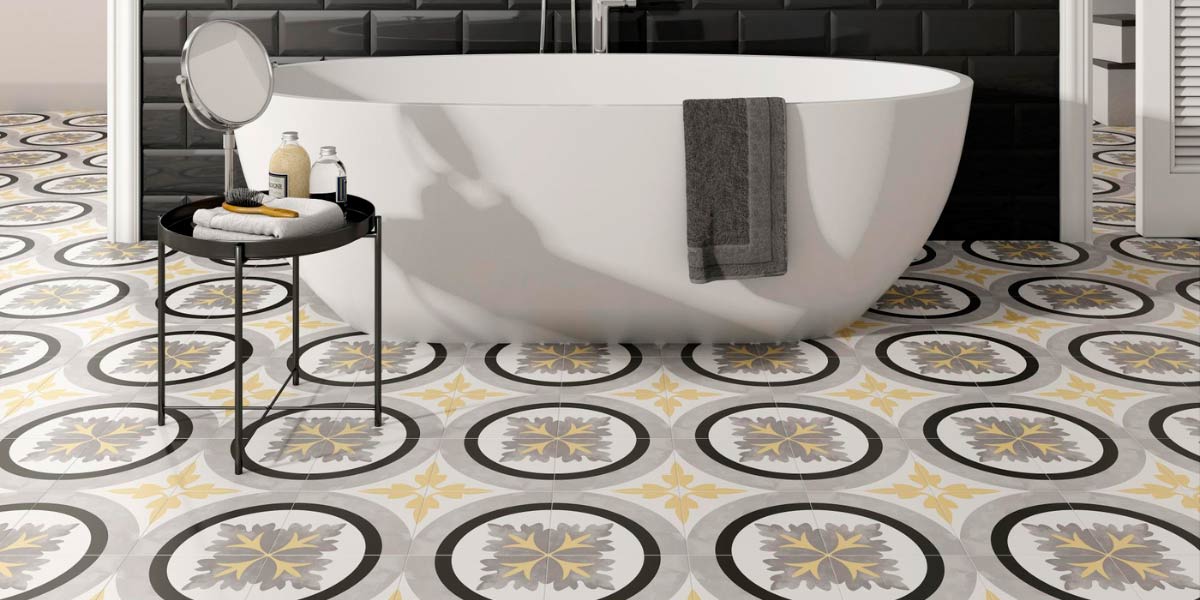
1.- Full floor with personality. Using hydraulic tiles across the entire bathroom floor is an effective way to add character without overwhelming the walls. Choose geometric or floral patterns in soft tones to maintain a sense of spaciousness and cleanliness.
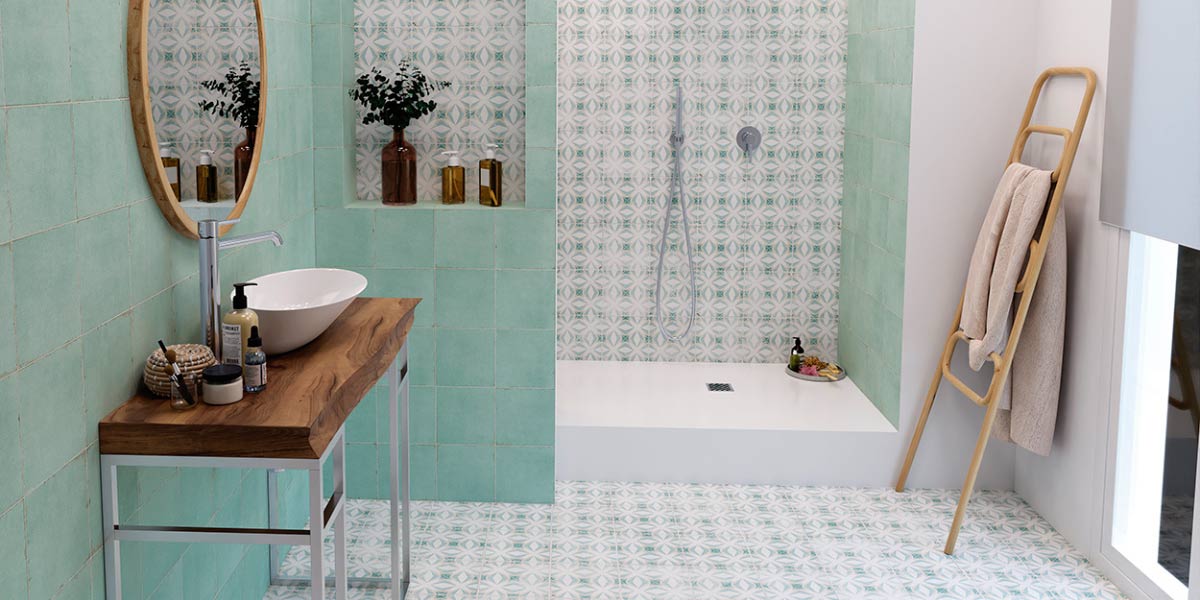
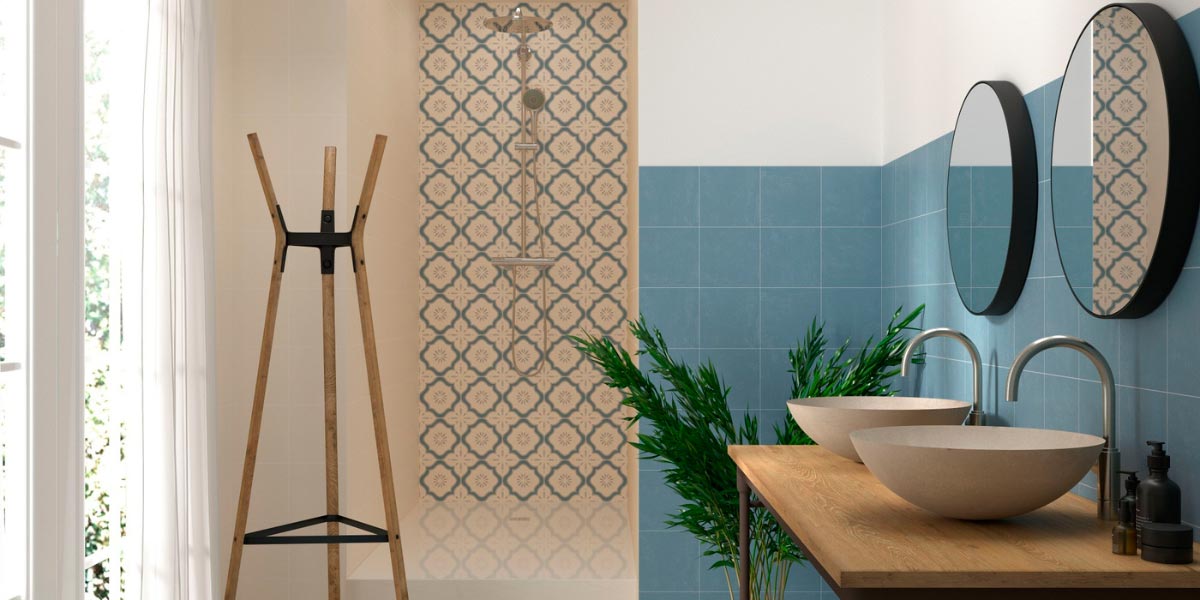
2.- Defined shower area. Cladding only the shower zone with hydraulic tiles is an excellent way to define a functional area without building partitions. The contrast with the rest of the bathroom creates a modern and dynamic visual effect.
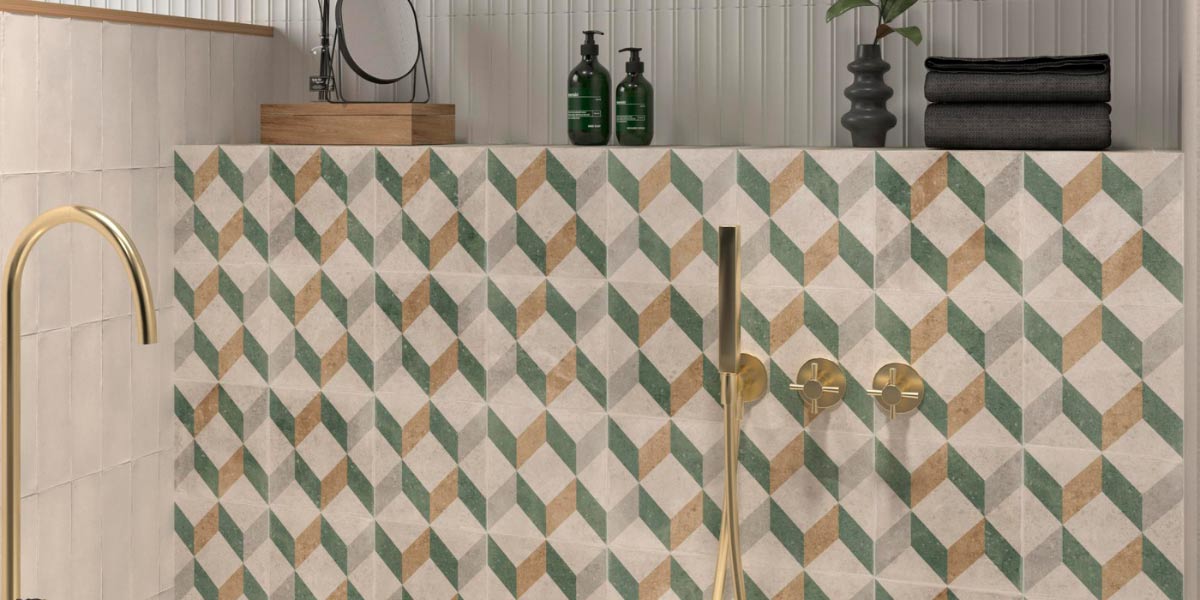
3.- Decorative sink wall. Applying hydraulic tiles to the wall behind the sink, like a vertical backsplash, protects the surface and adds an artistic touch that enhances even the simplest bathrooms.
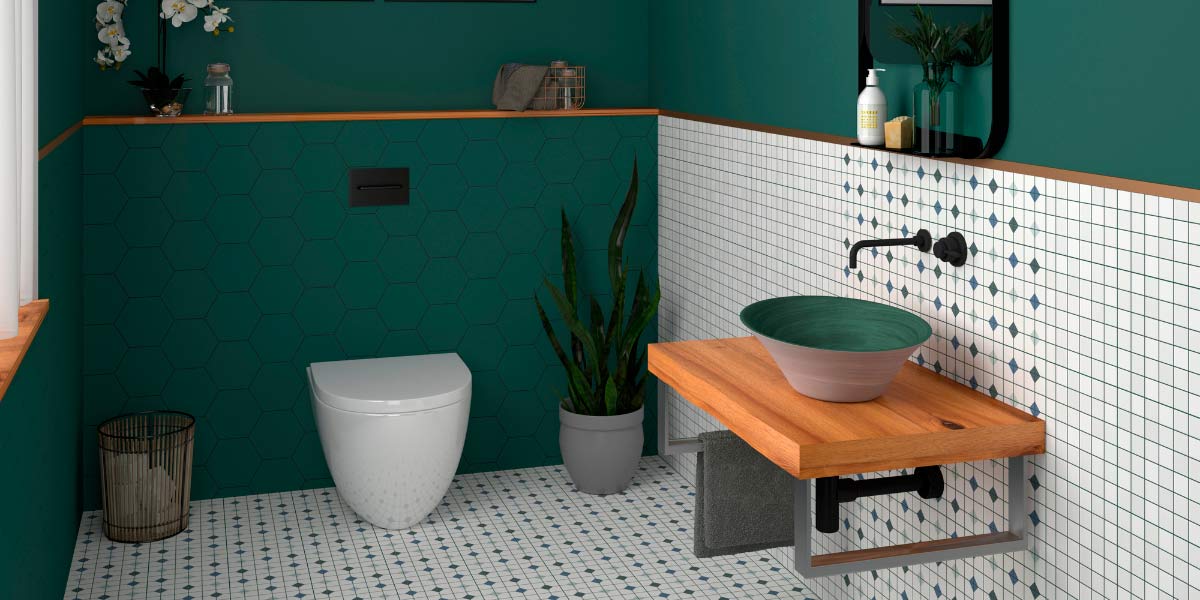
4.- Combination with plain tiles or marble. Mixing hydraulic tiles with plain coverings or noble materials like marble or stone creates a balanced play of textures. Ideal for bathrooms seeking a sophisticated aesthetic with a handcrafted touch.
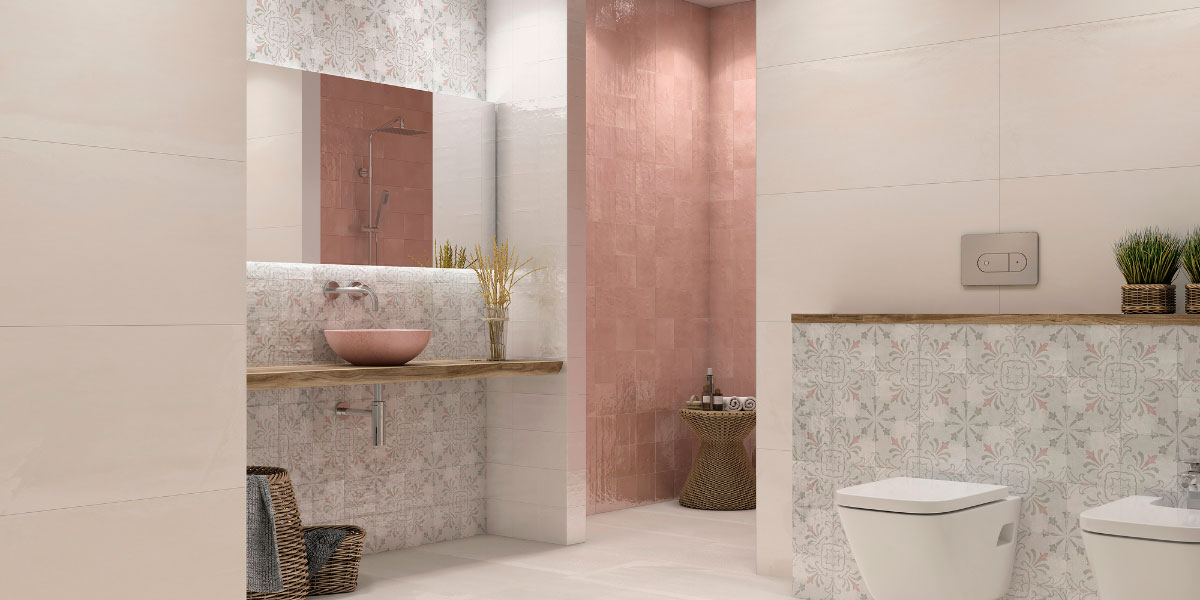
5.- Ceramic rug on the floor. Create a “rug” effect using hydraulic tiles in the bathroom entrance, in front of the sink, or on the shower wall, surrounded by neutral flooring. It’s a stylish and practical way to highlight specific zones.
6.- Bathtub front covering. If you have a freestanding or built-in bathtub, cladding its front with hydraulic tiles frames the element and turns it into a decorative focal point.
Hydraulic tiles in living rooms and hallways
Hydraulic tiles are perfect for adding a unique and sophisticated touch to living rooms and hallways, turning these transitional spaces into true highlights of the home. In living rooms, they can be used to create “ceramic rugs” that define lounge or dining areas, adding color and texture while maintaining a warm atmosphere.
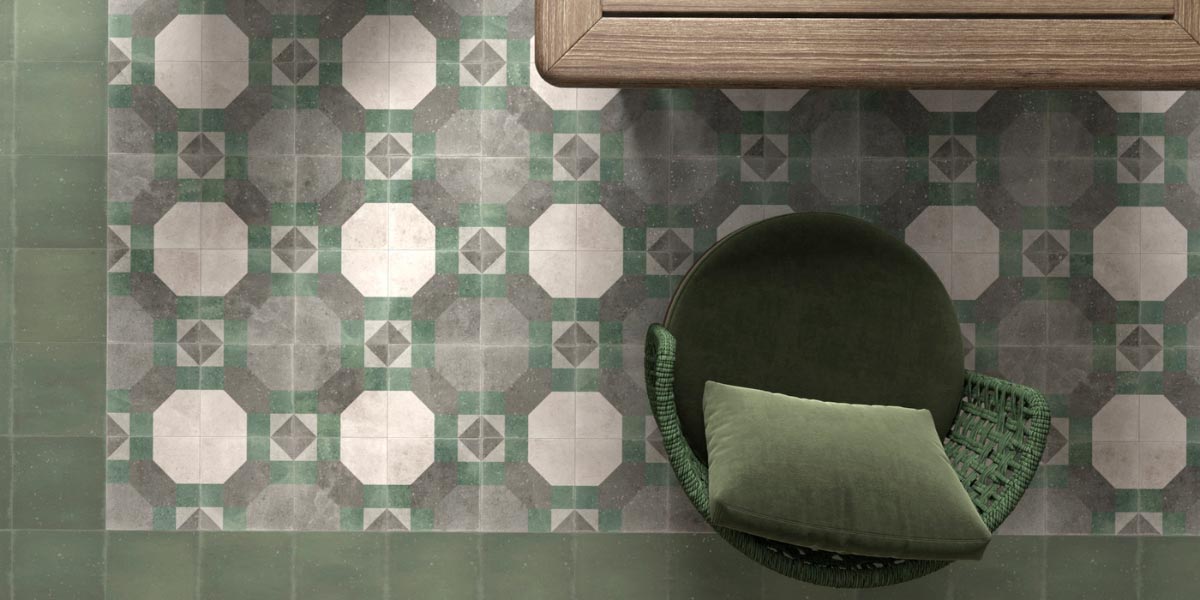
In hallways and entryways, their resistance to heavy foot traffic combines with their strong visual impact, creating a welcoming feel full of style and tradition. Additionally, their colorful geometric patterns break monotony and add dynamism, bringing character even to narrow or long spaces.
Outdoor hydraulic flooring
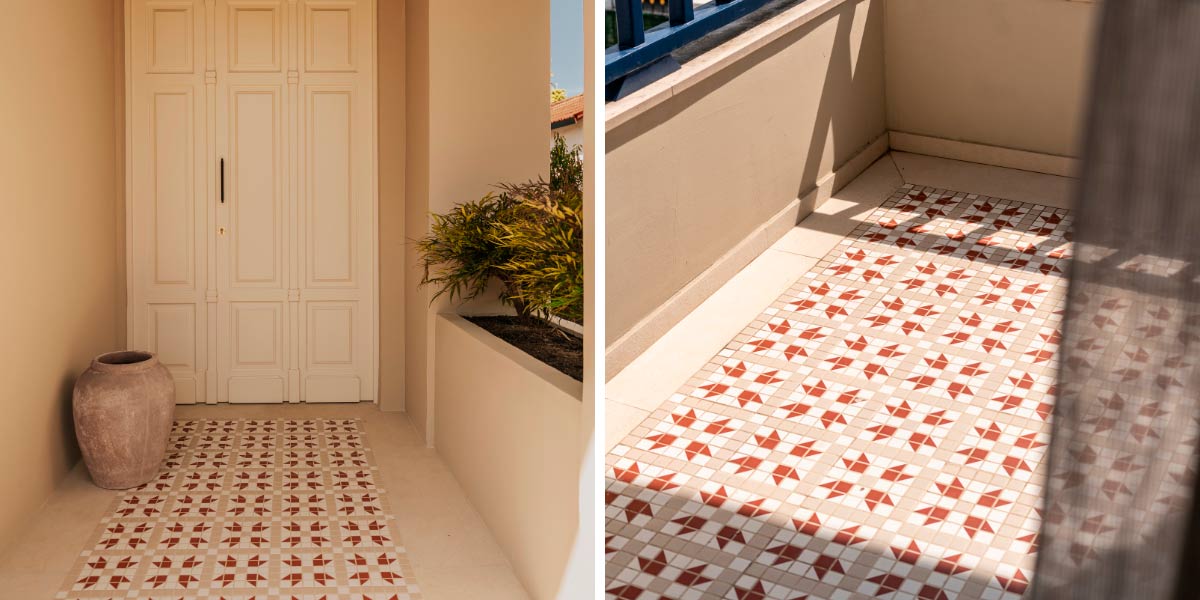
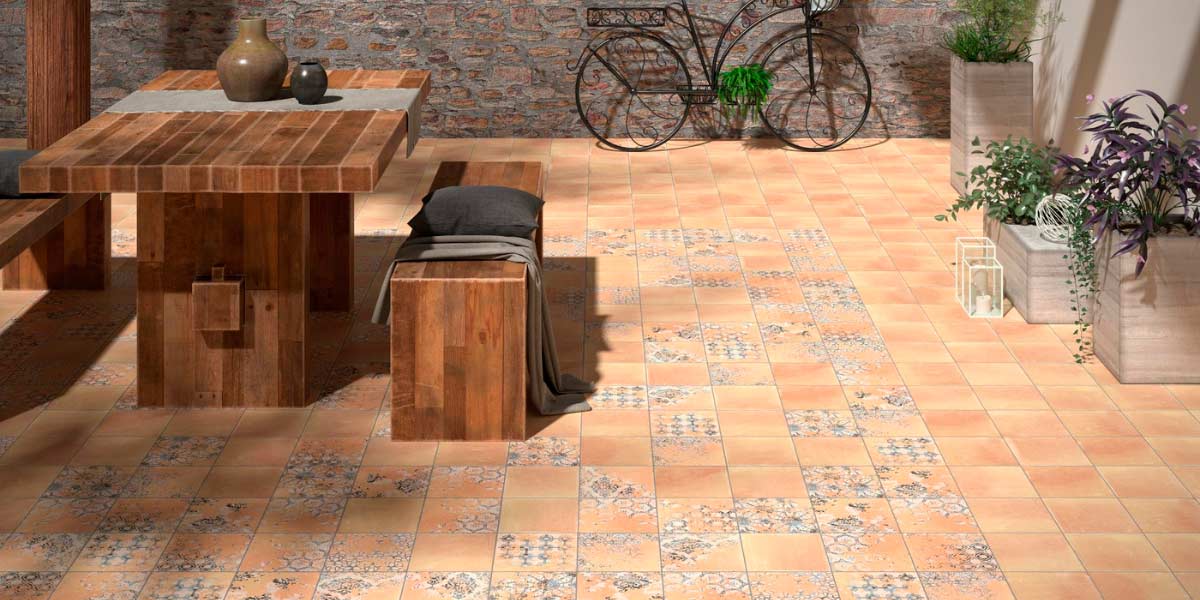
Hydraulic tiles are an excellent choice for terraces and patios, as they are designed to withstand outdoor conditions such as constant sunlight, humidity, and temperature fluctuations. This makes them a durable and functional solution to enhance these spaces. Their vibrant patterns and colors add warmth and personality, creating inviting, lively environments that encourage enjoying the outdoors with both style and tradition.
Ideas for incorporating hydraulic tiles in commercial spaces
In commercial design projects, using hydraulic tiles in entrance areas is a great way to create a striking reception and make a memorable first impression. Whether applied to floors or walls, they help set the aesthetic tone of the space and visually attract customers from the very first step.
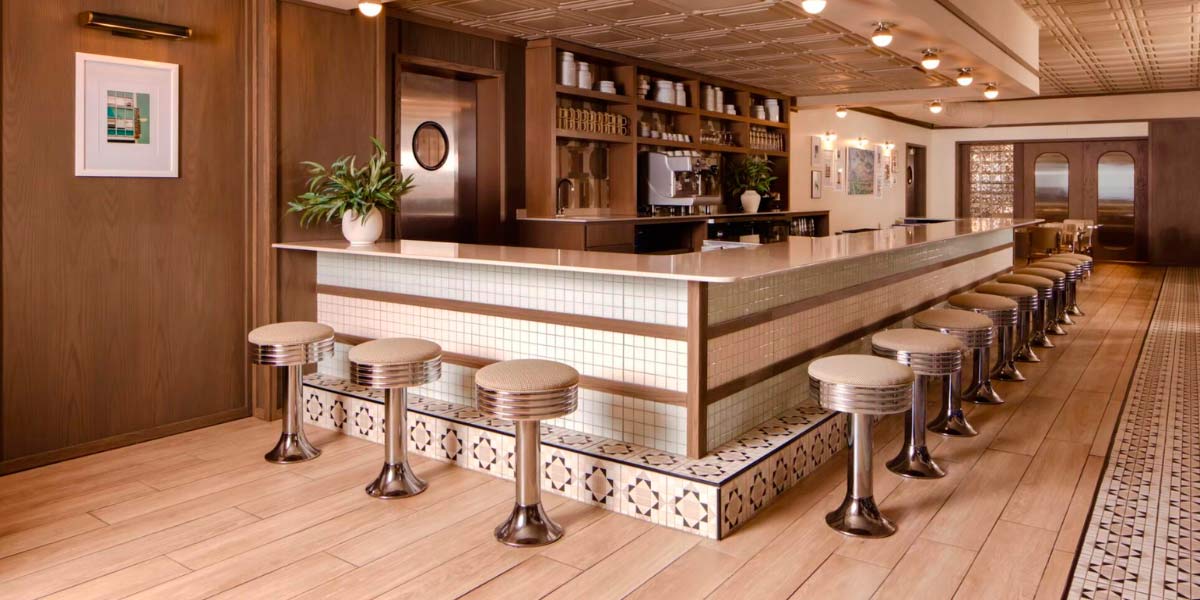
Another option is to create ceramic rugs in waiting or transition areas, visually defining zones such as lobbies, hallways, or circulation paths through compositions of hydraulic tiles. This technique provides structure and direction without physical barriers. Cladding the front of the counter or bar with hydraulic tiles is also a great idea—it adds texture, color, and a handcrafted touch. It's ideal for cafés, restaurants, boutique shops, or design studios looking to highlight their attention to detail.
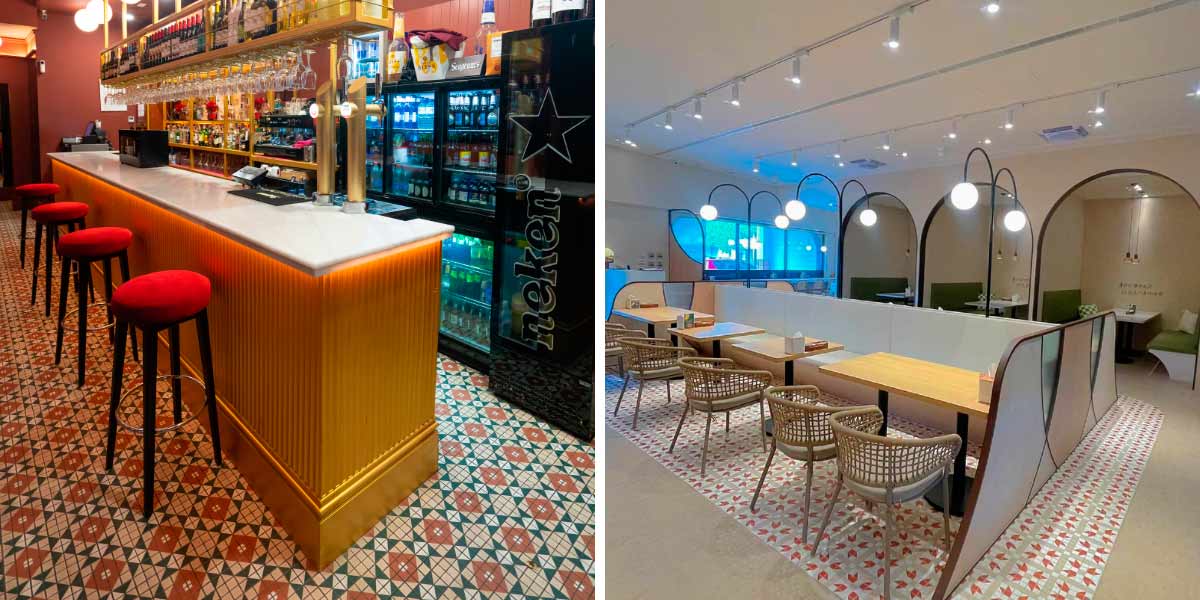
In fashion boutiques or concept stores, incorporating hydraulic tiles on the floors or walls of fitting rooms adds distinction. It creates a more welcoming and Instagrammable experience that aligns with the space’s branding.
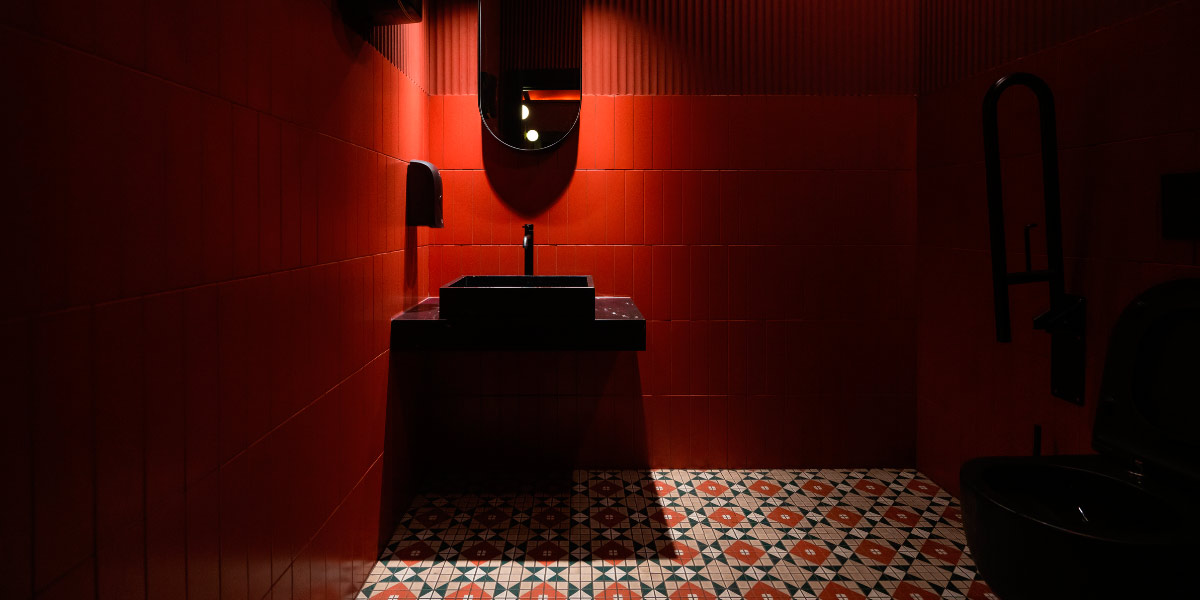
And of course, if the commercial space includes a bathroom, it’s the perfect area to give it a unique, character-filled touch that won’t go unnoticed. Cladding it with hydraulic tiles—on floors, walls, or decorative details—reflects visual consistency and a thoughtful approach to design, even in the least visible areas.
To let hydraulic tiles shine without overwhelming the space, the best approach is to combine them with neutral-toned materials and furnishings: light woods, natural fibers, soft whites or greys. This allows the floor or wall covering to become the focal point without competing with the rest of the decor. Hydraulic tiles are more than just decorative coverings—they are pieces with history, character, and a timeless aesthetic that has successfully reinvented itself. From their artisanal origins in the 19th century to their current place in modern interior design trends, they have proven to be far more than a passing fad.
Their versatility, durability, and visual richness make them a smart choice for anyone seeking a home with identity, warmth, and personal style. Whether in kitchens, bathrooms, living rooms, or terraces, hydraulic tiles offer the perfect balance between tradition and contemporary design. If you’re thinking of renovating your space, consider hydraulic tiles as a key element—because decorating with them not only enhances your home, it fills it with history, authenticity, and personality.