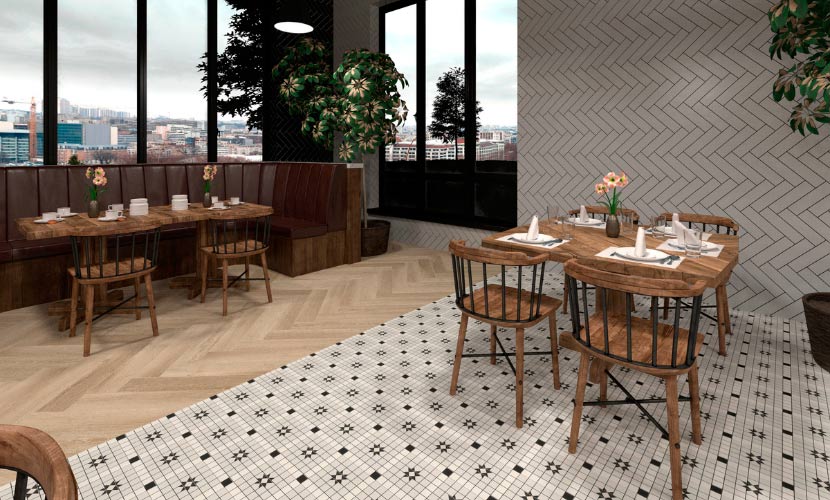

Tiles that organize space: ideas to make the most of every room
When we think about the layout of a home, the first things that come to mind are the furnishings: the sofa that defines the living room, the island that organizes the kitchen, or the bookshelf that separates areas. However, the true elements that structure a space from its foundation are the floor and the walls. Ceramic flooring and wall coverings do more than fulfill an aesthetic function.
When carefully chosen and strategically installed, tiles can visually enlarge a room, connect spaces to create continuity, divide areas without the need for partitions, bring in light and depth, and even clearly define the function of each area within the same space. A continuous floor can unify the living room and kitchen within an open-plan concept, while a change in format or finish can subtly mark the transition between zones. Likewise, a decorative wall covering on a specific wall can turn it into a focal point and visually reorganize the entire room.
In this article, you will discover how to use tiles, ceramic flooring, and wall coverings to transform your spaces, optimize their layout, and make the most of every room in your home.
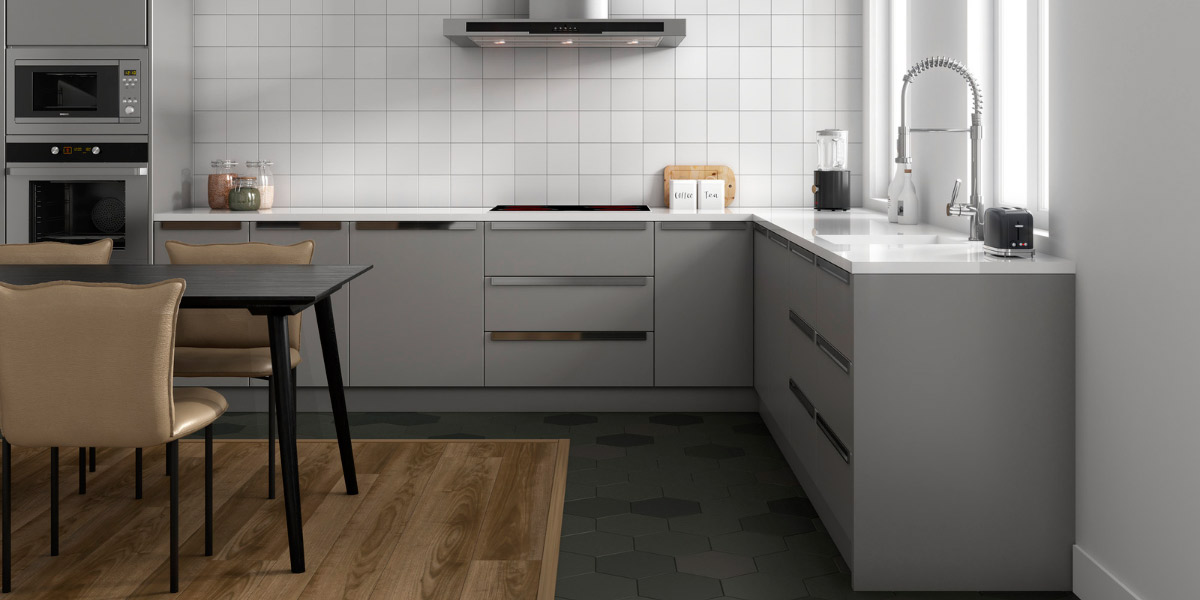
Flooring as the foundation for organizing a room
Flooring is one of the most decisive elements when it comes to visually organizing a room, even though it often goes unnoticed. The floor acts as a continuous base that supports the entire interior design, and its selection directly influences how we perceive the size, brightness, and layout of a space. Well-chosen flooring can make a room feel larger, create a more balanced atmosphere, or allow transitions between areas to feel natural and harmonious. As a large and permanent surface, the floor becomes the common thread of the entire design, creating a sense of coherence that helps spaces function better both aesthetically and practically.
When the goal is to make the most of a room, flooring allows for a clear visual structure without altering the architecture or resorting to invasive elements. In open-plan homes, for example, the floor plays a key role because it can either unify spaces and create continuity or define boundaries and divide functional areas without building walls. Ceramic materials, especially porcelain stoneware, offer enormous versatility for achieving these effects thanks to their wide range of finishes, formats, and designs, making them particularly suitable for organizing modern and functional interiors.
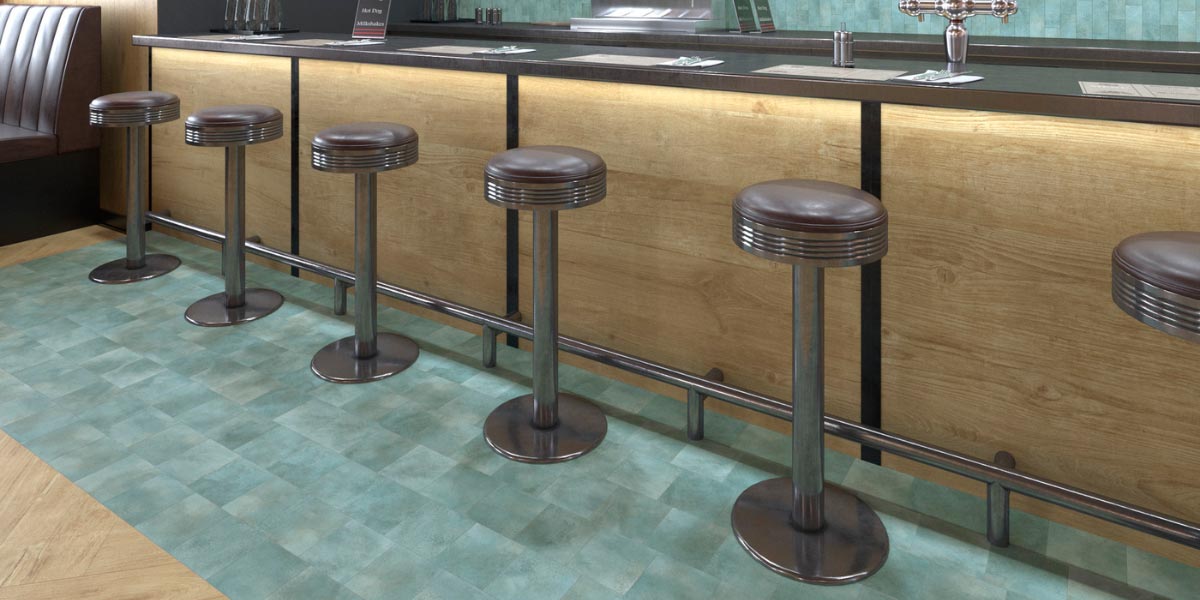
Continuous flooring to unify spaces
In contemporary interior design projects, it is increasingly common to opt for open spaces where the kitchen, dining room, and living room coexist within the same environment. This type of layout brings spaciousness, brightness, and a stronger sense of connection within the home, but it also requires thoughtful decisions to ensure the overall result feels balanced. In this context, using continuous flooring is one of the most effective solutions for unifying spaces, as it allows the eye to move seamlessly and creates a perception of greater openness.
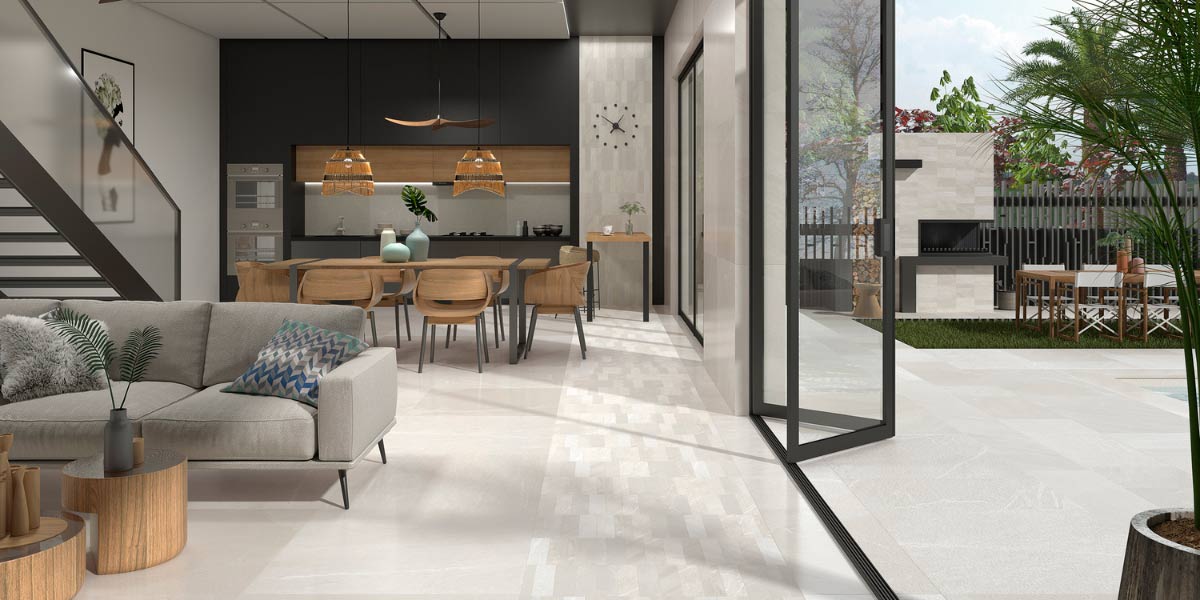
When the same flooring runs throughout the entire area, the sense of fragmentation disappears and the space feels larger, more orderly, and cleaner. This approach works especially well in small homes or in areas where enhancing natural light is important, since continuous flooring avoids visual interruptions that might reduce the sense of depth. In addition, continuous flooring reinforces a cohesive decorative style, bringing harmony and unifying the overall aesthetic.
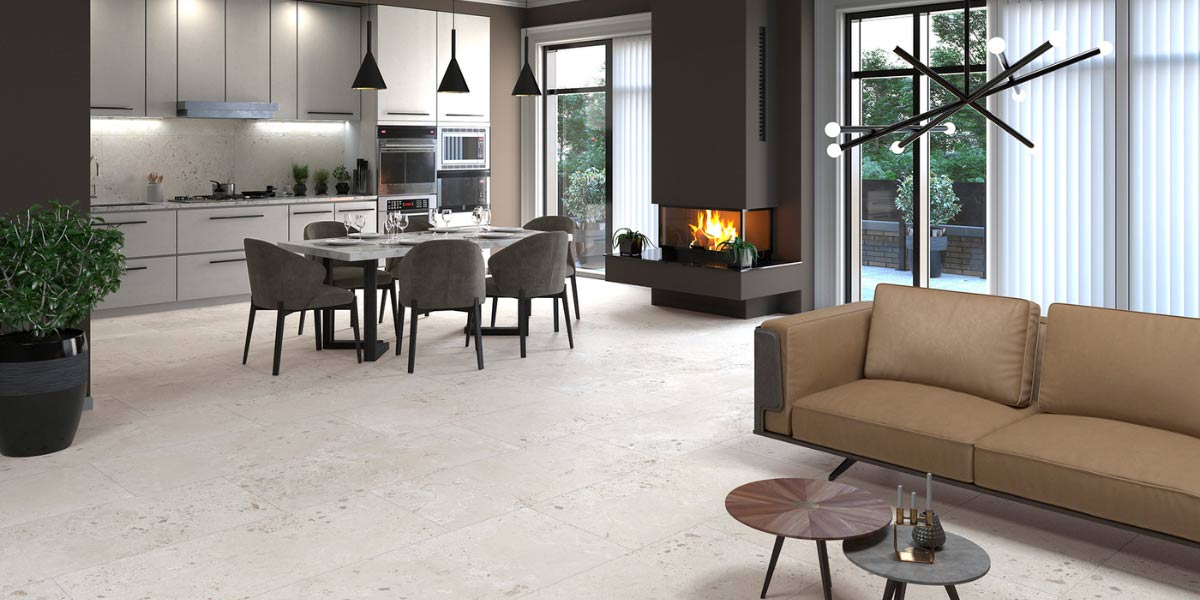
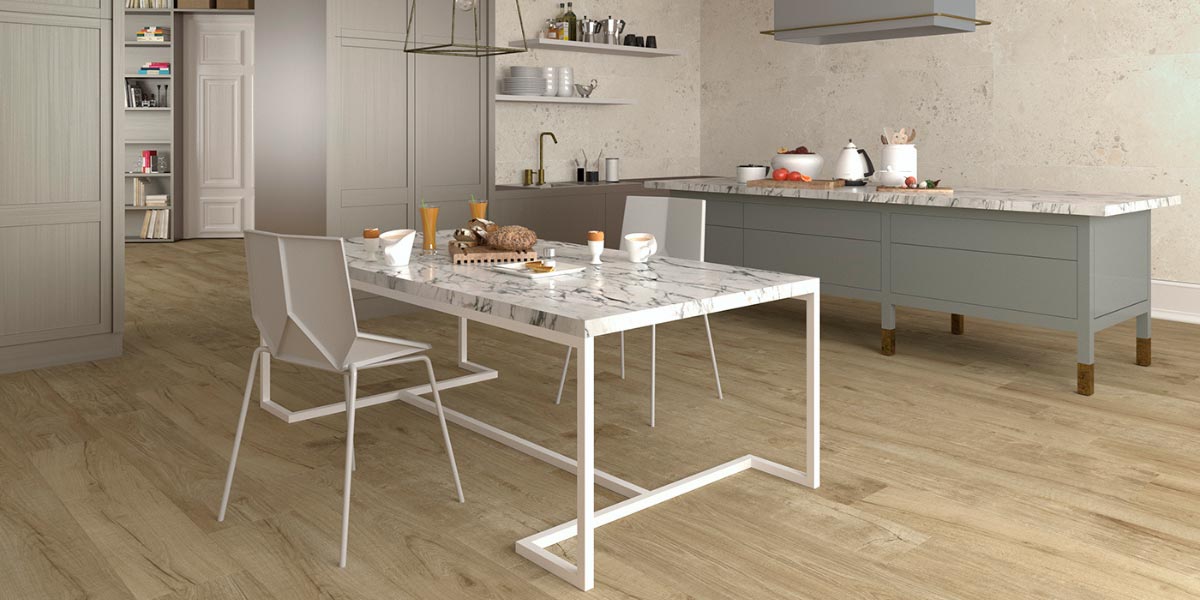
Wood-effect porcelain tiles are one of the most popular options for this type of solution, as they provide the visual warmth of natural wood while offering superior durability. They are ideal for open kitchens and living rooms because they combine a welcoming aesthetic with long-lasting performance, and they are also suitable for humid areas and high-traffic spaces.
Another very interesting choice is cement-effect porcelain, which delivers a uniform and elegant finish that reinforces the sense of continuity while easily adapting to different decorative styles. In larger spaces, the cement look helps create sophisticated and balanced environments, while in smaller homes it can enhance a modern and uncluttered aesthetic.
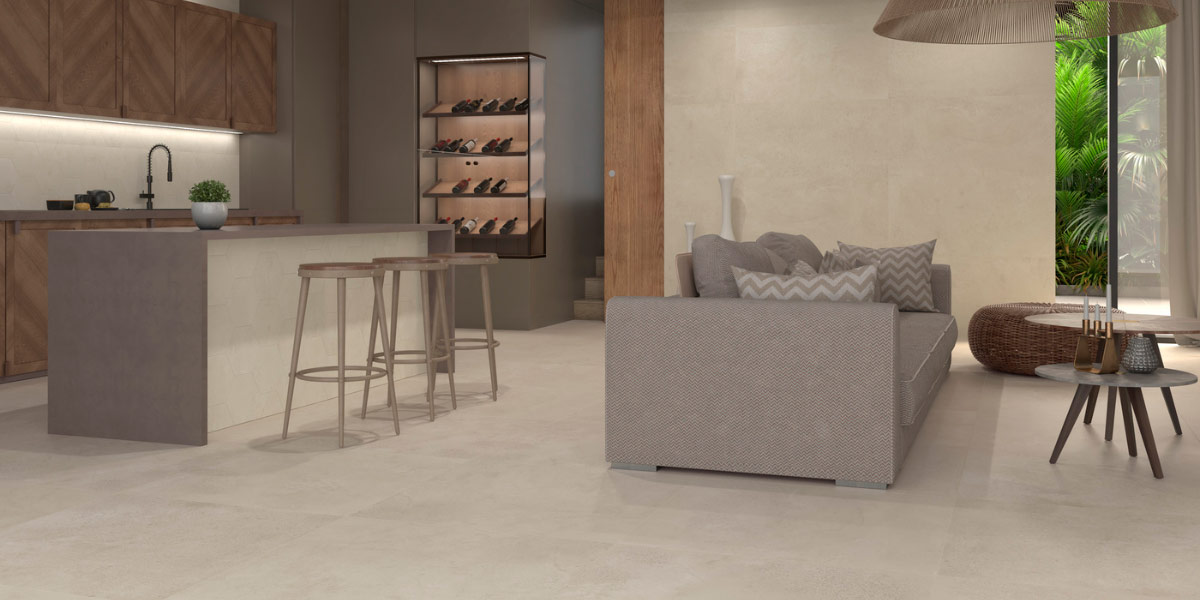
Format also plays an important role in the final result, as large formats with minimal grout lines further enhance the sense of spaciousness and continuity. In open spaces, large-format porcelain flooring creates a more uniform and elegant surface with fewer visual interruptions, reinforcing the idea of an integrated and fluid environment.
Changing flooring to define areas
Although continuity is highly effective for unifying spaces, it is often necessary to differentiate areas within the same room to make the layout more functional. In these cases, changing the flooring becomes a decorative and architectural feature with strong visual impact, allowing spaces to be defined without building walls or introducing physical dividers that reduce openness. This solution is especially useful in multifunctional areas where different uses coexist and visual order is desired without losing a sense of openness.
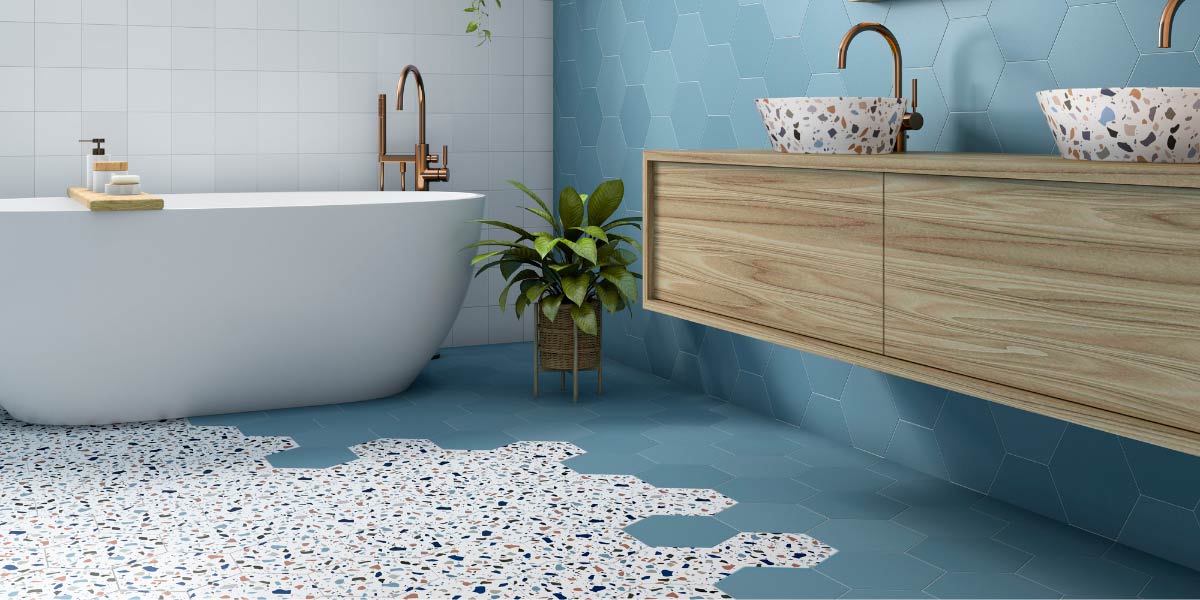
One common application is distinguishing the dining area from the living area. Within the same room, flooring can subtly indicate where the dining space begins and where the relaxation area is located, creating a visual separation that organizes the whole. This technique also works very well in open kitchens, where a change in flooring clearly defines the work area without breaking the overall aesthetic. Similarly, it can be used to separate a kitchen from an office area, define an entryway within a living space, or differentiate a reading nook or home workspace.
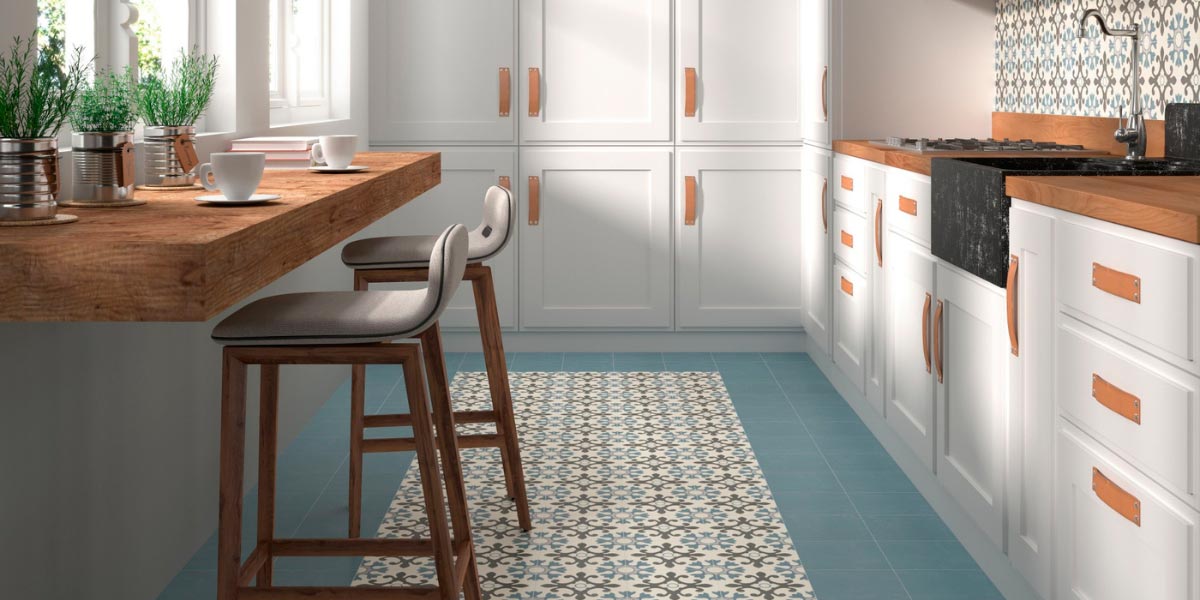
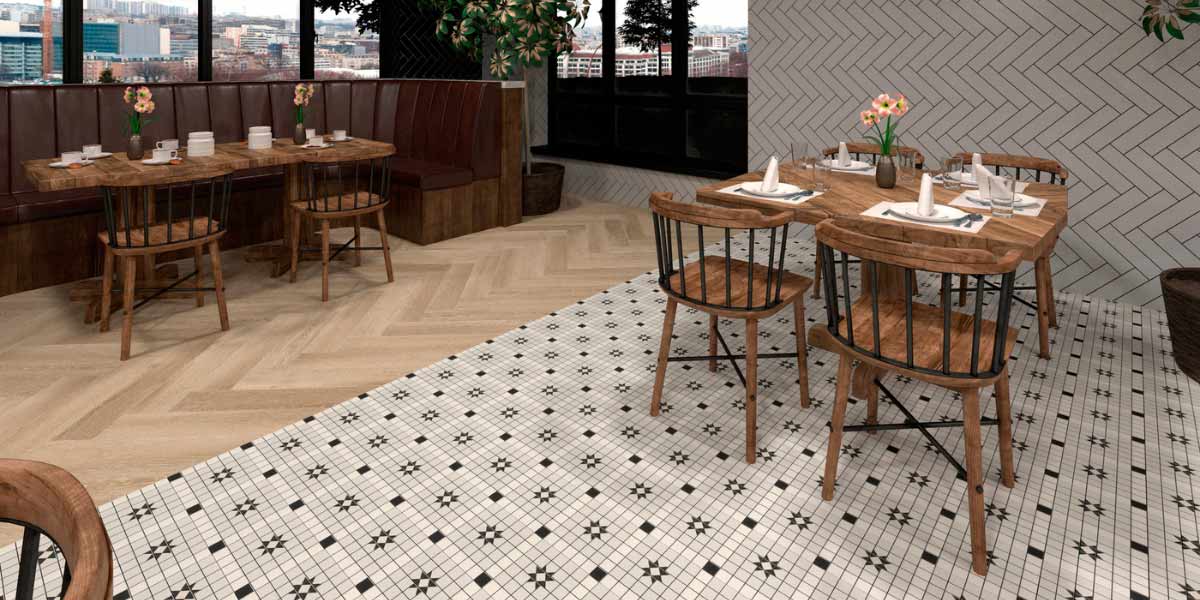
The concept of a ceramic rug is one of the most elegant ways to achieve this effect. It involves using a different tile design within a specific area, as if it were a decorative rug integrated into the floor. This idea creates a highly attractive focal point, adds personality to the space, and helps organize the room without relying on textiles or movable elements. In a dining room, for example, a ceramic rug can highlight the presence of the table and chairs, while in an entryway it can create a striking and functional decorative effect that also simplifies cleaning and maintenance.
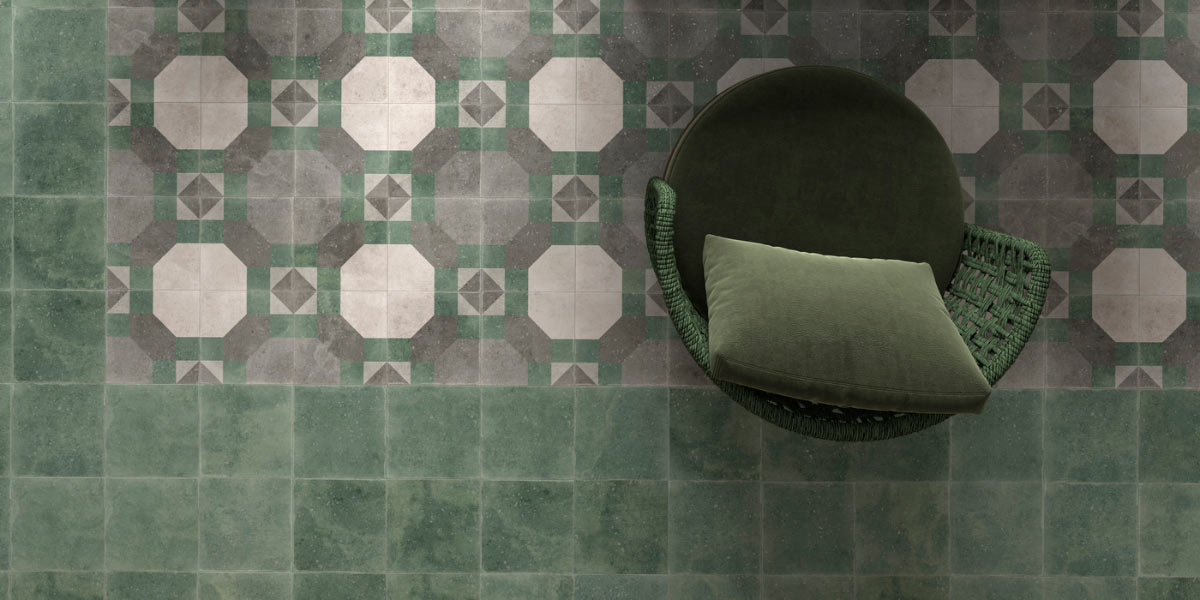
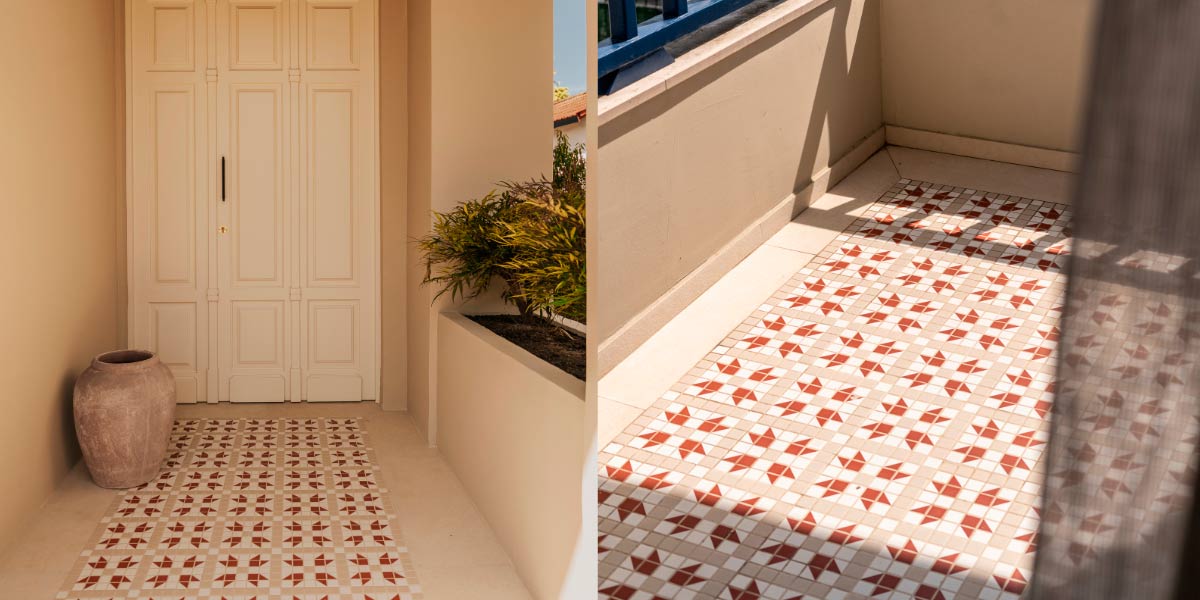
Another way to define areas is by combining two different floors with distinct finishes or styles. A popular option is to pair wood-effect porcelain in the living area with smaller-format tiles in the adjacent space, creating an elegant and practical contrast. This approach is especially interesting when you want to maintain a cohesive aesthetic while achieving a clear spatial division. The difference in scale between the tiles creates a distinct visual rhythm that the eye naturally interprets as a separation between environments.
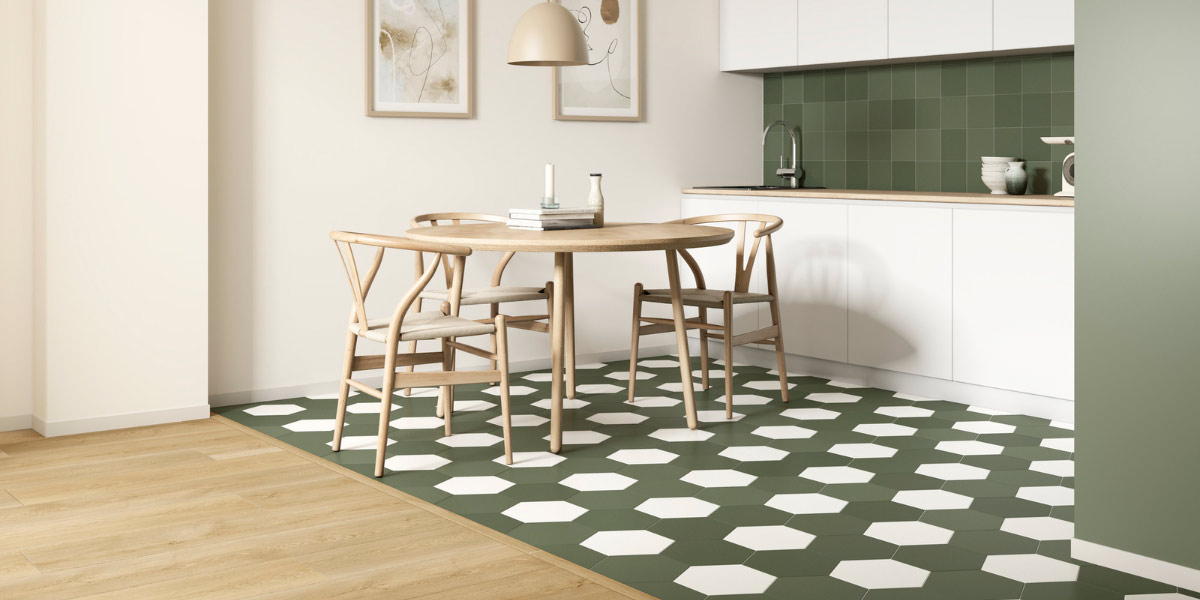
Flooring, therefore, is not merely an aesthetic choice but a distribution tool that influences how we live in and perceive each room. Through continuity or contrast, the floor can unite or divide, expand or structure, becoming the key element that ensures every area is clearly defined and used to its fullest potential. In contemporary interior design projects, strategically using ceramic flooring allows homes to be transformed without major construction work, resulting in more balanced, coherent, and functional spaces adapted to everyday needs.
Wall coverings that transform walls and distribute space
If flooring organizes the foundation of a room, ceramic wall coverings have the power to structure the walls and completely redefine spatial perception. Vertical surfaces not only physically enclose a room but also influence how its proportions, brightness, and function are perceived. Strategically using tiles on walls allows you to create visual hierarchies, highlight specific areas, and give character to each environment without additional construction.
In contemporary projects, cladding a wall with ceramic pieces transforms interior distribution. Through color, format, texture, or layout, it is possible to divide spaces, guide the eye toward certain focal points, or reinforce the identity of a specific area within an open plan. Thanks to their versatility and aesthetic variety, tiles make it possible to play with these effects precisely and durably, adding personality and coherence to the overall design.
Accent walls that define areas
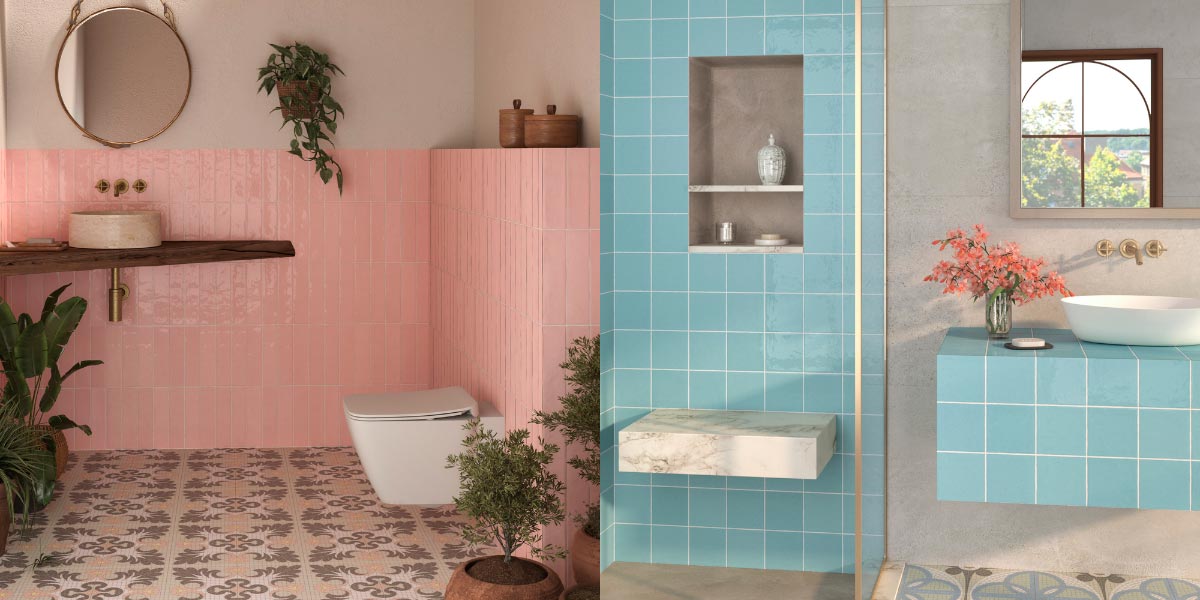
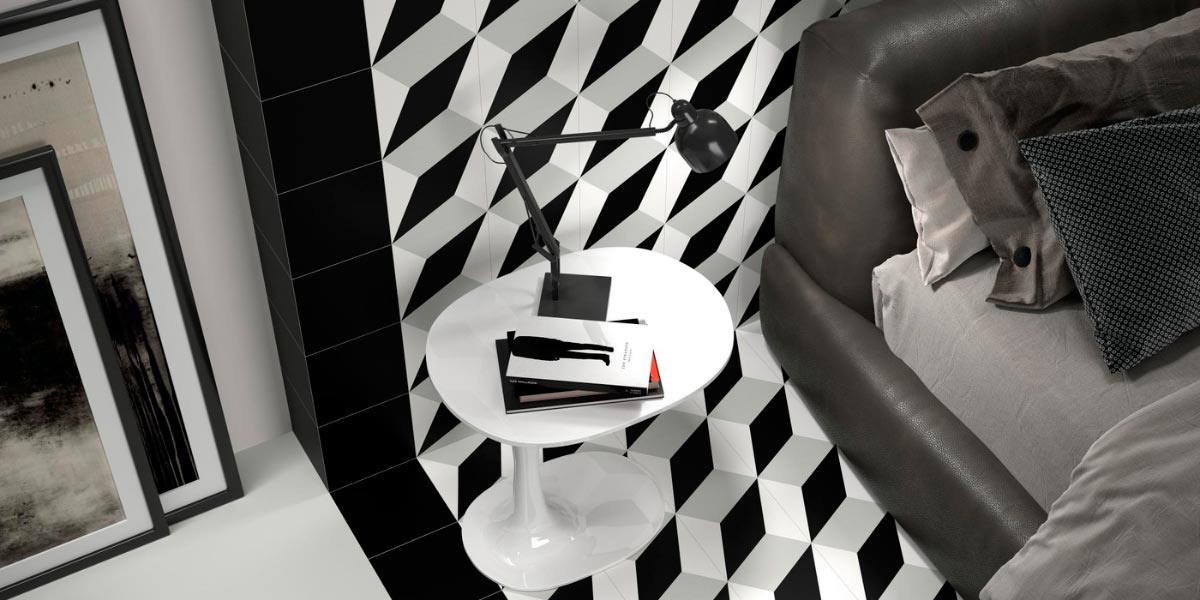
One of the most effective ways to use wall coverings to organize space is by creating accent walls that visually define different areas within the same room. This involves highlighting a specific wall with a tile that has strong character, whether through its design, texture, or color, creating a focal point that structures the environment and guides the layout. Even when flooring is continuous throughout the room, a vertical wall covering introduces a subtle yet effective visual division that helps organize the whole.
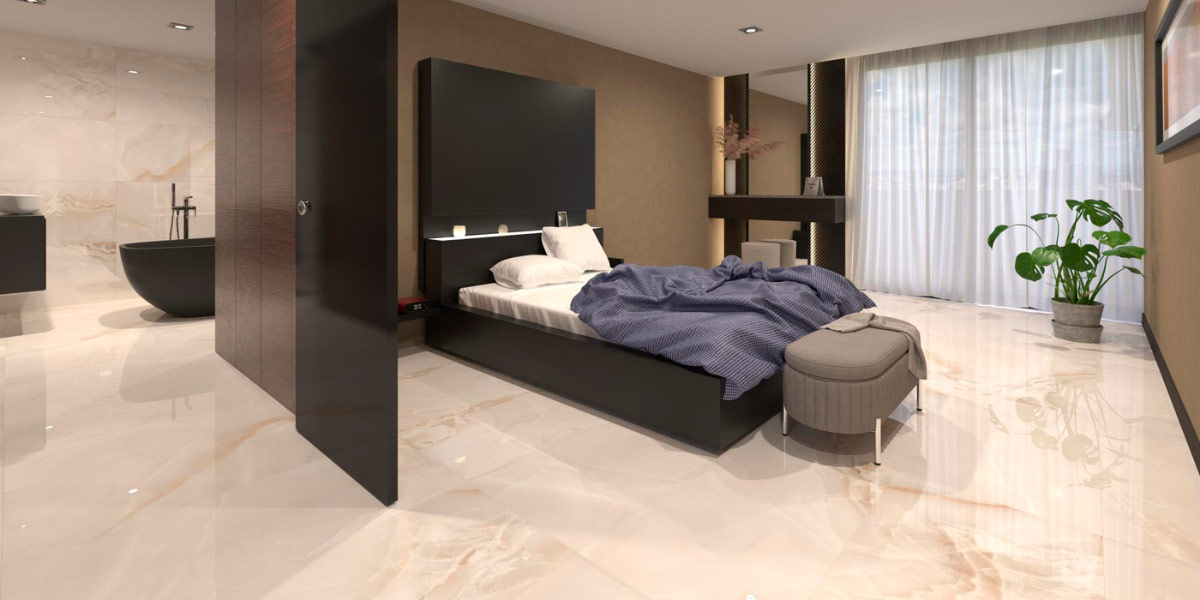
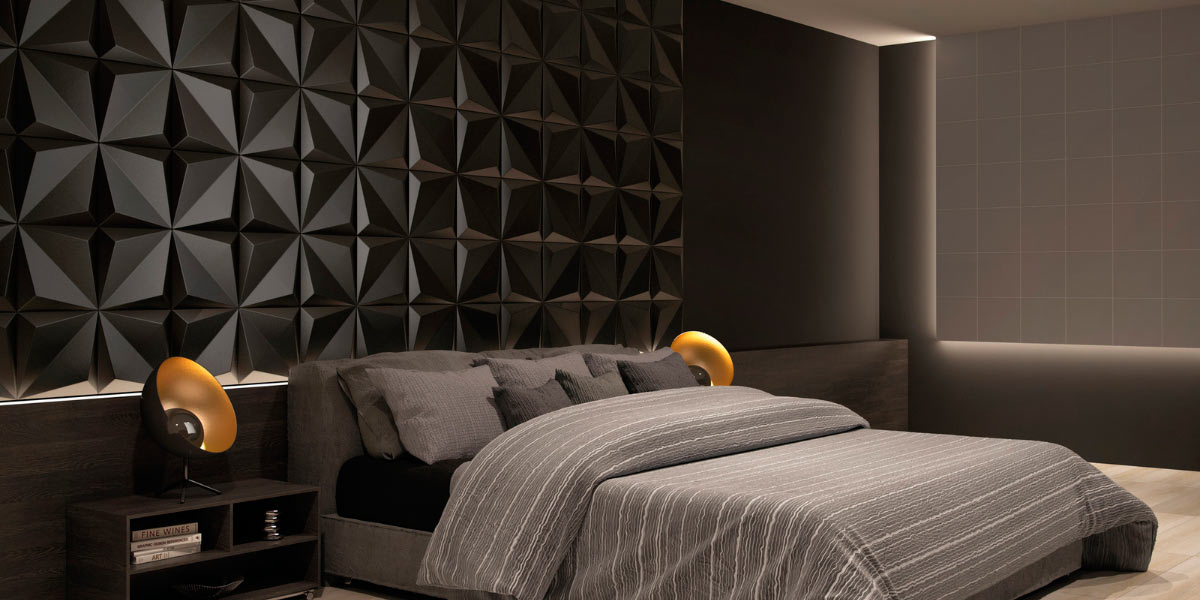
In the bedroom, for example, a ceramic headboard is increasingly used to define the sleeping area and add personality. Cladding the wall behind the bed with a distinctive tile adds texture and depth, creating a focal point that organizes the entire room. This solution allows for soft tones to create a relaxing atmosphere or more expressive finishes to add distinction. The wall covering thus acts as a structural element that defines functions without the need for additional furniture or partitions.
How to install tiles to highlight walls
The way tiles are installed is just as important as the chosen design or finish. Beyond color and texture, the layout of the pieces directly affects how the wall is perceived and, consequently, how the space is organized. The same collection can convey completely different sensations depending on the installation pattern, orientation, or grout treatment, so planning this aspect allows certain surfaces to stand out and strengthens the interior layout.
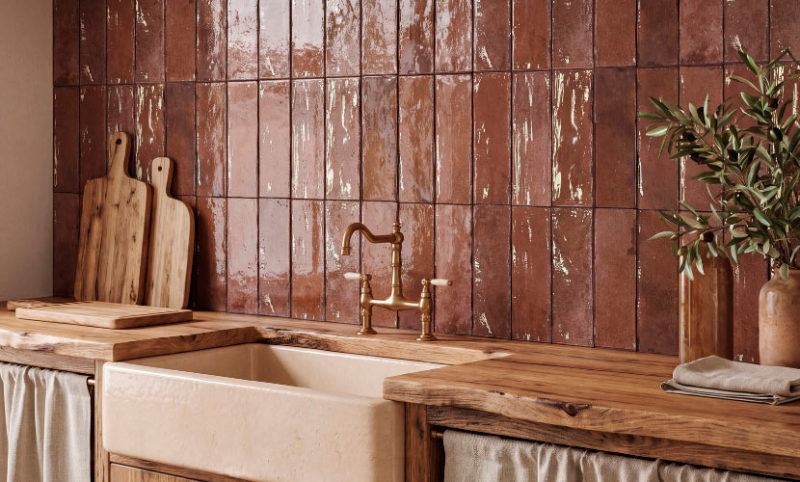
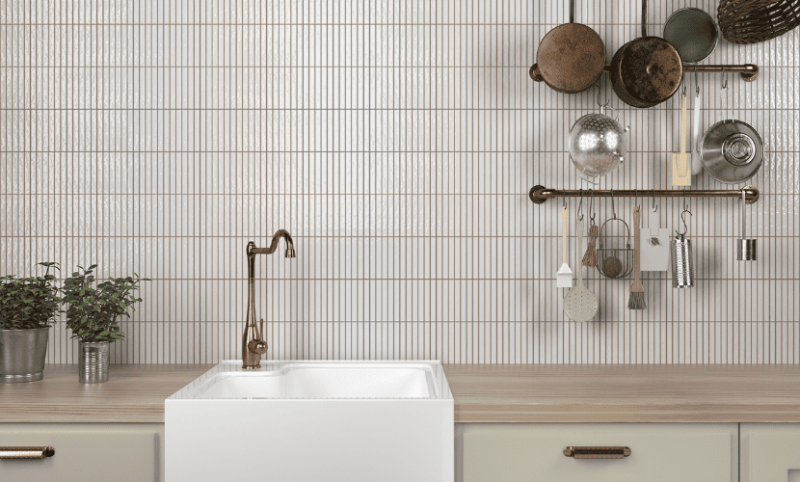
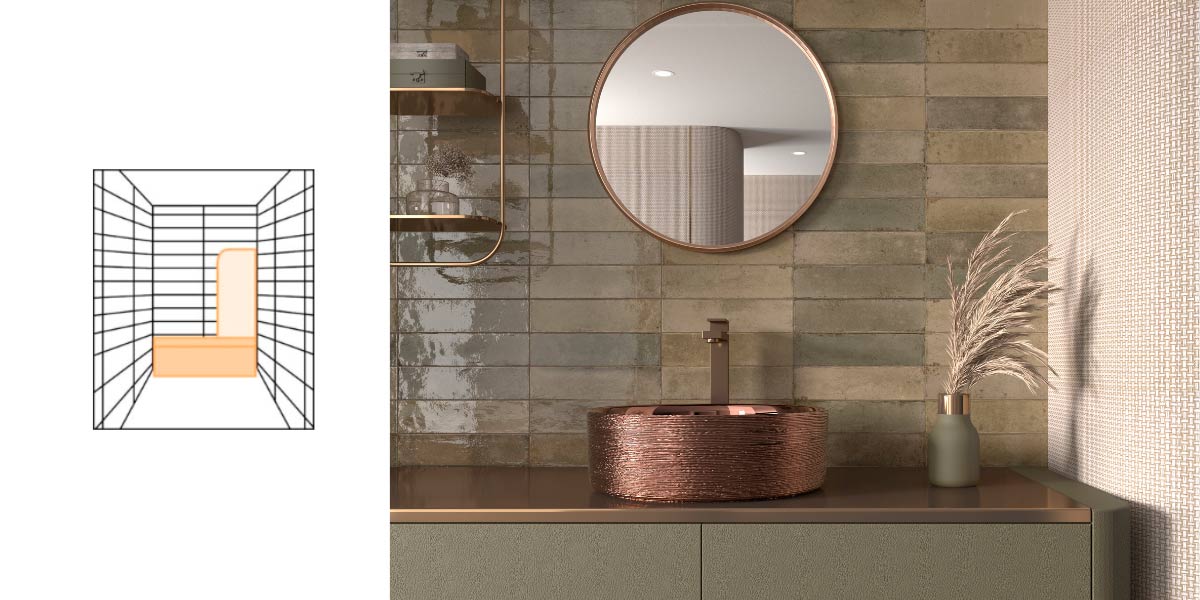
Installing tiles vertically, for example, visually elongates the wall and draws the eye upward, creating a sense of greater height and lightness. This approach is particularly useful in bathrooms, kitchens, or hallways where enhancing verticality creates a more slender perception. In contrast, horizontal installation emphasizes width and can help visually widen a narrow room, bringing balance and continuity.
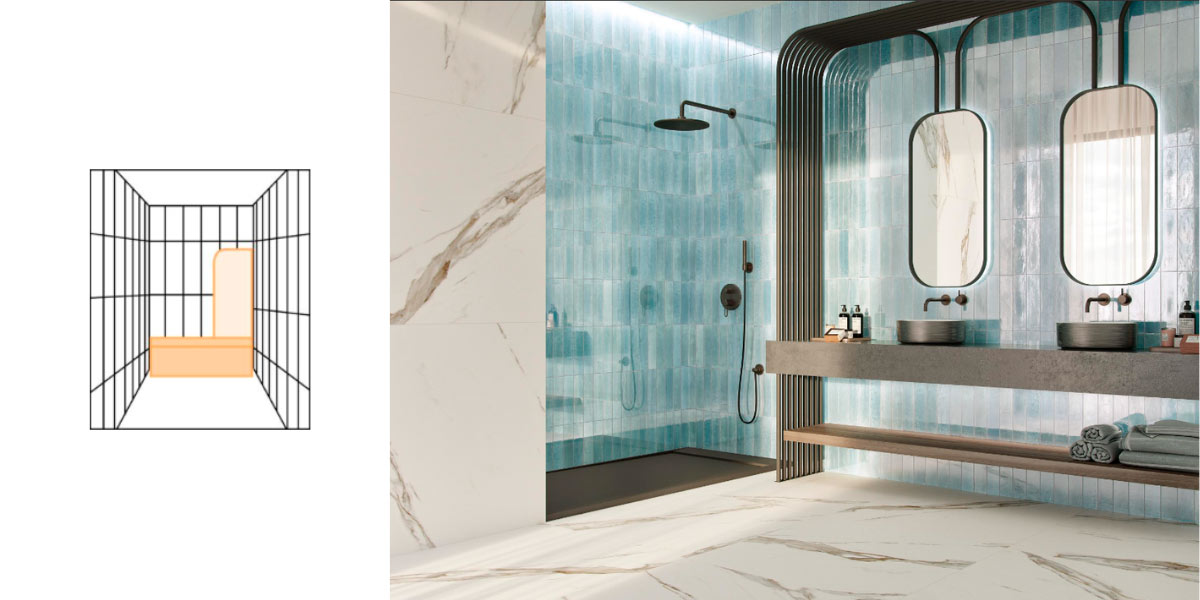
Horizontal orientation emphasizes spaciousness and visually widens the wall. When tiles are laid lengthwise, the eye moves from one end to the other, generating a sense of greater width and continuity. This is especially effective in narrow or elongated rooms where proportions need balancing. In living rooms, dining areas, or bedrooms, horizontal installation can bring calm and visual order, reinforcing a sense of stability and harmony.
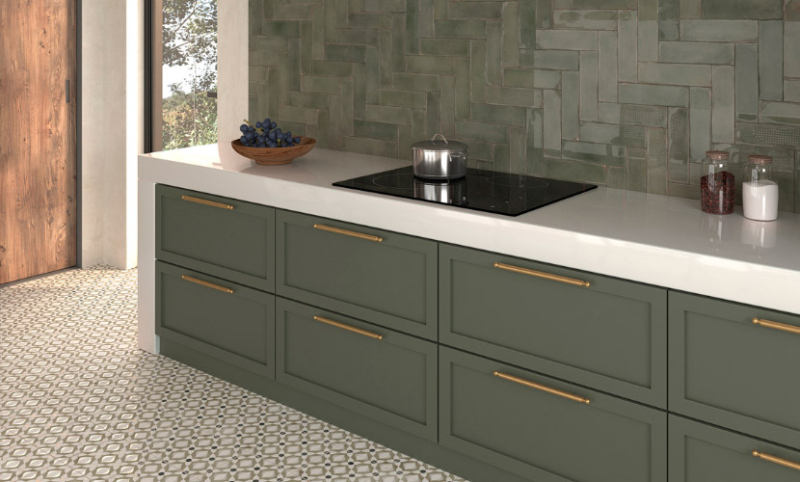
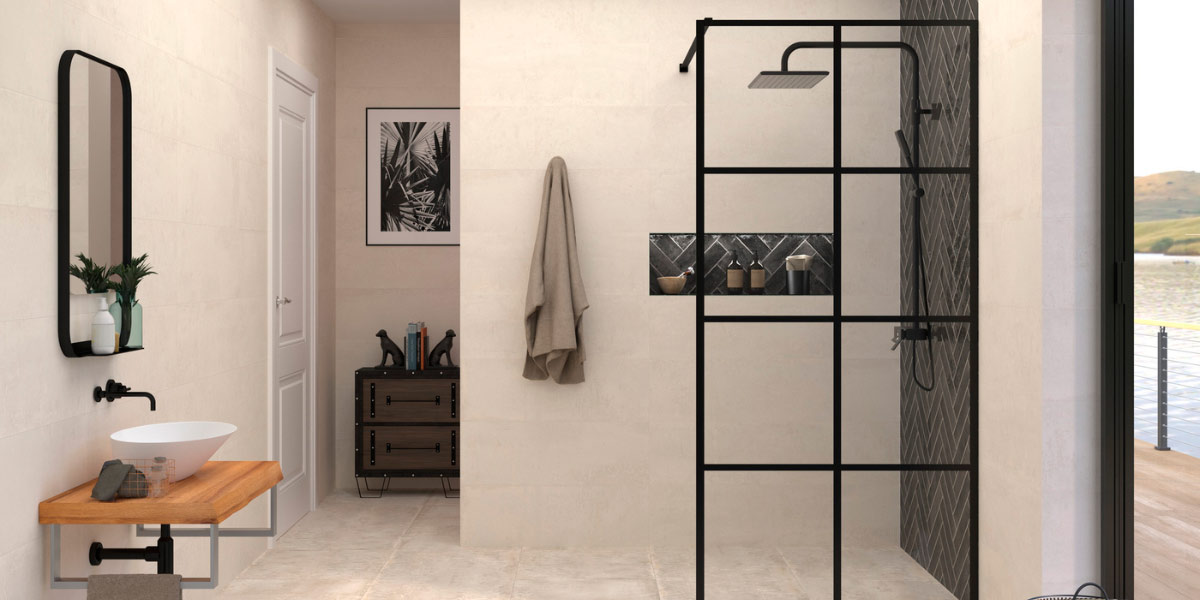
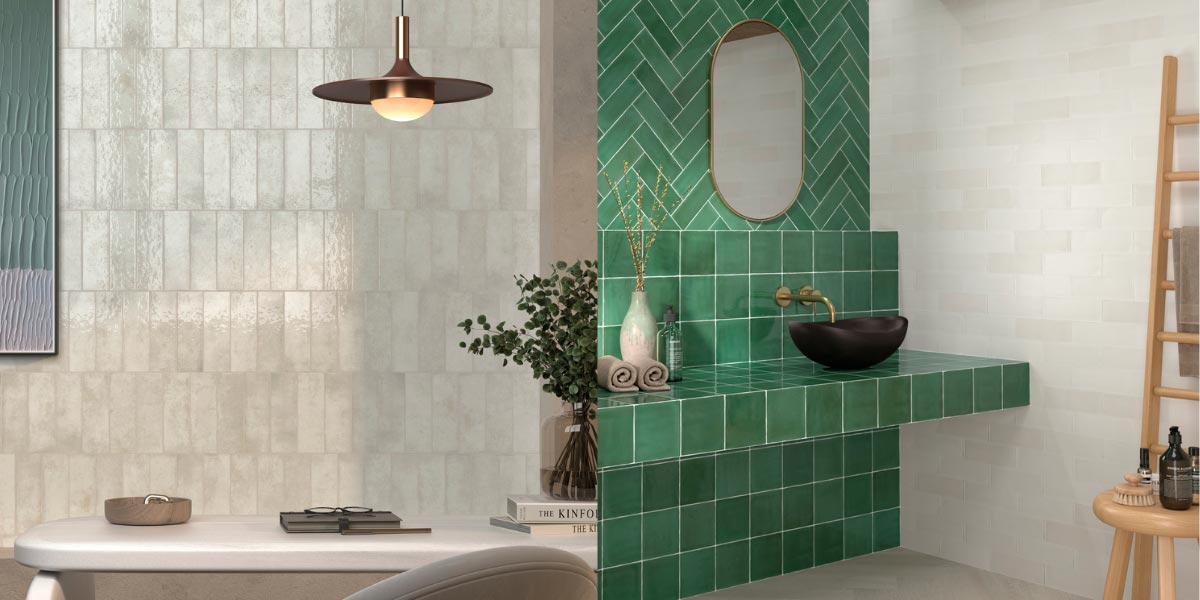
Another interesting way to highlight a wall is through dynamic patterns such as herringbone installation. These layouts introduce rhythm and movement, turning the wall covering into a true focal element. They also allow designers to guide the eye toward specific points and reinforce spatial hierarchy.
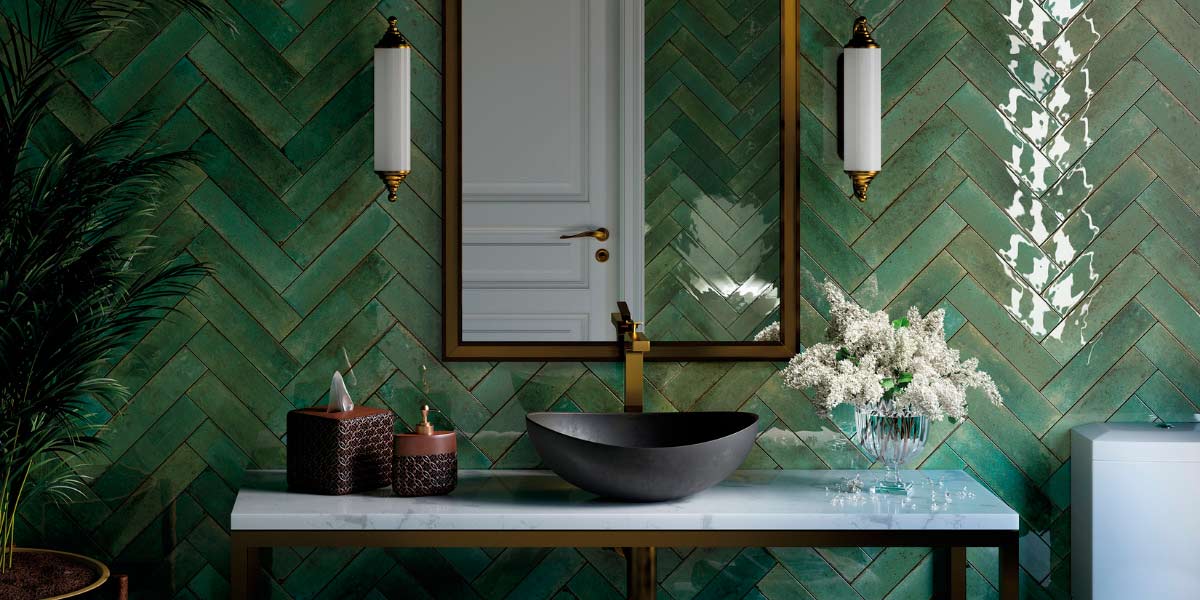
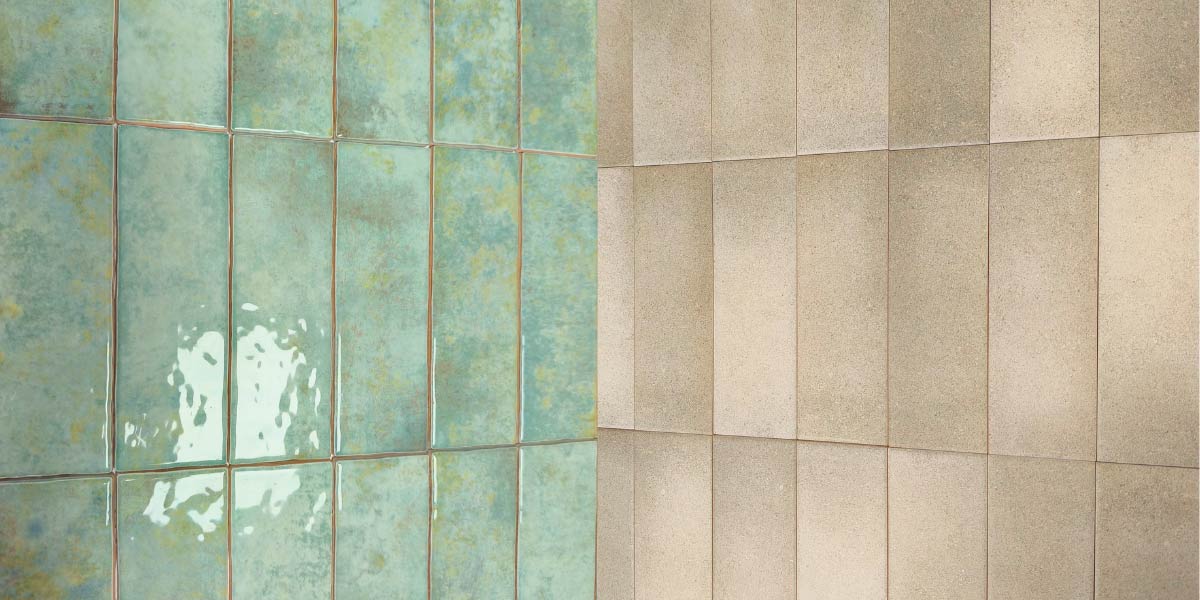
Strategic grout use can also dramatically change the final result. Tone-on-tone grout creates continuity and visual softness, ideal for uniform and elegant surfaces. Slightly contrasting grout, on the other hand, emphasizes the tile format and creates a graphic effect that helps define the wall as a distinct feature within the room. This subtle detail can be the difference between a discreet surface and one that acts as a striking focal point.
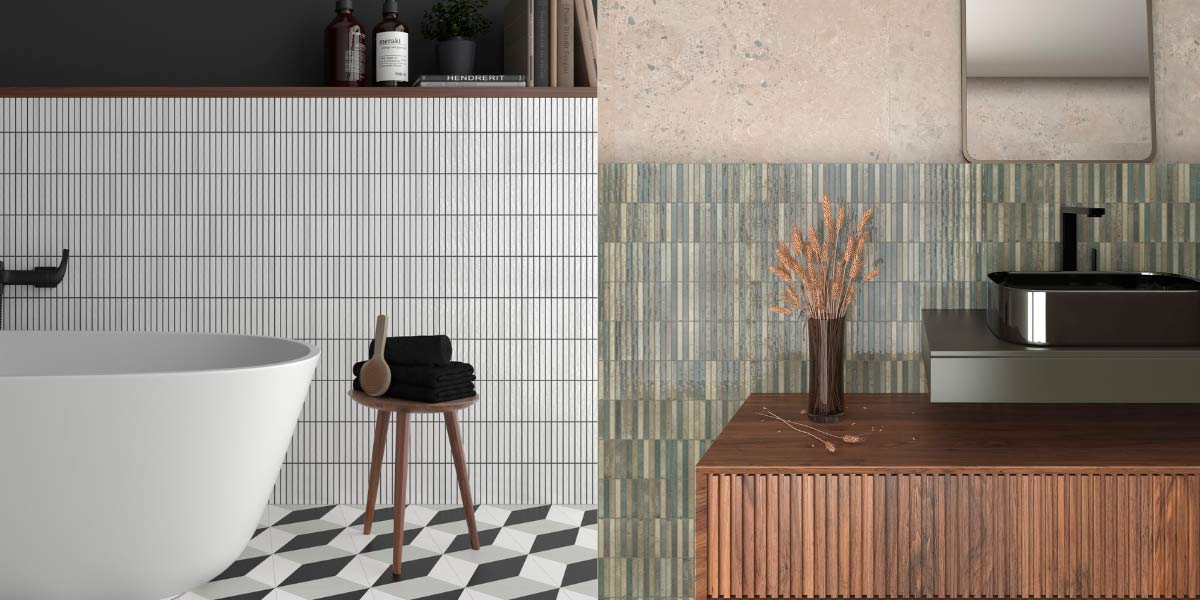
Planning tile installation not only enhances aesthetics but also expands design possibilities and connections between spaces. Thoughtful installation allows a wall to take center stage, balances proportions, and reinforces the identity of each room. Ultimately, the layout of ceramic wall coverings becomes a key tool for highlighting surfaces and organizing space subtly yet effectively.
Tiles that add depth
Beyond color and orientation, texture is another key factor in transforming spatial perception. Relief tiles create plays of light and shadow that add depth and dynamism to walls. This effect adds character and avoids flat, monotonous surfaces, turning the wall covering into a prominent element that directly influences how the room is experienced.
How to visually enlarge a room with tiles
One of the greatest advantages of tiles and ceramic flooring is their ability to transform spatial perception without structural renovations. In interior design, it is not always possible to remove walls or change a layout, but visual strategies can make a room appear larger, brighter, and more balanced. Tiles become a key tool in this regard, allowing control over light, continuity, and depth very effectively.
Color, finish, and format directly influence how room dimensions are perceived. Flooring that is too dark or has too many visible grout lines can make a space feel fragmented and smaller, while bright and uniform surfaces bring openness and lightness. Ceramics offer a wide variety of aesthetic solutions adaptable to any style, from minimalist to Mediterranean-inspired interiors, without sacrificing durability and practicality.
Light colors and luminous finishes
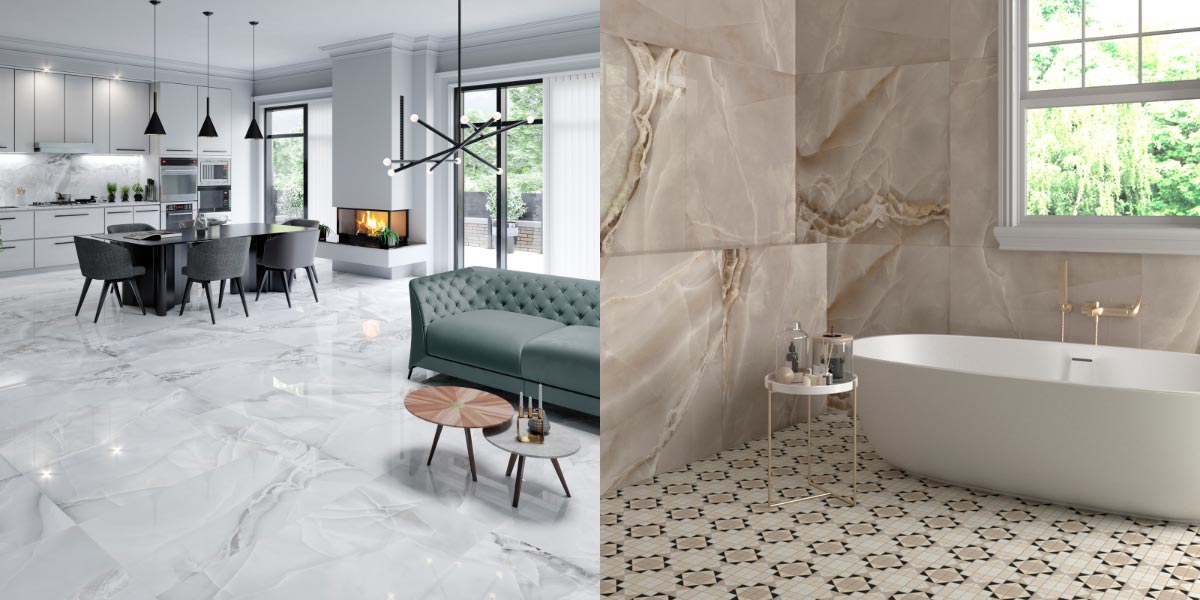
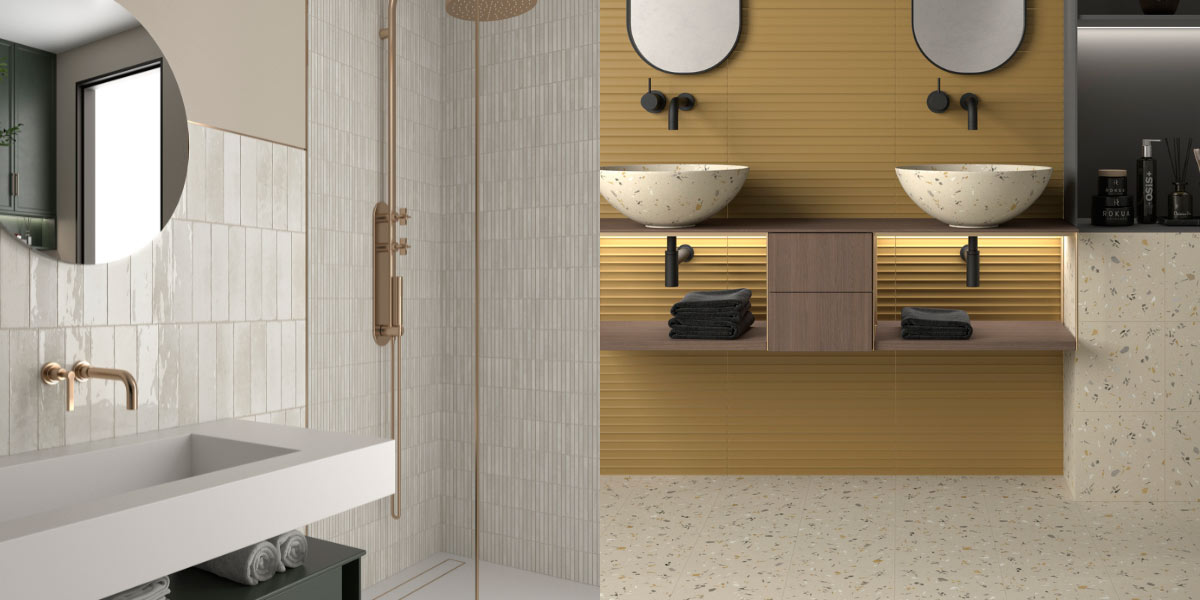
Color is one of the most decisive factors in visually enlarging a room. Light tones reflect both natural and artificial light more effectively, creating a sense of openness and making surfaces appear more expansive. In small or poorly lit spaces, choosing light-colored tiles is particularly effective in eliminating shadows and creating a brighter atmosphere.
Beyond color, choosing between glossy and matte tiles also plays an important role. Slightly satin or polished surfaces reflect more light and enhance spaciousness. Matte finishes provide a more natural and contemporary look, though in small spaces very light tones and good lighting are recommended to maintain brightness. The key is to create a balanced ensemble where flooring and wall coverings act as a luminous base that enhances the space.
Large formats and minimal grout lines
Choosing large or small tiles is crucial in spatial perception. The more visible grout lines on a floor or wall, the greater the sense of fragmentation, making the space feel smaller. For this reason, large formats have become one of the most effective solutions for visually enlarging interiors, reducing dividing lines and creating cleaner, more continuous surfaces.
When large-format tiles are used, the eye perceives a more uniform and uncluttered surface, generating an immediate sense of continuity that expands the space. This effect is especially appealing in living rooms, open kitchens, and small bathrooms, where visual continuity enhances a modern and elegant aesthetic. Large formats also offer a more sophisticated finish by reducing the visual prominence of grout lines and allowing the tile design to stand out more naturally.
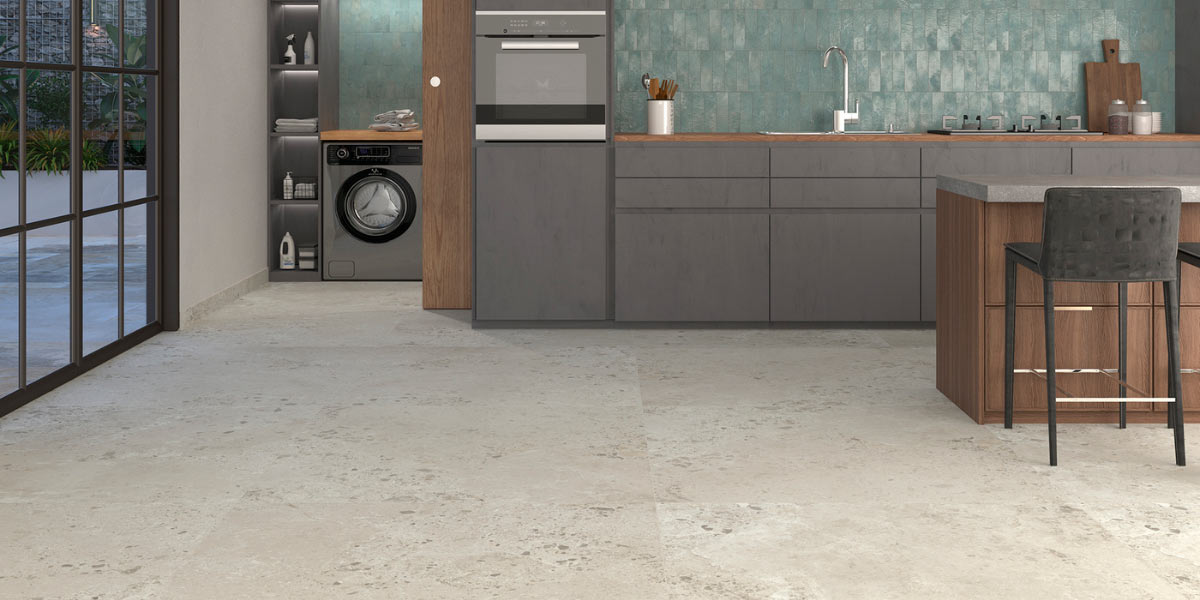
Minimal grout lines further reinforce this effect. Using thin grout lines, preferably in a tone similar to the tile, helps the surface read as a single continuous plane. This is particularly effective with light flooring, where the goal is to maximize brightness and avoid visual interruptions. In contemporary interiors, this approach achieves a clean and harmonious look, while in warmer spaces it maintains a natural and fluid aesthetic.
Ideas to make the most of every room
Each room has specific needs and therefore requires tailored flooring and wall covering solutions. Choosing the right ceramic materials not only enhances aesthetics but also optimizes functionality and spatial use.
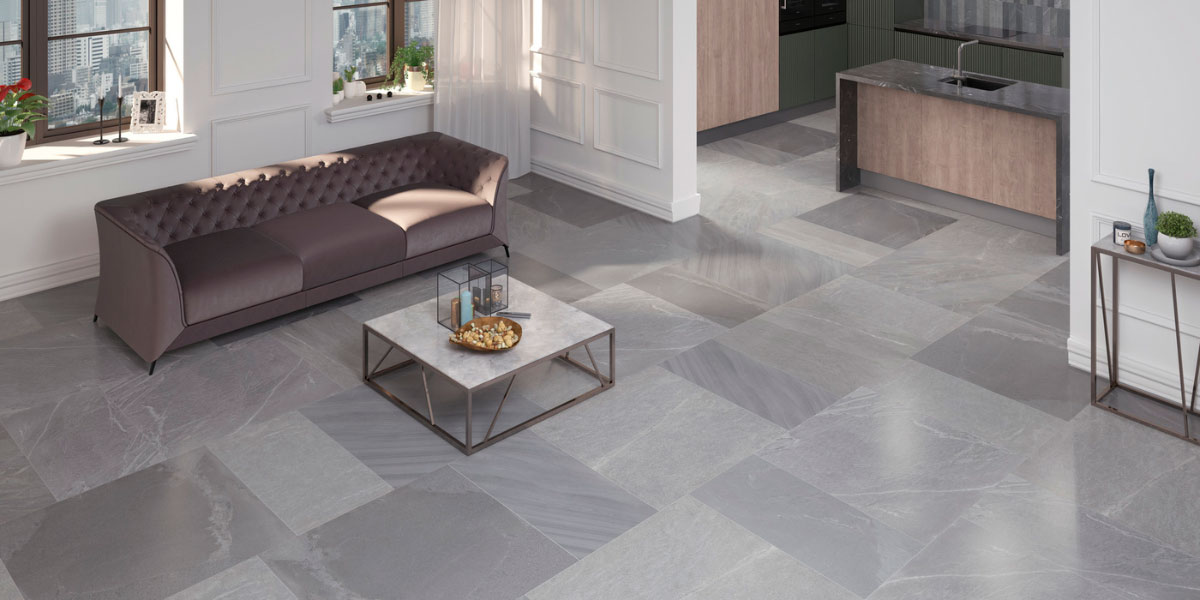
In the living room, opting for continuous flooring is one of the best decisions to enhance spaciousness and cohesion. Wood- or light stone-effect porcelain can unify the room and facilitate integration with adjacent areas, especially in open layouts. Complementing this floor with a decorative wall covering on the main wall, such as behind the sofa, creates a focal point that structures the space and adds personality without overwhelming it.
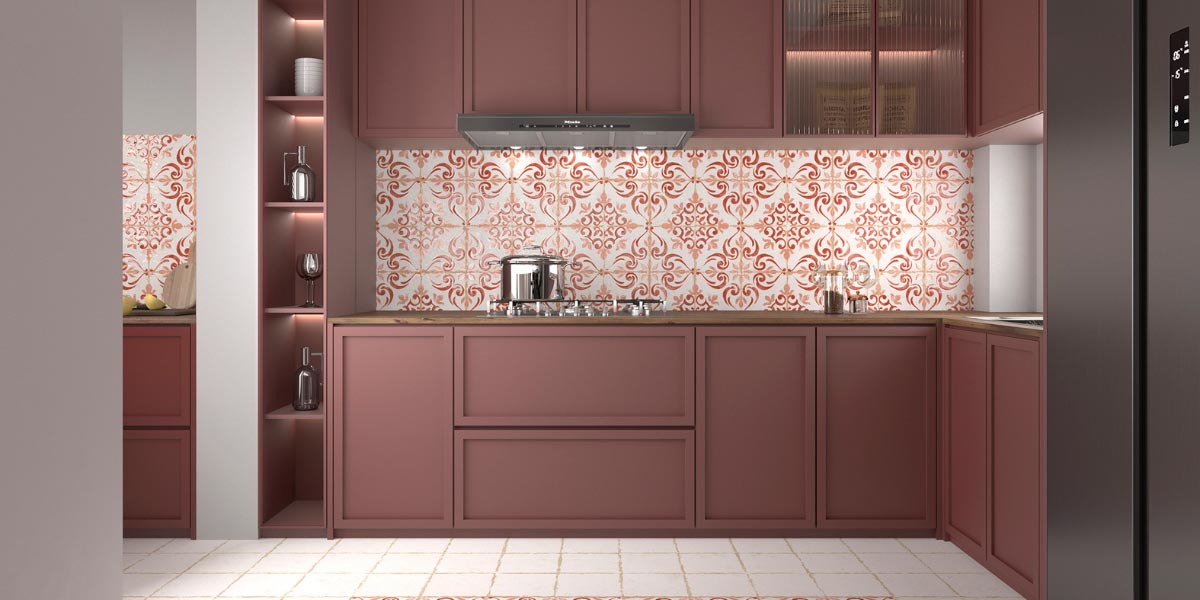
In the kitchen, flooring must combine durability and design. Choosing long-lasting, easy-to-clean porcelain suitable for high-traffic areas ensures long-term performance. The backsplash can become the protagonist, adding color, texture, or pattern that defines the room’s character. This contrast between floor and wall helps visually organize the space and reinforce its identity.
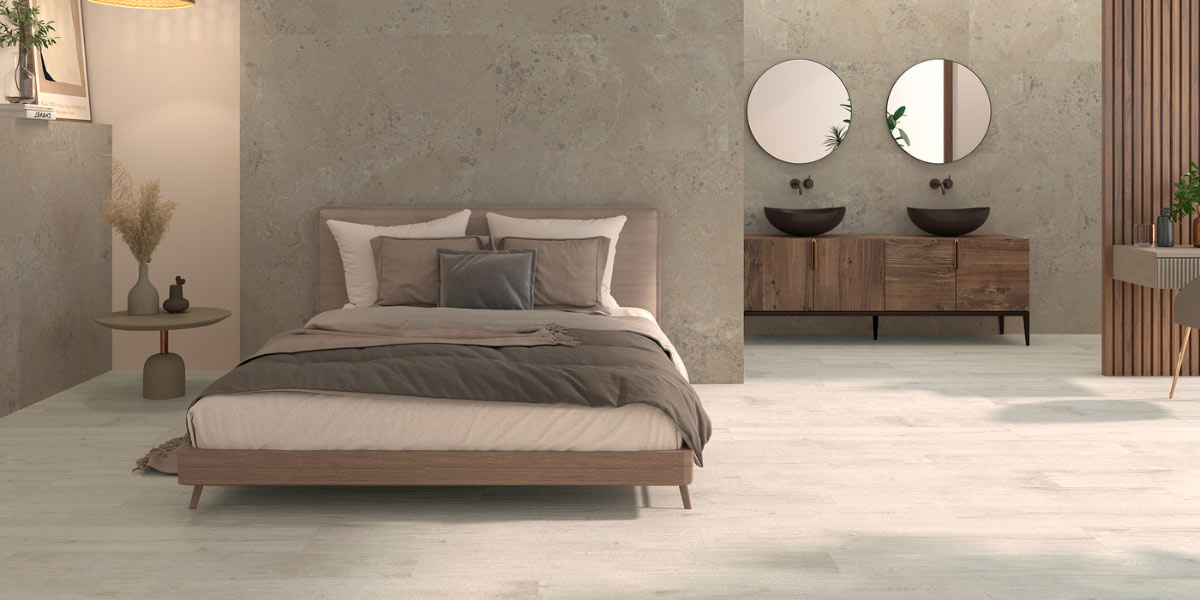
In the bedroom, ceramics can also play a key role in creating a welcoming atmosphere. Wood-effect flooring brings visual warmth and continuity, while a ceramic headboard adds texture and character to the sleeping area. This solution not only defines the main zone but also replaces additional decorative elements, maintaining a clean and balanced aesthetic.
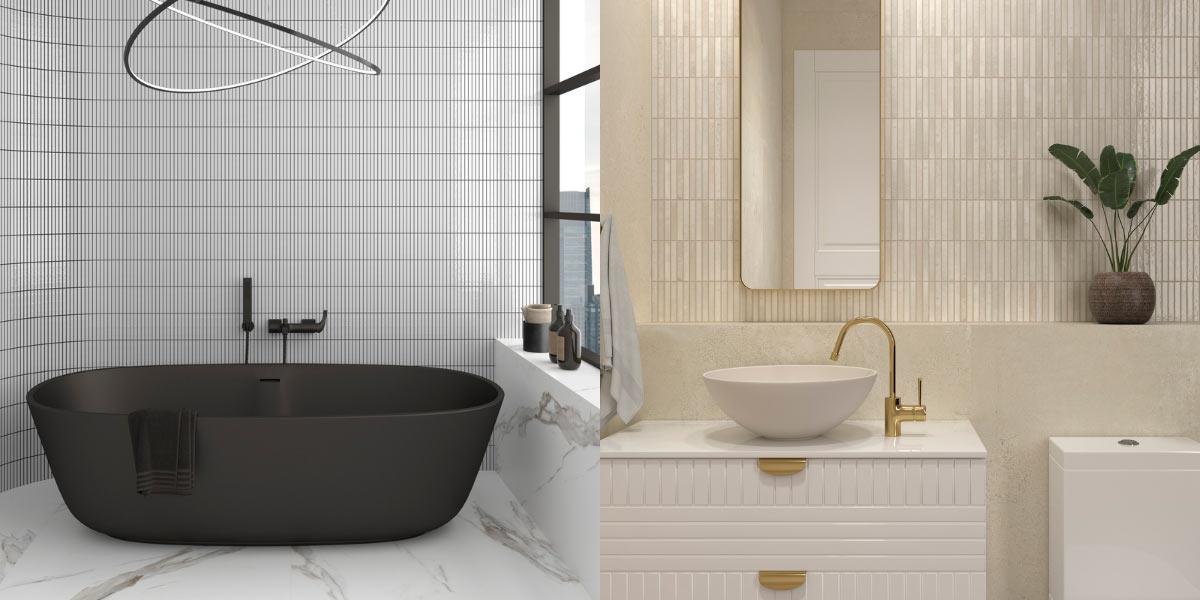
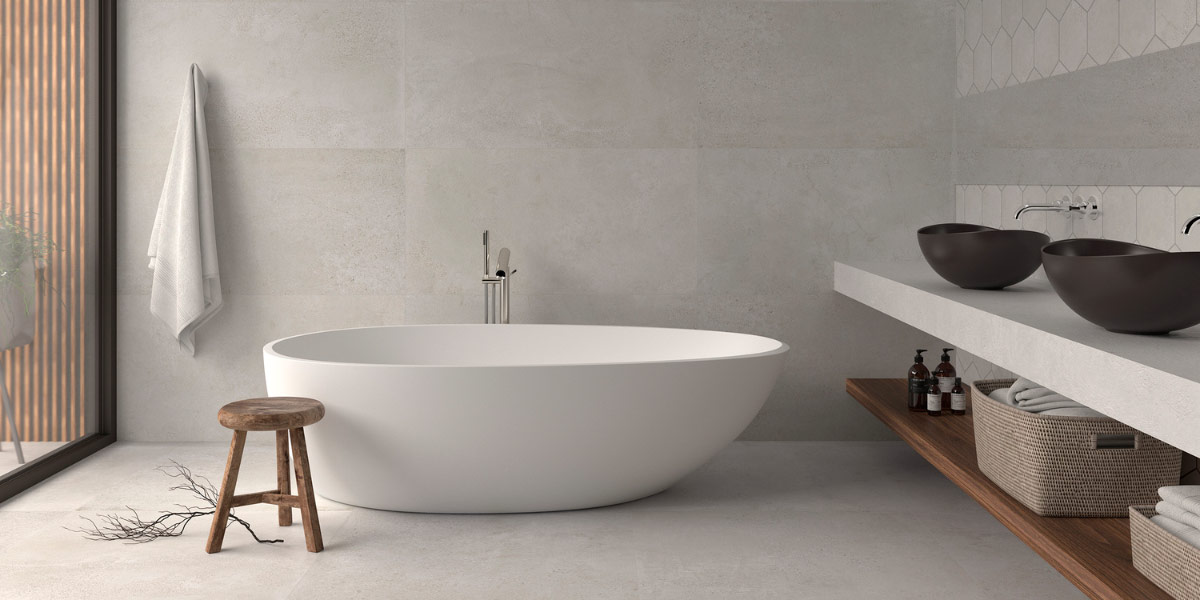
In the bathroom, continuity between floor and wall is highly effective for visually enlarging the space and creating an enveloping sensation. Cement-effect ceramic finishes bring uniformity and modernity while simplifying cleaning and maintenance. This approach makes the bathroom feel more spacious and orderly, reinforcing design coherence and enhancing well-being.
Using tiles strategically in each room allows the home to be transformed from its foundation, organizing, defining, and enhancing every space according to its function. Through the right flooring and wall coverings, every corner can be optimized, resulting in balanced, functional interiors full of personality.
Current trends in ceramic flooring and wall coverings reflect a clear evolution in the way interior design is understood. Natural stone effects, organic textures, XL formats, and indoor-outdoor continuity are not merely aesthetic choices but tools that help create more functional, spacious, and connected environments. These solutions enhance harmony, maximize light, and visually structure each room with greater coherence.
However, beyond trends and styles, the real key lies in understanding the role tiles play within the home. Flooring defines the base on which the space is built, wall coverings add depth and character, and installation methods directly influence how proportions and boundaries are perceived. Every ceramic decision has a direct impact on how the home is organized and experienced.
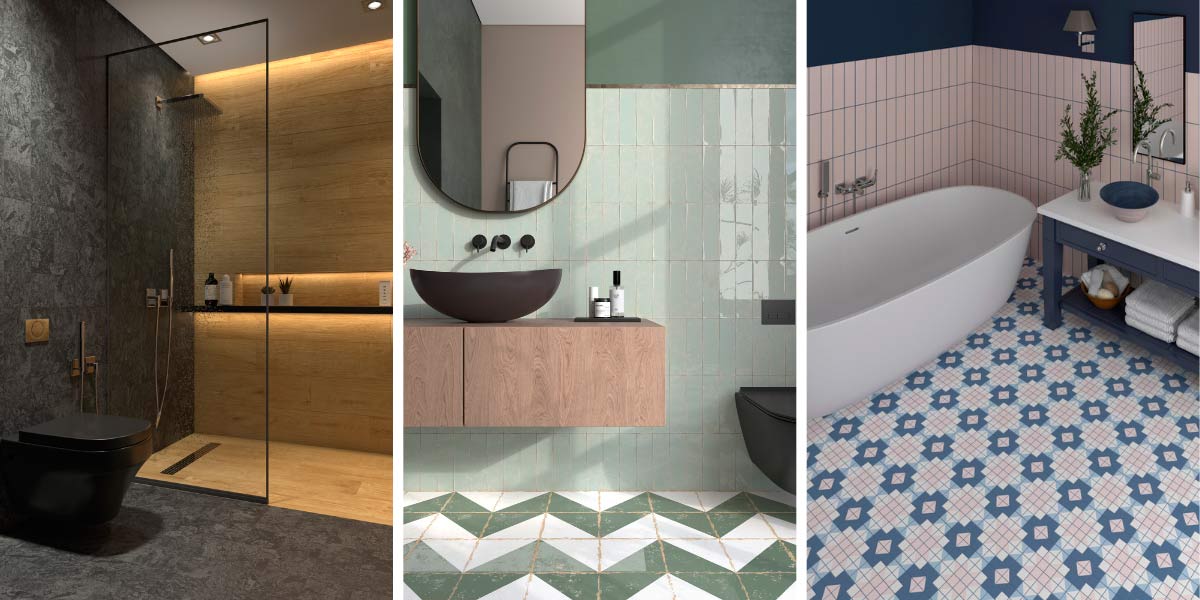
Tiles do more than decorate. They structure, connect, and organize space.
Choosing ceramic flooring and wall coverings correctly means designing from the foundation, creating continuity where spaciousness is needed, defining environments without partitions, and giving each room its own identity. When used strategically, they become the element that articulates the entire home, transforming spaces into functional, balanced environments full of personality.